
Best Bluetooth Snowboard Helmet Speakers of 2026: Complete Buying Guide
Disclosure: We may earn a commission when you buy through links on this page, at no extra cost to you. As an Amazon Associate I earn from qualifying purchases. Learn more

Learn how to choose the best bluetooth snowboard helmet speakers with checks for fit, glove friendly controls, cold weather battery, and water resistance.
Music and calls on the mountain only work if the speakers fit your helmet, survive cold and snow, and stay controllable with gloves on. Earbuds ache under a helmet and block the sounds you need to hear around you, while loose speakers shift every time you turn your head. Finding the best bluetooth snowboard helmet speakers means matching slim drivers to your helmet ear pads, then checking battery life in real cold, control size, and water resistance for storm days.
This guide explains each check in plain terms, from driver size and helmet fit to Bluetooth codecs and care habits that stretch battery life across a full season. Use the comparison table below to shortlist designs, then confirm each candidate against your own helmet model before you buy, because fit decides comfort more than any spec sheet line.
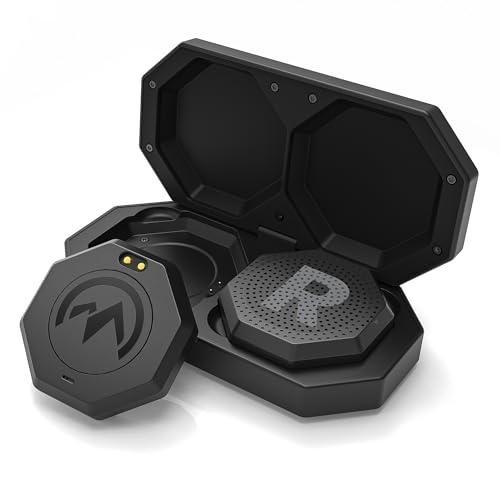
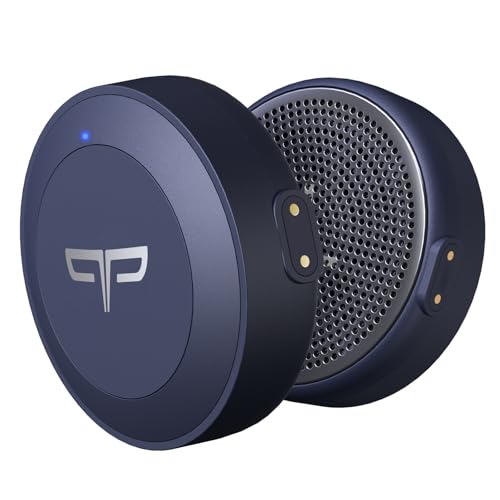

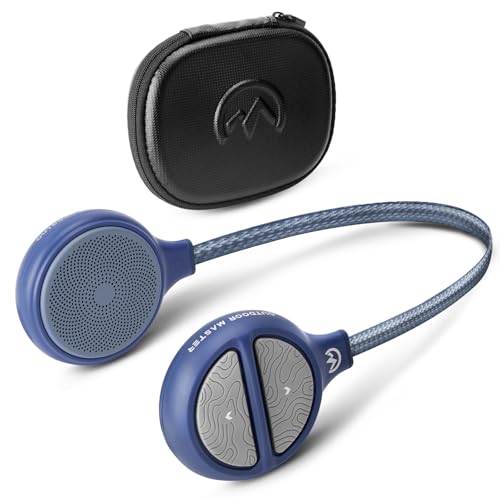

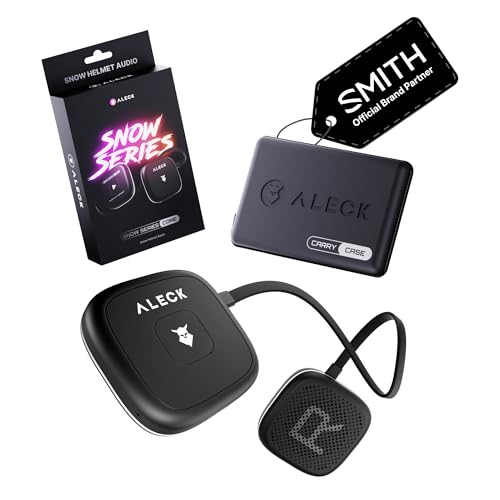


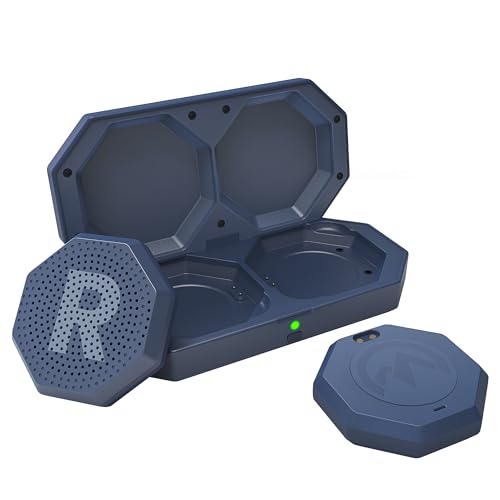
Three Buying Profiles at a Glance
Helmet speakers cluster into three useful profiles. Treat each profile as a checklist for the product table above rather than a fixed model, since lineups change each season while your helmet, gloves, and riding style stay the same. Match the profile to how you ride, then verify the details that matter most, especially driver thickness and button size.
Overall Profile
Choose this profile if you ride full days in mixed weather and want no weak spots. Look for slim drivers around 40 mm that sit flat in most ear pad pockets, Bluetooth 5.3 or newer, at least 10 hours of rated playtime, and an IPX5 or stronger water resistance rating. Controls should work through a single large button you can press with a gloved thumb. Expect to pay about $80 to $150. The trade off is price, but comfort, clarity at chairlift speed, and steady pairing repay it across a long season.
Value Profile
Pick this profile for weekend riding and fair weather resorts. You still get 40 mm drivers, Bluetooth 5.1 or better, and around 8 to 10 hours of playtime, but housings may be slightly thicker and water resistance lower at IPX4. A wired backup connection is a welcome bonus at this price, usually around $40 to $80. The trade off shows up on storm days and in very cold weather, where cheaper batteries fade sooner. For casual riders, the savings buy a spare set of gloves or a lift ticket snack budget instead.
Premium Profile
Step up to this profile if you ride in deep cold, take calls on the lift, or use voice assistants and group chat often. Premium designs add stronger microphones with wind reduction, longer rated battery life around 15 hours or more, multipoint pairing, and app based equalizer control. Cases and charging cables feel sturdier, and replacement ear pads are easier to find. Expect about $120 to $200. The trade off is cost and sometimes extra features you may rarely open, so buy this tier for mic quality and cold weather endurance rather than spec sheet length.
How to Choose the Best Bluetooth Snowboard Helmet Speakers: Buying Guide
Fit comes first, sound tuning second, and features third. A speaker that presses on your ear will ruin a great powder day no matter how rich the bass sounds at home. Work through the checks below with your helmet beside you, and remember that the best bluetooth snowboard helmet speakers for a friend may fit a different helmet shape than yours, so personal fit always outranks general praise.
Sound Quality and Tuning
Drivers around 40 mm give helmet speakers enough body for music at resort speeds, while smaller drivers can sound thin once wind noise rises. A stated frequency response of 20 Hz to 20 kHz is standard and fine; tuning matters more. Slightly warm tuning with clear mids helps voices and podcasts stay intelligible outdoors, while heavy bass tuning muddies calls. Look for volume headroom, because riding at maximum volume all day distorts sound and drains the battery faster than moderate levels with a good seal inside the ear pad.
Noise Cancellation and Isolation
True ANC is rare in helmet speakers and, on a mountain, full cancellation can hide sounds you need, like a skier approaching from behind. What helps instead is sensible volume, ear pads that block some wind roar, and speaker placement that keeps sound directed at your ear. Keep volume low enough to hear lift instructions, patrol whistles, and other riders calling out. Treat awareness as a safety feature: if you cannot hear a normal conversation with music playing, the music is too loud for shared slopes.
Durability and Water Resistance
Snow is water with patience, so water resistance matters even on blue sky days. IPX4 covers splashes and light snow, IPX5 handles steady wet weather, and IP67 designs survive brief drops into slush or snowbanks. Check that charging ports have covers and that cables and connectors feel sealed where they meet the housing. Cold also stiffens cheap plastics, so look for designs rated for use well below freezing and store them indoors between trips rather than in a freezing car trunk all week.
Microphone Quality
A microphone decides whether lift calls sound clear or hopeless. The mic sits inside the ear pad or on a control pod, so wind protection and placement near your cheek matter more than studio specs. Better designs use noise reduction that focuses on voice and softens wind gusts. Test any new set with a short call outdoors before a trip, speak at normal volume, and ask the other person to rate clarity. If calls matter most, compare your shortlist with the broader options in our guide to the best bluetooth helmet speakers as well.
Connectivity: Bluetooth Version, Codecs, and Wired Options
Bluetooth 5.3 gives steadier pairing and better battery efficiency than older versions, and multipoint lets a phone and a second device stay connected. Codec needs are simple here: SBC works everywhere, AAC suits Apple phones, and aptX can add a little clarity on supported Android phones. Latency barely matters for music and calls on the slopes. A detachable audio cable is a smart backup, because it keeps music playing on a long drive home or a flight even after the battery runs flat.
Ecozystem and App Features
Companion apps can add equalizer presets, firmware updates, battery readouts, and find my device tools. These extras help, but core fit and controls matter more, so never let an app rescue a speaker that hurts your ears. Check whether the app works on your phone platform and whether key settings live on the device itself, since mountain parking lots have weak signals. Firmware updates that improve cold weather shutdown behavior or pairing stability are worth installing at home before a trip, not on a chairlift.
Fit and Placement Inside the Helmet
Placement decides both comfort and sound, so treat it as a core buying check. Measure your helmet ear pad pockets and compare driver diameter and thickness before ordering; most pockets accept round drivers near 40 mm, but shallow pockets need slim designs. Speakers should sit centered over your ears without folding the pad or pressing the driver against cartilage. If your helmet lacks pockets, look for adhesive or hook and loop mounting options. Riders comparing ski specific fits can also check the best bluetooth ski helmet speakers guide for parallel advice.
Types of Bluetooth Snowboard Helmet Speakers
Most products fall into a few design families, and knowing the family helps you predict strengths before you read a single spec. Your helmet type and riding style narrow the choice quickly.
Outdoor and Rugged Models
Rugged models pair sealed housings, strong water resistance, and big glove friendly buttons with batteries tuned for cold days. They suit storm riding, backcountry tours with a helmet, and anyone who drops gear in snow often. The cost is a little extra thickness and price. If your winters are harsh or your trips run long, this family is the safest default, and it overlaps closely with the designs covered in our guide to the best snowboard helmet speakers.
Wireless and Bluetooth Models
Pure wireless designs with no cable between the two speakers feel cleanest inside a helmet and avoid snags on jacket zips. Models with a short linking cable between drivers cost less and often house a bigger battery in the control pod. Both styles pair by Bluetooth to your phone. Choose the cable free style for simplicity if your budget allows, and choose a linked style if you want the longest playtime or a wired backup input for travel days.
How to Make Your Bluetooth Snowboard Helmet Speakers Last Longer
Cold, moisture, and rough storage kill helmet speakers faster than riding does. A few habits keep a set healthy for several seasons.
- Keep firmware updated through the maker app at home, since updates often improve pairing and battery behavior.
- Dry the speakers and ear pads fully after wet days before storing them, and never seal damp gear inside a bag overnight.
- Charge the battery to roughly half before long summer storage, and top it up every few months instead of leaving it empty.
- Avoid maximum volume for long sessions, which protects both the small drivers and your hearing.
- Carry the speakers in a small padded case inside your gear bag so edges and zips cannot crush the housings.
- Wipe salt, sunscreen, and snow melt off housings with a soft dry cloth after each trip.
FAQs
How long does the battery last on bluetooth snowboard helmet speakers?
Rated playtime usually runs 8 to 18 hours, but deep cold can cut real runtime by a third or more. Lithium batteries lose capacity below freezing, and high volume drains them faster still. For a full resort day, start with a full charge, keep your phone warm in an inside pocket so it does not die first, and treat any rating gathered at room temperature as a best case figure rather than a promise.
Do I need a special codec for bluetooth snowboard helmet speakers?
No special codec is needed, because SBC connects to every phone and sounds fine under a helmet. AAC can sound a touch cleaner from an iPhone, and aptX helps some Android phones, but wind, lift noise, and ear pad fit shape what you hear far more than codec choice. Spend your attention and budget on driver fit, button size, and cold weather battery life instead of chasing codec logos on the box.
Is ANC worth the extra cost on bluetooth snowboard helmet speakers?
ANC is rarely worth extra cost here, and strong cancellation can reduce safety by hiding slope sounds you need to hear. Most helmet speakers skip true ANC and rely on ear pad isolation, which softens wind roar while keeping you aware. If a model charges more for cancellation claims, ask what else that money buys, such as a better microphone or longer battery life, since those upgrades help every ride in ways cancellation cannot.
What IP rating do I need for outdoor use on bluetooth snowboard helmet speakers?
IPX4 is the practical minimum for resort riding, covering splashes and falling snow. Choose IPX5 or IP67 if you ride in wet storms, fall often while learning, or tour in spring slush. Remember that the rating covers the speaker housings, not your phone, so keep the phone in a waterproof pocket. Also dry charging ports fully before plugging in, because moisture plus charging is where water damage usually begins.
Wired or wireless: which sounds better for bluetooth snowboard helmet speakers?
A wired connection can sound marginally cleaner at home, but on the mountain the difference disappears under wind and lift noise. Wireless wins on convenience and safety, with no cable to snag when you load a chair or adjust goggles. Many riders like a hybrid set that runs wireless all day yet accepts a cable on the drive home. Riders from other sports can compare approaches in our best motorcycle helmet bluetooth speakers guide.
Wrapping Up
Fit your helmet first, then demand glove friendly controls, cold honest battery life, and at least IPX4 water resistance. Sound tuning and codecs refine the experience, but comfort and awareness keep you riding happily and safely. The best bluetooth snowboard helmet speakers for you are the ones you forget you are wearing until the music starts. Check your shortlist in the product table above, try them in your own helmet at home, and keep the volume low enough to hear the mountain around you.


