
Best Bluetooth Ski Helmet Speakers 2026: Buying Guide
Disclosure: We may earn a commission when you buy through links on this page, at no extra cost to you. As an Amazon Associate I earn from qualifying purchases. Learn more

Compare ski helmet Bluetooth speakers by cold weather battery life, glove friendly controls, helmet fit, and slope awareness for safer days on snow.
Music and podcasts can brighten long chairlift rides and gentle groomed runs, but ski helmet speakers must cope with cold, gloves, and the need to hear other skiers. The comparison table below compares the main options, so start with your helmet fit. Best bluetooth ski helmet speakers systems mount inside the helmet ear pads, keeping ears warm while adding sound without earbuds that fall out.
Slope safety shapes every choice here. Keep volume low enough to hear approaching skiers, lift announcements, and warnings, and avoid immersive sound that isolates you from the mountain. Choose glove friendly controls and a secure fit, and test the whole setup on an easy run before tackling harder terrain.
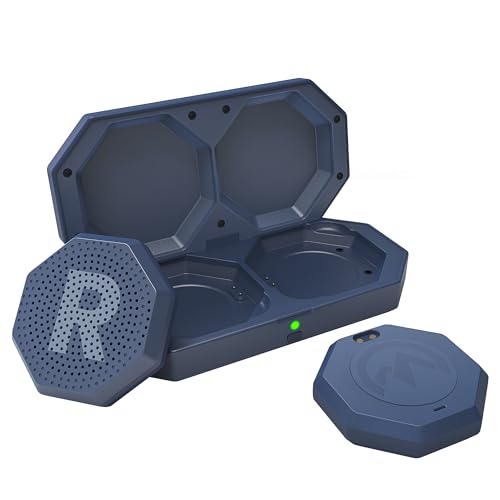
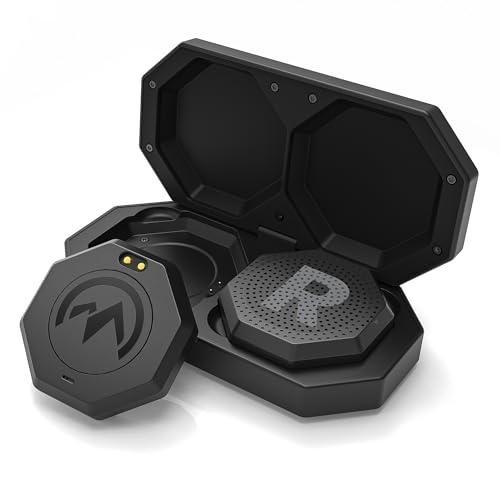
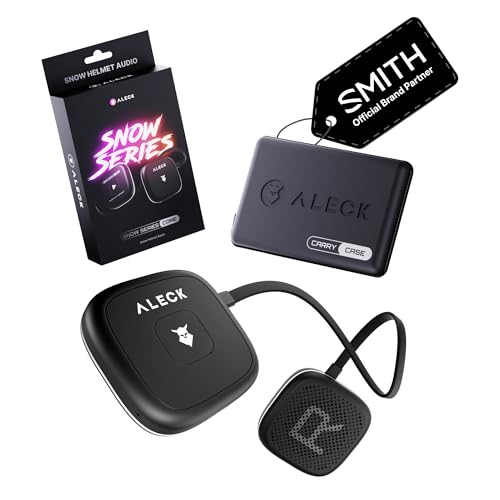
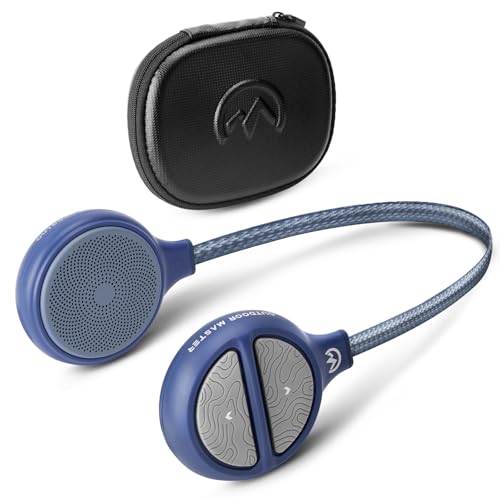


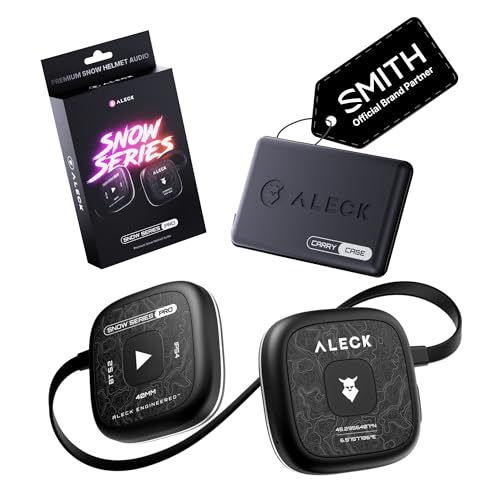

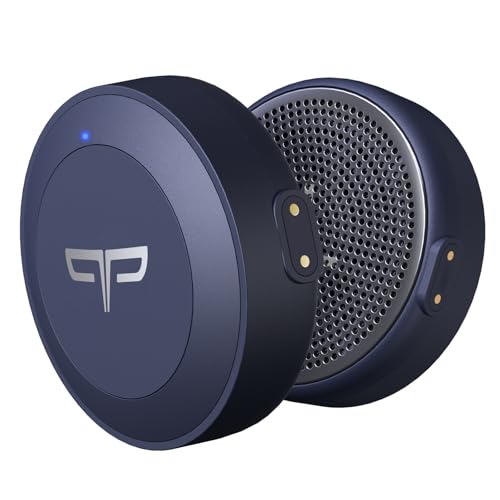


Helmet Fit and Comfort
Ski helmets vary in ear pad shape and depth, so speaker thickness and mounting style matter. Check whether your helmet has removable ear pads or dedicated speaker pockets, and measure the space before buying. Speakers that press against your ears feel fine for ten minutes but painful after a full day on snow.
Mount speakers evenly over both ears and test fit with goggles, a balaclava, and the helmet strap fastened. Cold weather layers change fit, so test with the layers you actually ski in. If speakers shift during movement, adjust pads or try thinner models rather than tolerating pressure that distracts you on the slopes.
Cold Weather Battery and Performance
Cold reduces battery performance, so a speaker that lasts all day indoors may fade faster on a freezing mountain. Check cold weather battery claims and keep expectations realistic for sub zero days. Starting with a full charge and keeping the helmet in a warm place before first use helps noticeably.
Charging on the mountain is rarely convenient, so battery life should cover your full ski day with reserve. Some systems charge through USB C, which matches many phone chargers in lodges. Carry a small power bank on longer trips if you rely on helmet audio for navigation or resort apps as well as music.
Glove Friendly Controls and Calls
Ski gloves make small buttons and touch panels hard to use, so favor large buttons, a simple remote, or voice control that works reliably. Test volume, pause, and track skip with your thickest gloves before committing. A control you cannot use on the lift is useless when you most want to change tracks.
Microphones for calls and voice assistants struggle in wind, so expect limited call quality at speed or on exposed lifts. A microphone placed near the mouth with wind protection performs better than one buried in an ear pad. Keep calls short on the slopes, and stop in a safe place for longer conversations.
Slope Awareness and Safety
Hearing other skiers matters for safety, especially at merges, lift queues, and busy pistes. Keep volume moderate and favor open style helmet speakers that let ambient sound through over sealed designs. Avoid noise cancelling features on the mountain, since they hide approaching skiers and warnings.
Follow resort rules on helmet audio and earphones, since some resorts restrict devices that block hearing. Ski within your ability while listening, and turn music down or off in crowded areas, poor visibility, or unfamiliar terrain. Music should never replace attention to signs, other skiers, and changing snow conditions.
Weather Resistance, Care, and Storage
Snow, sweat, and temperature swings challenge helmet electronics, so check water and sweat resistance ratings. Dry ear pads and speakers after each day, and avoid charging while ports are wet or cold and damp. Inspect cables and mounts regularly, since repeated helmet handling loosens pads over a season.
Store the helmet in a cool dry place between trips, and remove batteries or charge to about half if storing for months. Update firmware through the maker app before the season starts, when you have time and stable internet. Basic care keeps helmet speakers reliable across many ski seasons.
Getting the Most From Your Ski Helmet Speakers
Test the full ski setup at home before traveling, including helmet, goggles, balaclava, gloves, and phone placement, so mountain days need no fiddling. Pair speakers, load playlists or podcasts, and practise volume and pause controls with gloves on. Home testing reveals fit and control problems while fixes are still easy and warm.
Manage battery across ski days by charging fully each evening and keeping the helmet in a warm room before first lift. Cold mornings drain batteries faster, so a warm start preserves runtime noticeably. Carry a small power bank in an inside pocket for long days, keeping it warm against your body for better performance.
Keep volume modest on busy pistes and lift queues, turning music down whenever visibility drops, crowds thicken, or terrain turns unfamiliar. Music should enhance relaxed cruising, not accompany challenging runs where full attention matters. Knowing when to pause audio is part of skilled, considerate skiing.
A Final Check Before You Order
Before ordering, confirm ear pad compatibility with your exact helmet model and size, since pocket shapes vary widely between brands. Check speaker thickness, mounting method, and whether ear pads remain removable for washing with speakers fitted. Poor fit causes pressure pain that ruins otherwise enjoyable ski days.
Finally, check resort rules for helmet audio at your destination, and confirm return terms for fit testing with winter layers on. Test controls with your thickest gloves before the trip, since glove friendly operation cannot be judged from photos or descriptions alone.
Related guides include best ski helmet speakers, best bluetooth helmet speakers, and best snowboard helmet bluetooth speakers. Snowboard helmets share much of the same fit and cold weather logic, so those guides help if your household skis and boards.
Frequently Asked Questions
Do ski helmet speakers work with any helmet?
Ski helmet speakers work with most helmets that have removable ear pads or speaker pockets, but fit varies by helmet brand and size. Check ear pad depth and mounting options before buying, and test fit with goggles and layers on. Very thin or unusually shaped ear pads may need adapter pads or thinner speakers for comfort.
How does cold affect battery life?
Cold reduces battery capacity temporarily, so runtime on a freezing day can fall well below the indoor rating. Starting fully charged, keeping the helmet warm before use, and avoiding maximum volume helps extend life. For long ski days, choose a system rated well beyond your expected use so cold losses still leave reserve.
Can I use helmet speakers with gloves on?
Yes, if you choose a system with large buttons or a simple glove friendly remote, since small touch controls fail with thick gloves. Test every control with your ski gloves before buying, including volume, pause, and track skip. Voice control can help, but it should support simple physical controls rather than replace them.
Are helmet speakers allowed at ski resorts?
Rules vary by resort, and some restrict earphones or devices that block hearing for safety reasons. Helmet speakers that leave ambient sound audible are usually more acceptable than sealed earphones. Check your resort rules before traveling, and keep volume low in crowded areas regardless of the formal rules. When rules are unclear, ask resort staff before your first run rather than assuming helmet speakers are welcome.
How do I keep helmet speakers working all season?
Dry the speakers and ear pads after each day, avoid charging wet ports, and inspect mounts and cables regularly for loosening. Store the helmet dry between trips and update firmware before the season. These habits prevent most cold, moisture, and wear problems that cut a helmet audio system short. A quick end of season inspection also catches worn pads and cables while replacements are easy to order.
Final Thoughts
Choose ski helmet speakers that fit your helmet with winter layers on, last a full cold day, and work with gloves. Keep volume moderate so slope sounds stay audible, and test the setup on easy terrain first. The product table above compares the options on those mountain essentials.
Good helmet audio should feel almost invisible: warm ears, simple controls, and music that enhances the day without hiding the mountain around you. That is the standard for a best bluetooth ski helmet speakers purchase worth making.


