
Best Bluetooth Helmet Speakers: A Safety Guide for 2026
Disclosure: We may earn a commission when you buy through links on this page, at no extra cost to you. As an Amazon Associate I earn from qualifying purchases. Learn more

Compare Bluetooth helmet speakers by fit, glove friendly controls, battery life, and water resistance, plus safety habits for riding with audio.
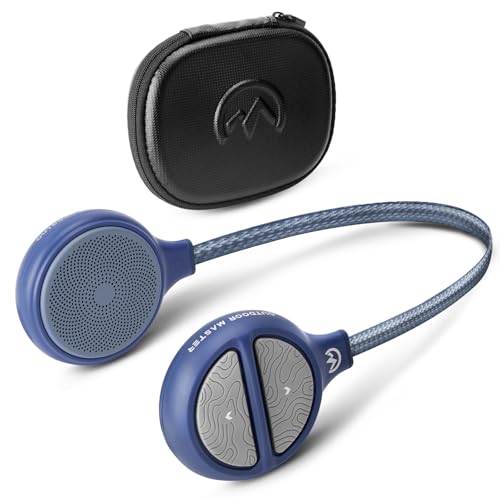
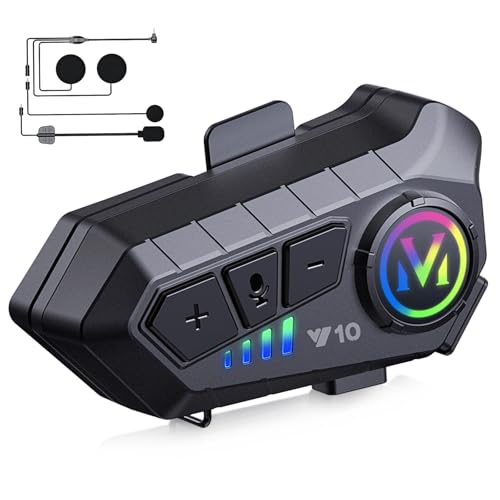
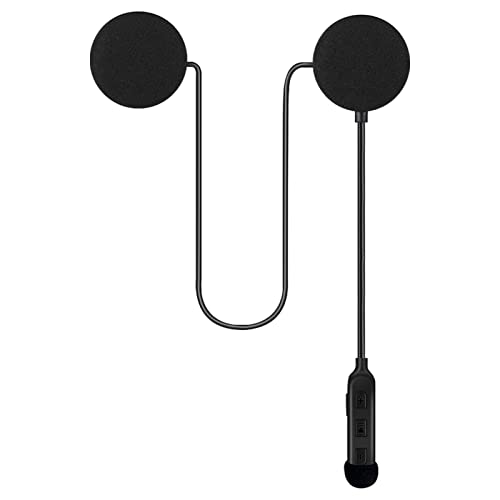
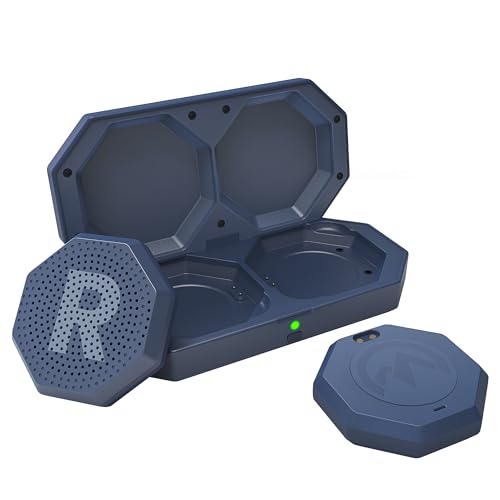
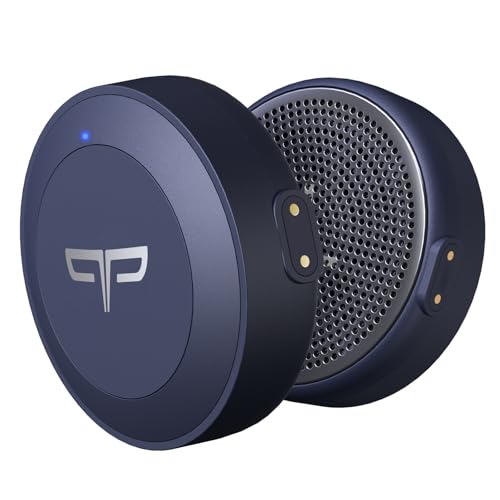
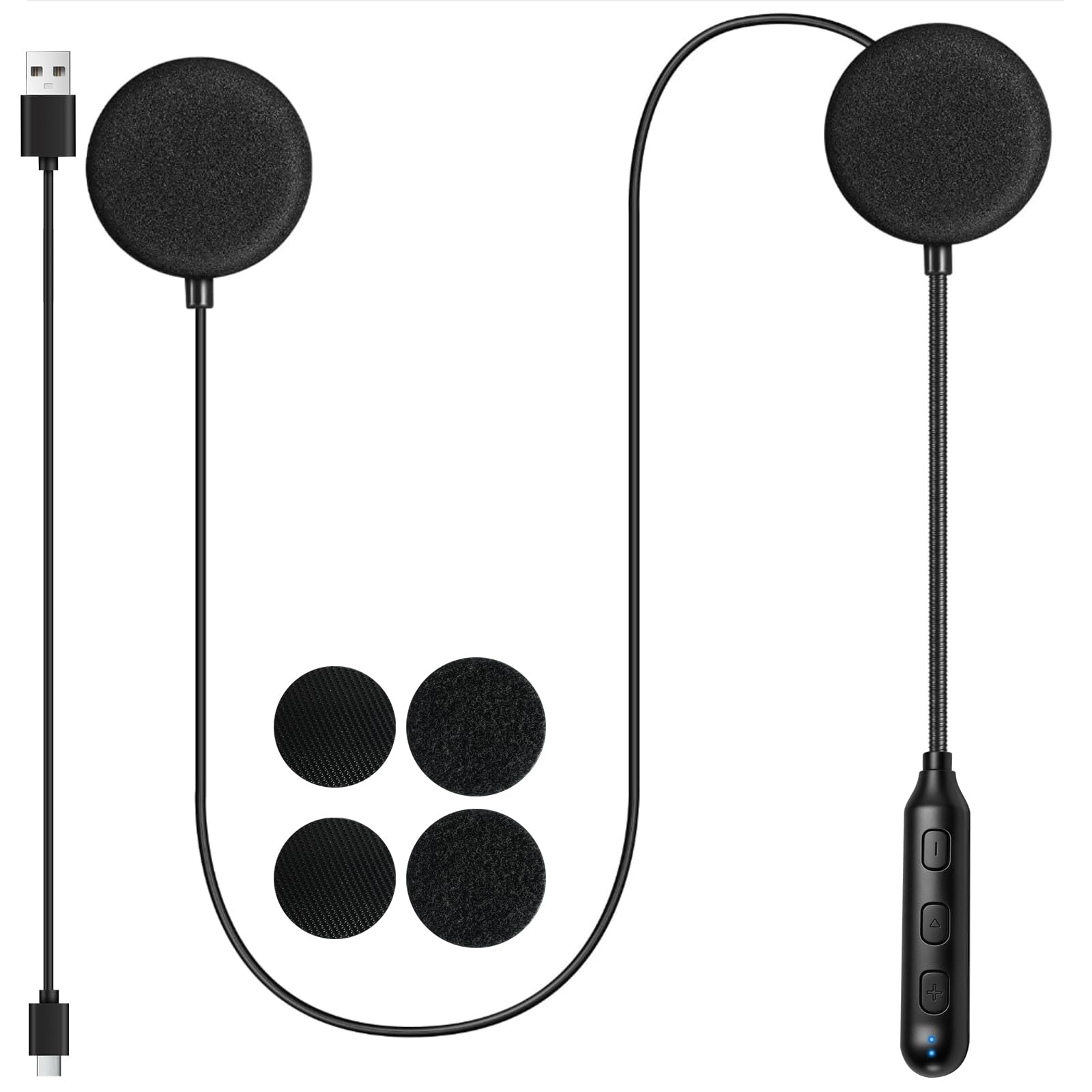
Music and navigation on a ride should never demand your hands or your full attention. The best bluetooth helmet speakers are thin enough to fit helmet ear pockets, with controls you can use wearing gloves. The comparison table below compares motorcycle, ski, and universal kits by fit and battery life.
This guide explains speaker fit, controls, battery, and weather resistance. It also covers the safety habits that keep audio a background pleasure rather than a riding distraction.


Who Should Buy
For Motorcycle Riders
Motorcycle riders need speakers that fit ear pockets without pressing, plus controls usable with thick gloves. Large buttons or a handlebar remote suit this use best. Wind noise matters too, so speakers with enough volume and good sealing help at highway speeds without maxing out.
For Ski and Snowboard Riders
Ski riders need speakers that work in cold weather and fit under a helmet without pressure points. Battery life drops in cold, so favor larger batteries and keep the control unit sheltered. Water resistance matters for snow and sweat alike.
For Commuters and Casual Riders
Commuters need simple pairing, clear navigation prompts, and enough battery for a week of short rides. Universal kits suit this use, since they fit most helmets with ear pockets. A simple control layout beats feature packed units when rides are short and frequent.
Key Features to Compare
Speaker Fit and Thickness
Helmet speakers must sit flat in ear pockets without pressing the ear during long rides. Thin drivers of about 10 mm or less suit most helmets, while thicker drivers suit helmets with deep pockets. Test fit before a long ride, since pressure points grow painful over hours even when they feel fine at first.
Glove Friendly Controls
Controls should work with gloves on, which means large buttons, clear spacing, or a handlebar remote. Tiny flush buttons frustrate gloved riders and tempt them to look down. Voice prompts and simple button layouts reduce distraction far more than feature packed controls.
Battery Life and Charging
Battery life should cover your longest ride with margin, since a dead unit mid ride tempts unsafe handling. USB charging suits most riders, while replaceable batteries suit multi day trips away from power. Cold weather shortens battery life, so ski riders should favor larger capacities.
Water and Weather Resistance
Water resistance protects against rain, snow, and sweat, all of which reach helmet electronics over time. Check the resistance rating and the placement of charging ports, since exposed ports fail first. Dry the unit after wet rides and store the helmet where air circulates.
For helmet specific kits, see the guides on best motorcycle helmet bluetooth speakers, best bluetooth ski helmet speakers, best snowboard helmet bluetooth speakers, best bluetooth snowmobile helmet speakers, and best bluetooth helmet speakers for music.
Riding Safely With Helmet Audio
Keep volume low enough to hear traffic, sirens, and warning sounds around you. Set playlists and routes before you ride, so you never fiddle with controls at speed. Some regions restrict ear covering audio while riding, so check local rules before relying on helmet speakers on public roads.
Speakers beat earbuds for situational awareness, since they leave ears open to surrounding sound. Even so, audio should stay in the background: if you cannot hear traffic clearly, turn it down. The product table above compares fit, controls, and battery across helmet speaker kits.
Common Mistakes to Avoid
- Buying thick speakers that press ears painfully on long rides.
- Choosing tiny controls that demand bare hands at speed.
- Riding with volume so high that traffic sounds disappear.
- Ignoring local rules on audio devices while riding on public roads.
Setup and Care Tips
Wipe speakers and controls clean after wet or sweaty rides, and dry the helmet lining before storage. Charge batteries before they run fully flat, and store the unit at moderate temperatures. Check mounts and adhesive pads regularly, since heat and sweat loosen them over time.
Update firmware when the maker offers it, since updates often improve pairing stability. Replace worn ear pads promptly, since they affect both comfort and sound quality.
Frequently Asked Questions
Do helmet speakers fit all helmets?
Helmet speakers fit most helmets with ear pockets, which includes most motorcycle, ski, and snowboard helmets. Helmets without ear pockets may need thin speakers or minor pocket modification. Check your helmet pocket depth and speaker thickness before buying, and test fit before a long ride.
Are helmet speakers safer than earbuds?
Helmet speakers leave ears more open to traffic and warning sounds than earbuds, which suits road riding better. They still distract if volume runs too high, so keep audio in the background. If you cannot hear traffic clearly, turn the volume down regardless of speaker type.
Can I use helmet speakers with gloves?
Yes, if the kit offers large buttons, a jog dial, or a handlebar remote designed for gloved use. Tiny flush buttons frustrate gloved riders and tempt unsafe handling. Test controls with your actual riding gloves before committing to a kit.
How long do helmet speaker batteries last?
Most helmet speaker kits run 8 to 20 hours depending on volume and features, which covers a day of riding for most users. Cold weather shortens battery life noticeably for ski riders. Charge before long rides and carry a power bank on multi day trips.
Are helmet speakers waterproof?
Most kits resist rain and snow to some degree, but few are fully waterproof for submersion. Check the resistance rating and protect charging ports from direct water. Dry the unit after wet rides, since trapped moisture damages electronics over time.
Final Thoughts
Good helmet speakers disappear into the helmet: thin enough to forget, simple enough to control with gloves, and loud enough without hiding traffic. Fit and controls matter more than extra features, and battery life should cover your longest ride. The product table above compares those priorities across kits.
Fit them carefully, set volume before you ride, and keep audio in the background. That discipline makes best bluetooth helmet speakers a genuine riding pleasure rather than a distraction.


