
Best Bluetooth Record Player with Speakers: Budget, Midrange, and Premium Guide for 2026
Disclosure: We may earn a commission when you buy through links on this page, at no extra cost to you. As an Amazon Associate I earn from qualifying purchases. Learn more

Our guide to the best bluetooth record player with speakers covers Bluetooth direction, cartridges, drivers, and price tiers so you can choose with confidence.
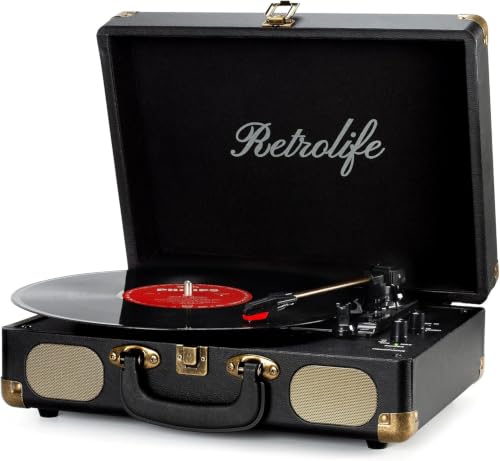
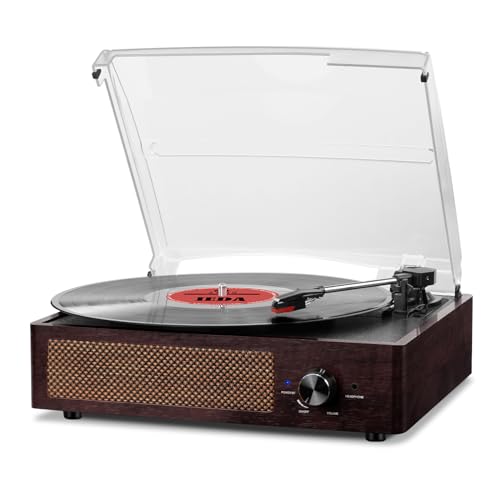
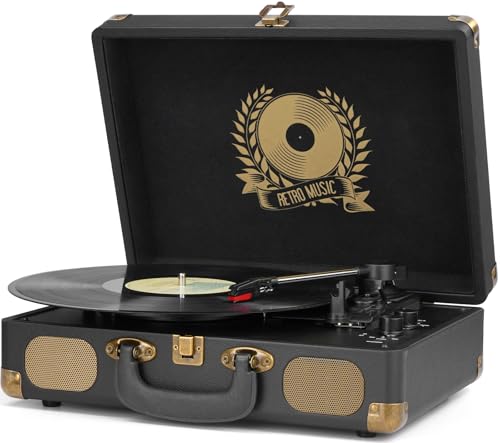
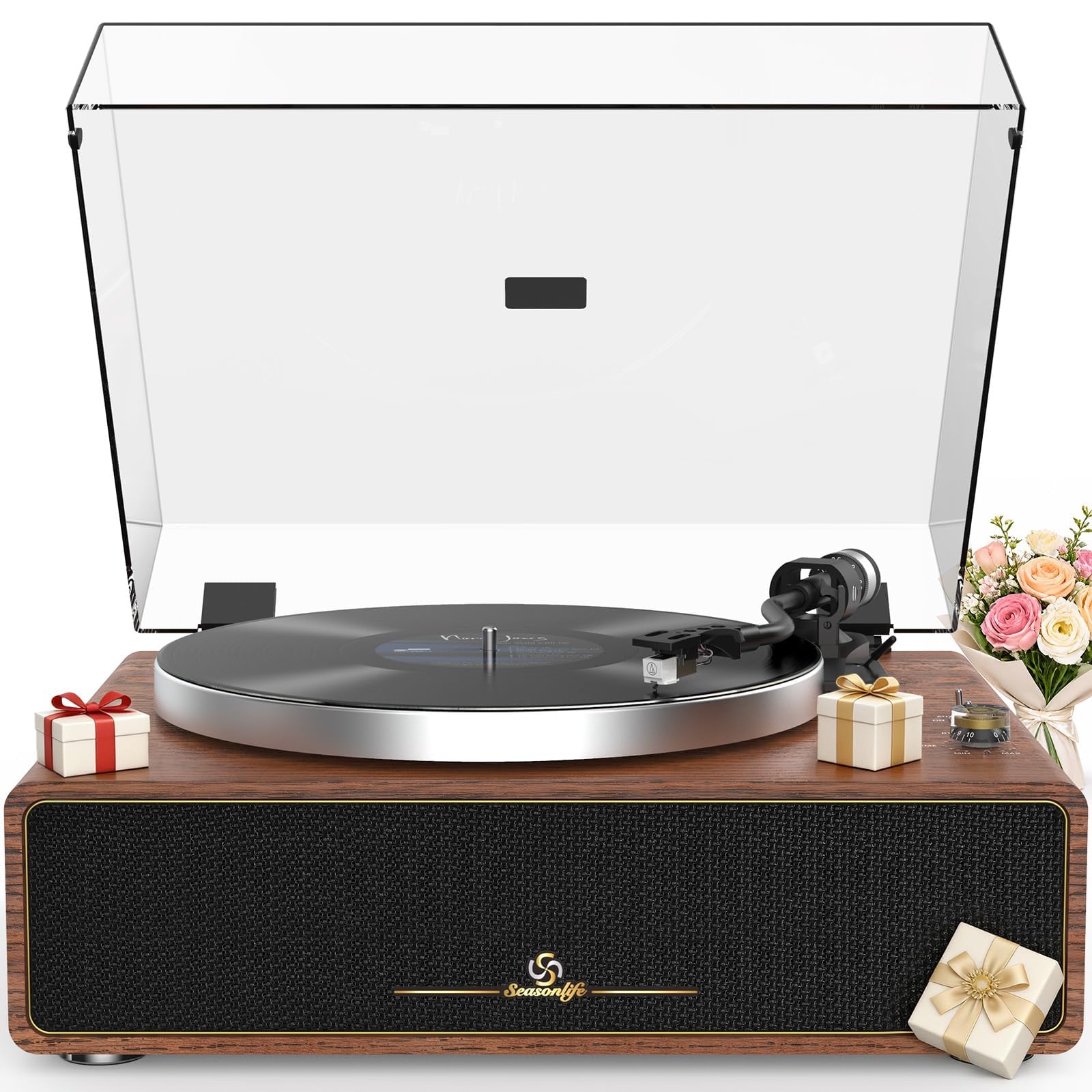
A record player with its own speakers is the simplest way to start listening to vinyl, because there is nothing to wire up and no separate stereo to buy. Spending can stay under $100 or climb to about $500 and beyond, though, and that gap buys very different sound. This guide to finding the best bluetooth record player with speakers explains where the money actually matters, so you can spend on parts you will hear. The comparison table below gathers the key specs side by side.
One warning before you shop: Bluetooth on these players can work in one direction or in both directions, and listings do not always make that obvious. Some models only receive a signal from your phone, while others also send your records out to wireless headphones or speakers. Sorting that out first prevents the most common buying mistake.




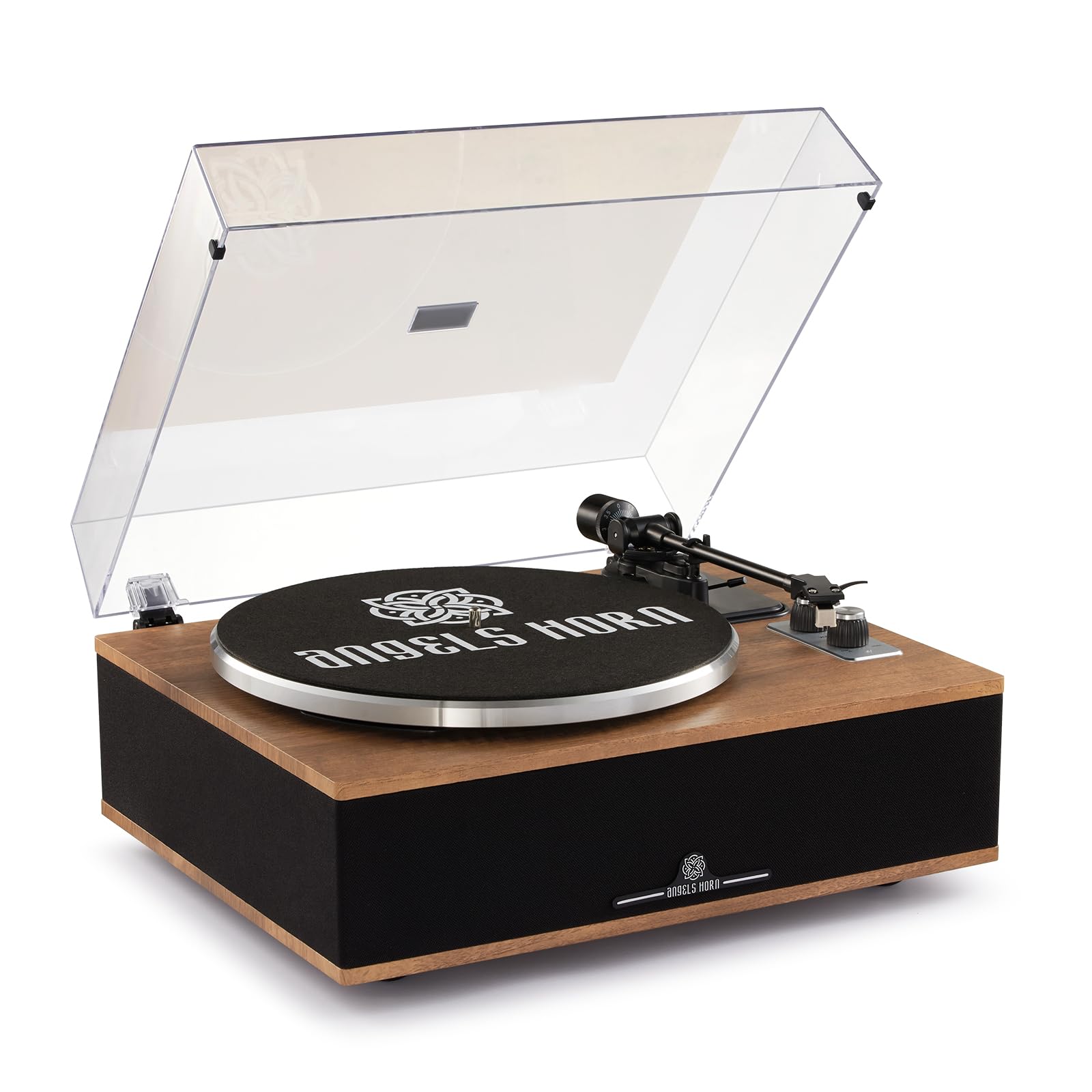
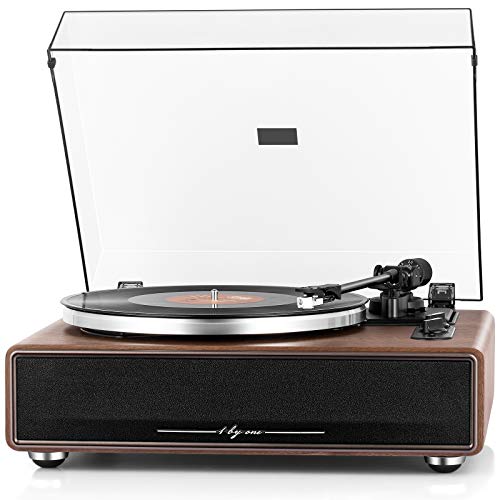
Three Decisions to Make Before You Compare Prices
Price tags make more sense once you know how you will actually listen. Settle these three questions first, and the product table above becomes much easier to read.
Decide Which Way Bluetooth Needs to Flow
Bluetooth input means the player acts as a speaker for your phone, so you can stream playlists through its built in speakers when you are not playing records. Bluetooth output means the turntable sends the record signal out to wireless headphones or an external wireless speaker, which is handy for late night listening. Many budget models offer input only, while output tends to appear as you move up in price. Decide which direction you need before ordering, because a player cannot gain the other direction later.
If output is your priority, the speaker receiving the signal matters as much as the player sending it. Our guide to the best bluetooth speakers for vinyl record player explains what to look for on the receiving end.
Decide How Much Work the Built In Speakers Must Do
Built in speakers share one cabinet with the turntable, so stereo separation is narrow and deep bass is limited by the small drivers. That setup suits a bedroom, desk, dorm room, or kitchen, where moderate volume fills the space comfortably. In a large living room, the same player can sound thin and strained when you push the volume higher. If your main room is big, either budget for a model with stronger speakers now or choose one with outputs so you can add speakers later.
Check the Speeds Your Collection Needs
Most records play at 33 RPM for albums and 45 RPM for singles, and nearly every player in this category covers both speeds. Older 78 RPM discs need a dedicated speed setting and, on many models, a different stylus, so confirm both points if you inherited a stack of shellac records. Also check that a 45 adapter is included or easy to find, since singles have the large center hole. Skipping this check can leave part of your collection unplayable on day one.
What Your Money Gets You at Each Price Tier
With those decisions made, the three broad tiers below show what your money usually buys on Amazon, and just as importantly, what it does not.
Budget Tier: What to Expect
Players at around $100 or less focus on convenience: built in speakers, Bluetooth input for phone streaming, simple controls, and a portable case style design on many models. Trade offs show up in the details, including basic ceramic cartridges on some models, fixed tracking force, lightweight platters, and speakers that sound best at modest volume. For a first record or a gift, that can honestly be enough. Just know the ceiling is low, and parts like the cartridge often cannot be upgraded.
Midrange Tier: Where the Sound Steps Up
Spending about $150 to $300 usually buys a moving magnet cartridge, a better stylus, a heavier platter, and larger drivers with a fuller frequency response. Many models here add Bluetooth output, RCA line outputs, and a proper hinged dust cover. This is the tier where records start to sound clearly better than a phone speaker, and where a real upgrade path appears. For most buyers building a small collection, this range offers the strongest balance of sound, features, and price.
Premium Tier: Better Parts You Can Actually Hear
Above about $300, you pay for refinement rather than new categories of features: adjustable counterweights, anti skate control, sturdier cabinets that resist vibration, and speakers tuned with more care. Some premium models approach the sound of a separate turntable and speaker setup while keeping the single box convenience. The gains are real but smaller per dollar, so this tier suits listeners who play records several times a week.
If you are weighing this route against separates, see our guide to the best record player and speakers for how the two approaches compare.
Features Worth Paying For (and Ones to Skip)
Feature lists on these players mix genuine upgrades with decoration. The points below separate the two, so you can judge any model in the product table above with confidence.
A Moving Magnet Cartridge With a Replaceable Stylus
The cartridge reads the groove, and its design sets the ceiling for both detail and record care. Moving magnet cartridges are the step up worth paying for, since they track with a balanced tone and their stylus can be swapped when it wears out. Very cheap ceramic cartridges cannot be upgraded, and they often use higher tracking force, which can wear records faster over time. If a listing hides the cartridge type entirely, treat that silence as your answer and keep looking.
RCA Outputs and a Built In Phono Preamp
A built in phono preamp means the player boosts the weak signal from the cartridge to line level on its own. RCA outputs then let you connect external amplification later, which turns a starter player into the front end of a growing system. Look for a switchable line and phono output if you think you may add an amplifier with its own phono stage someday. For the simplest wired upgrade, our guide to the best powered speakers for record player explains how powered models plug straight into these outputs.
Sound Quality and Tuning: Drivers, Cabinets, and Bass
Speaker quality in a single box design comes down to driver size, cabinet volume, and honest tuning. Larger drivers move more air and give vocals and bass lines more body, while a rigid cabinet keeps the music from sounding boxy at higher volume. Tone controls are worth more than flashy sound effects, because rooms differ and a small adjustment can fix a dull or harsh balance.
Features You Can Safely Skip
Some extras sound exciting in a listing and then go unused for years. Skip these unless you have a specific plan for them:
- Built in cassette decks and CD drives add moving parts that can fail, and they add nothing to how your records sound.
- Novelty lighting and novelty shaped cabinets usually signal money spent on looks instead of the cartridge and speakers.
- Multi room audio claims matter only if the rest of your home gear already uses the same wireless system.
Long Term Costs to Factor In
The purchase price is only the start. A stylus is a wear part and typically needs replacement after roughly 500 to 1000 hours of play, with the cost depending on the cartridge fitted. Belts on belt drive models stretch over the years and are inexpensive to swap. Budget as well for inner sleeves and a basic cleaning brush, since dusty records wear both the grooves and the stylus faster.
Warranty length and parts availability matter more than most buyers expect at this price. A brand that sells replacement styli and belts for its own models protects your purchase for years. Think ahead about upgrades too: a player with RCA outputs lets you add speakers later instead of replacing the whole unit. When that day comes, our guide to the best active speakers for record player covers options that connect directly.
Care and Maintenance for a Record Player With Speakers
Keep the dust cover closed when the player sits idle, because dust settling on records gets ground into the grooves by the stylus. Clean the stylus gently with a stylus brush, moving from back to front in one direction only. Wipe each record with a carbon fiber brush before you play it, to lift surface dust. Never touch the stylus tip with your fingers, since skin oil attracts grime and can harm the delicate diamond.
Placement matters as much as cleaning. Put the player on a level, sturdy surface away from foot traffic vibration. Keep some distance between the player and any external speakers at high volume, because vibration fed back into the tonearm can cause rumble or skipping. If playback starts to sound distorted on records that once sounded clean, check the stylus for wear or damage first, since that is the most common cause.
Your Questions About Bluetooth Record Players, Answered
Can a record player with speakers play music from a phone over Bluetooth?
Yes, a record player with Bluetooth input can play music streamed from your phone through its built in speakers. One point listings rarely mention is that only one phone can stay connected at a time, so a household may need to disconnect one device before another can pair. Newer versions such as Bluetooth 5.3 also tend to hold a steadier connection with fewer dropouts across a room.
Can you add external speakers to a record player that already has speakers built in?
Yes, you can add external speakers to any model that offers RCA line outputs or Bluetooth output. On many players the built in speakers keep playing alongside the external pair, while on others they mute once a cable connects, so check the manual for the behavior you prefer. Volume is then usually controlled at the external speaker rather than at the player.
Does Bluetooth change the sound quality of a record player with speakers?
Bluetooth does change the sound slightly, because the signal is compressed before it travels. The codec in use sets how much detail survives, with the standard SBC codec sounding a step below AAC on compatible phones. Through small built in speakers or budget wireless speakers, most listeners struggle to hear the difference during casual listening. For your favorite albums, a wired RCA connection keeps the full signal intact, so use the cable when you plan to sit down and really listen.
What size room suits a record player with built in speakers?
A record player with built in speakers suits small to medium rooms, roughly up to a typical bedroom or study in size. Placement inside the room matters more than most buyers expect: setting the player a short distance from a wall reinforces the bass and makes the sound feel fuller. A corner can push that effect too far and turn boomy, so start near a wall and pull the player forward in small steps.
Can a record player with built in speakers damage your records?
A record player with built in speakers will not damage records when its stylus is in good condition and tracking force sits in the recommended range. The real risk comes from a worn or bent stylus, which can drag through the groove instead of tracing it. Check the stylus under bright light every few months and replace it if the tip looks bent or playback turns fuzzy on loud passages.
Do record players with speakers need a separate amplifier?
No, record players with speakers do not need a separate amplifier, because amplification is built into the cabinet. That is exactly what separates this category from a bare turntable, which cannot drive speakers on its own. If you later add passive speakers rather than powered ones, those passive models will need an amplifier of their own, so plan the upgrade path before you buy them.
Final Thoughts
Start with Bluetooth direction, then judge the cartridge and the speakers, then pick the tier that matches how often you listen. The product table above pulls those details together for the models worth comparing. Choose the best bluetooth record player with speakers for your room and your records, and it will be the easiest listening setup you own. Prices and availability can change, so check the product page before ordering.


