
Best Active Speakers for Record Player 2026: A Buying Guide
Disclosure: We may earn a commission when you buy through links on this page, at no extra cost to you. As an Amazon Associate I earn from qualifying purchases. Learn more

Built in amps, phono inputs, room size and placement explained for choosing the best active speakers for record player listening.
Vinyl listening is at its best when the setup stays simple, and that is exactly why many listeners look for the best active speakers for record player use. Active speakers carry their own amplification, so you do not need a separate amplifier between your player and your ears. The product table gives a quick overview of the best active speakers for record player setups, while this guide explains what actually matters for sound, setup, and room fit.
A record player produces a quiet signal that needs care before it reaches a speaker. Some players include a built in preamp, while others need one in the chain. Knowing which kind you own shapes every other choice, from inputs to volume control. Take a few minutes to check your player first, and the rest of this guide will fall into place.

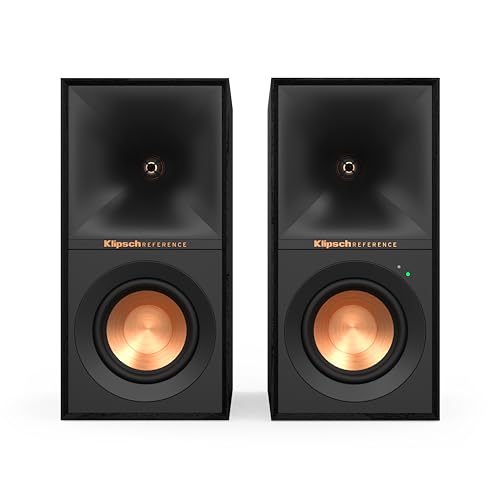

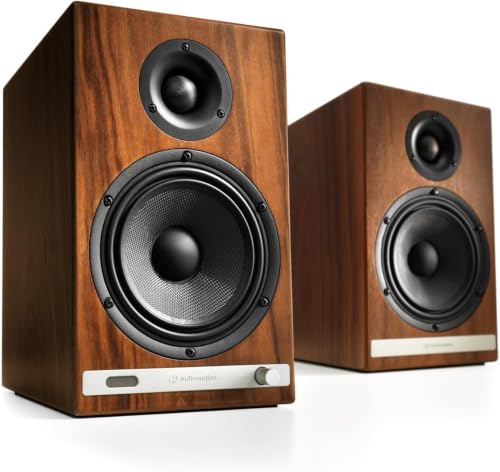


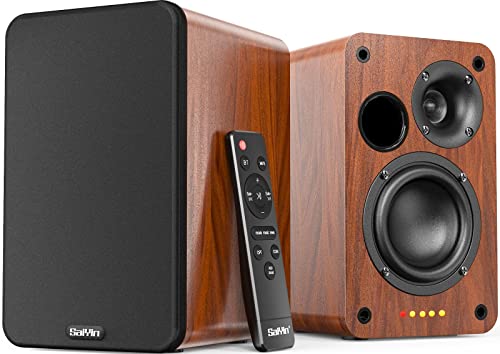


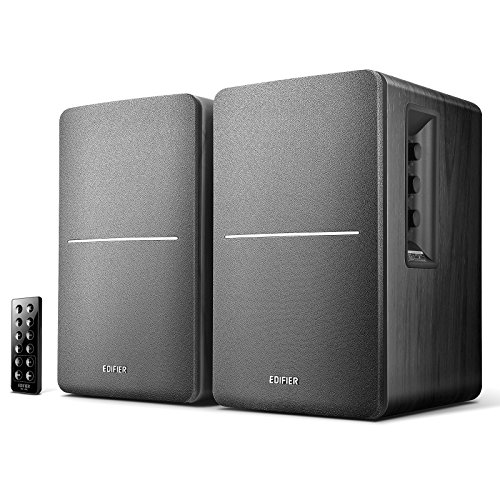
Who Should Buy Them
These speakers suit listeners who want a tidy vinyl setup with fewer boxes and cables. They work well in living rooms, bedrooms, and home offices where space is limited. They are also a good match for first time vinyl owners who do not want to learn amplifier matching yet. If you already own a separate amplifier you love, passive speakers may serve you better, since active models make that amplifier unnecessary.
Key Features to Compare
When you compare active speakers for vinyl, focus on the features that affect daily listening rather than headline numbers alone.
- Built in amplification. Each speaker has its own amplifier matched to its drivers, which keeps setup simple and avoids mismatched power.
- Phono input or line input. A phono input accepts a turntable signal directly, while a line input needs a player with a built in preamp or an external preamp.
- Driver size and bass response. Larger woofers usually reach lower notes, while smaller drivers suit near field listening at a desk.
- Connection options. Look for RCA inputs for vinyl, plus Bluetooth or optical inputs if you also stream music or watch television through the same speakers.
- Volume and tone controls. Front or remote controls make daily use pleasant, especially when the speakers sit on a shelf across the room.
Types of Active Speakers for a Record Player
Active speakers for record players come in a few broad shapes, and each one suits a different room and listening habit.
- Bookshelf pairs. Compact two speaker sets that sit on stands or shelves and suit small to medium rooms.
- Larger monitor style pairs. Bigger cabinets with deeper bass, better for living rooms and listeners who play records loudly.
- Single unit speakers. One cabinet with stereo sound inside, useful where space is very tight, though stereo separation is narrower.
- Speakers with a subwoofer output. A useful option if you want deeper bass later without replacing the main pair.
How to Choose the Right One
Start with your record player. If it has a built in preamp, any active speaker with a line input will work. If it does not, you need either a speaker with a phono input or a separate preamp in between. Next, think about room size. Small rooms reward compact speakers placed near a wall with care, while large rooms need bigger drivers to fill the space without strain.
Placement matters as much as price. Put the speakers at ear height when you sit, keep them away from corners if bass sounds boomy, and give the player a stable surface away from speaker vibration. Listen at the volume you normally use, since a speaker that sounds clear at low volume may behave differently when pushed. The product table can help you compare inputs and sizes side by side.
For related guides, see the best record player and speakers, the best powered speakers for record player, the best speakers for vinyl record player, the best bluetooth speakers for record player and the best bookshelf speakers for record player.
Budget and Long Term Value
Active speakers for vinyl range from about $100 to $500 for most home setups, with larger or higher end pairs going beyond that. Spending more usually buys cleaner bass, better cabinets, and more input choices rather than louder sound alone. A mid priced pair with the right inputs often beats a costly pair with the wrong ones. Set your budget after you confirm whether you also need a preamp, since that cost belongs in the total.
Everyday Use and Care
Keep records clean and store them upright, since dust on vinyl reaches your ears through any speaker. Dust speaker grilles gently and keep cables tidy behind the cabinet. Avoid placing drinks on top of speakers or players. If sound turns crackly, check the stylus and connections before assuming the speakers are at fault, because many vinyl problems start at the player end of the chain.
Mistakes to Avoid
- Buying speakers without checking whether your player needs a phono input or a preamp.
- Placing speakers in corners or inside closed cabinets where bass becomes muddy.
- Judging sound only at high volume instead of at normal listening levels.
- Spending the whole budget on speakers and leaving nothing for a preamp or stands.
Getting the Most From Your Choice
Once your speakers arrive, spend an evening getting placement right before judging sound quality, since position changes bass and clarity more than small price differences. Start with speakers on stands at ear height, roughly as far apart as your listening seat is from each speaker, and angled slightly inward. Move them a few inches at a time away from the wall if bass sounds heavy, and listen to a familiar record after each move. Small adjustments cost nothing and often transform a good pair into a great sounding setup.
Think about how vinyl fits your daily routine, not just weekend listening sessions. If records play while you cook or read, remote volume control and an accessible power switch matter more than exotic features. Keep your most played records near the player, store the rest upright and away from heat, and build a habit of cleaning each record before play. A simple routine protects your collection and keeps every session sounding its best.
Questions to Ask Before You Order
Before ordering, confirm your player output type, measure your shelf or stand space, and check that the speaker inputs match your other sources. Ask whether you need a phono stage, whether Bluetooth matters for streaming, and whether a subwoofer output could help later. These questions prevent the most common returns and ensure the pair you choose fits your room, your player, and your listening habits from the first record.
- Does my player have a built in preamp or do I need a phono input?
- Will the speakers fit my shelf or stands at ear height?
- Do I want Bluetooth or optical inputs for other sources?
- Is a subwoofer output useful for future bass upgrades?
Frequently Asked Questions
Do active speakers work with any record player?
Active speakers work with most record players, but the connection depends on your player. A player with a built in preamp connects to any line input. A player without one needs a phono input on the speaker or a separate preamp. Check your player manual or the switch on its back before ordering, and you will avoid the most common setup mistake.
Do I still need an amplifier?
No, active speakers include amplification inside the cabinet, so a separate amplifier is not needed. That is the main appeal of this category. You connect the player, directly or through a preamp, and control volume on the speakers or with a remote. This keeps the setup compact and removes amplifier matching from your decisions.
What size speaker suits a small room?
Compact bookshelf speakers usually suit small rooms well, especially when placed on stands at ear height. Larger drivers can overwhelm a small space and produce boomy bass. If your room is small, favor clarity and placement over size, and consider a subwoofer output for later rather than buying oversized speakers now.
Can I also use these speakers for streaming?
Yes, many active speakers include Bluetooth or an extra line or optical input for streaming devices and televisions. This makes them a flexible choice for a mixed use room. Check the input list before buying, since a vinyl only pair may lack the extra connections you want for other sources.
Why does my vinyl sound quiet or distorted?
Quiet sound often means a missing preamp stage, while distortion can come from a worn stylus, a dirty record, or a loose cable. Work through the chain step by step, starting at the player. Clean the record, check the stylus, confirm the preamp setting, and then test the speaker connections before replacing any part.
Final Thoughts
The best active speakers for record player setups are the ones that match your player, your room, and your listening habits. Confirm the input you need, choose a size that fits your space, and place the pair with care. Done well, a simple two speaker vinyl setup can sound warm, clear, and satisfying for years.


