
Best Bluetooth Headsets for Music: Budget, Midrange, and Premium Picks for 2026
Disclosure: We may earn a commission when you buy through links on this page, at no extra cost to you. As an Amazon Associate I earn from qualifying purchases. Learn more

Match the best bluetooth headsets for music to your budget with clear guidance on sound, comfort, battery life, codecs, and features worth paying for.
Prices for wireless headsets stretch from pocket change to a serious splurge, and the box copy rarely tells you where the extra money actually goes. Choosing the best bluetooth headsets for music starts with your budget, then with how you listen each day. This guide breaks down what each price tier usually includes, which features change what you hear, and which extras you can skip without regret.
Use the comparison table below to line up prices, battery figures, and headline features side by side. Then read on for the detail behind those numbers.


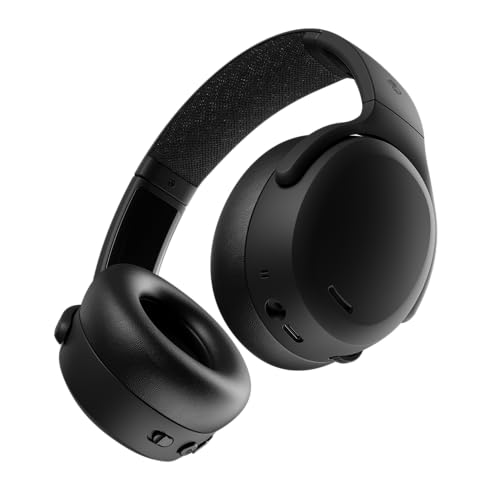

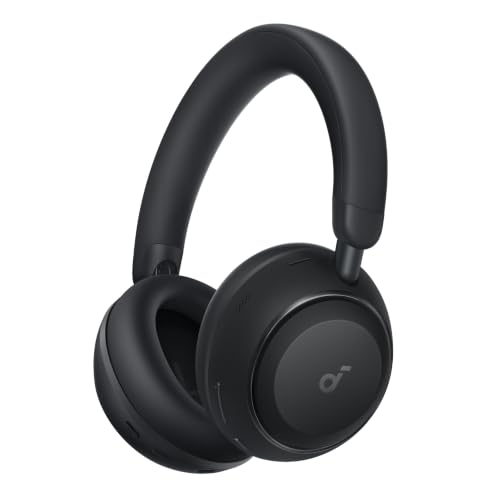

Matching a Headset to Your Budget and Listening Style
Price alone does not tell you which of the best bluetooth headsets for music fits your routine, because two listeners can value opposite things. One person wants long battery life for a work week of focus, while another wants strong bass for workouts and travel. Start from the group below that sounds most like you, then check the tier guidance that follows.
Everyday Listeners Who Want Simple Value
You play playlists, podcasts, and radio through the day and you want clear voices, pleasant bass, and controls that never confuse you. A budget or lower midrange headset usually covers this well, as long as the fit suits your head and the battery lasts several days between charges. Skip paying for advanced codecs or studio style tuning here, and focus instead on cushion comfort and simple pairing.
Focused Listeners Who Want Richer Sound
You notice the difference between a flat recording and a lively one, and you often listen to full albums in one sitting. Midrange and premium tiers reward you with fuller bass control, cleaner highs, and app based equalizers that let you shape the sound to each genre. A headset that stays cool and light over two or three hours is worth more than a flashy case.
Travelers and Commuters Who Want Quiet
You listen on trains, buses, and planes, where engine hum and crowd noise fight against every quiet passage. Active noise cancellation, usually shortened to ANC, earns its cost for you because it lowers steady background sound before your music even starts. Look also for a foldable shape and a protective case. Battery life with ANC switched on is the figure that matters for you, not the longer figure quoted with ANC off.
What Your Money Gets You at Each Price Tier
The product table above shows how wide the price spread runs, so it helps to know the typical tradeoffs hiding behind each band. Tiers overlap at the edges, and a sale can move a model down a band, but the pattern below holds across most of the US market.
Budget Tier: What to Expect
Budget headsets usually cost under $100 and cover the basics with surprising confidence. Expect Bluetooth 5.3 pairing that connects quickly, battery life around 30 to 50 hours, and a sound profile that leans warm and bass forward. What you give up is refinement: highs can sound a little dull, the app may be basic or absent, and ANC at this level is rare or weak.
Midrange Tier: Strong Value for Most Buyers
Midrange headsets, typically around $150, are where most listeners get the best balance of sound, comfort, and features. Drivers are usually better tuned, so vocals sit clearer and instruments separate instead of blending into one wash. You also start seeing useful extras such as multipoint pairing, wear detection, and equalizer apps with saved presets. Build quality improves as well, with softer cushions and hinges that feel less fragile.
Premium Tier: When Spending More Pays Off
Premium headsets, at around $250 and above, spend their budget on polish rather than basics. ANC grows stronger and smarter, adapting as your surroundings change, and microphones handle wind and crowd noise far better. Sound gains fine detail, with wider staging and cleaner low end control that suits jazz, classical, and acoustic recordings. If sound quality is your top priority, read our guide to the best quality bluetooth headsets to see how flagship tuning differs from the tiers below it.
Features Worth Paying For and Features You Can Skip
Feature lists grow longer every season, but only a handful of items change what you hear or how the headset feels after an hour. The sections below sort the signal from the noise.
Sound Quality and Tuning
Drivers turn the signal into sound, and their size and tuning shape everything you hear. Larger drivers, often around 40 mm in over ear designs, can move more air for deeper bass, but tuning matters more than size alone. Frequency response describes the range of pitches a headset can reproduce, from low bass rumble to high cymbal shimmer. A neutral tuning suits acoustic and vocal music, while a bass lifted tuning flatters pop and hip hop, so match the tuning to your library.
Codecs and Wireless Performance for Music
A codec is the format your phone uses to send audio over Bluetooth, and it sets a ceiling on detail. The standard SBC codec works everywhere, AAC suits Apple devices well, and LDAC or aptX can carry more data from Android phones that support them. Your phone and headset must share a codec for you to hear any benefit, so check both spec sheets before paying extra for a high end option. Bluetooth 5.3 also holds a steadier link than older versions when you move between rooms.
Comfort, Fit, and Weight
A headset you cannot stand to wear cannot sound good for long, so fit deserves the same attention as sound. Clamping force decides how firmly the ear cups press, and too much pressure causes jaw and temple soreness within an hour. Deep cushions with soft foam spread that pressure and seal better, which also helps bass and passive noise blocking. If you wear glasses, look for cushions that give a little around the arms of the frames.
App Controls, Multipoint, and Everyday Extras
Companion apps earn their place when they offer a real equalizer, firmware updates, and control remapping you will actually use. Multipoint pairing connects two devices at once, so you can watch a video on a laptop and still answer a call from your phone without digging through settings. That said, if calls are your main job for a headset, our guide to the best bluetooth headsets for calls covers microphone choices in more depth. Gamers who split time between play and playlists should also check latency modes, since a small delay that music hides becomes obvious in video and games, and our guide to the best gaming headsets for music explains that tradeoff well.
Checking Compatibility and Setup Before You Commit
Most pairing problems come from small mismatches that a two minute check can prevent. Confirm that your phone, tablet, or computer supports the Bluetooth version and codecs the headset advertises. Check whether the headset can also play through a cable, because wired models and wired backup modes rescue you on flights and when the battery dies mid trip. If you want one headset for both a console and your phone, see our guide to the best bluetooth gaming headsets for platform notes before you order.
Setup itself is simple once the basics are right. Charge the headset fully, place it in pairing mode, and select it from the Bluetooth menu on your main device first. Add a second device only after the first link is stable, so multipoint learns the order you prefer. Then open the companion app, update the firmware if it offers one, and set the equalizer flat for your first listen.
Common Mistakes to Avoid
- Buying on driver size alone, because a large driver with poor tuning sounds muddier than a smaller driver tuned with care.
- Paying for a premium codec your phone cannot send, because the headset then falls back to a basic format and the extra cost buys nothing.
- Trusting the headline battery figure without checking whether it was measured with ANC on, because real listening time can drop by a third.
- Choosing the tightest fit for the gym, because sweat and movement make a secure clamp heat up fast and slide once cushions get damp.
- Ignoring return windows on a first over ear purchase, because head shape and glasses make fit personal in ways spec sheets cannot predict.
- Storing a headset loose in a bag every day, because keys and zippers scuff cups and stress hinges until something cracks.
How to Make Your Bluetooth Headset Last Longer
Batteries age fastest when they sit empty or sit full for weeks, so try to store your headset with a partial charge when you will not use it for a while. Keep it in its case or on a stand, away from radiators and sunny windows, because heat speeds up battery wear and softens cushion foam. Wipe the cushions with a slightly damp cloth after sweaty sessions and let them dry fully before closing the case, which prevents odor and cracking.
Inspect the ear cushions and headband padding every few months, since worn foam changes the seal and quietly weakens bass long before anything breaks. Many brands sell replacement cushions, and swapping them restores comfort for a small cost compared with a new headset. Update firmware through the app when a release mentions battery or pairing fixes. Treated this way, a midrange or premium headset should serve daily listening for several years.
Frequently Asked Questions
What features matter most in a Bluetooth headset for music?
Tuning, fit, and codec support matter most in a Bluetooth headset for music. Start with a sound profile that suits your genres, then confirm the cushions stay comfortable for your longest typical session. After that, check that your phone shares a codec with the headset so you are not capped by the basic format. One extra worth adding is a quick charge feature, since ten minutes plugged in can rescue a forgotten charge before a commute.
How long does the battery last on a Bluetooth headset for music?
Most Bluetooth headsets for music play for about 30 to 60 hours per charge with ANC off, and less with ANC on. Smaller on ear designs sit at the lower end, while large over ear designs reach the top figures. Your volume level shifts the result more than most people expect, because loud listening drains the battery noticeably faster.
Does a wired connection sound better than Bluetooth on a music headset?
A wired connection can sound slightly cleaner than Bluetooth on the same music headset, because no compression step sits between the file and the drivers. The gap is small with a good codec and a well mastered recording, and most listeners in a busy room cannot hear it at all. Wired playback still earns its place on flights and in studios, and it keeps working when the battery is empty. Think of it as a useful backup rather than a daily obligation.
What IP rating does a Bluetooth headset need for outdoor use?
Most full size Bluetooth headsets carry no IP rating at all, so outdoor and rugged models built for workouts deserve a closer look if rain and sweat are routine for you. An IP67 rating means a device is dust tight and can handle immersion in shallow water for a short time. For a headset, splash resistance and sweat resistant cushions are the practical features to seek. Dry any headset fully after a wet session before charging it.
Can one Bluetooth headset work well for both music and gaming?
Yes, one Bluetooth headset can cover both music and gaming if it offers a low latency mode or a wired option for play. Music forgives the small delay in a standard Bluetooth link, but fast games and video expose it as lips and sound drift apart. A detachable or strong built in microphone also helps if you use voice chat. If gaming is half your listening life, weigh those points as heavily as tuning before you buy.
Final Thoughts
Start with your tier, then narrow by tuning, fit, and codec support, and you will land on a headset that suits your library and your routine. The product table above pulls the key figures together so you can compare your shortlist at a glance. For most daily listeners, the best bluetooth headsets for music are simply the ones priced in the midrange, tuned to their taste, and comfortable enough to forget they are wearing. If you want to compare headsets beyond the Bluetooth only field, see our guide to the best headsets for music for the wider picture.


