
Best Bluetooth Headsets under 1000 in 2026: Budget, Midrange, and Premium Tiers
Disclosure: We may earn a commission when you buy through links on this page, at no extra cost to you. As an Amazon Associate I earn from qualifying purchases. Learn more

Compare Bluetooth headsets under $1000 by price tier, battery life, comfort and sound, with a simple checklist for calls, travel, music and outdoor use.
A budget of $1000 sounds generous until you see how wide this market runs, from call headsets at around $30 to premium models near the full amount. The best bluetooth headsets under 1000 are not the models with the longest feature list. They are the ones that spend your money on sound, comfort and call quality. Use the comparison table below to match each tier to your routine.
This guide skips named product reviews and focuses on decisions instead. You will learn what each tier adds, which upgrades change daily use, and which extras you can skip. Start with how you work, travel and listen, because one headset rarely serves a call heavy job and a music first listener well.
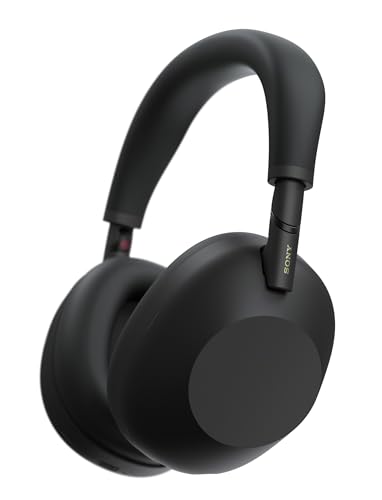
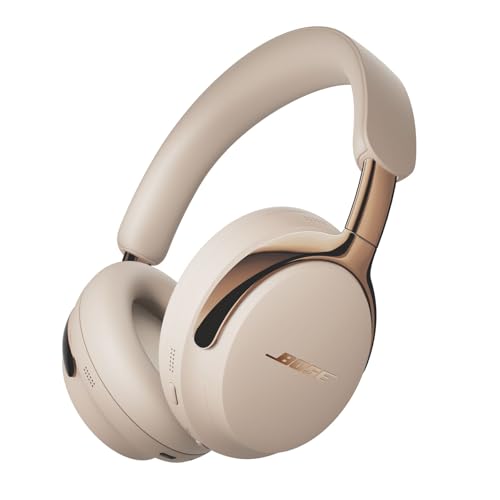

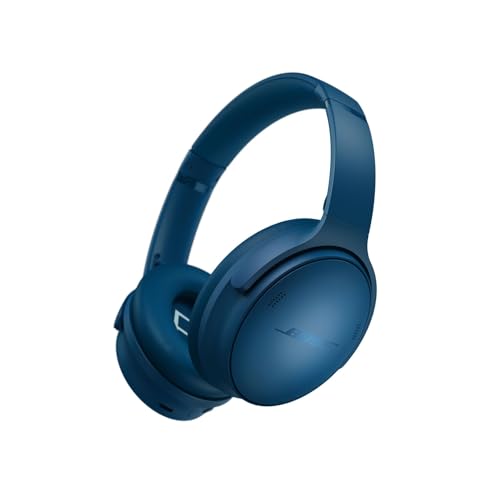


Who Should Buy a Bluetooth Headset Under $1000?
Your main use should set your tier before brand or style does. A headset that shines on calls may sound plain for music, while a music focused model may carry a weak microphone.
Remote Workers Who Spend Hours on Calls Each Day
You need a clear microphone first, because callers judge your voice more than your music. Look for a boom arm or voice pickup, multipoint for a laptop and phone at once, and ear pads for long meetings. If call clarity matters more than tuning, see our guide to the best headsets with mic under 1000.
Commuters and Frequent Travelers Who Need Quiet
You need strong active noise cancelling, a fold flat shape and a hard case, because trains and cabins punish bulky gear. Battery life above 30 hours covers a full week of commuting. A transparency mode helps you hear platform calls without removing the headset. For wet platforms, check the water resistance rating first.
Music First Listeners Who Also Take Calls
You need tuning you enjoy, driver control at high volume and a codec your phone supports well. Over ear cups usually give you the fullest bass and most space around your ears. Check that the microphone still sounds clear in a quiet room. You can often stop at midrange prices and keep the savings for music.
What Each Price Band Under $1000 Actually Adds
Prices inside this cap fall into three bands, and each band buys a different daily experience. That spread is why the best bluetooth headsets under 1000 cannot be ranked by price alone. If you do not need wireless at all, see our guide to the best headsets under 1000 to compare wired and wireless choices.
Budget Tier: Clear Calls and Basics That Work
Expect prices of about $30 to $100, simple controls, basic microphones and battery life of about 15 to 30 hours. Sound stays clear for calls and casual listening, though bass control and noise cancelling stay limited. This tier suits a spare headset or a light call load. If your ceiling sits far lower, see our guide to the best bluetooth headsets under 50.
Midrange Tier: Multipoint and Noise Cancelling Arrive
Expect prices of about $100 to $300, battery life of about 30 to 50 hours and active noise cancelling that cuts train and office hum. Multipoint pairing, better ear pads and stronger microphones appear here, and tuning grows fuller and more controlled. Most buyers should shop in this band first, because each extra dollar still buys a change you can feel.
Premium Tier: Refined Sound, Materials and Comfort Near the Cap
Expect prices of about $300 to $1000, battery life of about 40 to 60 hours and the strongest microphones, codecs and build quality inside this cap. Plush pads, metal frames and detailed tuning reward long listening. Gains grow smaller as price climbs, so buy this tier for comfort and refinement you will use daily, not for a spec sheet alone.
Key Features to Compare
Compare the five factors below in this order, and let your main use decide which one ranks first.
Battery Life and Charging Speed
Battery ratings in this range run from about 15 to 60 hours, and active noise cancelling can cut the real figure by a third or more. A fast charge that adds several hours from a short plug in matters more than a huge total. USB C charging is now common and lets you share a cable with your phone. Judge ratings with noise cancelling on, since that is how most owners listen.
Comfort, Fit and Weight for Long Sessions
Weight, clamp force and pad depth decide whether a headset feels fine at hour four. Over ear cups spread pressure around your ears, while on ear cups feel lighter but press on the ear itself. Deep, soft pads help if you wear glasses, because thin pads push frames into your temples. Judge fit by a full work session, not a quick store test, since slow pressure builds over time.
Sound Quality, Drivers and Frequency Response
Most over ear models use drivers of about 32 to 50 mm, but size alone does not promise better sound. Tuning matters more, so decide whether you want strong bass for pop and film or a flatter balance for voice and acoustic music. A stated frequency response of about 20 Hz to 20,000 Hz covers normal hearing, and wider claims add little. Clear mids help calls and podcasts most, because voices live in that range.
Active Noise Cancelling and Microphone Clarity
Active noise cancelling uses microphones to sense steady outside sound and reduce it. It works best on engine hum, fans and train noise, and less well on nearby speech. Your outgoing voice needs a separate, clear pickup, ideally with wind handling for outdoor calls. A headset can feel quiet to you yet sound poor to callers, so weigh both directions before paying for quiet alone.
Bluetooth Codecs and Multipoint Pairing
Every model supports the basic SBC codec, while AAC suits Apple phones and aptX or LDAC can carry more detail from many Android phones. Codec gains stay subtle unless your music files and apps supply high quality audio. Multipoint lets one headset stay paired to two devices, so a laptop video and a phone call can share it without re pairing. Range usually covers a room or more in open space, and walls shorten it fast.
Common Mistakes to Avoid
Each mistake below costs comfort, clarity or money that a quick check would have saved.
- Paying near the cap for codec support your phone cannot use leaves you with detail you never hear.
- Judging fit in a two minute store try on leads to sore ears during your first full workday.
- Trusting a battery rating measured with noise cancelling off leads to charging sooner than you planned.
- Assuming every Bluetooth headset resists rain leads to damaged drivers after one wet commute.
- Spending the whole budget on the headset alone leaves nothing for pads, a case or a spare cable.
- Choosing the strongest noise cancelling for a quiet home office leads to paying for quiet you never needed.
Long Term Costs and Care for a Bluetooth Headset
Plan beyond the purchase price. Ear pads often need replacing after one to two years of daily use and usually cost about $15 to $40, while a hard case or spare cable adds a smaller cost. Batteries lose capacity with age and most headsets do not offer user replacement, so a longer warranty has value on premium models.
Wipe ear pads with a slightly damp cloth after workouts and let them dry fully before you close the case, because trapped moisture cracks pad surfaces and breeds odor. Keep the headset out of hot cars, brush dust from microphone openings with a brush, and store it in its case. Use it now and then in storage, since a battery left empty for months can lose capacity.
Frequently Asked Questions
Can you get a good Bluetooth headset for under $1000?
Yes, a good Bluetooth headset for under $1000 is easy to find, because strong options exist in every tier inside the cap. Spend first on fit and microphone clarity, since those shape daily use more than exotic codecs. Use any return window to wear the headset for a full day at home. That trial reveals pressure points that spec sheets never show.
What IP rating does a Bluetooth headset need for outdoor use?
For outdoor use, a Bluetooth headset should carry at least an IPX4 rating, which covers splashes and light rain. A full IP code rates dust with the first digit and water with the second, and IP67 means a dust tight build plus brief immersion in fresh water. Ratings are tested on a new product, so salt water and hard drops can still cause damage.
How long does the battery last on a Bluetooth headset under $1000?
The battery on a Bluetooth headset under $1000 lasts about 15 to 60 hours per charge, depending on tier. Real runtime falls at high volume, during long calls and in cold weather. Maker ratings usually assume moderate volume, so expect less on a loud travel day.
Does wired listening sound better than wireless on a Bluetooth headset?
Wired listening can sound slightly better than wireless on a Bluetooth headset, mainly because it removes codec compression and pairing delay. The gap stays small, and most listeners cannot hear it outside a quiet room. Wired mode also helps for video and games, where a small delay can pull voices away from lip movement. Many models keep playing by cable when the battery runs empty.
Is active noise cancelling worth the extra cost on a Bluetooth headset?
Active noise cancelling is worth the cost on a Bluetooth headset if you ride trains, fly often or work near steady machine noise. It changes steady low sounds far more than voices, door slams or keyboard clatter, so a quiet home may gain little. Some listeners feel a mild pressure sensation with strong cancelling on. If that feeling bothers you, choose a model with adjustable cancelling levels.
The Bottom Line
Start with your main use, set your tier, then compare fit, battery and microphone clarity inside that band. Most buyers are happiest in the midrange, while call heavy workers and frequent flyers gain most from premium comfort and quiet. Check the product table above once more with those priorities in hand. Chosen that way, the best bluetooth headsets under 1000 become a short, confident list rather than a confusing price ladder.


