
Best Bluetooth Headsets for Driving in 2026: Which One Fits the Way You Use It?
Disclosure: We may earn a commission when you buy through links on this page, at no extra cost to you. As an Amazon Associate I earn from qualifying purchases. Learn more

Compare the best bluetooth headsets for driving by routine: single ear fit, boom microphone clarity, battery life and controls that work without looking.
There is no single headset that suits every driver, because a long haul trucker, a delivery driver and a parent on the school run ask very different things of the same small device. The best bluetooth headsets for driving share a few traits, though: one ear stays open to the road, the microphone stays clear in a noisy cab, and the controls work without a glance down. This guide groups drivers by routine first, then compares the features that matter on the move. Compare the main styles side by side in the comparison table below, and see our guide to the best headsets for driving for a wider look at the category.
One point comes before every feature: no headset makes driving itself safe. A call still takes attention away from the road, so the honest goal is to keep that cost small, keep both hands on the wheel, and keep calls short. If a conversation needs real thought, the safest move is still to pull over and stop.


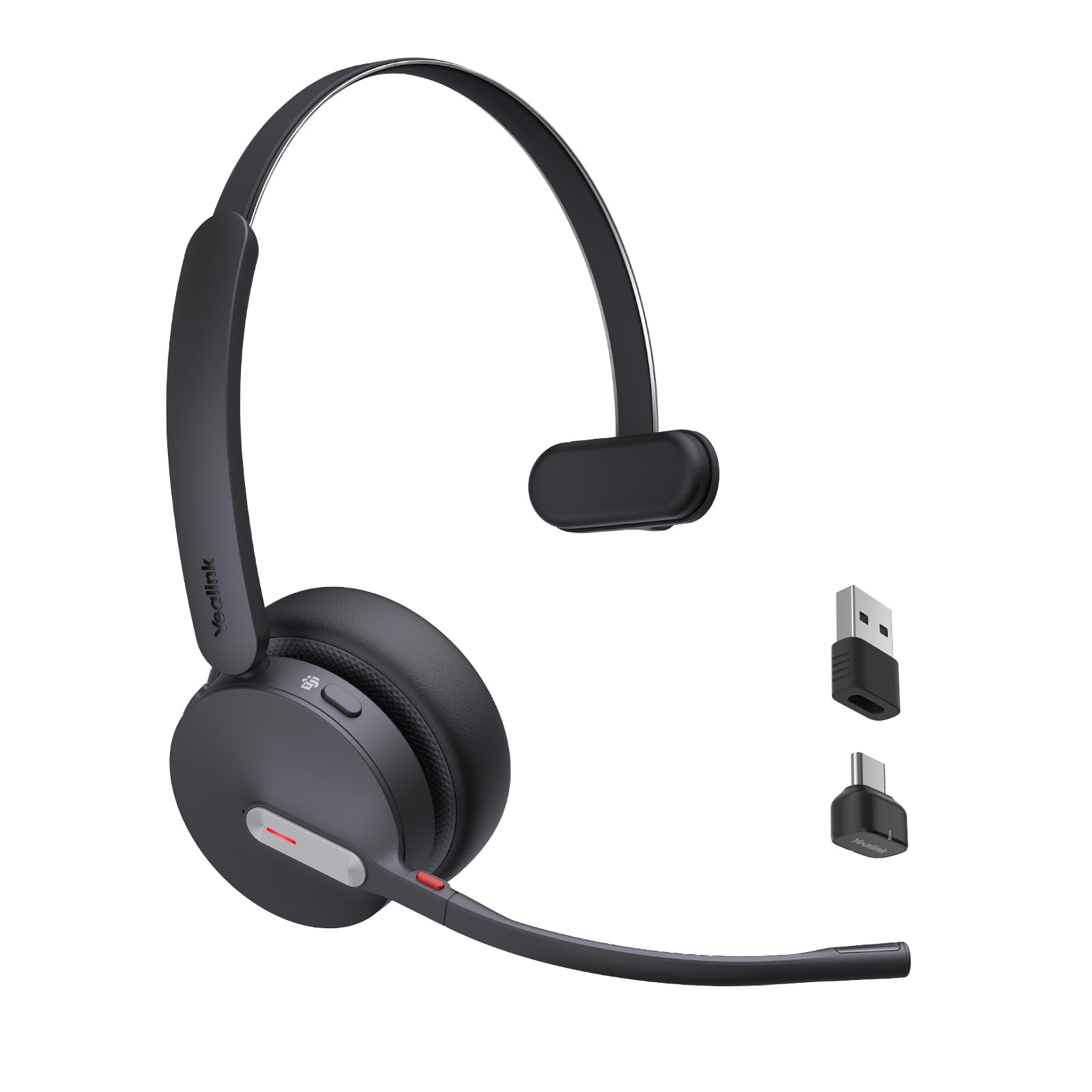

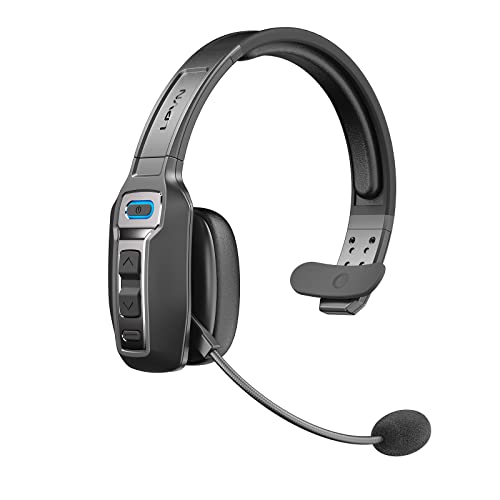
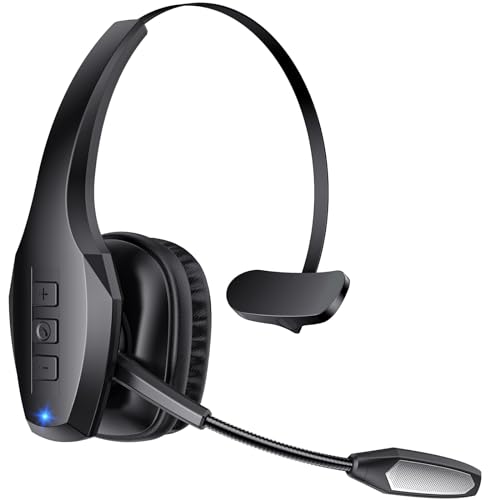
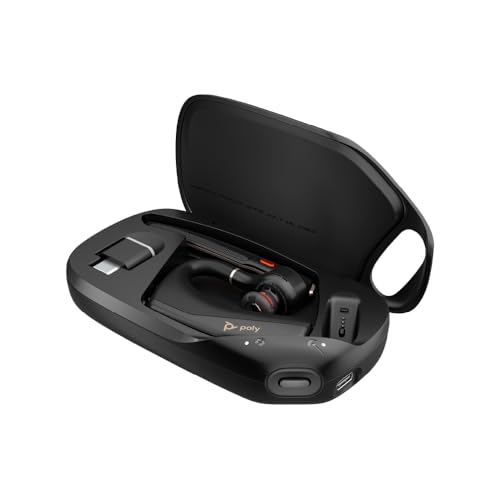
Who Should Buy Which Bluetooth Headsets?
Start from your routine, not from a spec sheet. Each group below names the routine first and the headset style second, because the best bluetooth headsets for driving for a trucker look nothing like the pair a commuter needs.
Long Haul Truckers and Delivery Drivers
Your cab is your office for eight to twelve hours at a stretch, so talk time and comfort decide everything. Look for a single ear design with a long boom microphone, talk time of about 20 to 40 hours per charge, and a fit that stays put over rough pavement. A charging cradle or case by the bunk keeps the headset ready at the start of every shift.
Sales Reps and Field Workers on the Road
You split the day between the car, client sites and short walks, so the headset has to move with you. A light ear hook style with multipoint pairing lets one headset serve your phone and your laptop, and quick charging matters more than a huge battery. Callers will judge you on voice clarity, so microphone quality outranks music features for this routine. Drivers in this group often compare notes with our guide to the best bluetooth headsets for calls before they buy.
Occasional Callers and Daily Commuters
If you take one or two calls on a commute and spend the rest of the drive on radio or podcasts, a simple single ear headset at a low price covers the need. Voice prompts that announce the caller by name let you decide whether to answer without touching the phone. Battery demands are modest here, so a compact case and easy pairing matter more than raw talk time.
Drivers Who Want Music Between Calls
A dual ear headset gives you stereo music and podcasts at rest stops, and it suits drivers who park often during the day. On the move it blocks more road sound, so many drivers keep it for parked time only and run a single ear model while rolling. The same dual ear styles overlap with best bluetooth gaming headsets, which you may already own for the desk at home.
Key Features to Compare
Single Ear Designs Keep the Other Ear on the Road
A single ear design is the standard choice for driving, and the reason is simple: the uncovered ear keeps outside sound open, so you still hear traffic, sirens and the vehicle itself. A dual ear headset seals in sound and shuts the road out, which is why it belongs to parked breaks rather than moving traffic. Choose single ear for the road, and treat any stereo model as a rest stop extra.
Microphone Quality and Wind Noise
Callers hear your cab as much as your voice, so the microphone matters more than the speaker. A boom microphone that sits close to the mouth, paired with noise reduction inside the headset, governs call clarity far more than volume does. Wind rush through a cracked window and tire roar on coarse roads are the two sounds that defeat small microphones, so a boom design beats a tiny bud microphone for regular callers. Riders fight the same wind at higher speed, and the designs in our guide to the best motorcycle bluetooth headsets show how far a good boom can go.
Battery Life That Matches Your Shift
Talk time is the figure to compare, and it should cover your longest day with room to spare. Light commuter models offer about 6 to 10 hours, while trucker styles reach about 20 to 40 hours per charge. Standby time matters less, since a headset that sleeps in a case sips power either way. A quick charge feature that adds a few hours from a short plug in is worth more than a giant battery you never drain.
Fit, Weight and Controls You Can Use Blind
A driving headset gets adjusted with one hand and answered with one press, so the controls have to work by feel. Look for one large call button, a volume rocker you can find without looking, and voice commands for dialing by name. Fit choices split between an ear hook that loops over the ear and a soft gel that sits inside it, and either can work for a full shift. Swap sides now and then, because one ear carrying a device all day grows sore even at light weight.
Sound for Music and Podcasts
Music plays second fiddle in a driving headset, since most road time listening is speech: calls, directions and spoken shows. A single ear model plays those in one ear only, which sounds plain but keeps the road audible. If rich stereo sound matters to you at stops, judge that as a separate want and compare our guide to the best quality bluetooth headsets for the wider quality picture. Call clarity on the road should still win the final vote.
The Law, and the Attention a Call Still Costs
Hands free laws vary by state and by country, and they can differ for new drivers and for commercial drivers, so read the local rule where you drive rather than assuming a headset makes any call legal. Some employers ban calls outright for their drivers, whatever the law allows.
Even where a headset is permitted, a call still costs attention: a hard conversation slows your reactions whether the phone sits in your hand or not. Keep calls short, let voice control do the dialing, and pull over for anything complicated. A headset is a tool for brief and necessary calls, never a license to chat through a whole journey.
Common Mistakes to Avoid
- Buying a dual ear stereo headset as your only driving headset, then driving with both ears sealed away from road sound.
- Choosing by music sound alone and ignoring the microphone, which is the part your callers actually judge.
- Assuming a headset makes phone use legal everywhere, without checking the rules where you drive.
- Picking the smallest ear bud for long shifts, then fighting ear ache and a fit that works loose over bumps.
- Leaving the charger at home, so the headset sits flat and useless on the longest driving day of the month.
Care and Maintenance Tips
Wipe the ear gel and the boom tip every week or so, since skin oil and cab dust dull both comfort and sound. Store the headset in its case rather than loose on the dashboard, because cab heat ages the battery faster than normal use does. Update the firmware through the maker app when a call quality fix appears. Top up the charge at the end of a shift so the headset starts each day full and ready.
Your Questions Answered
Are bluetooth headsets legal to use while driving?
A headset is the legal way to take a call in most places, but the detail varies more than drivers expect. Some states restrict headset use for new drivers, and some commercial driving roles carry stricter rules than private cars do. Employer policy can ban calls completely even where the law allows them. Check the rule for your state, your license class and your job before you rely on a headset at work.
Can one headset pair with two phones at the same time?
Yes, a feature called multipoint lets one headset stay paired with two phones, such as a work phone and a personal phone. The headset rings for whichever phone receives the call, and it handles one call at a time. Music or a podcast pauses while you talk and resumes after you hang up. Pair the phone you answer most first, because some models give that connection priority.
How do I wear a driving headset comfortably with glasses?
Glasses arms and ear hooks compete for the same space, so fit decides which style suits you. An ear hook worn over the glasses arm works for many drivers, while a soft gel bud avoids the arm completely. Sunglasses with thick arms cause the most trouble on long drives. If one style aches after an hour, switch the headset to the other ear or change to the fit style you left in the box.
How often should I charge a bluetooth driving headset?
Short top ups suit the lithium cells in these headsets better than deep drains do. Charging a little at the end of each shift keeps the battery in its comfortable middle range and avoids a flat start. If you store a headset for a few weeks, leave it about half charged rather than full or empty. A model with a charging case spreads this out further, since the case refills the headset between uses.
Will a bluetooth headset work in a convertible or an open cab?
It works, but wind sets the limit on how well callers can hear you. A boom microphone close to the mouth copes around town, yet open air at highway speed floods every small microphone with rushing noise. Closing a window on the headset side helps more than turning the volume up. For long open air drives, keep calls brief and expect to repeat yourself, or wait for a stop.
Final Thoughts
Match the headset to your routine first: single ear for the road, a strong boom microphone for noisy cabs, and battery life that covers your longest shift. Keep calls brief, follow the rules where you drive, and let the best bluetooth headsets for driving do the small job they are built for. Look back at the product table above to compare the styles that fit your routine before you order.


