
Best Bluetooth Headset for Smartphones in 2026: Which One Fits the Way You Use It?
Disclosure: We may earn a commission when you buy through links on this page, at no extra cost to you. As an Amazon Associate I earn from qualifying purchases. Learn more

Compare the best Bluetooth headset for a smartphone by call clarity, battery life, multipoint pairing, fit and noise control for your daily routine.
There is no single design that suits every phone user, because a headset that shines on a train may annoy you at a desk. Finding the best bluetooth headset for smartphones starts with your day: calls, music, travel, study or play. Use the comparison table below to match form, battery and controls to that routine.
Think about where your phone goes with you. A commuter needs strong noise control and a secure fit, while a remote worker needs a clear voice and a link to a laptop as well. The sections that follow sort those needs before price enters the picture.


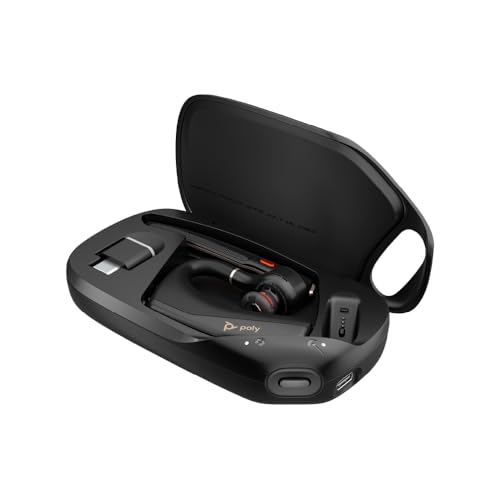

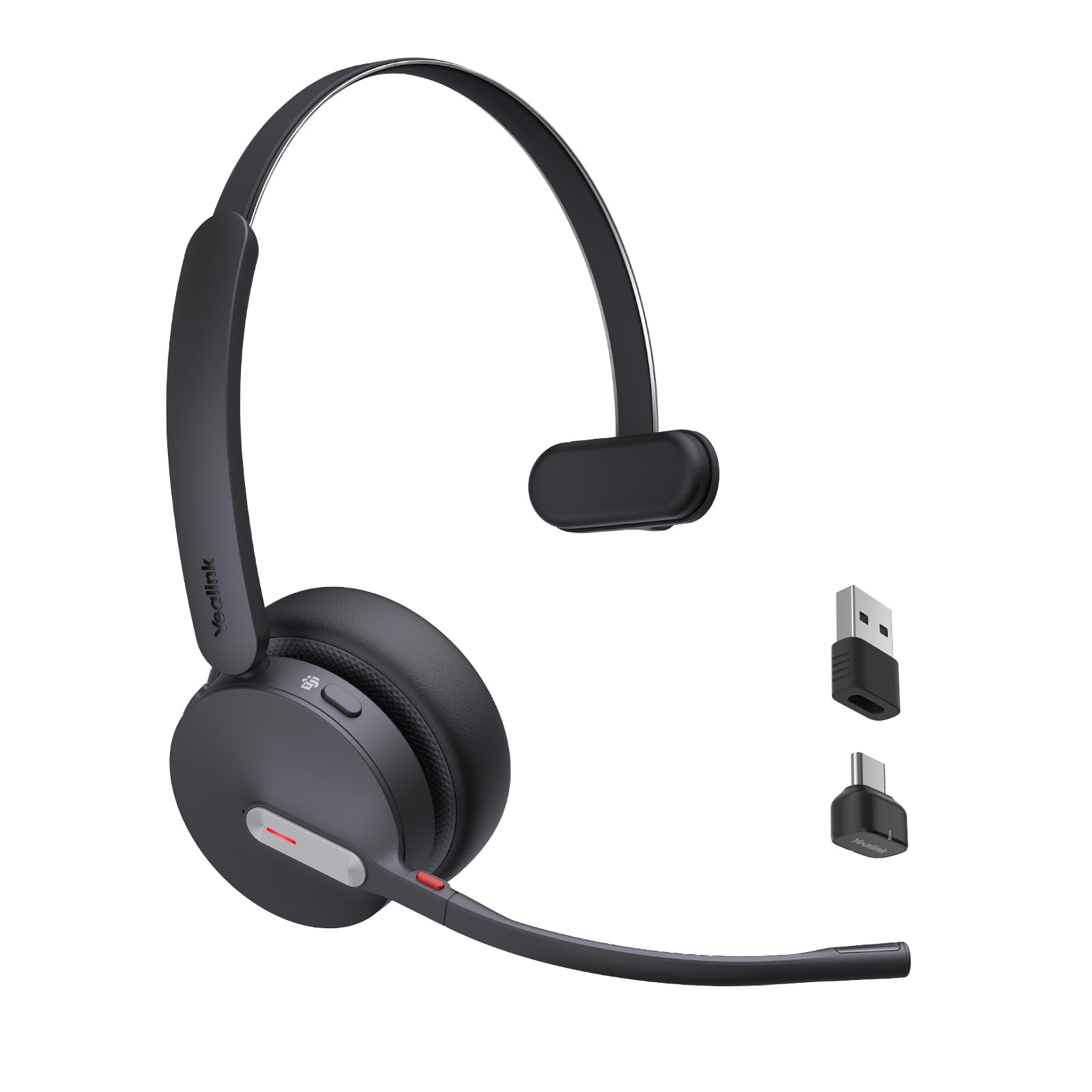


Who Should Buy Which Bluetooth Headsets for Smartphones?
Pick by the task you repeat most, not by the longest feature list. Each group below names the need, the features to put first and the form that usually fits best.
For Travelers and Commuters
You spend long stretches in stations, cars and cabins where noise and movement test a headset. Put battery life, active noise cancellation and a stable fit first, and choose a compact form that packs into a small case. A transparency mode helps you hear platform calls without taking the headset off.
For Students and Everyday Users
You switch between lectures, messages, calls and music on one phone, often for many hours. Look for steady pairing, simple controls and enough charge for a full day. A light in ear or neckband style suits bags and pockets, and a clear voice pickup keeps short calls easy in a busy hall.
For Remote Workers and Creators
You take calls where your voice is the product, and you may join meetings from your phone. Put microphone quality first, with noise handling that keeps speech clear when a fan or street is nearby. Multipoint pairing lets it stay linked to your phone and laptop at once. For video calls on the go, see our guide to the best bluetooth headsets for calls.
For Gamers and Power Users
You care about timing, because late sound makes video and play feel out of step. Look for a low latency mode, a stable link and controls you can reach without looking. Battery claims matter less than a case that refills buds between sessions. For play first shortlists, see our guide to the best bluetooth gaming headsets.
Key Features to Compare
When you shop for the best bluetooth headset for smartphones, compare these points in the same order each time, so a low price cannot hide weak call quality. Sound, charge and fit shape daily use far more than extra modes.
Battery Hours, Charging Cases and Fast Charge
Battery figures come in two parts: hours from the headset itself and extra hours stored in a charging case. Many buds give about 5 to 8 hours per charge, with about 20 to 30 hours in total from the case, while over ear models may run about 30 to 60 hours. A fast charge that adds about an hour of play from ten minutes at a socket suits busy days.
Features That Matter for Smartphones
Smartphone use asks for quick pairing, a link that holds through pockets and bags, and controls that work with calls and media. Bluetooth 5.3 can give a steadier link and better energy use than older versions, and multipoint lets you stay paired to a phone and a tablet at once. Codec support should match your phone, with AAC common on many phones and other codecs varying by brand. Microphones with wind and background noise handling matter too, because callers hear your voice, not the room.
Noise Cancellation and Isolation
Active noise cancellation uses microphones to reduce steady low sounds such as engines, fans and cabin hum. It helps most on planes, trains and in shared offices, and it does less for sudden voices. Passive isolation comes from a snug seal or closed cups, and it can cut higher sounds without using battery. Choose strong cancellation for travel, a good seal for music focus, and a transparency mode if you need to hear announcements.
Sound Quality and Tuning
Driver size gives a rough hint, not a verdict: buds often use drivers of about 6 to 11 mm, while over ear models use about 30 to 40 mm. What you hear depends more on tuning and fit, since a loose tip can thin out bass at once. A stated frequency response of about 20 Hz to 20,000 Hz covers the normal hearing range, but balance matters more. For tuning styles, see our guide to the best quality bluetooth headsets.
Durability and Water Resistance (IP Rating)
An IPX4 rating means a headset can handle splashes and light sweat, which suits walks and gym sessions. IPX5 and above handle stronger water jets, while full immersion ratings are rare in headsets. Dust and build also count: look for firm hinges, tips that stay seated and a case that shuts with a clean click. Water resistance can fade after drops, so treat the rating as protection against accidents, not as a license to swim with buds in.
Choosing a Form That Fits Your Ear and Day
Form decides comfort before sound does. A single ear mono headset leaves one ear open for traffic and office talk, and it suits drivers who take short calls all day. In ear buds are the most portable choice and give the best seal for noise control, but tip size must match your ear canal or they will work loose. Neckband models rest the weight on your neck and keep buds tethered.
Over ear models spread pressure around the ear and give long battery life, but they take more bag space and can feel warm in summer. Open ear styles leave the canal open, which helps cyclists stay aware, though bass is weaker. Try this fit test: wear the style for a full call and note any sore spot. For more options, see our guide to the best headsets for smartphones.
Common Mistakes to Avoid
These errors cost comfort or money, and most show up within the first week of use.
- Buying on price alone can leave you with weak microphones that make every outdoor call a repeat of your last sentence.
- Ignoring case and headset battery figures together can leave buds empty by midday.
- Choosing tip or cup sizes by guess can break the seal, thin the bass and make the headset slip.
- Skipping a check of codec and multipoint support can leave a headset unable to use features your phone offers.
- Forgetting to check the warranty and return terms can turn a poor fit into a cost you cannot recover.
Setup and Care Tips
Pairing works best from a clean start: charge the headset, open Bluetooth settings on your phone, and select the headset name when it appears. Turn on multipoint only after the first link works, then pair the second device and test a call from each. Keep firmware updated through the maker app when one is offered, since updates can fix pairing faults.
Store the headset in its case to protect drivers, tips and hinges from dust and pocket grit. Clean ear tips and pads with a dry cloth, and let damp parts dry fully before you close the case. Avoid leaving the battery empty for weeks, because long storage at zero charge can shorten its working life.
Frequently Asked Questions
What features matter most in a Bluetooth headset for smartphone calls and music?
Call clarity, fit and battery life matter most, in that order for most phone users. The best bluetooth headsets for smartphones also hold a steady link when the phone is in a pocket or bag. One point feature lists hide is control layout: you should be able to answer, mute and change volume by touch alone, without looking at the phone.
What IP rating does a Bluetooth headset for smartphones need for outdoor use?
IPX4 is enough for most outdoor use, including light rain, sweat and splashes on a walk. Choose IPX5 if you run in heavier rain or work outdoors all day. Ratings cover fresh water only, so salt water still calls for a rinse with clean water and full drying before charging.
Does codec choice matter for a Bluetooth headset used with a smartphone?
Yes, codec choice matters, but only when the phone and headset share the same codec. If they do not match, the pair falls back to a basic shared codec and still works. Some phones let you view the active codec in Bluetooth settings, so you can confirm the link before you judge sound or delay.
Is active noise cancellation worth paying more for on a smartphone headset?
Yes, active noise cancellation is worth paying more for if you ride transit, fly or work beside steady noise for hours each week. It is worth less for quiet homes, where a snug seal does most of the work for free. If callers often sit in noisy rooms, spend on your microphone first.
How long should the battery in a Bluetooth headset for smartphones last on one charge?
Aim for at least one full day of your own use, not a headline figure. Buds that rate about 5 to 8 hours can still fail a long travel day if calls and cancellation run at once, since both draw more power than quiet music. Two full refills in the case usually matter more than one extra hour from the buds alone.
Does a wired headset sound better than a Bluetooth headset for smartphones?
A wired headset can sound cleaner for the same price, because it skips wireless coding and needs no battery. For phone use, though, most listeners will not hear that gap with streaming music at normal quality settings, and the cable can snag on bags and doors. Choose wired for a desk, and Bluetooth where you move with your phone in a pocket.
The Bottom Line
Start with your routine, then rank call clarity, battery life and fit before extra modes. Match the form to your day, confirm that codec and multipoint support fit your phone, and use the product table above to compare the final shortlist.
Chosen that way, the best bluetooth headset for smartphones is the one you forget you are wearing until a call or song needs it. Buy the simplest model that does your main job well.


