
Best Bluetooth Audio Speakers by Budget: Smart Picks for 2026
Disclosure: We may earn a commission when you buy through links on this page, at no extra cost to you. As an Amazon Associate I earn from qualifying purchases. Learn more

Compare the best bluetooth audio speakers by budget, with plain guidance on sound quality, battery life, codecs and what each price tier delivers.
Prices for wireless speakers range from pocket money to serious money, and the gap in sound does not grow at the same pace as the price. This budget guide shows you where the money helps and where it stops helping, so you can judge best bluetooth audio speakers with confidence. You will see what each tier usually delivers, which features deserve your dollars, and which ones you can skip.
Set your budget first, then use the comparison table below to check the models in that range against the tier notes that follow.


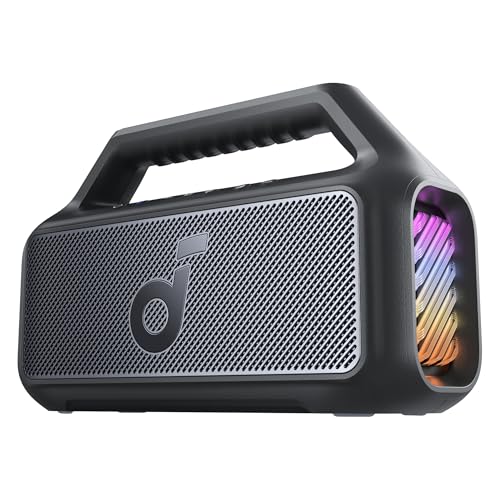


Budget Tiers at a Glance
Read these three sections as tier profiles rather than single winners. Each one describes the kind of speaker that earns its price in that range, who should buy it, and the limit to accept. Match your room and habits to the profile that fits, then confirm the details in the product table above.
Budget Tier Profile
The budget profile, usually under $100, suits a bedroom, dorm, or kitchen where music and podcasts play at modest volume. A good option here gives you Bluetooth 5.1 or newer, at least 10 hours of battery if it is portable, and tuning that keeps voices clear. Two strengths stand out at this price when a maker gets them right: simple reliable pairing and a compact size that fits anywhere. The limit is bass depth and maximum volume. Small drivers cannot fill a large room or a windy patio, so buy this tier for near listening rather than parties.
Midrange Tier Profile
The midrange profile, often around $100 to $250, is where most buyers should land. Expect larger drivers, fuller bass, longer battery life, and extras such as multipoint pairing, an app with EQ controls, and splash resistance. This tier fills a living room comfortably and handles a small gathering without strain. The main limit is that premium materials and advanced codecs may still be absent. If you listen daily and keep gear for years, the step up from budget is usually money well spent because the sound gain is easy to hear.
Premium Tier Profile
The premium profile, often around $250 to $500, adds refined tuning, stronger cabinets, and features such as stereo pairing, WiFi streaming, and high grade codecs on compatible phones. Sound stays clean at high volume, and bass reaches lower without sounding loose. This tier suits listeners who notice detail and want one speaker to serve as a main home system. The limit is value for casual use. If you mostly play background music, the midrange tier will likely satisfy you for far less money.
What Your Money Gets You at Each Price Tier
Budget Tier: What to Expect
Budget models focus on the basics done competently. Expect a single or paired small drivers, plastic cabinets, basic Bluetooth, and battery life around 8 to 12 hours on portable designs. Controls are simple and apps are rare. This tier works for spoken word, light music, and travel. Spend at the top of the tier rather than the bottom, since the lowest priced models often cut corners on tuning and battery quality that you will notice within weeks.
Midrange Tier: The Sweet Spot for Most Buyers
Midrange models add separate tweeters and woofers in many designs, which improves clarity and stereo detail. Battery life often reaches 15 to 24 hours, charging moves to USB C, and water resistance becomes common. You also gain multipoint pairing and better microphones for calls. For a deeper look at how tuning quality shows up in this range, see our guide to the best audio quality speakers. Most households find this tier covers every real need without premium pricing.
Premium Tier: When Spending More Pays Off
Premium money buys refinement rather than a new category of function. Cabinets feel denser and vibrate less, drivers cover a wider frequency response, and tuning stays composed with complex music. WiFi options such as multiroom grouping appear here, along with better build finishes for visible living spaces. Spending more pays off if you listen critically, host often, or want a speaker to anchor a room for years. It pays off less if the speaker will live in a garage or travel in a work bag.
Features Worth Paying For (and Ones to Skip)
Durability and Water Resistance (IP Rating)
Pay for water resistance if the speaker will see a kitchen, bathroom, patio, or pool. IPX4 covers splashes, while IP67 covers dust and brief immersion for true outdoor confidence. Skip the highest ratings for a shelf bound home speaker and put the savings toward sound. Rugged shells also help if kids or pets share the space. Whatever tier you choose, check that the rating comes from the maker spec sheet rather than sales wording alone.
Sound Quality and Tuning
Sound quality is always worth paying for, because it is the product. Look for a wider frequency response, separate drivers for high and low notes, and tuning described as balanced rather than only bass boosted. A practical know how point: place the speaker on a solid surface and away from a corner for a day before judging it, since corners inflate bass and can make a good speaker sound muddy. If a model offers EQ in an app, you gain room to adjust for your space at no extra hardware cost.
Placement and Room Size (for Speakers)
Room size decides how much speaker you need more than brand does. A small model sounds full in a bedroom but thin in an open plan living area. Larger rooms benefit from bigger drivers or a stereo pair, which spreads sound and improves detail at lower volume per speaker. Think about shelf depth, outlet access, and distance from your usual seat. If you plan outdoor use as well, our guide to the best bluetooth speakers for outside explains coverage and weather points in detail.
Comfort, Fit, and Weight
For speakers, this means how easily the design fits your routine. A portable model under about 3 lb is easy to move room to room, while a heavier home model can stay put and house larger drivers. Buttons you can find by touch, a stable base, and a handle that feels secure all matter during daily use. If you carry a speaker often, weight and grip deserve the same attention as battery life. A beautiful but awkward design tends to stay in one place and get used less.
Connectivity (Bluetooth Version, Codecs, Wired)
Pay for Bluetooth 5.1 or newer, multipoint if you switch devices, and a wired input if a TV or record player is part of the plan. Codecs matter in a narrower way. AAC serves Apple phones well, and aptX or LDAC can help compatible Android phones. Vinyl listeners should note that a turntable needs the right output path, which our guide to the best bluetooth speakers for audio technica turntable explains. Skip paying extra for a codec your phone cannot use.
Long Term Costs to Factor In
The purchase price is not the full cost. Budget for a carry case if you travel, a longer charging cable if outlets are scarce, and eventually a battery that holds less charge after years of use. Models with standard USB C cables cost less to keep running than models with special chargers, since a lost special charger can be pricey to replace. Warranty length matters too. A two year warranty on a midrange speaker can be worth more than a small discount on a similar model with only a few months of cover. Keep the receipt and register the product if the maker offers it.
Frequently Asked Questions
Do I need a special codec?
No special codec is required for good sound, but a matched codec gives a small clean gain. iPhone owners should look for strong AAC support, while some Android phones can use aptX or LDAC. Spend first on drivers and tuning, which shape the sound far more. Also check latency if you watch video, since some codecs and older Bluetooth versions let picture and sound drift apart in a noticeable way.
How long does the battery last?
Battery life ranges from about 8 hours on small budget models to 24 hours or more on larger midrange and premium designs. Those figures assume moderate volume, so loud outdoor play shortens them. A useful habit is to recharge at around 20 percent rather than running the battery flat each time, which supports battery health. If you mostly listen at home, a model that plays while charging removes the worry entirely.
What IP rating do I need for outdoor use?
IPX4 suits a covered porch and light splashes, while IP67 suits rain, dust, and poolside use. The rating only holds when port covers are closed and the speaker is not plugged in. For regular outdoor use, also value a cabinet that tolerates sun and knocks. Our notes on the best exterior bluetooth speakers cover placement and care for speakers that live outside often.
Wired or wireless: which sounds better?
Wired sounds a little better in a direct comparison because no wireless compression is involved and delay is near zero. In daily life, a well tuned wireless speaker sounds close enough that convenience wins for most people. Choose wired for a fixed setup beside a TV or turntable. Choose wireless when you move around, host guests, or want to keep surfaces free of cables.
Is ANC worth the extra cost?
Active noise cancellation adds little to an open speaker, since the design cannot seal your ears from room sound. Makers sometimes use similar wording for microphone noise reduction, which helps calls but not listening. Put the money toward better drivers instead. If noise at home bothers you, closing a door and lowering volume peaks will help more than a cancellation badge on a speaker box.
The Bottom Line
Match the tier to your room first, then spend on sound quality and the few features you will use weekly. Budget models serve small spaces well, midrange models satisfy most homes, and premium models reward critical listeners. Judge the best bluetooth audio speakers by that fit rather than by price alone, and revisit the product table above to confirm your choice. For a focus on build and tuning at the top end, see our guide to the best quality bluetooth speakers.


