
Best Blue PC Cases in 2026: Matching the Right Model to Your Routine
Disclosure: We may earn a commission when you buy through links on this page, at no extra cost to you. As an Amazon Associate I earn from qualifying purchases. Learn more
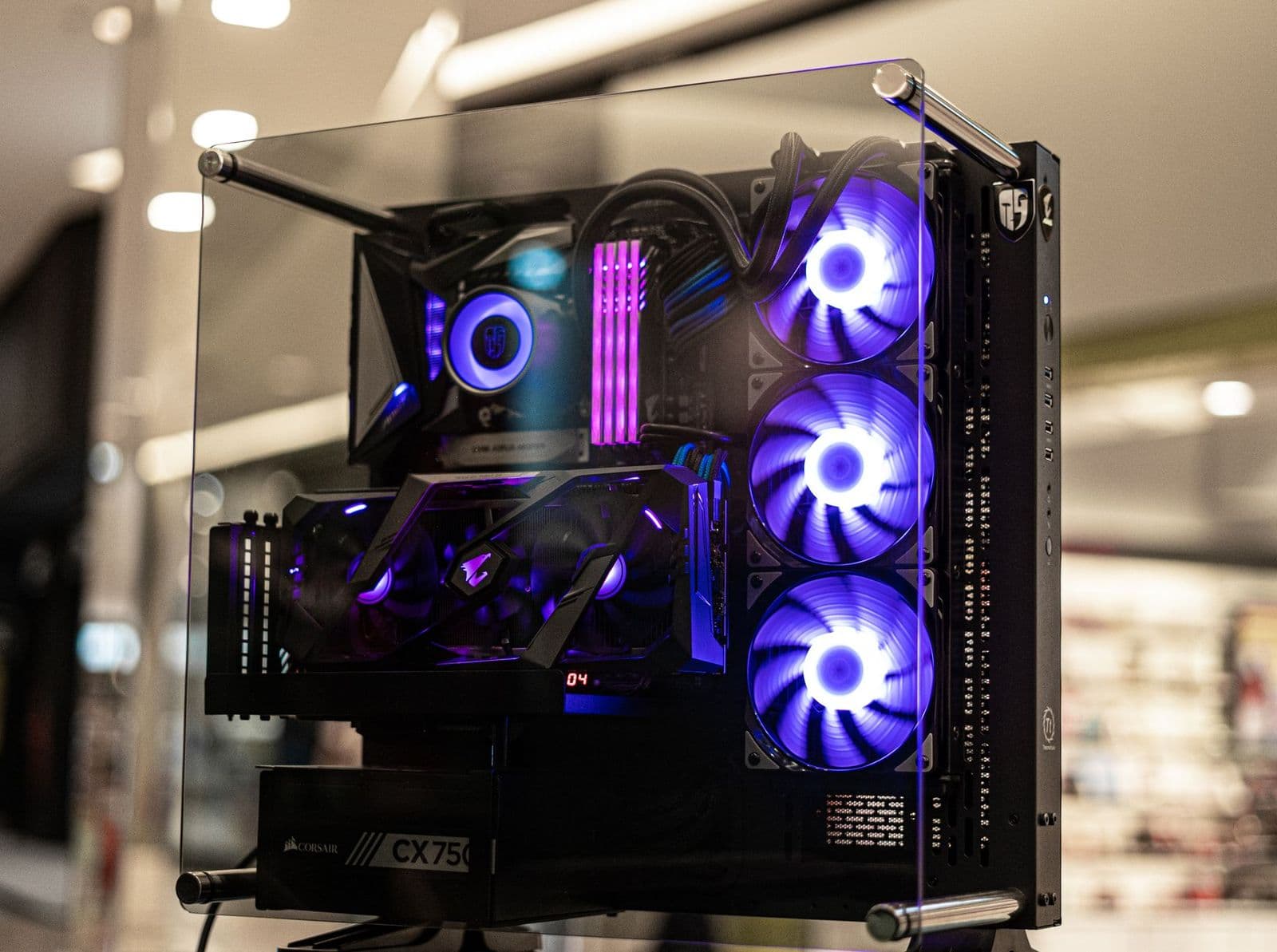
Compare the best blue pc cases by shade, airflow, size and clearance, with guidance on white and blue finishes, fan mounts, filters and cable routing.
There is no single blue case that suits every desk and every build. The best blue pc cases are the ones whose shade, size and airflow match how you actually use your computer each day. Check those points before you look at price.
A deep navy case can look calm in an office, while a bright blue case with a glass panel becomes the center of a gaming setup. A compact case saves desk space but limits cooling and card length.
Who Should Buy Which Blue PC Cases?
Start with your routine, your room and how often you move the PC. Those facts point to the right size and cooling layout faster than color alone.
For Home Office Workers and Creators
You need a case that looks composed on camera, stays quiet during calls and gives you ports you can reach easily. Choose a muted navy finish, a solid front or fine mesh that softens fan sound, and front ports on the top or side edge. Pick solid panels if bright light causes glare.
For Gamers With Long Sessions
You need airflow first, because long sessions push warm air out of the case for hours. Choose a mesh front, room for at least two large intake fans and enough length for a long graphics card. Blue lighting inside a glass panel can look striking, but it should never come at the cost of a closed front that traps heat.
For Students in Dorms and Small Rooms
You need a case that fits a small desk, moves easily at term breaks and survives shared rooms without fuss. A compact mid tower or a smaller matx case keeps the footprint modest, and steel panels handle bumps better than glass during a move. If that middle size appeals to you, see our guide to the best matx pc cases for the space trade offs in detail.
Choosing Blue PC Cases for Your Situation
Blue is not one color in practice. Pale blue reads soft and modern, royal blue reads bold, and navy can sit beside office furniture without drawing attention. If you want broader context on designs that have stayed popular, see our guide to the best pc cases of all time before you settle on a shade.
Best White and Blue PC Cases: What to Prioritize
The best white and blue pc cases pair a white frame or interior with blue panels, fans or trim, and that mix changes what you should check. White interiors make parts look brighter, but they show dust and cable shadows sooner than dark interiors. Check where the color split falls, because a white interior with blue exterior panels hides daily dust better than an all white exterior.
Solid Blue Cases Compared With Blue Accent Cases
A solid blue case commits your whole setup to one shade, so it suits a builder who plans the desk around that color. A black or white case with blue fans or trim gives a softer effect and lets you change the look later by swapping fans. Choose solid blue for a themed showcase and accents for a PC that must blend into a shared room.
Key Features to Compare
Compare these factors in order, and remember that the best blue pc cases earn that label through fit and airflow as much as through color.
Shade, Finish and Side Panel Material
Shade and finish decide how the case looks each day and how much upkeep it needs. Matte paint hides fingerprints and scuffs, while a glossy finish shows smudges sooner. A tempered glass side panel shows off blue lighting and tidy cables, but it adds weight and can break if struck during a move. Solid steel panels hide a plain interior and suit rooms where the PC sits out of sight.
Airflow, Mesh Panels and Fan Mounts
Airflow describes how easily fresh air enters at the front or bottom and warm air leaves at the rear and top. An open mesh front usually moves more air at lower fan speeds than a solid front, so the PC can run quieter under load. Check how many fan mounts the case offers and whether intake mounts sit behind a removable dust filter. For help choosing the fans, see our guide to the best pc case fans once you know the mount sizes.
Radiator Space and Graphics Card Clearance
Clearance numbers tell you whether your parts and your next upgrade will fit without forcing cables or panels. Measure your graphics card length and compare it with the stated maximum, leaving extra room if a front radiator will sit ahead of the card. Check radiator support by location, because a case may accept a large radiator at the front but only a smaller one at the top.
Case Size and Motherboard Fit
Case size controls desk footprint, part choice and how easy the build feels. A full tower gives generous cooling space but dominates a small desk, while a mid tower fits most ATX and smaller boards. A compact case for ITX boards saves the most space, but it limits drive mounts, cable room and cooling options. If that smallest route interests you, see our guide to the best itx pc cases for the compromises involved.
Cable Routing, Drive Mounts and Front Ports
Good cable routing keeps the interior tidy and stops loose cables from blocking air paths. Look for a channel behind the motherboard tray, cutouts near the board edges and enough depth for thick cables to lie flat so the rear panel closes without force. Check drive mounts for the drives you own, power supply length clearance under the shroud and front ports you will use daily, including USB C if your devices need it.
Dust Filters and Access for Cleaning
Filters decide how much dust reaches your fans and parts, and access decides whether you will actually clean them. Slide out filters at the bottom and front are easiest to maintain, while fixed mesh behind a panel gets skipped more often. Intake filters matter most in homes with pets, carpets or a PC that sits on the floor.
Common Mistakes to Avoid When Buying Blue PC Cases
These errors come up often with colored cases, because color can distract from fit and function.
- Choosing a shade from photos alone leaves you with a case that looks far brighter or duller under your room light.
- Buying a closed front case for a warm gaming build raises fan noise and temperatures during long sessions.
- Skipping card length and radiator checks leaves parts that only fit after you remove fans or return the case.
- Picking glass panels for a PC you move often adds weight and raises the risk of a cracked panel in transit.
- Ignoring filter access means dust builds up inside because cleaning requires moving the whole PC each time.
Dust Filters, Glass Panels and Blue Paint Care
Remove and rinse or brush the dust filters about every three months, and sooner if the PC sits on carpet or near pets. Let washed filters dry fully before you refit them, because trapped moisture can carry dust onto parts inside. Wipe painted panels with a soft damp cloth, since harsh cleaners can dull matte blue paint.
Clean a glass side panel with a soft cloth and a small amount of water, and support the panel with both hands whenever you remove it. Check fan mounts and panel screws twice a year for looseness, and clear dust from front mesh with a soft brush so intake air keeps flowing freely.
FAQ
Will a blue PC case show dust more than a black PC case?
A blue PC case shows dust about as much as a black case, and the finish matters more than the color itself. Pale dust stands out on dark navy panels, while it nearly disappears on light blue panels. One point many buyers miss is the top panel, where dust settles fastest, so a quick weekly wipe there keeps a colored case looking fresh.
Does a mesh front panel change how a blue PC case looks?
Yes, a mesh front panel changes the look because the blue color sits on a textured surface rather than on flat paint or glass. Mesh softens the shade, can make it look darker at an angle and often shows the shape of fans behind it. If you love a bright flat blue front, check photos of the mesh version in room light first.
How do you keep a white and blue PC case from looking yellow over time?
You keep a white and blue PC case looking clean by keeping white panels out of strong direct sunlight and away from smoke and cooking grease. Sunlight can slowly warm the tone of white plastic, and the shift shows most where white meets blue. Wipe white panels with plain water first, so cleaner residue does not leave its own tint.
Can a compact blue PC case stay cool enough for gaming?
Yes, a compact blue PC case can stay cool enough for gaming if the front or side intake is open mesh and the fans have a clear path to the graphics card. Small cases fail on cooling when solid panels and tight cable bundles block that path. Leave space around the case as well, because a case pushed against a wall loses intake and exhaust room.
Should you match blue case lighting to the rest of a setup?
You do not need to match blue case lighting exactly to your desk or parts, and a slight contrast often looks better than five near matching blues. Parts, fans and paint rarely share the same shade, so mixed blues can clash under bright light. Pick the case as the main blue, and let lighting sit a shade darker or lighter on purpose.
Final Thoughts
Put fit before color in this order: size for your desk and board, airflow for your hardware, clearance for your card and cooling, then the shade and finish you enjoy looking at. Check those points for each case on your short list.
When you judge best blue pc cases by routine, room and upkeep rather than by photos alone, the right choice tends to stay satisfying long after the build is finished. Pick the case you will keep clean and cool every day.


