
Best Blind Spot Mirror for SUV: What Actually Matters Before You Buy 2026
Disclosure: We may earn a commission when you buy through links on this page, at no extra cost to you. As an Amazon Associate I earn from qualifying purchases. Learn more
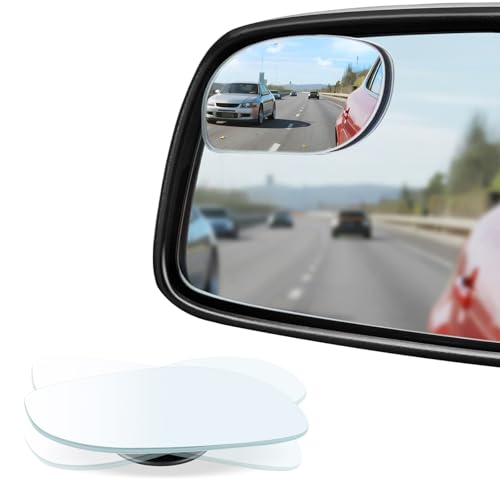
Pick the best blind spot mirror for SUV use by checking size, shape, mounting, clarity, and price before you order.
A best blind spot mirror for suv can help you see more of the lane beside you, especially when you change lanes, merge, or reverse out of a parking space. SUVs have tall sides, thick pillars, and large rear quarters, so the area you cannot see in a standard mirror can be wider than you expect. This guide explains how to read the product table in plain terms, so you can judge size, shape, mounting, and clarity before you spend money.
The right choice depends less on fancy claims and more on fit. A mirror that suits a small sedan may sit too low, too far out, or at the wrong angle on an SUV mirror housing. Measure your mirror, think about where you drive most, and check how the add on mirror attaches before you order.
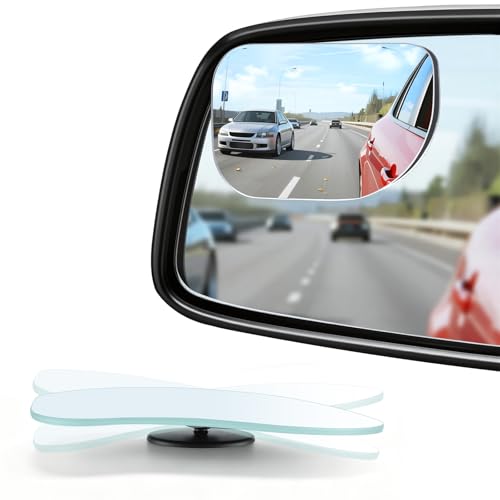
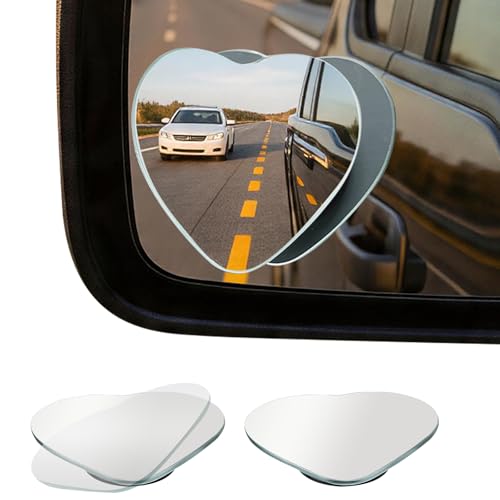
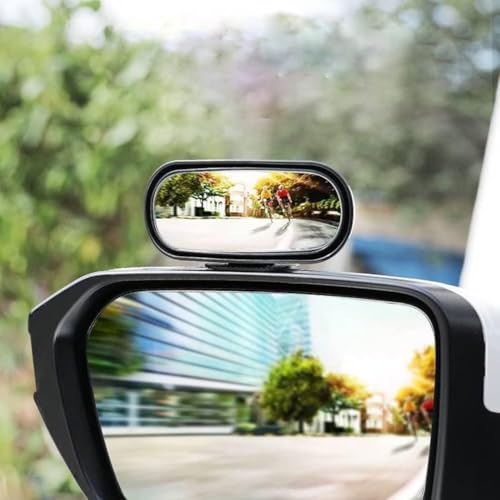


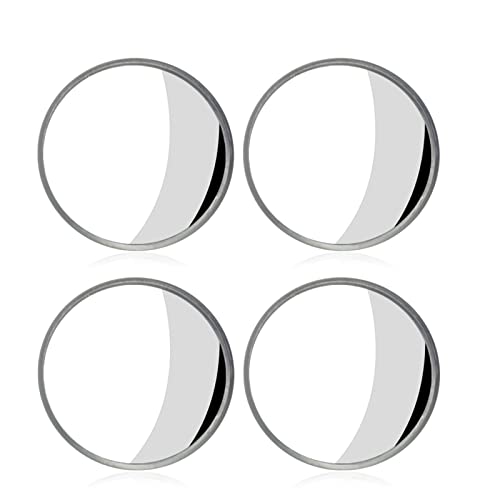

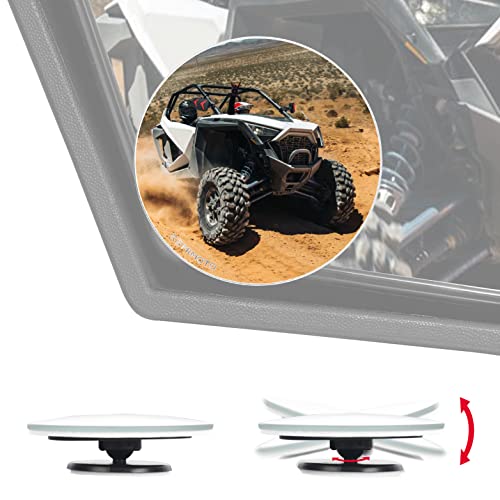
How to Choose the Best Blind Spot Mirror for SUV Driving
Use the same checklist for every option. Start with the view, then check the fit, then check how it stays in place. A clear view matters little if the mirror falls off in hot weather, and a secure mount matters little if the image is too small to read at a glance.
Features That Matter for SUV Driving
SUV driving creates three specific needs: cover for the lane beside the rear quarter, a view you can read with a quick glance at highway speed, and an angle that suits a taller seating position. A wide convex surface usually helps here, because it bends the view outward and shows more of the nearby lane. Look for a clear edge to edge image with no dark ring, and check whether the surface resists glare from headlights behind you at night.
Intended Use and Who It Is For
City drivers mainly need help at junctions and tight parking exits, where cyclists and pedestrians can appear close to the side of the vehicle. Highway drivers need help with lane changes and merging, where a car in the next lane can sit just out of view. Drivers who reverse into driveways or tow trailers need help seeing the rear corner and the ground near the bumper, so each use points to a different balance of size and placement.
Ease of Use and Setup
Most blind spot mirrors stick to the existing mirror with adhesive, clip over the edge, or attach with a small bracket. Adhesive mounts need a clean, dry surface and a firm press to hold well. Clip mounts can be easier to remove, but they must grip the housing without blocking the power adjustment of the main mirror. After fitting, sit in your normal driving position and tilt the add on mirror until the lane beside you fills the view.
Price Versus Value
Basic blind spot mirrors cost about $5 to $15 and usually offer simple convex glass with adhesive backing. Mid cost options at about $15 to $30 often add better glass, a sturdier frame, and a mount that resists heat and vibration. Higher cost options above about $30 may add anti glare coatings or a mount made for larger housings. Price alone does not prove clarity, so compare the glass and the mount, and check the warranty length before you buy.
Warranty and Customer Support
A clear warranty tells you what the maker will do if the adhesive fails, the glass clouds, or the frame cracks under normal use. Look for a stated warranty period and a simple way to contact support, rather than vague promises about quality. Keep the packaging and order details until you have tried the mirror for a few weeks in different weather, so a fault found in rain or heat is still easy to report.
Size, Weight, and Fit for Your SUV
Measure the flat area of your existing mirror before you choose. A round mirror of about 2 inches across suits many smaller housings, while a larger oval or rectangular mirror may suit a wide SUV mirror. The add on mirror should sit in a corner that does not block the area you use most for reversing or checking traffic behind you. Check that any folding housing still folds after fitting.
Safety and Certifications
A blind spot mirror is an aid, not a replacement for looking, signaling, and checking over your shoulder. It cannot remove every blind spot, and it does not guarantee that you will see every vehicle, cyclist, or pedestrian. Follow the manufacturer's instructions on cleaning, adhesive curing time, and temperature limits, and inspect the mount regularly for loosening, cracking, or clouding. Keep small parts away from children during fitting.
Spending Level Guidance
It helps to think in spending levels. Pick the level that matches how often you drive, how long you plan to keep the vehicle, and how much you value a secure mount.
Lower Cost Options
Lower cost options suit drivers who want a simple extra view for occasional city driving or parking. Expect basic convex glass, adhesive mounting, and a plain frame. These mirrors can work well on a flat mirror surface, but they may need more care with cleaning and positioning, so try them for a few weeks before you judge them.
Mid Cost Options
Mid cost options suit daily drivers who want a clearer image and a mount that holds up in heat, rain, and vibration. Expect better glass, a sturdier frame, and clearer size guidance from the maker. This level often gives the best balance for an SUV used for commuting, school runs, and weekend trips, and it gives you more choice of shape for a curved or narrow housing.
Higher Cost Options
Higher cost options suit drivers who tow, drive long distances, or want a mount made for larger housings. Expect anti glare coatings, a wider field, and a mount built to resist vibration. The extra cost makes sense only if you use the mirror every day and need it to last through all seasons, and even then, check the fit first, since no coating can fix a mirror placed in the wrong corner.
Quick Buyer Checklist
Run through these questions before you buy. If you answer no to any fit or safety question, pause and look for a different size or mount.
- Have you measured the flat area of your SUV mirror housing?
- Does the mirror leave most of your main mirror usable?
- Can you read the extra view with a quick glance from your normal seat?
- Does the mount suit your mirror shape, and will it survive heat and rain?
- Does the main mirror still adjust fully after fitting?
- Have you checked the warranty length and how to contact support?
- Will you still check over your shoulder before every lane change?
Red Flags to Watch For
Watch for listings with vague size details, since a mirror that looks large in a photo may be tiny on your housing. Watch for claims that the mirror removes all blind spots, since no add on mirror can do that safely. Watch for very short warranties or no support contact, which can leave you stuck if the adhesive fails, and for glass that looks wavy or cloudy in photos.
Tips to Get the Most From Your Blind Spot Mirror
Read the manual before first use, even if fitting looks simple. Clean and inspect the mirror regularly, and wipe off dust, rain spots, and road film so the image stays clear. Practice in a quiet car park before you rely on the mirror in traffic, and learn how distance looks in convex glass. Objects in a convex mirror look smaller and farther away than they are, so give yourself extra room until the view feels familiar.
Frequently Asked Questions
What features matter most in blind spot mirrors for SUVs?
Size, shape, clarity, and mount matter most for SUVs. A wide convex surface helps cover the lane beside the rear quarter, while a clear edge to edge image lets you read the view at a glance. The mount must fit a larger housing and hold in heat and vibration. Anti glare glass helps at night, but it cannot fix a poor position, so check fit before you judge any other feature.
How long does a blind spot mirror last?
A blind spot mirror can last several years if the glass stays clear and the mount holds firm. Adhesive mounts often fail first, especially in strong heat, frequent car washes, or after a poor first fitting on a dirty surface. Inspect the mount every few months, and replace the mirror promptly if it loosens, clouds, or cracks. A clean surface and correct curing time at fitting can add a lot to its working life.
How do I maintain a blind spot mirror?
Clean the glass with a soft cloth and mild cleaner, and avoid abrasive pads that can scratch the surface. Check the mount for loosening after hot weather, heavy rain, and car washes. Re aim the mirror if you change your seat position or if another driver has moved the main mirror. Keep the area around the mount dry during cleaning, since trapped moisture can weaken adhesive over time.
Are expensive blind spot mirrors worth it?
Expensive mirrors can be worth it if they offer clearer glass, a stronger mount, and a shape that fits your housing well. They are less worth it if the extra cost buys only a decorative frame or vague claims about performance. Compare glass clarity, mount type, and warranty first, then decide whether the price gap is justified. For many daily drivers, a mid cost mirror gives a good balance of clarity and durability.
How much should I spend on a blind spot mirror?
Most drivers can find a useful mirror for about $5 to $30, depending on size, glass quality, and mount type. Start at the lower end if you drive mainly in the city and want to try the idea. Move to the mid range if you drive daily, tow, or need a mount that survives all seasons. Spend more only when a specific feature, such as anti glare glass, solves a real problem you have.
Wrapping Up
The best choice comes down to fit, clarity, and a mount you can trust. Measure your mirror, pick a size and shape that leaves the main mirror usable, and aim the extra view for the lane beside you. Use the checklist above before you buy, and treat the mirror as one aid among several checks. With the right fit, a best blind spot mirror for suv can make lane changes, merges, and parking feel calmer, and the product table can help you compare the options side by side.


