
Best Biker Boots in 2026: What Each Price Level Really Buys
Disclosure: We may earn a commission when you buy through links on this page, at no extra cost to you. As an Amazon Associate I earn from qualifying purchases. Learn more

Compare the best biker boots at every price point. Learn what budget, midrange, and premium motorcycle boots give you and where spending more pays off.
Motorcycle boots are sold at almost every price a rider can name, and the spread between the cheapest pair on the shelf and the most expensive one is wide enough to raise a fair question: what does the extra money actually change? This guide answers that question band by band, so if you are shopping for best biker boots on a fixed budget, you can see which upgrades matter on the road and which ones only change the finish. The comparison table below sets the three price levels side by side.
One point of scope before the prices. Biker boots in this guide are boots built for riding a motorcycle: ankle coverage, a sturdy sole shaped for foot controls, and a toe area that works a gear lever all day. They are not the stiff soled boots sold for pedalling a bicycle, which are a different product built for a different job. Everything that follows is about the motorcycle kind.


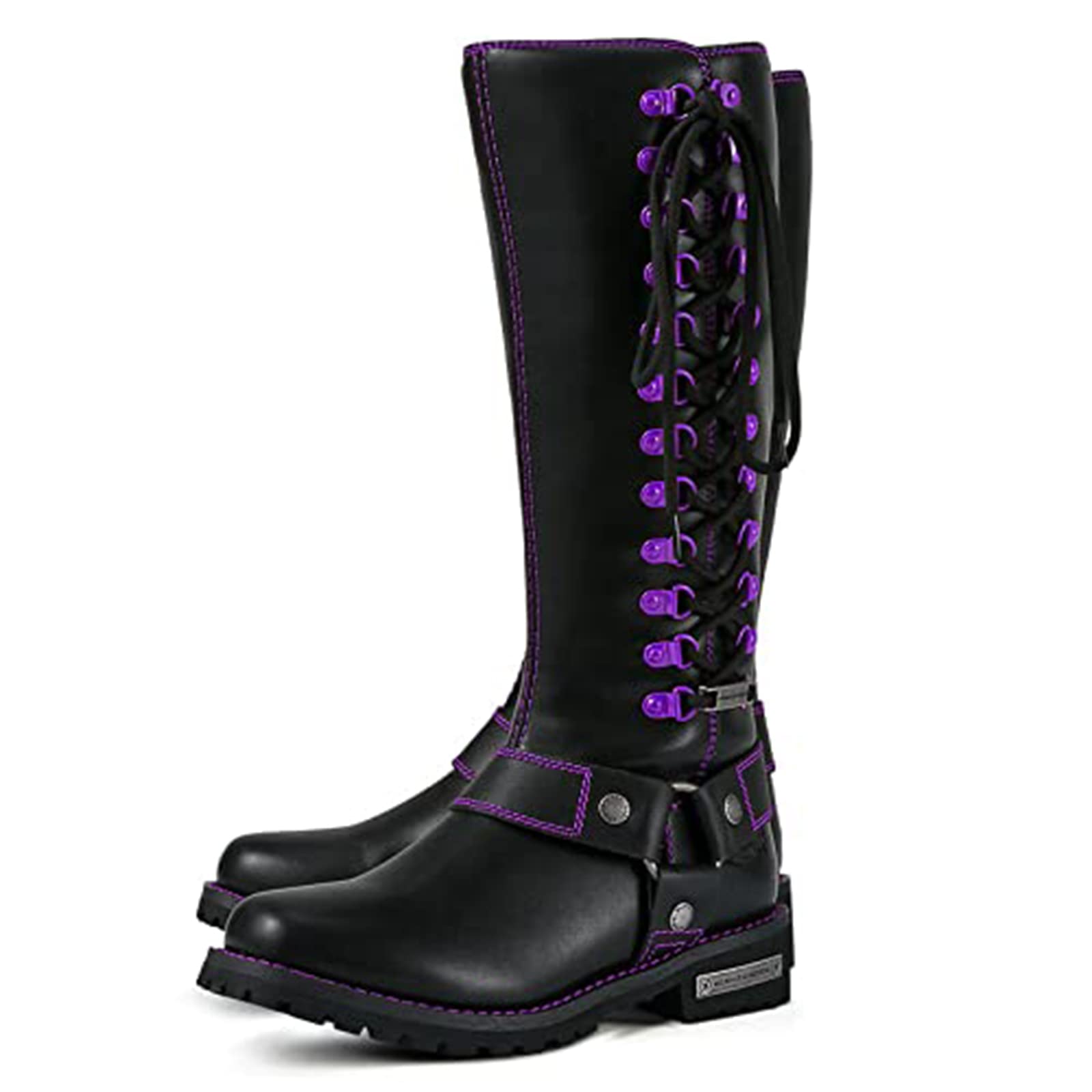


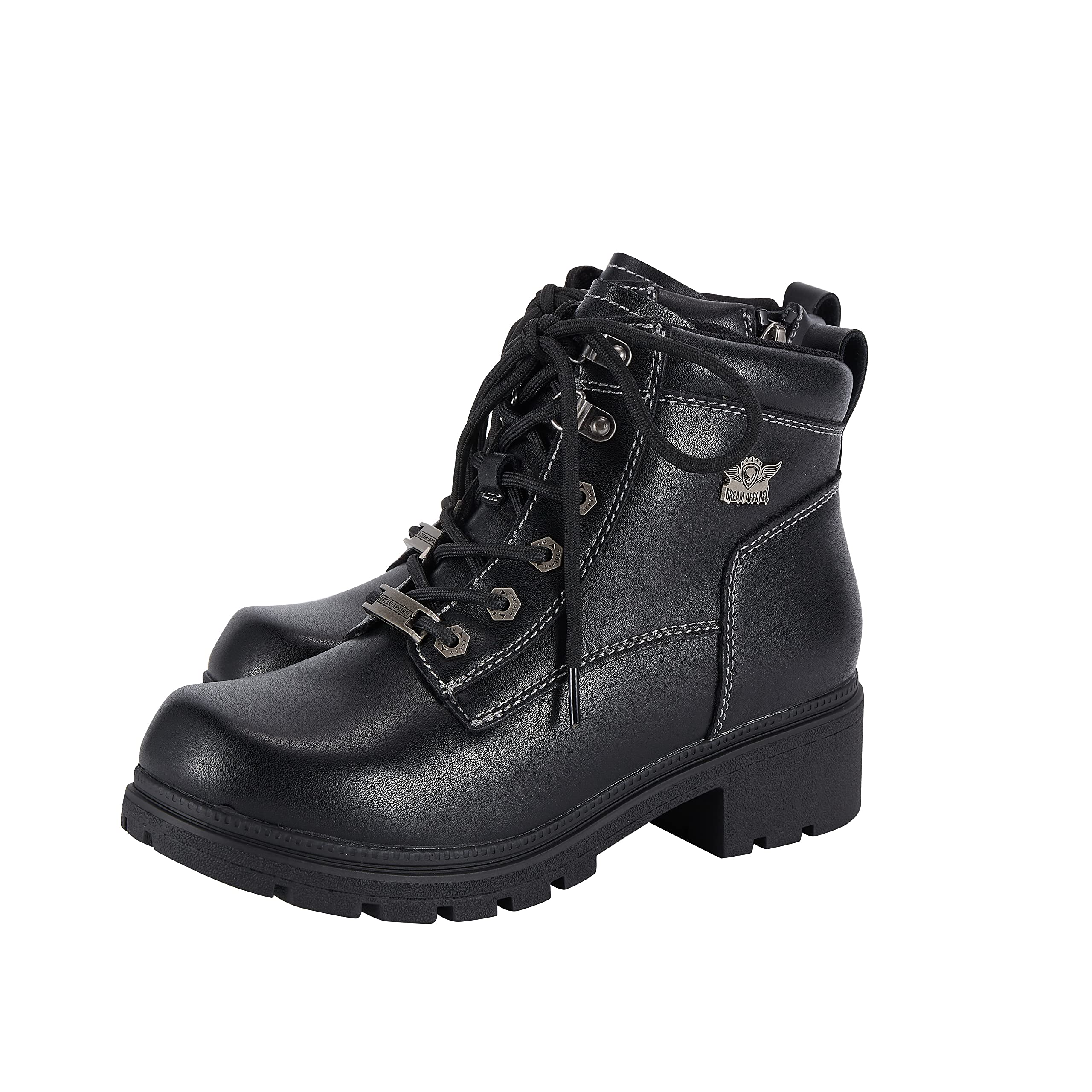
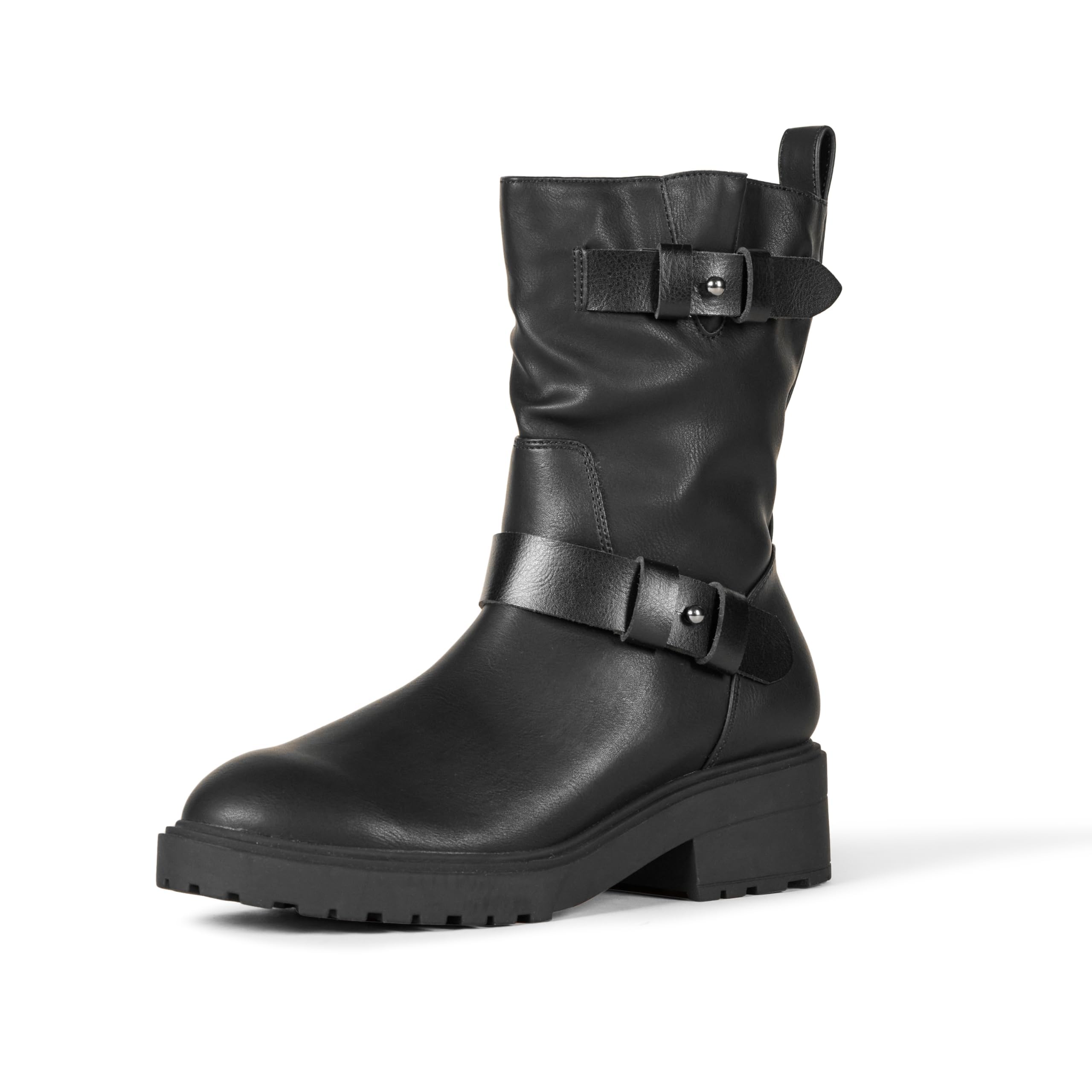
Best Biker Boots at Three Price Levels
The market sorts itself into three rough bands, and each band has a typical recipe for materials, coverage, and hardware. Prices below are approximate, because the same class of boot can sit in different bands from one maker to the next.
| Price level | Typical price | Upper material | Coverage | Closure | Waterproofing |
|---|---|---|---|---|---|
| Budget | About $80 to $150 | Synthetic leather or thin split leather | Ankle height | Laces, sometimes a side zip | Usually none, or a light resistant finish |
| Midrange | About $150 to $250 | Full grain leather or sturdy textile panels | Ankle to mid calf | Zip with lace or buckle adjustment | Membrane lining on many models of the class |
| Premium | About $250 to $450 | Thick full grain leather, sometimes with added panels | Mid calf and up | Buckles, ratchets, or combined systems | Membrane lining as standard for the class |
Budget Band: About $80 to $150
The budget band buys a real riding boot, not a fashion boot with a motorcycle label. Expect ankle height coverage, a sole with some stiffness under the arch, and an upper of synthetic leather or thinner split leather. Closures are simple, usually laces, and waterproofing is the first thing left out at this price.
This band suits new riders, short hop commuting, and anyone who rides a few times a month in fair weather. The honest trade off is lifespan and comfort on long days: thinner uppers crease and soften sooner, and basic insoles flatten within a season of daily use. If your riding is occasional and your budget is firm, the budget band is a sensible place to start, with the plan to upgrade once you know how much you ride.
Midrange Band: About $150 to $250
Midrange is where most regular riders land, and it is the band where spending more changes the boot in ways you feel every ride. Uppers move up to full grain leather or tough textile panels that shrug off scuffs and hold their shape. Coverage rises toward mid calf, hardware improves, and a waterproof membrane lining becomes common rather than rare.
Small details separate this band from the one below it. Zips pair with laces or straps so the boot opens wide for your foot and still adjusts snug at the ankle. Soles gain better grip compounds and a defined heel that hooks the footpeg. For riders who commute through the week and tour on weekends, this is usually the last band you need, unless your climate or your mileage argues for more.
Premium Band: About $250 to $450
The premium band sells refinement more than it sells a different category of boot. Leather gets thicker and better finished, stitching is denser, and closures move to buckles, ratchets, or combined systems that adjust in small steps and stay put. Coverage is taller, linings are softer, and many boots in this class can be resoled, which stretches their working life well past a cheaper pair.
This band suits high mileage riders, all weather commuters, and riders who simply keep one pair of boots for many seasons. What the extra money does not buy is a guarantee of anything in a crash, a point the protection section below covers in plain terms. Buy premium for fit, finish, weather sealing, and long service, and you will get your money back in years of use.
What Separates One Band From the Next
Ankle Coverage and Boot Height
Height is the clearest difference between classes of biker boots. Ankle height boots are easy to walk in and cheap to make, while taller shafts add material, support, and weather protection up the shin. Taller boots also keep laces and trouser cuffs away from the chain and pegs. Choose height by your riding: short urban trips forgive a low boot, while highway miles and gravel roads reward the coverage of a taller one.
The Sole and Grip on Oily Ground
A riding boot earns its keep at stops, where one foot goes down on painted lines, fuel station concrete, and wet asphalt. Soles in better bands use rubber compounds that keep some bite on oily or dusty ground, and tread patterns that clear water instead of skating on it. A defined heel matters too, because it stops your foot sliding forward off the peg. When you compare boots, the sole deserves as much attention as the leather above it.
The Gear Lever Wear Point
Every upshift drags the top of your left boot under the gear lever, thousands of times a season. Budget boots often leave this spot as plain upper material, and it wears thin or splits first. Better bands add a reinforced patch or a replaceable pad at exactly that point. It is a small feature with an outsized effect on how long the boot stays presentable and weather tight, so check for it before you judge two boots as equal.
Closures: Laces, Zips, and Buckles
Closure class shapes both fit and daily convenience. Laces adjust precisely but can loosen and need tucking away from moving parts. A side zip over an inner gusset is fast on and off, and better bands pair it with a strap or buckle so the fit still adjusts.
Buckles and ratchets cost the most, adjust in small clicks, and are easy to work with gloves on. None of these classes is wrong; match the closure to how often you gear up and how much adjustment your feet need.
Waterproofing and Linings
Dry feet are where the bands split most sharply in wet climates. Budget boots rely on the upper material alone, which wets through in steady rain. Midrange and premium boots add a waterproof membrane lining that keeps rain out while letting some sweat escape, though no membrane makes a boot cool in summer heat.
Sealed seams and a gusseted tongue matter as much as the membrane itself, because water enters at openings first. If you ride in rain weekly, this feature alone can justify moving up a band.
An Honest Word About Protection
Boots are one part of a rider's gear, alongside a helmet, a jacket, gloves, and riding trousers, and no single piece works on its own. This guide makes no crash protection promises, and you should be wary of any listing that does: no boot prevents injury, and a boot that feels sturdy in the shop has not been proven in a fall. What better boots offer is coverage, abrasion resistant materials, and a sole and ankle structure that stay in place, which are sensible things to want without being guarantees.
Protection language on labels and listings is class language, not a promise for the individual boot on your foot. Some boots carry a formal safety rating for motorcycle footwear and some do not, and rating systems differ between regions. If a rating matters to you, read what the specific rating covers before you pay for it, and check the gear rules where you ride, since requirements vary by place. Fit still comes first, because a boot that distracts you with sore spots is its own kind of hazard.
Fit and Comfort on Long Rides
Riding boots should feel snug without squeezing, with room to wiggle your toes and no heel lift when you work the controls. Try boots late in the day, when feet are at their largest, and wear your riding socks. Leather classes ease and shape to your foot over the first few weeks, while synthetic uppers stay much as they felt in the shop, so buy synthetics on first feel and leather on near fit. Width choices matter as much as length, and many riders need a half size up from their street shoes to fit thicker socks.
Sizing runs differ between men's and women's ranges, in last shape as much as in length. A companion piece on best biker boots men's goes deeper on men's sizing and width choices, and the guide to best women's biker boots covers the narrower heel and lower calf fit of the women's range. One comfort note with a boundary: boots can reduce ordinary end of day aching that comes from a poor fit, but foot pain that persists off the bike, keeps returning, or comes with numbness is a reason to see a clinician, not a reason to buy another pair.
Long Term Costs and Care
The purchase price is only the first line of the bill. Leather boots ask for cleaner and conditioner a few times a year, about $15 to $30 annually, and waterproof membranes eventually need a reproofing spray for the outer surface. Insoles wear out before uppers do and are cheap to replace. Premium boots that can be resoled spread their cost over more seasons, while glued sole budget boots are usually done when the sole is done.
Care itself is simple. Brush off road grit, let wet boots dry slowly away from direct heat, and store them upright with the shaft supported so it does not fold and crack. Check the gear lever patch, the zip, and the sole edges each season, because small repairs done early cost a fraction of a replacement pair. Treated this way, a midrange or premium pair commonly outlasts two budget pairs, which is worth counting when the bands look far apart in price.
Biker Boots: Your Questions Answered
How tall should motorcycle boots be for everyday riding?
For everyday riding, a boot that covers the ankle bone and rises a few inches above it is the practical minimum most riders settle on. That height protects the ankle from heat and debris and keeps the boot secure on the peg. Taller shafts help on highways and in rain, but they add weight and warmth. If most of your riding is short city trips, ankle height with a firm structure is a reasonable place to land.
Are expensive biker boots always safer than budget ones?
No, price and safety do not move in a straight line. Premium money buys thicker leather, better hardware, weather sealing, and durability, all of which are worthwhile, but none of it is a guarantee in a crash. A budget boot with full ankle coverage that fits you well serves you better than an expensive boot that fits badly. Judge coverage, fit, and any formal rating the boot carries, and treat price as a guide to materials rather than to protection.
Can I walk around town all day in biker boots?
You can walk in them, but a full day of sightseeing will show why riding boots are built the way they are. The stiff sole that feels secure on the pegs flexes little at the toe, and taller shafts add weight with every step. Many riders manage market trips and short walks happily, then change into shoes for long walking days. If your trips mix riding with hours on foot, a lower, lighter touring style is the kinder choice.
Do biker boots stretch or break in over time?
Leather boots do break in: the upper softens at the flex points, the ankle area shapes to your leg, and the insole compresses to your footprint over the first few weeks of riding. Synthetic uppers change very little, so their shop fit is close to their final fit. What should not happen is a boot stretching a full size longer. Buy close to your true size, expect easing rather than growth, and be suspicious of any pair that starts out painfully tight.
How do I know when a pair of biker boots needs replacing?
Replace a pair when the structure goes, not just when the looks fade. Worn smooth soles that slip on wet stops, an ankle area that has gone soft and folds over, cracked leather at the flex point above the toes, and a zip or buckle that no longer holds are all end of life signs. Cosmetic scuffs and a worn gear lever patch can be repaired. Once the boot stops holding your foot and ankle steady, its working days are over.
The Bottom Line
Choose your band by how you ride: budget for occasional fair weather miles, midrange for the weekly rider who wants leather, coverage, and weather sealing in one pair, and premium when high mileage and long service repay the outlay. Within any band, judge the sole, the gear lever patch, and the closure before the styling, and use the product table to compare the options side by side. Get those points right and the best biker boots for your riding are simply the pair in the band that matches your season, your climate, and your budget.


