
Best Blenders for Thick Smoothie Bowls: Budget, Midrange, and Premium Picks for 2026
Disclosure: We may earn a commission when you buy through links on this page, at no extra cost to you. As an Amazon Associate I earn from qualifying purchases. Learn more

Learn how to choose the best blenders for thick smoothie bowls by price tier, with guidance on tampers, low speed control, power, and jar shape.
A thick smoothie bowl uses so little liquid that many blenders stall, overheat, or leave frozen chunks behind. Prices run from under $60 to over $500, and this guide shows what each tier buys you so you can find the best blenders for thick smoothie bowls for your routine. Begin with the comparison table below, then use the tier and feature sections to judge tamper design, low speed control, and jar shape.
The goal texture is spoon thick, almost like soft serve, with toppings resting on top instead of sinking. That single goal changes what matters: torque at low speed and a good tamper matter more than top speed alone.


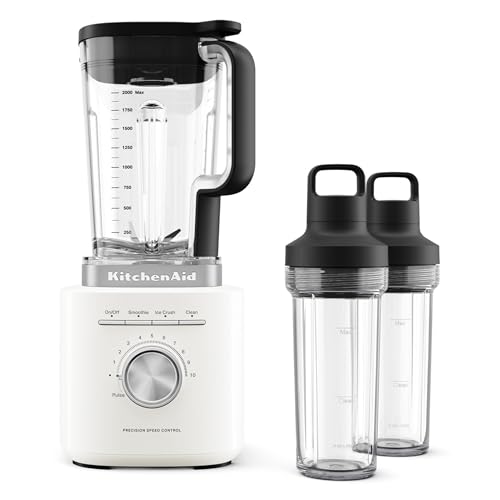


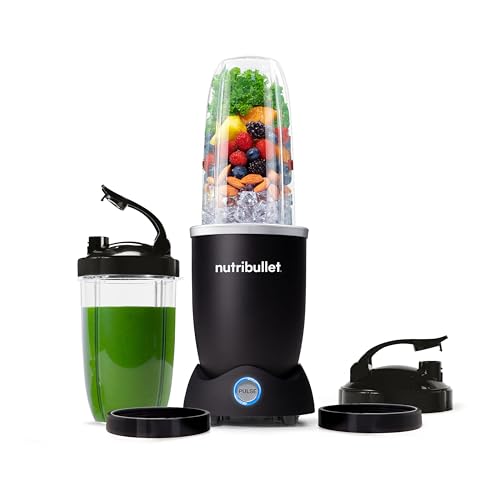

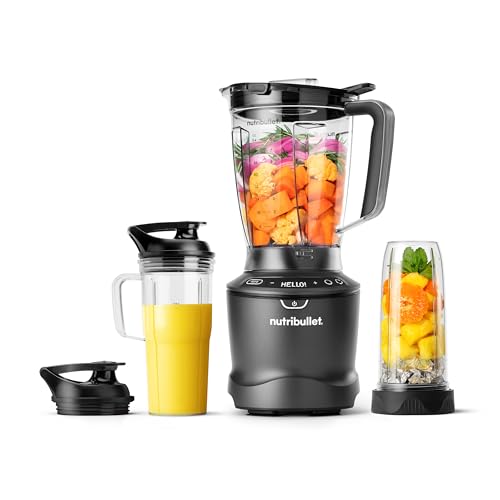
Picks by Budget
These profiles describe the machine worth buying at each level, not named models. Apply them to any option in the product table above.
Budget Level
A workable budget profile costs around $60 to $100 and makes thick bowls in single servings with patience. Look for at least 600 to 900 watts, a smaller jar that keeps a small batch near the blades, and pulse control. You will add liquid a spoon at a time and stop to scrape more often, and a tamper may not be included. This level suits occasional bowls made with banana and softer frozen fruit. Very hard frozen mango or large ice loads will test its limits and shorten motor life if you push them often.
Midrange Level
The midrange profile, around $120 to $250, is where thick bowls become routine. You get a tamper sized to the jar, variable speed with a strong low gear, and a wide jar base that lets dense mixtures fold over the blades. Results are smooth with minimal added liquid, and batches for two people finish without repeated scraping. If you also make regular drinks, compare shapes in our guide to the best blenders for smoothie bowls, which covers bowl focused routines in more depth.
Premium Level
A premium profile, around $300 to $500 or more, delivers the thickest results with the least effort. Strong cooling supports long low speed runs, the tamper and jar work as a matched system, and warranties reach 7 to 10 years. You can process frozen fruit with almost no added liquid and still get a smooth swirl. This tier suits daily bowl makers and cafes at home who top bowls for the whole family. The cost and footprint are the clear trade offs.
What Your Money Gets You at Each Price Tier
Budget Tier: What to Expect
Budget machines can make a thick bowl if you help them: cut fruit small before freezing, use a small batch, and pulse rather than running nonstop. Jars are often narrow and tall, which suits drinks but traps thick mixtures above the blades. Expect more noise, shorter warranties of about 2 years, and plastic parts that stain faster. As a starter tier for weekend bowls, it is acceptable, as long as you accept extra scraping and a little more liquid in the blend.
Midrange Tier: The Sweet Spot for Most Buyers
Midrange machines add the two things thick bowls need most: a tamper and real low speed torque. The mixture keeps moving, air pockets collapse with a push of the tamper, and texture stays dense because you add less liquid. Jar materials improve to Tritan marked BPA free, seals leak less, and motors handle daily use. For most home bowl makers, this tier ends the frustration of stalls without the premium price, and it still handles ordinary smoothies and soups with ease.
Premium Tier: When Spending More Pays Off
Premium machines pay off when thick blends are a daily habit. Their motors stay cool during the long, slow work that dense mixtures demand, and their speed dials give fine steps between low and medium where bowl texture is decided. Parts fit better, tampers reach closer to the blades safely, and jars resist odors from nut butters and spices. If you make bowls for several people each morning, the minutes and failed batches you avoid justify the higher price over years of use.
Features Worth Paying For (and Ones to Skip)
Noise Level
Thick blending is loud because the motor works hard at low speed for longer than a drink cycle. Heavier bases and sound shields on premium models reduce the harsh edge, which matters for early mornings in apartments. A practical trick is to freeze fruit in flat packs and break them into pieces before blending, which shortens run time and noise. No blender is quiet, so judge noise claims against motor size and cycle length rather than marketing words.
Motor Power and Wattage
For thick bowls, torque and cooling matter more than a peak watt headline. Around 1,000 watts or more in a well designed full size machine gives confident results, while smaller personal machines can work for single bowls if the batch stays small. What fails thick blends is heat: a motor that shuts down mid batch ruins texture. Longer warranties and heavier bases are useful clues that the motor can sustain hard low speed work.
Features That Matter for Thick Smoothie Bowls
A matched tamper, a wide jar base, and variable speed are the core trio. The tamper pushes dense fruit into the blades without adding liquid, the wide base lets the mixture fold, and low speed keeps it thick. Technique helps too: layer a small amount of liquid and soft banana at the bottom, frozen fruit on top, then tamp in a steady rhythm. If your interest is bowls built on acai, see our guide to the best blenders to make acai bowls for base specific tips.
Speed Settings and Presets
A dial with fine low speed steps beats a panel of presets for bowls, because texture changes in seconds. Pulse frees stuck chunks, and a short high speed finish can smooth the surface without thinning the body if you keep it brief. Some presets include a tamper friendly cycle that alternates speeds, which can help beginners. Whatever controls you choose, practice stopping early: an extra ten seconds can turn a spoon thick bowl into a drinkable smoothie.
Long Term Costs to Factor In
Thick blending wears gaskets, tampers, and blade assemblies faster than drink making, so check replacement prices before you buy. A spare small jar can be a smart cost for single servings, since small batches blend better in a small container and save ingredients. Electricity use stays minor, but failed batches are the hidden cost: a machine that stalls wastes fruit and time. Favor models with parts sold separately for years. For very dense drink style blends on other days, our guide to the best blenders for thick smoothies explains how the same torque points apply.
Storage matters as well. Tampers, extra cups, and lids multiply in a drawer, and a tall jar may claim permanent counter space. Choose a system whose parts nest or store together, and the daily routine stays simple enough that you actually keep the habit.
Blenders: Your Questions Answered
What features matter most in blenders for thick smoothie bowls?
A matched tamper, strong low speed torque, and a wide jar base matter most, because thick mixtures must keep folding into the blades with little liquid. One overlooked point is jar volume markings for small batches: clear low volume marks help you add liquid by the spoon with control instead of guessing and thinning the bowl.
How many watts does a good blender need?
A full size machine around 1,000 watts or more handles thick bowls with confidence, while smaller units can manage single servings at lower power if batches stay small. Cooling and blade design decide whether that power lasts through a dense blend. If a motor smells hot or fades in speed, the batch is too large or too dry.
What's the difference between a blender and a food processor?
A blender with a tamper creates a smooth, swirled bowl base, while a food processor chops and can make a grainier, sorbet like texture with its S blade. Some people prefer the processor texture for very low liquid blends. For a classic smooth bowl with neat toppings, the blender gives the finer, more even result.
Is a more expensive blender worth it?
It is worth it if thick bowls are a daily habit, because premium cooling, tampers, and warranties prevent stalls and early replacement. Weekend bowl makers usually get the same breakfast from a midrange model with good technique. Spend first on the tamper and jar system, since those parts decide texture more than extra preset programs.
Can a blender crush ice?
Yes, a strong blender crushes ice, but thick bowls rarely need much ice, since frozen fruit gives better flavor and body. If you do add ice, use small cubes and pulse first. Large cubes in a nearly dry blend bounce above the blades and strain the motor, so frozen fruit is both tastier and kinder to the machine.
Final Thoughts
Judge bowl blenders by tamper fit, low speed torque, and jar shape, in that order. Midrange systems satisfy most homes, and premium systems reward daily users. When you compare finalists in the product table above, remember that the best blenders for thick smoothie bowls choice is the one that stays thick with the least added liquid. If you are still exploring formats, our guide to the best blenders to make smoothie bowls and our notes on the best fruit smoothie blenders can help you narrow the field.

