
Best Blenders for Thick Smoothies in 2026: Which Type Is Right for You?
Disclosure: We may earn a commission when you buy through links on this page, at no extra cost to you. As an Amazon Associate I earn from qualifying purchases. Learn more

Compare the best blenders for thick smoothies by type, with pros, cons, ideal users, and price guidance to help you choose the right style with ease.
A thick smoothie should hold a spoon upright and swirl like soft serve, but many blenders leave you with an air pocket, a spinning blade, and a lumpy mess. The difference usually comes down to type: jar shape, power delivery, and whether the design can move a dense mixture at all. This guide compares the main types so you can choose the best blenders for thick smoothies for your kitchen and your routine.
Start with the type comparison, glance at the comparison table below, and then use the choosing points and tips that follow to land on the right style.

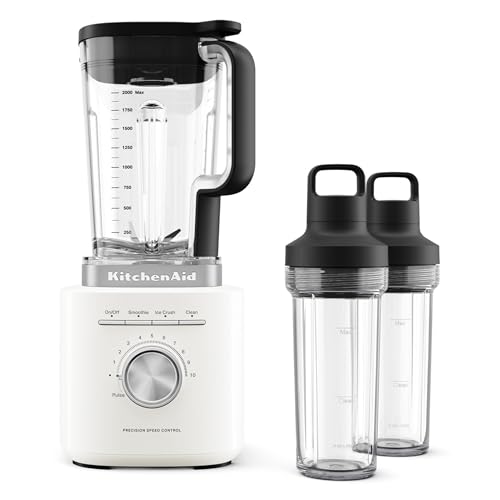

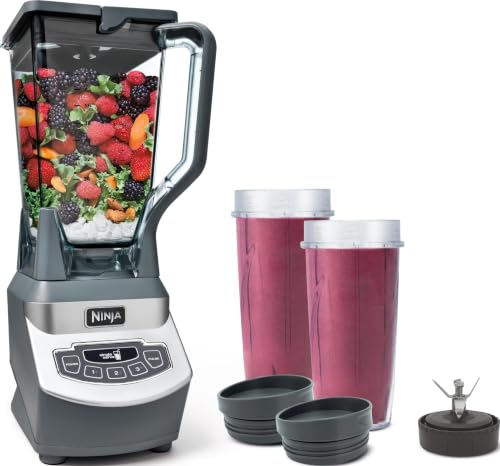

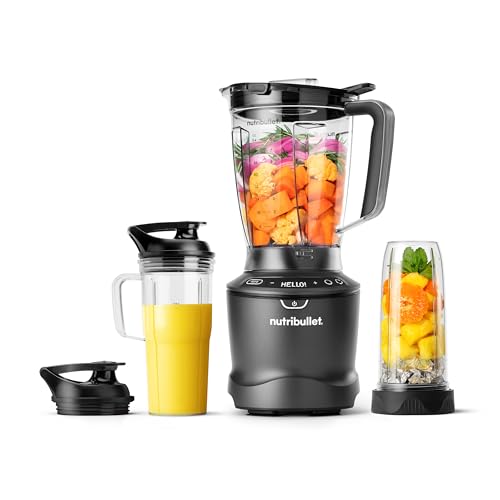


Types of Blenders Compared
The short version first. Full size countertop blenders are the classic choice for thick smoothies, at about $80 to $500, because a wide jar and a tamper keep dense mixtures moving. Food processors, around $50 to $250, chop well but struggle to create a pourable swirl. Combination units that pair a blender jar with a processor bowl, roughly $120 to $300, trade peak performance for versatility. The details below show how each type behaves with frozen fruit, nut butter, and very little liquid.
Full Size Countertop Blenders
A full size countertop blender uses a tall, wide jar on a powerful base, and it remains the benchmark for thick smoothies. The jar geometry builds a vortex that folds frozen banana, berries, and greens down into the blades, while a tamper lets you press the mixture through the stubborn first thirty seconds. Capacity suits family batches, and strong models finish a dense blend in about a minute. The trade offs are size, noise, and price at the top end. If thick smoothies are a daily habit, this is the type to beat, and our guide to the best blenders for smoothies shows how these machines handle thinner recipes too.
Food Processors
A food processor spins a flat blade across a wide bowl, which is excellent for chopping and for very thick mixtures such as smoothie bowls that you eat with a spoon and never pour. Because the bowl is wide and the blade sits low, liquid mixtures do not form a vortex, so drinkable smoothies often end up uneven, with fine puree at the bottom and chunks at the top. Seals can also weep with thinner blends. Choose a processor if your thick smoothie is really a bowl, or as a prep partner, but not as your only smoothie machine.
Blender and Food Processor Combos
A combo unit puts a blender jar and a processor bowl on one shared base. You save money and storage space compared with buying two machines, and the blender side usually handles thick smoothies respectably, especially in midrange systems with a tamper or a well shaped jar. The compromise is that neither side matches a dedicated top tier machine: the jar may be narrower, and the shared motor works harder across both jobs. For small kitchens that cook widely, a combo is a sensible middle path. Fans of frozen bases should also read our guide to the best blenders for frozen smoothies for more on handling fully frozen fruit.
Full Size Countertop Blenders vs Food Processors: Which Should You Choose?
Compare them on the jobs that matter. For texture, the countertop blender wins for anything you drink, because its vortex produces an even, creamy result, while the processor wins only for spoonable bowls. For liquid range, the blender handles everything from thin to thick, while the processor is happiest at the thick, low liquid end. For batch size, both manage family amounts, though the blender jar pours far more cleanly. For cleanup, the blender jar rinses and self cleans in seconds, while a processor bowl, blade, and lid take longer to wash and dry. For versatility, the processor chops, slices, and shreds, which the blender cannot do. The verdict is simple: choose the countertop blender as your smoothie machine, and add a processor later only if your cooking needs its chopping skills.
How to Choose the Right Blender
Type decided, four finer points separate a good thick smoothie machine from a frustrating one. Read them with your own recipes in mind, especially how little liquid you like to use.
Warranty and Motor Reliability
Thick smoothies are hard duty, because the motor pushes against a dense, resistant load every single blend. Warranty length is therefore a useful reliability signal: one year is minimal, three to five years is solid, and seven to ten years marks machines built for daily strain. Check whether the warranty covers the jar and drive parts or the motor alone. A brand with easy replacement parts protects you further. If budget forces a choice, a longer warranty on a slightly less powerful machine often beats raw power with thin coverage.
Features That Matter for Thick Smoothies
Density is the whole challenge, so features that keep a thick mixture moving matter most. A tamper is the single most valuable accessory, letting you push frozen fruit into the vortex without adding water. A wide jar base, at least 48 to 64 ounces for family batches, gives the mixture room to fold over itself. Variable speed lets you start slow so the load settles, then climb to full power. BPA free Tritan jars resist staining from berries and turmeric, and a tight lid prevents the splashes that thick blends love to throw. Shoppers short on space can compare these points with our guide to the best small blenders for smoothies before giving up on a full size jar.
Motor Power and Wattage
For thick smoothies, around 1,000 to 1,400 watts gives you comfortable headroom, because the motor must keep torque while the mixture resists. Machines near 700 watts can succeed if the jar is well shaped and you use the tamper with patience. Wattage alone misleads, though: a strong motor in a narrow jar still stalls, while a smart jar makes modest power feel mighty. Listen for a motor that holds its note under load rather than surging and fading, since steady sound usually means steady blending.
Footprint, Storage, and Cord Length
Powerful countertop models are tall, often 17 to 20 inches with the jar on, so measure your cabinet clearance before ordering. Some households store the jar in a cupboard and the base on the counter to solve the fit. A cord around three to four feet gives you placement freedom without a tangle on the counter. Weight matters too if you move the machine often, since premium bases are heavy by design. Compact kitchens may prefer a personal size machine, and our guide to the best personal blenders for smoothies explains what you gain and give up at that size.
Tips to Get the Most From Your Blender
Technique can rescue an average machine and elevate a good one. Add liquids first, then soft ingredients, then frozen items on top, so the vortex starts easily and pulls the dense load down in order. Do not fill past the max line, because a thick mixture needs headroom to fold and circulate. Use the tamper in slow circles during the first half minute rather than ramming it down. If the blend stalls, stop, add one or two spoonfuls of liquid, and restart. Clean the jar right away with warm water and a drop of soap, since dried smoothie residue clings like cement.
FAQs
What features matter most in blenders for thick smoothies?
A tamper, a wide jar, and strong steady power matter most. The tamper defeats air pockets, the wide jar lets the dense mixture fold and circulate, and power near or above 1,000 watts keeps the blades moving under load. Variable speed helps you start gently so ingredients settle. Together these features produce the spoon standing texture that defines a thick smoothie, without watering the recipe down.
Is a more expensive blender worth it?
For daily thick smoothie makers, it often is, because premium machines blend faster, stall less, and carry warranties that can reach a decade. That durability spreads the cost across thousands of blends. If you blend thick recipes only on weekends, a capable midrange model delivers most of the texture for much less. Judge by cost per year and by how much liquid you refuse to add, since low liquid recipes reward stronger machines.
What is the difference between a blender and a food processor?
A blender forms a vortex in a tall jar, pulling ingredients down until the result is smooth and pourable. A food processor chops across a wide bowl, which suits spoonable bowls and prep work but leaves drinkable smoothies uneven. Processors also leak more easily with thin liquids. For a smoothie you drink, pick the blender. For a smoothie bowl you top with granola, either tool can work, though the blender still gives a creamier base.
How many watts does a good blender need?
Plan on roughly 1,000 watts or more for reliably thick smoothies, especially with frozen fruit and little liquid. Around 700 to 900 watts can work when the jar shape is smart and you use a tamper well. Below that, expect to add liquid or blend in smaller batches. Remember that jar design decides how much of the wattage becomes useful motion, so weigh shape and tamper alongside the number on the box.
Can a blender crush ice?
Yes, a countertop blender with enough power crushes ice well, and the same strength serves thick smoothies. Start with liquid in the jar, add ice on top, and ramp the speed up so the blades build momentum. Smaller cubes are kinder to any motor. If ice is a daily ingredient in your drinks and smoothies alike, the machines compared in our guide to the best blenders for smoothies and ice are built for exactly that double duty.
How do I clean a blender quickly?
Rinse the jar immediately after pouring, because smoothie residue hardens fast. Then blend warm water with a drop of dish soap for about 30 seconds, rinse, and air dry with the lid off. Berry and greens stains fade with a short soak in warm water and a spoon of baking soda. Wipe the base with a damp cloth only, and wash the tamper by hand so its seal stays tight.
Our Verdict
For drinkable thick smoothies, a full size countertop blender with a tamper and steady power is the type that delivers, while processors and combos play supporting roles. Match the comparison table above against your batch size, liquid habits, and storage space. Choose the best blenders for thick smoothies style that fits your mornings, and every blend will come out dense, smooth, and spoon worthy.


