
Best Blenders for Smoothie Bowls 2026: Thick and Creamy Every Time
Disclosure: We may earn a commission when you buy through links on this page, at no extra cost to you. As an Amazon Associate I earn from qualifying purchases. Learn more

Torque, a tamper and jar shape decide a thick bowl. A buying guide to the best blenders for smoothie bowls, with prep tips for creamy results.
A smoothie bowl is thick enough to eat with a spoon, and that is exactly where ordinary blenders fail. This guide to the best blenders for smoothie bowls explains which features keep a dense frozen mixture moving with very little liquid, so the bowl comes out creamy instead of icy or thin.
The product table lists blenders that suit this job. The sections below explain how to read power, jar shape, tamper design and speed control, so you can pick the machine that fits your mornings and your budget.


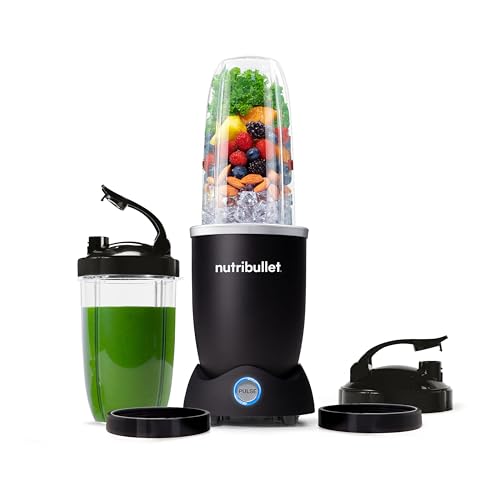


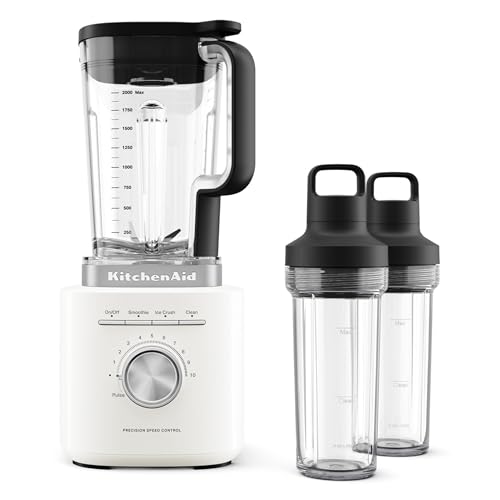
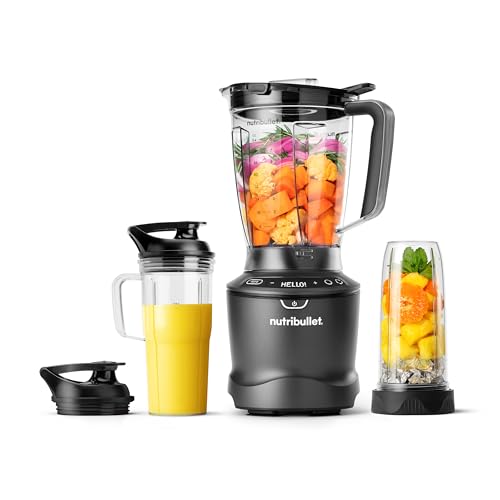

What Makes a Smoothie Bowl Hard to Blend
A drinkable smoothie has plenty of liquid, so the blades always have something to circulate. A bowl uses frozen fruit, a little milk or juice and sometimes yogurt, which forms an air pocket around the blades if the machine cannot pull the mixture down. The result is a spinning blade, a stalled motor and a lumpy top layer.
That is why the best blenders for smoothie bowls are chosen for torque, jar shape and a tamper rather than for top speed alone. A machine that handles a thick bowl will handle a regular smoothie with ease.
Key Features to Compare
Motor Power and Cooling
For regular thick bowls, look for roughly 1,000 watts or more in a full size blender. Personal bowl blenders can work for one serving if the batch stays small. Heat is the real enemy: a motor that shuts down mid batch ruins the texture, so a heavier base, good ventilation and a longer warranty are useful signs of stamina.
Tamper and Jar Shape
A tamper lets you push frozen fruit into the blades while the motor runs, which removes air pockets without adding extra liquid. A jar that is wide at the base and narrows slightly toward the top helps dense mixtures fold over themselves. Narrow tall jars are fine for drinks but tend to trap a thick bowl above the blades.
Speed Control and Presets
A dial with a true low speed and pulse is more useful than a long list of presets. Start slow so the load settles, then raise the speed for a short finish. Some bowl presets alternate speeds automatically, which helps beginners.
Jar Size
Match the jar to your usual serving count. A personal cup of 18 to 24 ounces suits one bowl. A 48 to 64 ounce jar suits two to four bowls, but it needs enough fruit to cover the blades, so a single small serving may not blend well in it.
Noise and Cleaning
Thick blending runs longer and louder than a drink. Heavier bases and sound shields help a little. Rinse the jar straight after use, since frozen fruit and acai stain and harden quickly, and a short soapy blend cycle handles most residue.
Types of Blenders for Smoothie Bowls
- Full size countertop blenders: the most reliable choice for thick bowls, especially with a tamper and strong low speed torque.
- Personal bowl blenders: compact cups for single servings, quick to clean, but they need small batches and patience.
- Combination systems: a blender jar plus a processor bowl on one base, handy if you also chop and puree.
- Food processors: they can make a spoonable sorbet like base, but they cannot make a pourable smoothie, so they work best as a second tool.
Budget and Value
Expect to pay about $60 to $150 for a capable personal or midsize blender and $150 to $500 for high performance machines with a tamper and a long warranty. Weekend bowl makers usually get the same breakfast from a midrange model with good technique. Daily users benefit from stronger cooling and longer cover.
How to Get a Thick, Creamy Bowl
Put a small splash of liquid and any soft fruit such as banana in first, then add frozen fruit on top. Start on low speed, use the tamper in steady circles, and add liquid a spoonful at a time only if the blades stop catching the fruit. Stop as soon as the surface looks smooth, because extra blending warms the mixture and thins it.
Cut fruit into smaller pieces before freezing, and spread it flat on a tray so it does not freeze into one block. Smaller frozen pieces blend faster, strain the motor less and need less added liquid.
Common Mistakes to Avoid
- Adding too much liquid at the start, which turns a bowl into a drink.
- Skipping the tamper and letting the blades spin in an air pocket.
- Choosing a huge jar for one serving.
- Running the motor for minutes without a pause on a very dry mixture.
- Buying on wattage alone and ignoring jar design.
Prep Ahead for Faster Bowls
Peel and slice bananas, then freeze them in a single layer before bagging them. Portion berries, mango and acai into single serving bags so you can pour them straight into the jar. Keep toppings such as granola, seeds and sliced fruit ready in containers. A prepared freezer turns a bowl into a two minute breakfast, even with a personal blender.
Counter Space and Storage
Strong blenders are tall, so measure the gap under your cabinets with the jar on. Check that the tamper has a clear storage place and that the cord reaches your outlet. A machine that stays on the counter is used more often than one that lives in a cupboard.
Related Guides
For nearby choices, see these guides on blenders to make smoothie bowls, blenders for thick smoothie bowls, blenders to make acai bowls and fruit smoothie blenders.
Frequently Asked Questions
Do I need a tamper to make smoothie bowls?
It is strongly recommended. A tamper pushes frozen fruit into the blades without extra liquid, which keeps the bowl thick. Without one you will stop often to scrape the sides and add more liquid than you want.
How many watts does a blender need for smoothie bowls?
About 1,000 watts or more suits regular thick bowls in a full size jar. Smaller personal blenders can manage single servings at lower power if you use small batches and soft frozen fruit.
Can a personal blender make a smoothie bowl?
Yes, for one serving, if it has a decent motor and you cut the fruit small. Expect to pause, shake or stir, and add a little liquid by the spoonful.
Why does my smoothie bowl turn runny?
Usually too much liquid, too much blending time or a warm mixture. Use frozen fruit rather than ice, add liquid slowly and stop as soon as the texture is smooth.
How do I clean a blender after a smoothie bowl?
Rinse straight away, add warm water and a drop of soap, and blend for about 30 seconds. Rinse again and dry with the lid off. Wipe the base with a damp cloth only.
Final Thoughts
Choose for torque, a tamper and a jar that suits your usual serving, then check the warranty and the space on your counter. Compare the product table with those points in mind, and the best blenders for smoothie bowls for your kitchen will be easy to spot.

