
Best Blenders For Smoothies And Ice 2026: Buying Guide
Disclosure: We may earn a commission when you buy through links on this page, at no extra cost to you. As an Amazon Associate I earn from qualifying purchases. Learn more

How to pick a blender for smoothies and ice that crushes frozen fruit smoothly, with power, blade, jar and recipe tips for daily use and best results.
Smoothies with ice should feel silky, not gritty, yet many blenders leave chunks or stall on frozen fruit. The right best blenders for smoothies and ice combine enough power with a blade and jar design that pulls frozen ingredients down evenly. The comparison table below gives a quick overview, and this guide explains how to judge ice crushing performance.
Frozen fruit, ice cubes, and leafy greens each challenge a blender differently, so a model that handles one may struggle with another. Your daily recipe mix matters more than marketing claims about power. This guide helps you test for the textures you actually drink.


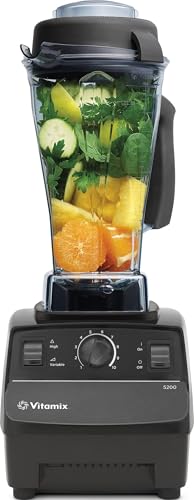


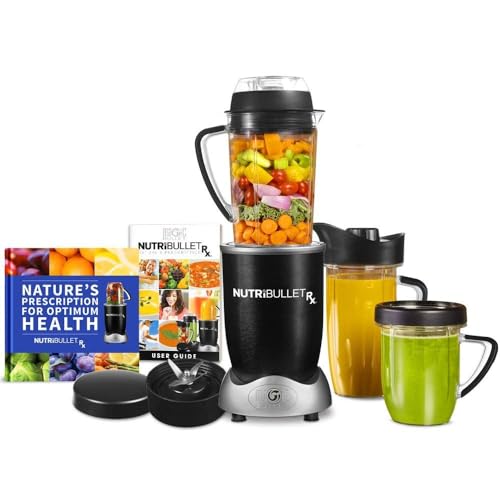
Who Should Buy Best Blenders For Smoothies And Ice
These blenders suit daily smoothie drinkers, fitness fans, and families who blend frozen fruit and ice regularly. They also suit people who make smoothie bowls and frozen drinks at home. If you blend only soft fruit, a simpler personal blender may save money and counter space.
Types Compared
Smoothie and ice blenders divide by size and power approach.
Personal Smoothie Blenders
Personal blenders blend single servings directly into a travel cup, which suits busy mornings. They handle soft fruit and small ice amounts well, but struggle with large frozen batches. They cost less, for about $30 to $80, and clean up fast.
Countertop Smoothie Blenders
Countertop models offer larger jars and stronger motors for family batches and tougher frozen blends. They suit households that blend daily for several people. They take more counter space, but they crush ice more reliably than most personal models.
High Performance Ice Blenders
High performance blenders use powerful motors and robust blades to pulverise ice and frozen fruit into smooth textures. They suit smoothie bowl lovers and anyone who blends frozen ingredients daily. Prices run about $200 to $500, but durability and texture justify the cost for heavy users.
Key Features to Compare
Ice Crushing Power
Ice crushing needs sustained power and a blade that keeps contact with frozen pieces, not just a high wattage number. Look for ice specific settings or a strong pulse function. Test with a handful of ice cubes and frozen berries, since that combination reveals weak blending fast.
Blade Design and Jar Shape
Blades with varied angles and a tapered jar create a vortex that pulls frozen chunks down repeatedly. Flat jars and single angle blades often leave chunks near the top. Stainless steel blades hold an edge longer, which matters for daily ice use.
Speed Control and Pulse
Variable speeds let you start slow to break ice, then increase for a smooth finish. Pulse gives short bursts that prevent over blending and overheating. Preset smoothie programs help beginners, but manual control suits experienced users who adjust texture by feel.
Jar Size for Smoothie Batches
Jar size should match your usual serving count, since too large a jar blends single servings poorly. Personal cups suit one serving, while 48 to 64 ounce jars suit families. Check minimum fill lines, since some large jars need a minimum volume to blend well.
What Your Money Gets You at Each Price Tier
Budget blenders handle soft smoothies and small ice amounts for about $30 to $90. Midrange models add stronger motors and better blades for daily frozen blends for about $90 to $200. Premium models deliver silky textures and long durability for about $200 to $500, which suits daily frozen blending best.
Common Mistakes to Avoid
Avoid these smoothie blender mistakes for smoother results every time.
- Adding frozen ingredients first, which blocks blades before liquid can circulate.
- Overfilling the jar, which prevents a proper vortex from forming.
- Running the blender nonstop on ice, which can overheat the motor.
- Choosing a large jar for single servings, which blends unevenly.
Everyday Use and Care
Rinse the jar immediately after blending, since frozen residue hardens fast. Clean blades carefully and check for dullness yearly with heavy ice use. Avoid blending boiling liquids in a sealed smoothie jar, and store the blender dry to prevent odours.
The product table above gives a quick side by side view, so use it to shortlist two or three options before you read the details again.
A Final Check Before You Buy
Before you buy, note your usual recipe, serving count, and how often you blend ice. Test with frozen fruit and ice if possible, check jar size and cleaning ease, and measure counter space. Keep the receipt until you have made several daily smoothies, since repeated use reveals motor strain and texture issues.
Getting the Most From Your Choice
Recipe design affects smoothie texture as much as blender power, since ingredient ratios decide whether the result turns silky or icy. A good starting ratio uses roughly one part liquid to two parts frozen ingredients by volume, then adjusts to taste, since too little liquid stalls blades while too much liquid makes a thin drink. Frozen bananas and mangoes blend creamier than ice alone, so mixing frozen fruit with a smaller amount of ice often gives a better texture than ice heavy recipes. Leafy greens blend best when added after liquid and before frozen items, since that order lets blades chop greens fully before ice thickens the mix. Taste and adjust sweetness after blending, since frozen ingredients dull sweetness and a small amount of fruit or honey after blending balances flavour better than over sweetening at the start.
Daily smoothie habits also affect blender longevity, since motor strain accumulates from repeated ice crushing. Let frozen ingredients soften for a few minutes out of the freezer, which reduces load without changing texture much. Pulse in short bursts rather than running continuously on ice, and pause if the motor sounds strained or smells hot. Clean the jar immediately after each use, since dried smoothie residue around blades hardens quickly and makes later cleaning difficult. Keep a spare gasket if your model uses one, since worn gaskets cause leaks that look like blender faults. With these habits, even a midrange blender can handle daily frozen smoothies for years.
Related Buying Guides
For blenders for smoothies, read our guide to best blenders for smoothies.
For blenders for making smoothies with ice, see our guide to best blenders for making smoothies with ice.
For small blenders for smoothies, read our guide to best small blenders for smoothies.
For personal blenders for smoothies, see our guide to best personal blenders for smoothies.
For blenders for frozen smoothies, read our guide to best blenders for frozen smoothies.
If Your First Choice Does Not Work
If smoothies still come out chunky, change loading order and ratios before blaming the blender. Put liquid first, then soft fruit and powders, then greens, then frozen items on top, and pulse to break large pieces before blending continuously. Too little liquid stalls blades, while too much liquid makes a thin drink, so adjust by small amounts until texture improves. Let frozen fruit soften for a few minutes, use smaller ice cubes, and avoid overfilling, since a crowded jar cannot form a vortex. If chunks persist despite good technique and the motor strains on every batch, a stronger countertop or high performance model likely suits your daily ice use better than a personal blender.
Frequently Asked Questions
Why does my smoothie have ice chunks?
Ice chunks usually mean too little liquid, wrong loading order, or a weak vortex. Add liquid first, then soft fruit, then frozen items on top, and use pulse to break chunks. If chunks persist, your blender may lack the power or blade design for daily ice use.
Should I crush ice before blending?
Pre crushing helps weaker blenders, but strong smoothie blenders handle whole cubes well. Use smaller cubes for easier blending and less motor strain. If your blender stalls on whole cubes, pulse in short bursts rather than running it continuously.
What order should I load a smoothie?
Load liquids first, then soft fruit and powders, then leafy greens, then frozen fruit and ice on top. This order lets blades circulate liquid first and pull frozen items down gradually. Wrong order is the most common cause of stalling and uneven texture.
Are personal blenders good for ice?
Personal blenders handle small ice amounts and soft frozen fruit, but struggle with large frozen batches. They suit single servings and occasional ice use. Daily heavy ice blending suits a countertop or high performance model better.
How long should a smoothie blender last?
A daily use smoothie blender should last several years with proper care, though blade sharpness fades with heavy ice use. Replace blades or gaskets when texture worsens or leaks appear. Motor strain, burning smells, or stalling signal that replacement is near.
Final Thoughts
Load ingredients in the right order, choose power and blade design for frozen work, and match jar size to your servings for consistently smooth results. Test with your toughest recipe before you commit, since marketing claims cannot show texture. Chosen this way, best blenders for smoothies and ice can make daily smoothies fast, smooth, and enjoyable.

