Best Blenders For Ice And Frozen Fruit of 2026: Complete Buying Guide
Disclosure: We may earn a commission when you buy through links on this page, at no extra cost to you. As an Amazon Associate I earn from qualifying purchases. Learn more

Crushing ice and frozen fruit tests any blender hard. Learn what motor, blade, and jar design really matter for thick frozen drinks and frozen desserts.
Frozen strawberries, mango chunks and a handful of ice are the toughest regular job a home blender gets. This guide to best blenders for ice and frozen fruit explains which features decide whether you get a smooth drink or a stalled motor, so you can shortlist with confidence.
Crushing ice and frozen fruit is the hardest regular job for a blender, and it separates strong, well designed models from ones that stall, overheat, or leave chunks. This guide focuses on power, blade design, and jar shape for frozen drinks and desserts.


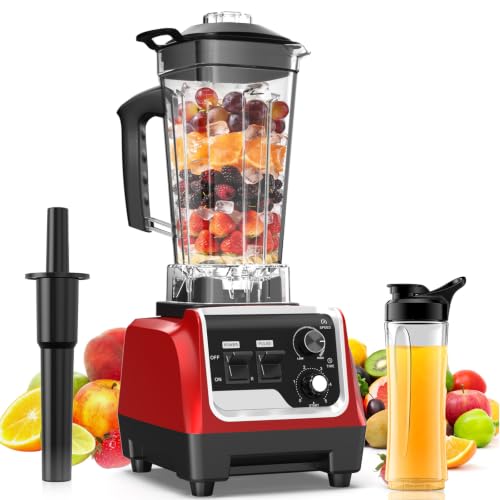

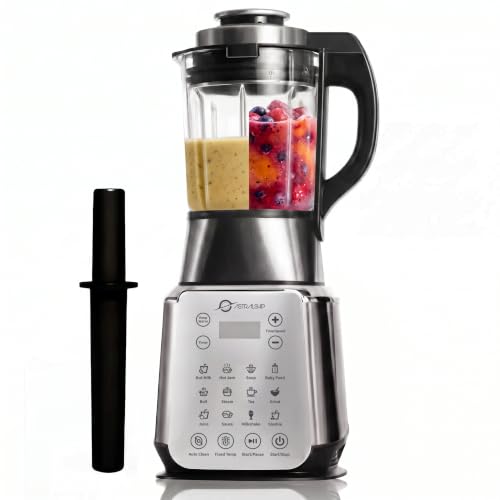
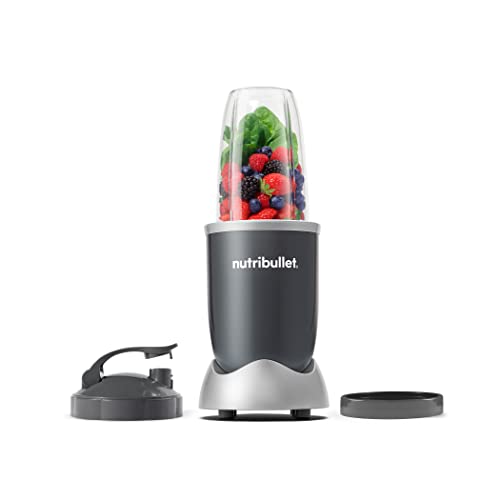

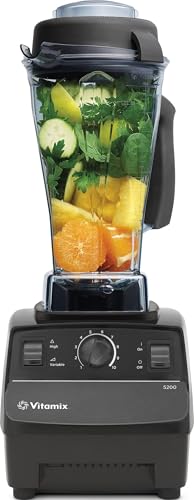
The comparison table below gives a quick overview of the main types, and the sections that follow explain each choice in more detail. Use the table to narrow your shortlist, then read the feature and buying sections to confirm the option that fits your routine and budget.
Who Should Buy This Type
A blender for ice and frozen fruit suits smoothie lovers, frozen dessert makers, and anyone who blends frozen berries daily. It suits you especially well if you make thick smoothie bowls or crushed ice drinks often. It may suit you less well if you mainly blend soft fresh fruit, where a lighter and quieter blender may serve you just as well for less money.
Types of Blenders for Ice and Frozen Fruit Compared
Most buyers choose from a small number of types, each with clear strengths and limits. The table below compares them at a glance, so you can see which type matches your main use before reading the detail.
| Type | Best For | Strength | Watch Out For |
|---|---|---|---|
| High performance countertop | Daily frozen drinks | Strong motor and thick jar | Loud and pricey |
| Mid range countertop | Regular smoothies | Good frozen performance | May need more liquid |
| Personal frozen blender | Single servings | Compact and quick | Small batches only |
| Commercial style blender | Frequent heavy use | Very durable motor | Large and expensive |
Choosing between types usually comes down to where and how often you will use the blender. A type that excels in one setting may disappoint in another, so match the type to your most frequent use rather than to an occasional scenario. If two types both seem close, the one that is easier to maintain and more comfortable in daily use is usually the safer pick.
Key Features to Compare
The features below matter more than headline claims, because they decide how the blender performs in real life. Work through them in order, and note which ones are essential for you and which are simply nice to have.
Motor and cooling
A strong motor with good cooling handles repeated frozen batches without overheating, which is where weaker blenders fail.
Blade design
Blades that pull ingredients down into the cutting zone blend frozen fruit more evenly than blades that just spin on top.
Jar shape
A jar that tamps or circulates thick mixtures prevents air pockets, which are the main cause of chunky frozen blends.
Liquid ratio
A little liquid helps frozen blends circulate, so learn the minimum liquid your blender needs rather than forcing dry ice through it.
How to Choose the Right One
Start with how you blend most weeks. A daily smoothie for one person points to a personal cup blender with a strong base. Thick smoothie bowls, sorbet and frozen cocktails for a few people point to a full size jar with a tamper and a motor that does not bog down.
Then check the practical details: how loud the machine runs, whether the jar and blade assembly go in the dishwasher, and whether replacement jars and gaskets are sold separately. Ice and frozen fruit wear blades and seals faster than soft ingredients, so spare parts matter more here than on a blender used only for juice.
Common Mistakes to Avoid
The most common mistake is loading the jar with solid ice and no liquid. Even a strong blender needs liquid or soft fruit to build a vortex, so pour liquid in first and put frozen pieces on top.
Another is judging only by peak wattage. A tall narrow jar with a low, thick blade often pulls frozen fruit down better than a wider jar on a bigger motor. Check jar shape and whether a tamper is included.
A third is overfilling. Stay under the max line, blend in two rounds if needed, and let the motor rest between rounds. Finally, avoid the cheapest model if you blend frozen fruit daily, since thin blades dull quickly and weak motors overheat.
A Final Check Before You Order
Measure the space under your cabinets, because many full size jars stand close to 18 inches tall with the lid on. Confirm that the lid has a secure lock, that the jar capacity suits your usual serving count, and that the warranty covers the motor for several years.
Also think about cleaning. A jar you can fill with warm water and a drop of soap, then run for 30 seconds, will actually get used on busy mornings.
Recipes That Put a Blender to the Test
Three recipes show quickly whether a blender copes. A smoothie bowl uses mostly frozen fruit with only a splash of liquid, so it tests the tamper and the motor. A frozen margarita or daiquiri uses a full jar of ice and checks how finely the blades crush it. Frozen fruit sorbet, made from frozen banana, mango or berries with little liquid, shows whether the machine can handle dense, hard ingredients without overheating.
If the blender handles all three, it will cope with almost anything you make. If it only handles the first, you probably want a stronger motor for frequent frozen blending.
Noise, Jar Size and Cleaning
Frozen blending is loud. Models with a sound shield or heavier base are quieter, though never silent. Jar size matters too: a 64 ounce jar is the right size for a family, but a very wide jar can leave frozen fruit stuck on the sides. Self cleaning cycles and dishwasher safe jars save time after sticky fruit.
Related Guides
For closely related choices, see our guides to best blenders for crushing ice and frozen fruit, best blenders for frozen fruit smoothies, best small blenders for frozen fruit, best personal blenders for frozen fruit, and best fruit blenders.
Frequently Asked Questions
Why does my blender leave chunks of frozen fruit?
Chunks usually mean the mixture is too thick to circulate, so ingredients sit above the blades instead of passing through them. Add a little liquid, use smaller frozen pieces, and pulse to break up clumps before a longer blend. A tamper, where fitted, helps push thick mixtures down safely without stopping the motor.
Can any blender crush ice?
No, because ice demands a strong motor, sturdy blades, and a jar that keeps ice moving into the blades. Weaker blenders can crack jars, dull blades, or overheat on ice. Check the maker guidance for ice use, start with small batches, and stop if the motor strains or smells hot.
Should I use fresh or frozen fruit for smoothies?
Frozen fruit gives a thick cold smoothie without diluting flavour with ice, while fresh fruit gives a lighter drink that blends more easily. Many people mix both, using frozen fruit for body and fresh fruit or liquid for flow. If your blender struggles, thaw frozen fruit briefly and cut large pieces smaller before blending.
How do I make thick smoothie bowls?
Use mostly frozen ingredients, very little liquid, and a tamper or frequent pulsing to keep the mixture moving. Blend in short bursts and scrape down the sides between bursts if your jar allows it safely with the motor off. Serve immediately, since a thick bowl softens quickly at room temperature.
Is a noisy blender normal for ice?
Some noise is normal when crushing ice, but grinding, rattling, or a burning smell is not. A loud but smooth blend is usually fine, while a struggling motor needs a rest and more liquid. If noise increases over time, check blades for dullness and the jar for cracks, since worn parts make frozen blending harder and louder.
Final Thoughts
For frozen fruit and ice, power helps, but jar shape, blade design and a tamper decide the texture. Use the table above to compare types, pick the size that fits your household, and choose the best blenders for ice and frozen fruit that you will be happy to run every day. Prices and stock can change, so check the product page before ordering.