
Best Blenders For Veggie Smoothies 2026: A Practical Guide
Disclosure: We may earn a commission when you buy through links on this page, at no extra cost to you. As an Amazon Associate I earn from qualifying purchases. Learn more
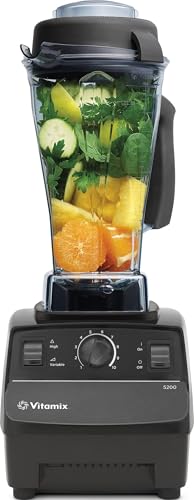
How to choose best blenders for veggie smoothies: compare a blade that handles leafy greens without leaving strands, enough power for frozen fruit and ice.
Spinach, kale, carrots and cucumber put different demands on a blender than a fruit smoothie does. This guide to the best blenders for veggie smoothies explains the power, blade and jar features that keep a green drink smooth instead of stringy, and how to pick between a personal cup and a full size jar. The comparison table below lists models you can compare.
Fibrous vegetables expose weak blenders fast: leaf strands wrap around blades, carrot chunks stay whole, and the motor strains. Choosing well means looking past wattage claims to blade shape and jar design.


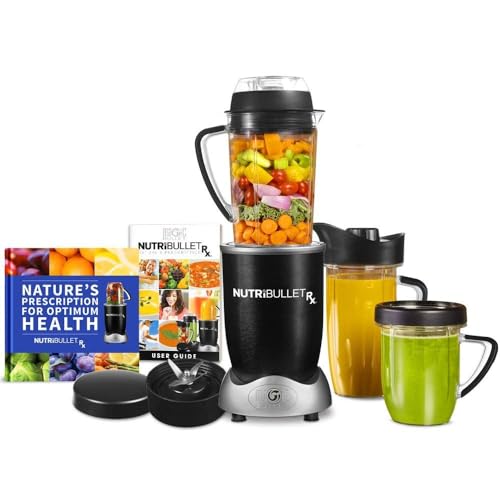


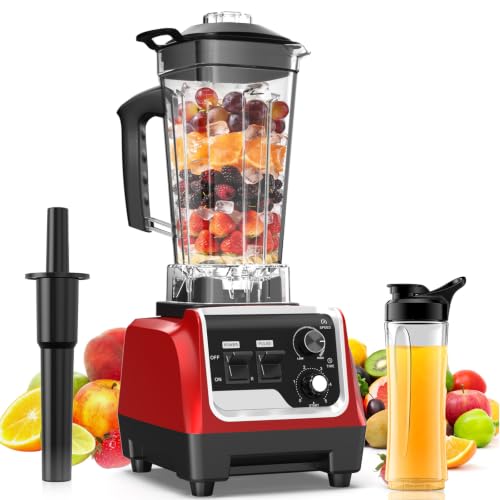

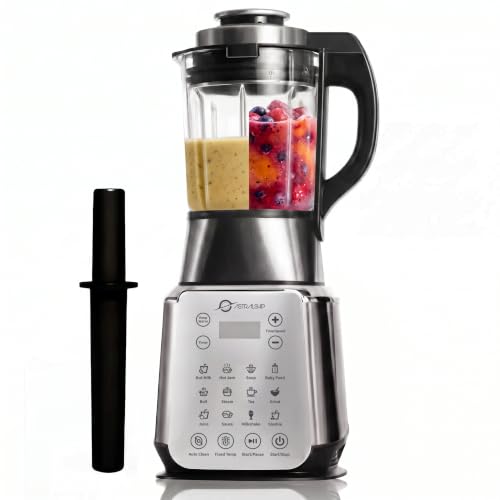
What Vegetables Ask From a Blender
Leafy greens are mostly fiber and water, so they need a fast blade and enough liquid to circulate. Hard vegetables such as raw carrot, beet or celery need strong, sustained power and a jar that keeps pulling them back into the blades. Frozen fruit added for sweetness adds a second challenge, since the blender has to crush ice cold pieces and shred fibers in the same run.
Who Should Buy Which Type
Daily Green Smoothie Drinkers
A strong full size jar blender with a tamper works best. It handles a big handful of kale and frozen fruit in one go and gives the smoothest texture.
Single Serve Routines
A personal blender with a cup you can drink from is quick for one smoothie. Choose one with a sturdy base and cut vegetables small, since personal cups struggle with large raw carrot or beet pieces.
Small Kitchens and Dorms
A compact blender with a narrow jar is enough for spinach and soft fruit and stores easily. Expect a little more texture from fibrous greens.
Key Features to Compare
Motor Power
For raw leafy greens and carrots, look for a base of about 1,000 watts or more in a full size model. Smaller personal motors can manage spinach and soft fruit.
Blade Design
Multi level blades chop greens at several heights. A blade that sits low in the jar catches small portions, which matters if you blend one serving at a time.
Jar Shape and Tamper
A tapered jar helps vegetables circulate, and a tamper pushes stubborn leaves into the blades without stopping the motor. Without a tamper you may need to stop and stir.
Speed Control
Start slowly and ramp up to a high speed for smooth results. A pulse setting helps break up carrot chunks before a full blend.
Ease of Cleaning
Greens leave green residue, so a jar you can rinse quickly matters. A removable blade or a dishwasher safe jar saves effort.
Types of Blenders for Vegetable Smoothies
High performance blenders give the smoothest drinks, with no strands at all, but they cost more. Midrange full size blenders with 1,000 to 1,500 watts handle most daily green smoothies when you add enough liquid. Personal blenders suit softer ingredients and single servings. Glass jars resist staining from carrot and beet, while plastic jars are lighter.
Tips for Smoother Vegetable Smoothies
Add liquid first, then leafy greens, then softer fruit, and put frozen ingredients on top. Blend the greens with the liquid first for 30 seconds before adding the rest, because that breaks down fibers before the ice thickens the mix. Cut hard vegetables small and use a pulse at the start. If the smoothie is gritty, blend longer rather than adding a lot more liquid.
A little acid such as lemon juice or sweet fruit such as banana or pineapple balances the bitter flavor of greens.
Common Mistakes to Avoid
The biggest mistake is loading the jar with frozen fruit and greens and no liquid, which stalls the blades. Another is cramming a huge bunch of kale into a small personal cup, which jams. Others include using a large jar for one portion and leaving residue to dry in the jar.
Choosing by Batch Size
One serving needs a 16 to 24 ounce cup. A couple of servings suit a 40 ounce jar. For meal prep, choose a 64 ounce jar and freeze portions in cups for the week.
Price Guide
Basic blenders that handle soft greens cost about $30 to $60. Midrange models with stronger motors cost about $70 to $150. High performance models cost $200 and up and give the smoothest result for daily raw greens.
Counter Space and Noise
Powerful blenders are loud and tall. Measure the space under your cabinets, and consider a model with a sound shield if you blend early in the morning.
Care and Maintenance
Rinse the jar right after blending, add warm water and a drop of dish soap, and run for 30 seconds. Check the blade assembly and gasket now and then, since fibrous vegetables wear them faster than soft fruit. Dry the parts fully before storing.
Sample Routine for a Week of Green Smoothies
Wash and dry spinach and kale on the weekend, cut carrots and cucumber into small pieces and portion everything into freezer bags with a banana and some berries. On a busy morning, tip a bag into the jar, add liquid and blend. Frozen portions chill the smoothie without ice, and they cut the time to under three minutes.
Use leafy greens first in the jar, blend them with the liquid, then add the rest. Rotate your greens so you do not get bored: spinach is mild, kale has more fiber and romaine is very gentle. A spoonful of nut butter or yogurt makes the drink creamier.
Flavor Combinations That Hide the Bitter Taste
If green drinks taste too grassy, pair spinach with pineapple and banana, kale with apple and lemon, or romaine with mango and mint. Cucumber adds mild freshness, and a little ginger gives a warm kick. Start with a small handful of greens and increase as your taste adjusts. Orange juice or coconut water makes a gentler liquid base than plain water.
Related Guides
For related choices, see our guides to the best blenders for smoothies, best veggie blenders, best small blenders for smoothies and best personal blenders for smoothies.
Frequently Asked Questions
Can any blender make a smooth green smoothie?
Many can if you add enough liquid and blend longer, but weaker blenders leave strands from kale or celery. A stronger motor and a good blade give a smoother result.
Do I need a high performance blender for vegetable smoothies?
Not always. A midrange blender is fine for spinach and soft fruit. For daily kale, raw carrot or beet, a high power model saves frustration.
How do I avoid a gritty vegetable smoothie?
Blend greens with liquid first, cut hard vegetables small, use a tamper or pulse, and blend a little longer. Straining through a fine sieve is a last resort.
Is a personal blender enough for greens?
For one serving of spinach and soft fruit, yes. For kale, big batches or hard vegetables, a full size jar works better.
How do I clean a blender after green smoothies?
Rinse at once, run warm soapy water for 30 seconds, then rinse and air dry. Greens stain more if they dry on the jar.
Final Thoughts
Match power and jar design to the vegetables you blend most, add liquid first, and choose a jar you can rinse quickly. Use the table above to compare models and pick among the best blenders for veggie smoothies for your routine. Prices and stock change, so check the product page before ordering.

