
Best Blenders for Pureeing Food Buying Guide for 2026
Disclosure: We may earn a commission when you buy through links on this page, at no extra cost to you. As an Amazon Associate I earn from qualifying purchases. Learn more

Compare budget, midrange, and premium blenders for pureeing food, and learn which features actually improve texture and daily use for everyday use.
Smooth soups, sauces and fruit purees come down to the right tool for the job. This guide to the best blenders for pureeing food explains when a jar blender wins, when a stick blender is easier, and which features separate a silky result from a grainy one. The product table below lets you compare models side by side.
Pureeing is gentler than crushing ice but fussier about texture. Cooked carrots, roasted tomatoes, beans and cooked grains all need a blade that pulls food down, a jar that circulates it, and enough control to stop at the texture you want.






Who Should Buy a Blender for Pureeing Food
Home cooks who make soup from scratch gain the most, because a smooth butternut or tomato soup is the classic test. Parents making baby food in small batches need easy cleanup and gentle control over thickness. Meal preppers who blend big pots of sauce want a large jar. People who want a smooth texture for dips such as hummus will also notice the difference between a basic and a strong motor.
If you only puree a little soup a few times a year, a stick blender is usually enough. If you puree weekly or in large batches, a full size jar blender is the better fit.
Types of Blenders for Pureeing Food Compared
Full Size Jar Blenders
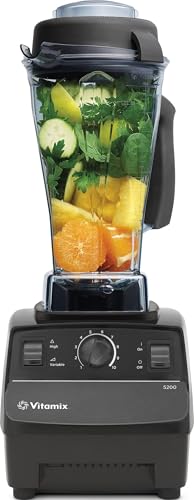
A jar blender gives the smoothest result and handles larger batches. The tapered jar pulls cooked food into the blades, and a tight lid lets you blend hot soup safely when the maker allows it. They take counter space and need more washing than a stick blender.
Stick (Immersion) Blenders
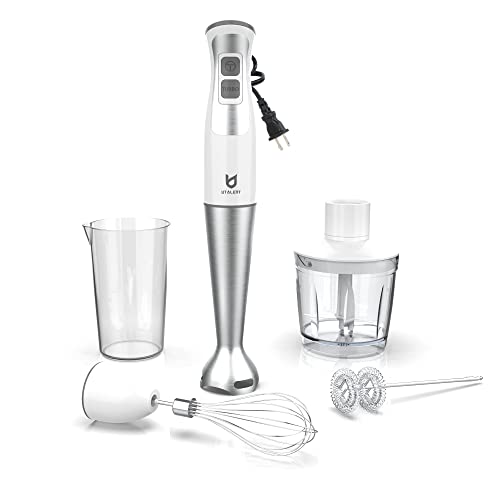
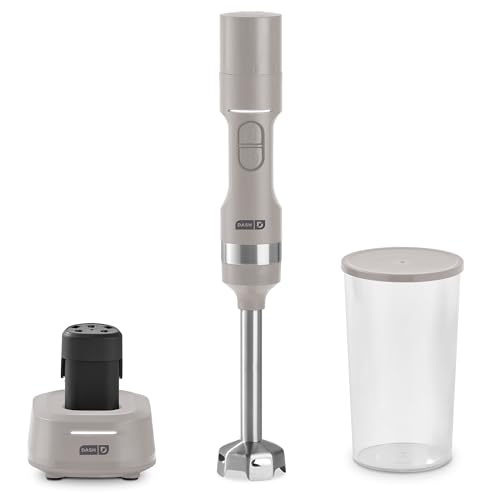
A stick blender goes straight into the pot, so there is no pouring hot soup into a jar. It is the quickest way to puree a pot of soup and it stores in a drawer. Results are slightly less uniform on fibrous foods, and the head must stay under the surface to avoid splashing.
Personal Cup Blenders
Small cup blenders puree one or two servings of fruit or soft cooked vegetables. They suit baby food portions and sauces for one, but they struggle with thick, dense mixtures and large batches.
High Power Blenders
Premium high speed blenders turn fibrous foods such as kale stems, nuts and seeds into very smooth purees. They cost more and run loud, but if you want restaurant smooth soup every time, the extra power shows.
Key Features to Compare
Motor Strength
Dense foods such as cooked beans or sweet potato need a motor that does not slow down. Look for steady power rather than a large peak wattage number, and a motor that is rated for continuous runs of a minute or more.
Blade Design and Jar Shape
Blades that sit low in a tapered jar pull food into the cutting zone. A wide flat jar leaves a pocket of unblended food near the top. A removable blade assembly is easier to clean around.
Speed Control and Pulse
Start low and ramp up. Variable speed helps you reach the texture you want, from slightly rustic to velvety. A pulse button breaks up chunks first, so the motor does not struggle.
Heat Handling
If you puree hot soup, check the manual. Some jars have a vented lid for steam, others are meant for cold or warm food only. A stick blender avoids the issue by working in the pot.
Easy Cleaning
A jar with a simple shape that you can fill with warm soapy water and run for thirty seconds will get used more often. Stick blender shafts that detach and go in the dishwasher save time.
Tips for a Smooth Puree
Cook vegetables until they are very soft, since undercooked pieces are the main cause of lumps. Add liquid gradually: start with a little stock or water and thin the mixture after blending, because it is easier to add liquid than to take it away.
Blend hot food in small batches, never fill a jar past half when it is hot, and keep a hand on the lid with a cloth. For stick blenders, tilt the pot slightly and keep the head submerged. For a very fine finish, pass the puree through a fine sieve.
For a coarse, rustic soup, pulse only a few times or blend half the pot and stir it back in.
Choosing by Batch Size
Batch size is the first filter when comparing the best blenders for pureeing food. For one or two servings, a cup blender or stick blender with a beaker is enough. For a family pot of soup, choose a jar of 48 ounces or more or a stick blender with a long shaft. For batch cooking and freezing, a large jar saves time because you blend fewer rounds.
Price Guide
Stick blenders start under $30 and good ones with stainless shafts run about $40 to $150. Basic jar blenders cost about $40 to $100. Midrange models with stronger motors cost about $100 to $200. High power blenders cost $300 and above. Most cooks pureeing soup and sauce do not need the top tier.
Safe Hot Blending
Steam expands quickly in a closed jar and can push the lid off. Let soup cool a few minutes, fill only half the jar, remove the center cap if your model allows it and cover the opening with a folded towel, then start at the lowest speed. Always follow the manufacturer's instructions for hot liquids.
Storage and Freezing
Cool purees quickly and refrigerate them in clean covered containers. Freeze in ice cube trays or small portions so you can thaw only what you need. For baby food, follow guidance from your pediatrician on ingredients and storage.
Related Guides
For related choices, see our guides to the best food blenders, best food processors for pureeing and best blenders for food and smoothies.
Frequently Asked Questions
Can a regular blender make smooth puree?
Yes, if the food is cooked until soft and you add enough liquid. A basic blender may leave small flecks in fibrous foods such as kale or celery, while a stronger motor leaves a smoother result.
How much liquid should I add for puree?
Start with about a quarter cup of stock, water or milk per two cups of cooked food, then add more a spoonful at a time until the blades pull the food down. You can always thin the puree afterward.
Do I need to cook vegetables before pureeing?
For most soups and baby food, yes. Cooking softens fibers so the blender can make a smooth texture. Soft raw fruit such as bananas or ripe pears can be pureed without cooking.
Why does my puree stay lumpy?
Lumps usually come from undercooked food, too little liquid or an overfilled jar. Cook longer, add liquid, blend in smaller batches and run the blender a little longer on a higher speed.
Is a stick blender or a jar blender better for soup?
A stick blender is faster and avoids pouring hot soup, while a jar blender gives the smoothest result. Choose by how smooth you want the soup and how much cleanup you will accept.
Final Thoughts
The best choice depends on what you puree most. Use the table above to compare models, pick a stick blender for quick pot soups or a jar blender for silky results and big batches, and match the jar size to your usual batch. The right pick among the best blenders for pureeing food should make smooth texture easy and cleanup quick. Prices and stock change, so check the product page before ordering.

