
Best Blenders for Food and Smoothies: What Actually Matters Before You Buy for 2026
Disclosure: We may earn a commission when you buy through links on this page, at no extra cost to you. As an Amazon Associate I earn from qualifying purchases. Learn more

Run through this buyer checklist for the best blenders for food and smoothies, covering motor power, jar size, materials, cleaning, and value.
A blender that makes a silky smoothie can still fail at food tasks, and a strong food machine can leave a smoothie full of seeds and ice chips. Before you buy, it helps to judge every option against one clear checklist: power for hard loads, jar size for your portions, control for different textures, and cleaning you will actually do. That is how this guide frames the best blenders for food and smoothies in this guide, with pass and fail thresholds you can apply to any model in the product table above.


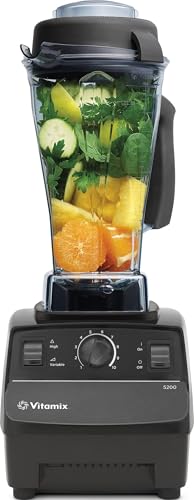
How to Evaluate Blenders
Features That Matter for Food and Smoothies
This dual job asks for two different skills. Smoothies need a strong vortex that pulls frozen fruit, ice, and leafy greens down until no chunks survive. Food tasks such as sauces, soups, dips, and nut butters need low speed control and the stamina to run longer without overheating. A model passes this part of the checklist if it offers variable speed, a pulse function for controlled bursts, and a jar shape that works at both small and large volumes. A single high speed button with no low gear fails, because delicate sauces emulsify poorly and thick dips stall.
Motor Power and Wattage
Aim for about 1000 watts or more if frozen smoothies are a daily habit, because frozen fruit and ice together are the hardest common load. Between 700 and 1000 watts can pass for smoothies with softer fruit and for most food prep, especially if you work in sensible batches. Below that, expect compromises: longer blending, more liquid, and smaller loads. Judge power by behavior as well as numbers. A motor that holds its pitch under load and a base that stays planted tell you more than a peak wattage claim printed in large type.
Capacity and Jar or Bowl Size
Match jar size to your real portions. A 64 ounce jar, about 2 quarts, suits family smoothie batches and big soups, but it performs poorly with a single small smoothie because the ingredients sit below the vortex. A 32 to 48 ounce jar suits one or two people for both drinks and sauces. Personal cups of 16 to 24 ounces are handy add ons, not a main solution, since food tasks need room to move. A model passes if its jar covers your most common batch without forcing you to blend in rounds every time.
Footprint, Storage, and Cord Length
Measure before you buy: many full size blenders stand 17 to 20 inches tall assembled, and standard upper cabinets leave about 18 inches of clearance. A machine that must be taken apart to store will be used less, whatever its power. Check the base footprint too, because wide premium bases can crowd a small counter. A cord around 3 to 4 feet with storage in the base keeps things tidy. This sounds minor, yet daily friction decides whether a blender becomes a habit or a cupboard ornament.
Jar and Bowl Material: Tritan, Glass, and Stainless
Tritan plastic is light, tough, and usually BPA free, and it passes for most homes because big jars stay easy to lift and pour. Glass resists stains and odors from garlic, turmeric, and tomato sauces, which makes it attractive for heavy food use, but it is heavy and less forgiving of drops or sudden heat changes. Stainless steel hides wear and handles hot soup blending well, but you cannot watch texture develop, which matters for both smoothies and purees. Pick based on your mix: mostly drinks favors Tritan, mostly savory food can justify glass.
Ease of Cleaning
A blender passes the cleaning test if you can wash it in under two minutes on a busy day. Self clean cycles, where you blend warm water with a drop of soap, handle smoothie residue well. Food tasks are the harder test: nut butters, hummus, and pesto cling under the blades, so a wide jar mouth and a removable blade base or good brush access matter. Dishwasher safe parts help, but seals last longer with hand washing. If cleaning looks fussy in the product photos, it will feel worse with sticky food in the jar.
If smoothies are your main job, our focused guide to the best blenders for smoothies goes deeper on drink texture and jar flow.
Three Profiles That Pass the Checklist
Instead of naming specific models, use these three profiles to recognize a good match when you see one in the product table above. Each profile describes who it suits, what it does well, and the trade off to accept.
Daily Heavy Use Profile
The all round profile pairs a motor around 1200 watts or more with a 56 to 64 ounce Tritan jar, variable speed, pulse, and a tamper. It suits households that make frozen smoothies on weekdays and soups, sauces, or dips on weekends, because it moves between liquid and thick loads without drama. Strengths are texture range and fewer failed batches. The trade off is size and price, typically about $150 to $350, plus a taller profile that needs cabinet clearance. If one machine must do everything, this is the checklist standard to measure against.
Weekly Use Profile
The value profile keeps the essentials and trims the extras: roughly 900 to 1100 watts, a 48 ounce jar, a few speeds plus pulse, and a simple self clean routine, usually around $80 to $150. It suits singles and couples whose food tasks are smoothies, shakes, salsa, and the odd soup. It will ask for smaller batches of nut butter and a little more patience with frozen loads, but it passes the core checklist without paying for presets and touch screens. For compact kitchens, our guide to the best small blenders for smoothies shows how smaller jars trade capacity for convenience.
Premium Profile
The premium profile adds endurance and refinement: a heavy base, metal drive parts, smooth low speed control for emulsions, quieter running, and a warranty of 7 years or more, at about $300 to $500. It suits serious home cooks who blend grain flours, nut butters, and hot soups often, and who want parts support for a decade. The trade off is weight and counter presence. Premium money should buy durability and control you can feel, not just more programs, so check the warranty and parts list before paying this tier.
Quick Buyer Checklist
- Does the motor reach about 900 watts or more for frozen smoothies?
- Does the jar size match your usual batch, neither mostly empty nor overfilled?
- Is there variable speed and pulse, not just one or two fixed speeds?
- Will the assembled blender fit under your cabinets and stay out on the counter?
- Is the jar material right for your mix of drinks and savory food?
- Can you clean it in about two minutes with a self clean cycle or wide mouth access?
- Is the warranty at least 3 years, with replacement jars and lids easy to find?
- Does it include a tamper or a jar design that handles thick food loads without constant stopping?
Red Flags to Watch For
- Vague power claims with no wattage or only a peak number that the motor cannot sustain.
- No safety certification listing from a recognized standards body on the product page or manual.
- A warranty of a few months on a machine priced like a midrange model.
- Replacement jars, lids, or gaskets that are hard to find or cost nearly as much as the blender.
- A narrow jar mouth and fixed blades paired with marketing aimed at nut butters and thick dips.
For a deeper look at machines built mainly around food processing, see our guide to the best food blenders, and for hybrid designs, the best blenders for smoothies and food processing guide compares combo styles.
Tips to Get the Most From Your Blender
Load in order: liquids first, then soft ingredients, then frozen items and ice on top, so the vortex forms fast and pulls hard pieces down. Do not fill past the max line, especially with hot soup, which expands and can force the lid. Use pulse to start thick food loads, then shift to a steady speed. Clean right away with warm water and a drop of soap, because smoothie sugars and food oils both turn stubborn and sour if they sit for hours.
Frequently Asked Questions
What features matter most in blenders for food and smoothies?
Variable speed, honest motor power, and a jar that circulates at your batch size matter most, because drinks and food loads stress a machine in opposite ways. One underrated feature is a low speed that starts gently, which keeps soup from surging and lets emulsions like mayo style sauces come together without splitting.
How do I clean a blender quickly?
Rinse at once, blend warm water with a drop of soap for 20 to 30 seconds, and rinse again. For sticky food residue such as hummus or nut butter, first scoop out what you can, then let the jar soak for five minutes before the soap blend. A bottle brush reaches under most blade assemblies safely.
How many watts does a good blender need?
About 1000 watts is a solid target for daily frozen smoothies plus regular food prep. Lower powered models can still pass if your food work is mostly soft, like dressings and cooked soups, and your smoothies use ripe fruit. Personal models from our guide to the best personal blenders for smoothies show how far modest wattage goes for single drinks.
What is the difference between a blender and a food processor?
A blender needs liquid and creates smooth, pourable results, while a food processor works with little liquid and chops, slices, or kneads. For this combined job, a strong blender covers smoothies and wet food tasks, but pastry dough and even vegetable slicing still belong to a processor. Many kitchens do best with a blender first and a processor later.
Is a more expensive blender worth it?
It is worth it if you blend thick food loads often and want a long warranty with parts support, because those are the areas where cheap machines fail first. It is not worth it for extra presets or a touch screen. Judge premium models by drive materials, low speed control, and jar quality, and the value becomes clear.
Can a blender crush ice?
Yes, a blender that passes the power and jar checks above will crush ice for smoothies and frozen drinks. Add liquid, pulse first to break the cubes, then blend steady. Very small personal blenders can handle a few cubes per drink but are not built for a full jar of ice or for snow like textures.
The Bottom Line
Run every candidate through the checklist: enough sustained power, the right jar size and material, real speed control, and cleaning you will not dread. The profiles above show what passing looks like at each budget. Compare your shortlist in the product table above, and the best blenders for food and smoothies for your kitchen will be the one that passes on your terms, not on marketing claims.


