
Best Blenders for Crushing Ice and Frozen Fruit: What Actually Matters Before You Buy (2026)
Disclosure: We may earn a commission when you buy through links on this page, at no extra cost to you. As an Amazon Associate I earn from qualifying purchases. Learn more

Learn how to choose the best blenders for crushing ice and frozen fruit by motor power, blade design, jar size, and price tier before you buy.
Ice and frozen fruit together are the sternest test in home blending. Cubes are hard and jagged, frozen berries and mango are dense, and a weak machine responds with bouncing chunks, a straining motor, and a drink that is somehow both watery and lumpy. This guide evaluates the best blenders for crushing ice and frozen fruit against a clear checklist, so you can judge any model by the criteria that decide the texture in your glass.
Work through the evaluation criteria first, then compare the profiles and red flags. By the end, the product table above will read like a scorecard you already know how to use.


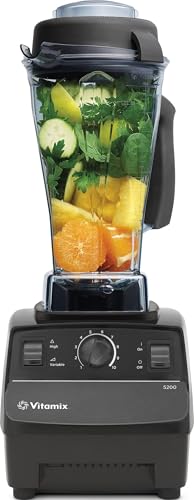
How to Evaluate Blenders
Evaluation treats crushing as a chain of requirements, and a blender only performs as well as its weakest link. The motor must sustain power, the blades must fracture frozen loads, the jar must keep everything moving, and the controls must let you manage the first difficult seconds. Each criterion below includes the threshold to look for and the sign that a model will struggle. Score the models you are considering against all seven, and weight the first three most heavily, because they decide most of the result.
Features That Matter for Crushing Ice and Frozen Fruit
This combined job is harder than either task alone, because frozen fruit adds sugar and fiber that thicken the mixture as ice chills it further. The blender must fracture cubes, then keep a thick, cold load circulating without forming an air pocket. Look for a stated frozen drink or ice crushing function backed by about 1,000 watts or more, a tamper in the box, and a jar shape that narrows toward the blades. Models that only promise smoothie performance often stall once frozen fruit joins the ice.
Motor Power and Wattage
Treat about 1,000 watts as the floor for regular frozen loads, and 1,200 to 1,500 watts as the range where full jars stop being a concern. The key word is sustained: a motor that holds speed as the mixture thickens will finish smooth, while a peak rated motor fades and leaves chunks. Heavier bases and metal drive components are good signs that the power is real. Pulse mode extends a smaller motor by fracturing ice in bursts, but it cannot rescue a genuinely weak machine for long.
Capacity and Jar Size
Frozen drinks expand the planning problem, because ice and fruit take up volume before they break down. A 64 ounce jar suits families and party batches, while 48 ounces covers most couples and small households. Keep the frozen portion to about half the jar and let liquid fill the working space, or circulation stalls. Personal cups of 20 to 32 ounces crush single servings well and are cheaper to replace, but they cannot help when guests arrive. If you blend for a crowd sometimes, one large jar beats two small ones.
Ease of Cleaning
Frozen fruit leaves seeds, skins, and sticky sugar film, so cleaning belongs on the scorecard. A self clean cycle with warm water and a drop of soap handles most of it in thirty seconds if you run it right away. Smooth jar walls without deep measurement ridges rinse faster, and removable lids with few crevices resist the berry stains that linger in cheap designs. Dishwasher safe parts help, though hand washing protects blade edges. A blender that cleans fast gets used on weeknights, not just weekends.
Blade or Attachment Design
Blades do the actual fracturing, so judge them closely. Thick stainless blades with angled wings hit cubes hard and pull the mixture downward into a vortex, while thin flat blades skate under frozen fruit and leave it spinning whole. A dull edged, blunt force design is actually ideal for ice, because it shatters rather than slices and resists damage. The tamper is the key attachment for this job: it pushes frozen corners into the blades without stopping the motor. Extra attachments like whisks or dough tools add little for frozen drinks.
Jar Material: Tritan, Glass, and Stainless
Tritan earns its place here: it is light, BPA free, and tough enough to take repeated impacts from flying ice without cracking. Glass resists scratches and berry stains and looks good on the counter, but it is heavy, and some makers warn against crushing ice in glass because of impact and thermal shock risk. Stainless steel is nearly unbreakable and keeps frozen mixtures cold, yet you cannot watch the texture form, which matters when judging whether the last chunks have vanished. For this job, Tritan is the balanced default.
Speed Settings and Presets
Variable speed is the control that matters. Starting low lets liquid coat the blades and begins the vortex gently, then ramping up finishes the texture smooth. Pulse is essential for the opening seconds, breaking large cubes into pieces small enough to circulate. A frozen drink preset can be convenient and usually runs a sensible pulse pattern, but it adds nothing a manual pulse cannot do. Judge presets as a bonus, never as a substitute for power. A self clean setting, where offered, is the one extra genuinely worth having.
Three Profiles That Pass the Checklist
Shop by profile, not by brand. The three profiles below pass the evaluation above at different budgets. Find the one that matches your routine, then use the product table above to spot models that fit it.
Daily Heavy Use Profile
This profile pairs a motor around 1,200 to 1,500 watts with a 64 ounce Tritan jar, variable speed, pulse, and a tamper. It turns a full frozen load into an even, spoonable smoothie or a smooth frozen drink in about a minute, and it does so daily without complaint. Expect to pay about $150 to $300, with a warranty of at least five years. The trade offs are counter space, weight, and noise at full power, so confirm your cabinet clearance and think about morning use before you commit.
Weekly Use Profile
The value profile targets about 1,000 watts, a 48 to 64 ounce jar, and a pulse setting, usually for around $80 to $150. It crushes ice and frozen fruit well in moderate batches, especially when you add liquid first and let frozen pieces thaw for five minutes before blending. You may need an extra pulse or a tamper assist on the thickest mixtures, and the warranty is often two to three years. For households blending frozen drinks a few times a week, this profile delivers most of the result for half the price.
Premium Profile
Premium machines bring motors above roughly 1,400 watts, metal drive parts, sound dampening, and warranties of seven to ten years, usually around $300 to $450. They power through the largest and thickest frozen loads, stay quieter relative to their strength, and keep spare parts available for years. This profile suits daily smoothie households, home bars, and anyone tired of replacing midrange machines. If your frozen blending is occasional, the premium tier is reassuring but unnecessary, and the value profile will serve you just as happily.
Quick Buyer Checklist
Answer these questions for any model on your shortlist. Mostly yes answers mean the checklist is satisfied.
- Does the motor reach about 1,000 watts or more for frozen loads?
- Are the blades thick stainless steel with angled wings?
- Does the jar narrow toward the base to keep food circulating?
- Is a tamper included for thick frozen mixtures?
- Does it offer variable speed and a pulse setting?
- Is the jar Tritan or another impact resistant material, and BPA free?
- Is the size right for your usual batch with headroom to spare?
- Is the warranty at least three years, with parts sold separately?
Red Flags to Watch For
Walk away when a listing leans on vague power language like professional strength without stating wattage, jar ounces, or warranty years. A warranty under one year on a full size machine signals low confidence from the maker. Be suspicious when reviews repeat identical phrases or praise ice crushing on a model whose own manual warns against it. Missing spare parts are another quiet red flag, because a worn drive gear or cracked jar should be a small purchase, not a reason to replace the whole machine. Finally, distrust any blender that promises frozen drink performance at a very low price with a lightweight base: physics still applies.
Care and Maintenance Tips
Technique extends both texture and machine life. Load liquids first, then soft ingredients, then frozen fruit and ice last, so the vortex forms before the hard work arrives. Never fill past the max line, because frozen loads need room to tumble. Let frozen fruit sit for about five minutes so the surface softens slightly; your motor will notice the difference. Clean right away with warm water and a drop of soap before berry sugars dry, rest the motor a minute between heavy batches, and check the blade assembly and drive gear every few months for wear.
Blenders: Your Questions Answered
What features matter most in blenders for crushing ice and frozen fruit?
Sustained power near or above 1,000 watts, thick angled blades, and a tamper matter most, because frozen fruit thickens the load while ice chills it. Variable speed and pulse let you manage the hard first seconds. Jar shape counts as well: a base that narrows toward the blades keeps chunks circulating. If you lean toward fruit heavy drinks, our guide to the best blenders for ice and frozen fruit looks at similar machines from the smoothie side.
Can a blender crush ice?
Yes, if the motor, blades, and jar were designed for it. The reliable signs are wattage around 1,000 or more, thick stainless blades, and a manual that describes ice crushing rather than forbidding it. Always add liquid and start with pulse bursts so cubes fracture before the load packs down. Small machines can handle a few cubes at a time, and our guide to the best blenders for crushing ice cubes covers the technique in more depth.
How many watts does a good blender need?
For this combined job, about 1,000 watts is the practical minimum and 1,200 watts or more is comfortable for full jars. Lower powered models manage small loads of ice with plenty of liquid, but frozen fruit on top of ice pushes them past their limit. Read wattage together with blade design and warranty length: a well built 1,000 watt machine with a five year warranty will out blend and outlast a flimsy model advertising a bigger number.
Is a more expensive blender worth it?
It is worth it when frozen drinks and smoothies are a daily habit. Premium models hold speed through the thickest loads, run longer warranties, and keep parts available, so the cost per year often beats repeated midrange replacements. For weekly use, a value profile machine gives you most of the texture for much less. Smoothie specialists may also want to compare notes with our guide to the best blenders for frozen fruit smoothies before deciding.
How do I clean a blender quickly?
Run the self clean habit: warm water to the halfway mark, a drop of dish soap, thirty seconds on high, then rinse and air dry. Berry seeds and skins rinse away easily while fresh, but they set into jar texture if left for hours. A bottle brush reaches the blade area safely. Most lids and tampers wash on the top dishwasher rack. Clean jars also blend better, because old residue roughens the walls and disrupts the vortex.
What is the difference between a blender and a food processor?
A blender liquefies in a tall jar with fast blades, which is the only way to turn ice and frozen fruit into a smooth drink. A food processor chops, slices, and shreds in a wide bowl, and it cannot circulate a frozen mixture. Processors do win for coarse jobs like nut crumbles or chunky salsa. If space is the problem, a smaller countertop model often beats a combo unit for frozen work, as our guide to the best small blenders for frozen fruit explains.
The Bottom Line
Judge every candidate by sustained power, blade design, and whether a tamper and variable speed help frozen loads keep moving. Get those right, and texture takes care of itself. Compare your shortlist in the product table above, and the best blenders for crushing ice and frozen fruit for your kitchen will stand out clearly. If single servings are your main habit, our guide to the best personal blenders for frozen fruit is a good next read.


