
Best Blenders for Crushing Ice Cubes: Matching the Right Model to Your Routine for 2026
Disclosure: We may earn a commission when you buy through links on this page, at no extra cost to you. As an Amazon Associate I earn from qualifying purchases. Learn more

Use this buying guide to compare the best blenders for crushing ice cubes by motor, blade design, jar size, and care needs before you choose one.
There is no single blender that suits every kitchen, because crushing a few cubes for one drink is a very different job from making frozen drinks for a crowd every weekend. The best blenders for crushing ice cubes for you depend on batch size, counter space, and how often ice is on the menu. This guide sorts those needs first, then walks through the features that actually move ice through the blades.
Start with the product table above, then use the sections that follow to check whether a model fits your routine, your storage space, and your patience for cleanup.


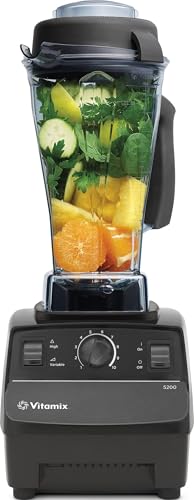
Who Should Buy Which Blenders?
For Small Kitchens and Apartments
If counter space is tight, look for a compact base, a jar around 32 to 48 ounces, and parts that nest or store in a cabinet without a fight. A personal or mid size countertop model can still crush ice well if the jar is narrow enough to keep cubes moving toward the blades. Weight matters too, because a blender you lift in and out of a cupboard daily should feel manageable when full.
For Busy Families Cooking Every Day
Families need capacity and speed, so a jar of 56 to 72 ounces, simple controls, and a lid that seals firmly will save the most time. You will blend soups, sauces, and frozen drinks in the same week, so variable speed and a sturdy base matter more than a long list of presets. Easy cleanup is not a luxury here. A jar and lid that go in the dishwasher, or rinse clean in seconds, keep the machine in daily use instead of on a shelf.
For Serious Home Cooks
If you make nut butters, thick purees, and frozen desserts as well as ice based drinks, prioritize precise control and durable parts. Variable speed with a low starting speed, a tamper for thick mixtures, and a metal drive system tend to outlast basic plastic parts. You may also value a jar shape that creates a strong vortex, because circulation is what pulls hard cubes down instead of letting them bounce on top.
For Occasional Users on a Budget
If ice shows up only for summer smoothies or the odd frozen coffee, a basic model with a pulse function and a solid glass or Tritan jar can be enough. Expect to work in smaller batches and to add liquid generously, because budget motors strain when a jar is packed with dry cubes. Around $50 to $100 is the usual entry range, and spending a little more within it often buys a better jar and a longer warranty.
Your use case also points you toward related guides. If frozen fruit joins the ice most days, see our guide to the best blenders for crushing ice and frozen fruit for the extra power that dense fruit demands.
Key Features to Compare
Features That Matter for Crushing Ice Cubes
Ice is hard, light, and quick to float above the blades, so three things decide success: torque at low speed, a jar shape that recirculates contents, and a pulse function that lets you drop cubes into the blade path in bursts. Look for a stated ice crushing function or a motor around 900 watts or more for regular use. Just as important, plan to add liquid. Even strong machines crush far better when cubes can move in a slurry rather than rattle around dry.
Blade or Attachment Design
Most countertop blenders use a fixed blade assembly at the jar base, and angled blades with a dull, thick profile are built to fracture ice rather than slice food. A removable blade base can ease cleaning but adds a seal that can leak if it is not seated well. Attachments such as a dough hook or whisk belong to stand mixers and hand mixers, not blenders, so do not pay extra for them here. What does help is a tamper, which pushes cubes down safely while the motor runs.
Warranty and Motor Reliability
Ice work is hard on motors, so warranty length is a useful signal of how much strain a maker expects the machine to handle. Budget models often carry 1 to 2 years, midrange models 3 to 5 years, and premium machines 7 to 10 years. Read what the warranty covers, because some cover the motor only and exclude jars and blades. A thermal overload switch is also worth having, since it shuts the motor down before heat damage when a thick load stalls.
Jar and Bowl Material: Tritan, Glass, and Stainless
Tritan plastic is light, resists shattering, and is commonly BPA free, which makes it the most practical choice for large jars you lift with one hand. Glass feels sturdy and resists stains and odors, but it is heavy and can crack with sudden temperature change or a drop. Stainless steel is tough and hides scratches, yet you cannot watch the blend, which matters when you need to see whether cubes remain. For ice work, impact resistance usually beats the premium feel of glass.
Motor Power and Wattage
Wattage is a rough guide, not a promise. A well designed 900 watt machine with a good jar can out crush a poorly designed 1400 watt one, because blade shape and circulation decide how often ice meets the blades. Still, numbers set expectations: under about 600 watts suits soft blending and small amounts of ice with plenty of liquid, 900 to 1200 watts handles daily frozen drinks, and higher ratings suit thick, frequent loads. Short bursts on pulse also protect any motor from heat buildup.
If your main goal is drinks rather than general prep, our guide to the best blenders for smoothies and ice focuses on jar sizes and programs built around that routine.
Common Mistakes to Avoid When Buying Blenders
- Choosing on price alone and ending up with a motor that stalls on the second batch of frozen drinks.
- Ignoring the features that matter for ice, such as pulse control, jar shape, and a tamper, while paying for presets you will never use.
- Buying a jar that is too large for single drinks, so small loads never circulate, or too small for family batches.
- Skipping the warranty check, even though ice work stresses motors more than soft foods do.
- Forgetting to measure cabinet clearance, then finding the assembled blender will not fit under your upper cabinets.
Care and Maintenance Tips
Load the jar in the right order: liquids first, then soft ingredients, then ice on top, so the vortex forms quickly and pulls cubes down. Never fill past the max line, because ice expands the load as it breaks and can force the lid up. Clean right away by rinsing, then blending warm water with a drop of soap for 20 to 30 seconds and rinsing again. Dry the jar with the lid off to prevent stale odors, and check the blade base seal monthly for cracks or trapped residue.
Ice supply matters as well. If your freezer trays cannot keep up with weekend drinks, our guide to the best ice cube makers explains countertop options. And if you want to turn crushed ice into dessert, the best blenders for ice cream guide covers the thicker mixtures involved. For a lighter task, the best blenders for chopping ice guide looks at coarser results for drinks and presentations.
Blenders: Your Questions Answered
What features matter most in blenders for crushing ice cubes?
Torque, pulse control, and jar shape matter most, because ice must keep moving into the blades instead of floating above them. A tamper helps with thick loads, and a motor around 900 watts or more suits daily use. One point buyers miss: cube size matters too. Smaller cubes and crescent shapes from standard trays break down faster than large, dense spheres, which can strain a midrange motor.
How do I clean a blender quickly?
Rinse the jar at once, fill it halfway with warm water, add a drop of dish soap, and blend for 20 to 30 seconds, then rinse and air dry. For a sticky film from nut oils or protein powders, a tablespoon of baking soda in the wash water helps lift residue without scrubbing near the blades. Avoid reaching into the jar with a sponge while the blade assembly is in place.
How many watts does a good blender need?
About 900 watts is a practical target for regular ice crushing, though jar design can shift that number up or down. Lower wattage models can manage a few cubes in a liquid base if you pulse in short bursts. If you blend frozen drinks several times a week, choosing a stronger motor also reduces run time, which means less heat, less noise exposure, and less wear per batch.
Can a blender crush ice?
Yes, most full size countertop blenders can crush ice if they have enough liquid, a pulse function, and room for the cubes to circulate. The limits are batch size and frequency. A small personal blender may handle two or three cubes in a smoothie but struggle with a jar full of dry ice. When in doubt, crush in two smaller loads rather than forcing one large one.
Is a more expensive blender worth it?
It is worth it if you blend often, want quieter and faster results, and value a long warranty. Premium machines usually add stronger motors, better jars, and metal drive parts that hold up for years of frozen drinks. If you only make an occasional smoothie, the extra cost buys little. Think in cost per year of use: a machine used daily for seven years can justify a higher price far more easily than one used monthly.
What is the difference between a blender and a food processor?
A blender uses a tall jar and a vortex to turn ingredients into smooth liquids, which is why it suits drinks and ice crushing. A food processor uses a wide bowl and interchangeable discs to chop, slice, and shred with little or no liquid. Dry, bulky tasks such as pastry dough or grated vegetables belong in a processor. Wet, pourable results belong in a blender, and forcing a processor to make smoothies usually leaves chunks.
The Bottom Line
Match the machine to your routine first: batch size, frequency, and storage space narrow the field faster than any spec sheet. Then confirm the ice essentials, meaning pulse control, a jar that recirculates well, and enough motor for your load. Check the product table above to compare the best blenders for crushing ice cubes against those three points, and choose the simplest model that meets them with a warranty you trust.


