Best Blenders for Soup (2026): Types, Hot Liquid Tips and Buying Guide
Disclosure: We may earn a commission when you buy through links on this page, at no extra cost to you. As an Amazon Associate I earn from qualifying purchases. Learn more
Batch size, a vented lid and hot liquid limits decide the best blender for soup. Here is how to choose for your kitchen.
Sunday soup sounds simple until the pot is full, the stove is crowded, and your current blender leaves potato chunks floating in what should be a smooth broth. If that scene feels familiar, you are shopping for the best blender for soup, and the right choice depends less on raw power than on your kitchen space, your household size, and how often soup is on the menu. Use the comparison table below to match capacity and jar style to the way you actually cook.
This guide skips brand hype and focuses on fit. A compact jar that lives on your counter will get used far more than a large machine buried in a cabinet. You will find plain guidance on hot liquid safety, texture control, noise, cleaning, and the true cost of owning each type, so you can choose once and cook with confidence.




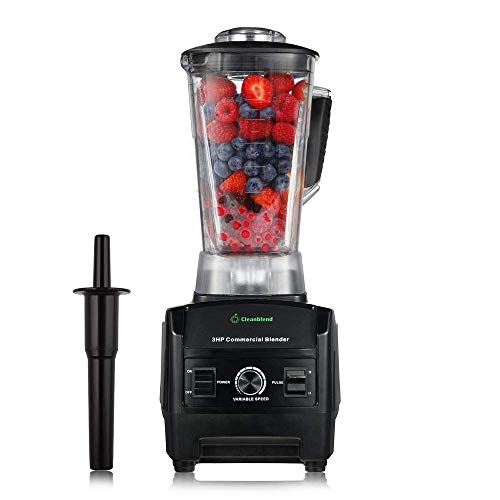
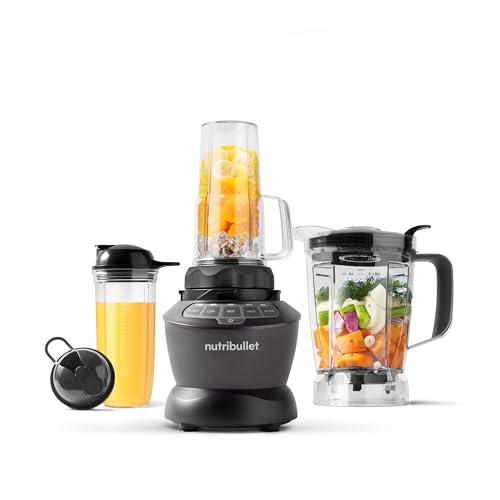
Quick Answer: Three Routes in 30 Seconds
Most soup buyers land in one of three groups, and naming your group first makes later choices easier. Small households usually do best with a compact jar of about 48 oz. Families who cook double batches need a full size jar of about 64 oz and a lid that vents steam. Cooks who love silky purees should look at high speed or heated models. Start with batch size, then compare jar material and lid design.
- Small homes: compact countertop jar, simple controls, easy storage in a cabinet or on a short counter.
- Family batches: full size jar, vented lid, and a tamper for thick purees that stall above the blades.
- Silky results: high speed motor or a heated jar that cooks and blends in one container.
Before You Buy: A Quick Checklist for Choosing a Blender for Soup
Size: Match It to Your Space
Think in servings, not just ounces. A serving of soup is about 12 oz, so a 48 oz jar covers roughly four bowls and a 64 oz jar covers about five. Hot liquid needs headroom for steam and movement, so plan to fill only partway past the hot liquid line marked on the jar. Readers with tight counters may also want our guide to the best small blender for compact options that still handle everyday portions well.
Which Type Fits Your Routine
High speed countertop models puree fibrous vegetables like celery and kale into a smooth finish and suit cooks who blend several times a week. Heated models cook ingredients right in the jar, which helps on busy nights but usually means smaller batches and longer cycles. Standard countertop models cost less and work fine for weekly soup. If you also blend frozen drinks daily, the broader best blender guide covers all purpose use beyond the soup pot.
Features Worth Paying For and Ones to Skip
Pay for a vented lid, variable speed control, and a tamper, since thick soup often forms an air pocket above the blades. A glass jar resists stains and odors from tomato and curry soups, and shoppers set on glass can compare the best glass blender options, though some glass jars carry a lower hot liquid limit. Skip vacuum blending for soup, since it suits cold drinks, and skip travel cups, since sealed cups trap steam.
Wattage, Power and Energy Use
Most countertop models draw about 600 to 1400 watts, but the number alone does not predict a smooth puree. Blade shape, jar geometry, and steady torque under a thick load matter just as much, so a modest motor with a well shaped jar can beat a stronger motor that stalls. Energy cost per batch is tiny because blending runs for a minute or two, even when a heated cycle runs longer on a soup setting.
Safety Features and Certifications
Look for a UL or ETL listing on the label, a lid that locks or sits firmly before the motor starts, overload protection that stops the motor under strain, and a heavy base that stays put on the counter. Steam burns are the main soup risk, so never blend hot liquid in a sealed personal cup. Treat any burn that blisters or covers a large area as a reason to seek medical care promptly rather than waiting it out at home.
Counter Space and Dimensions
Measure before you order. Many full size models stand about 17 to 20 inches tall, and upper cabinets often leave less clearance than that, so a machine that must slide in and out for every use quickly becomes a chore. Check the footprint too, plus room to store the tamper and cord. Remember that a full jar of soup is heavy, and a lighter plastic jar can be easier to lift and pour than glass.
Realistic Budget Ranges
Basic models under about $50 handle soft soups but may leave skins and seeds behind. The range of about $50 to $100 brings stronger motors, better lids, and jars that pour without dripping. Spending about $100 to $250 usually gets you high speed blending and smoother purees. Above about $250 to $500, you are paying for heated cooking cycles, quieter housings, and longer warranties rather than a basic jump in power.
Types Compared: Three Routes to Better Soup
The product table above groups models by type, so use the notes below to decide which type deserves your money.
Full Size Countertop Blenders for Most Homes
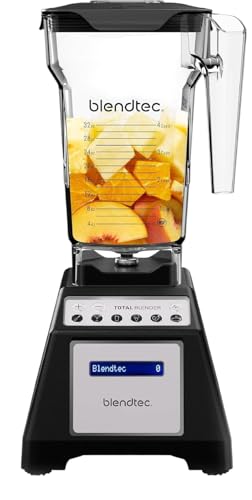
This is the default choice for households that make soup once or twice a week. A jar of about 64 oz handles a family batch in one round, variable speed lets you stop at chunky or keep going to smooth, and parts are easy to find. The trade off is storage, since the tall jar and base claim real counter room. Choose this type if you want one machine for everything from brothy vegetable blends to thick chowders.
Compact Blenders for Small Batches and Tight Budgets
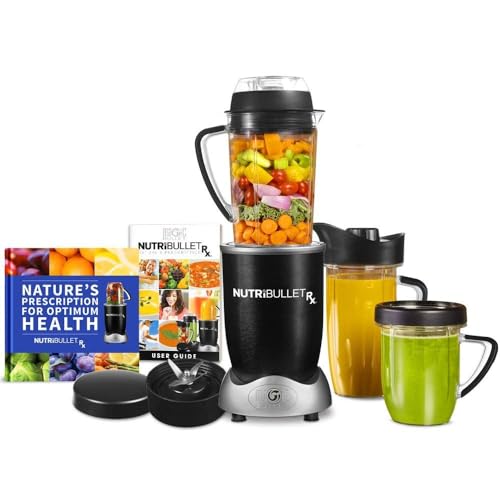
Compact countertop models with jars of about 48 oz suit one or two person homes, dorm style kitchens, and cooks who blend soup for lunch rather than for a crowd. They cost less, wash fast, and tuck into a cabinet between uses. The limits are real, though, since a big pot of soup means blending in two rounds and thick squash puree may need extra liquid to keep moving. Choose this type if small batches are your normal routine, not an exception.
High Speed and Heated Blenders for Silky Purees
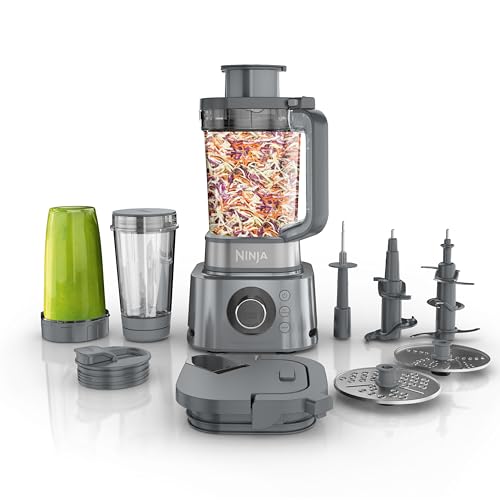
High speed models spin fast enough and long enough to turn raw vegetables silky and to warm soup through friction, while heated models use a cooking element to take ingredients from raw to served in the jar. Both reward cooks who care about texture above all else. Expect higher prices, more noise at full speed, and a taller body that needs storage planning. Choose this type if you make pureed soups weekly and notice every fleck of skin or seed.
How Models Were Compared for This Guide
Models were compared on capacity, hot liquid handling, ease of use, cleaning effort, noise, safety listings, and warranty length. The facts come from manufacturer specifications and manuals, plus patterns in verified buyer feedback about lid fit, jar cracking, and motor strain with thick loads. Everyday fit and ownership cost counted as much as peak blending performance in every comparison.
Living With It: What Really Matters Day to Day
The best daily sign of a good match is simple. The blender stays on the counter, the lid comes off without a wrestling match, and the jar pours into bowls without a trail across the stove. A wide spout and a jar that is balanced when full matter more than an extra preset button. Noise matters too, since a loud motor can end conversation in a small kitchen.
Texture control shapes leftovers as well. Pulse in short bursts when you want a chunky tomato soup with visible pieces, and blend longer for a smooth base you can freeze and reheat later. If you are torn between tools, our blender vs food processor guide explains why a blender handles liquids better while a processor suits thick pastes.
Common Mistakes to Avoid
- Buying by jar size alone, then learning the hot liquid limit is far lower and family batches take three rounds.
- Sealing hot soup in a personal cup, which lets steam build pressure and can force the lid off with hot liquid inside.
- Chasing the highest watt number, while ignoring lid venting and jar shape, which decide how smooth the puree gets.
- Ignoring replacement part costs, so a cracked jar or worn gasket later costs nearly as much as a new basic model.
- Picking features you will never use, such as vacuum blending for a machine bought mainly for hot soup.
Cost of Ownership and Care
Running costs stay low for most homes. Electricity for a short blend costs very little, and even heated cycles use less energy than a large oven. The real costs are parts, mainly a replacement jar, a blade assembly, or a lid gasket after years of heat and washing. Price those parts before you buy, since fair prices and ready stock signal a model built to last.
Care is simple but steady. Rinse the jar soon after serving, loosen the gasket now and then to wash away trapped soup film, and let every part dry fully before storage so odors do not linger. For deeper steps on stains and smells, our how to clean a blender guide walks through a full routine. Store the jar with the lid ajar, and keep the tamper with the base.
Frequently Asked Questions
What is the best blender for soup for a small household?
For one or two people, a compact countertop model with a jar of about 48 oz is usually the smartest fit. It stores under most cabinets, washes in minutes, and still gives you four bowls per batch. One point buyers miss is storage height with the lid on, which can add an inch or more, so measure the closed unit before ordering rather than trusting the base height alone.
How do you clean a blender after thick starchy soup?
Potato, rice, and bean soups leave a stubborn film that plain rinsing misses. Fill the jar halfway with warm water, add a small amount of dish soap, and blend on low for about 30 seconds, then scrub the area under the blades with a bottle brush. If a pale film remains, soak the jar in warm water with a spoon of baking soda for an hour before washing again.
Is a blender worth it for soup if you already own a food processor?
Yes, if smooth soup is the goal. A processor bowl has a center post and a lower liquid limit, so brothy mixtures can leak and rarely reach a fully smooth texture. A blender jar is sealed, taller, and built to pull liquid down into the blades. Keep the processor for pastry and chopping, and let the blender own purees and any soup you plan to pour.
How long does a soup blender usually last?
A cared for countertop blender often lasts about 5 to 10 years, with the jar and gasket wearing out before the motor in most homes. Heat speeds that wear, so jars used for hot soup several times a week may cloud or crack sooner. Small habits extend life, like starting thick loads on low speed and never running the motor dry.
Can you blend soup that is still steaming from the pot?
You can, within the limit marked on your jar, but a short rest improves both safety and texture. Letting soup sit off the heat for about five minutes reduces the steam burst when the lid lifts and helps flavors settle before you adjust salt. Models differ on the hottest liquid their jar can accept, and some glass jars set a lower limit than plastic, so check your manual for its stated maximum before the first hot batch.
Final Thoughts
Choose by batch size first, lid venting second, and jar material third, and the right best blender for soup for your home usually becomes obvious. Compact jars serve small kitchens well, full size jars feed families in one round, and high speed or heated types reward cooks who chase a silky finish. Look back at the product table above, match a type to your space and budget, and you can shop once and enjoy homemade soup with far less fuss.