Best Blenders for Juicing (2026): Types, Power and Buying Tips
Disclosure: We may earn a commission when you buy through links on this page, at no extra cost to you. As an Amazon Associate I earn from qualifying purchases. Learn more
Greens, fruit and fiber need steady blade speed. Here is how to choose the best blender for juicing for your household.
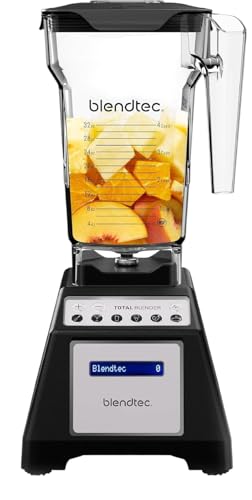
A blender can turn whole fruit and vegetables into a thick, fiber rich drink in minutes, but only if the jar, motor, and controls suit your kitchen and your household. If you choose the best blender for juicing for your space, the number of people you serve, and the produce you use most, daily blending feels simple instead of loud, messy, and frustrating. This guide walks through size, type, power, and budget so you can match a model to real home use, and the comparison table below sums up the main styles at a glance.


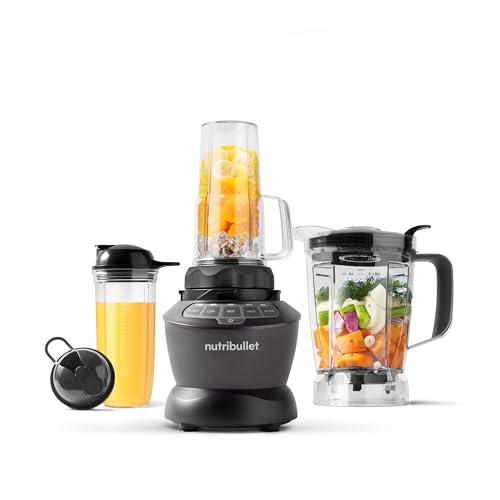

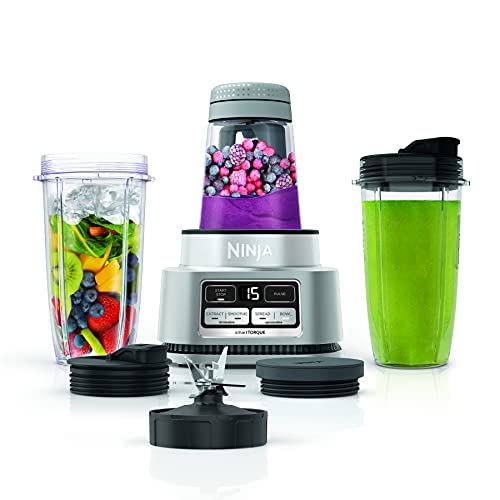

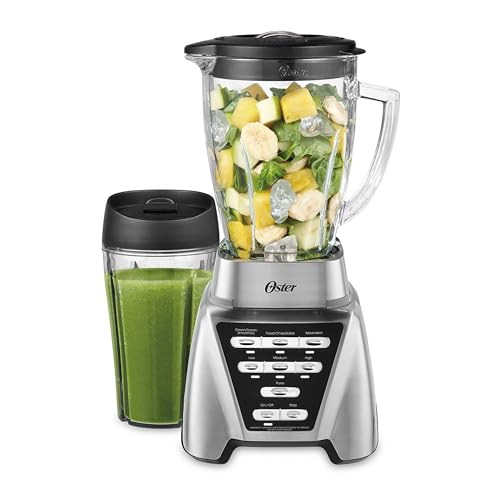
Quick Answer: The Three Styles That Suit Juicing Best
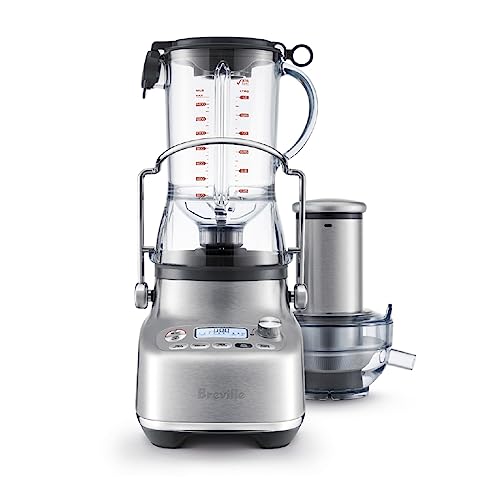
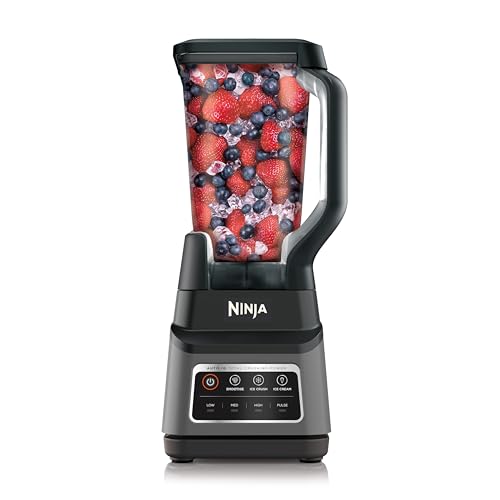
Most homes do well with one of three styles. A full size high speed blender handles leafy greens, frozen fruit, and ice for a family batch. A personal blender suits one or two servings and a small counter. A mid size countertop model with a sturdy jar and a tamper balances capacity and storage for couples. Soft fruit blends easily, while fibrous greens and celery need stronger blades and steady circulation.
Before You Buy: A Quick Checklist for Choosing a Blender for Juicing
Size: Match It to Your Space
Capacity decides how many servings you can make before you stop and start again. Jars around 48 oz suit one or two people who blend once and pour. A 64 oz jar gives room for greens to move and for a family batch without constant refills. Larger 72 oz jars help when you host guests, but the drink can spread thin if you only make a single serving. Pick the smallest jar that covers your usual batch, since a jar filled to a sensible level circulates better and blends more evenly.
Which Type Fits Your Routine
High speed models break down seeds, skins, and fibrous stems more fully, which matters for green drinks. Professional style machines add stronger motors and larger jars for daily heavy use, while commercial models are built for constant service and are often more than a home needs. Quiet designs use sound shielding and slower ramps in speed, useful for early mornings. Vacuum models remove some air before blending to limit foam and color change. Cordless and smart designs add portability or preset programs, but they may trade away the sustained power that tough produce requires.
Features Worth It, and Ones to Skip
A tamper is worth it, since it pushes greens and frozen chunks toward the blades without stopping the motor. To go cups help when one person blends and leaves right away, and a food processor attachment can earn its keep if you already plan to use it for chopping or dough. A heating element matters more for soups than for fresh drinks, so you can skip it for juicing. Multiple decorative speed dials also add little if the machine lacks a true low speed for control and a strong high speed for a smooth finish.
Wattage, Power, and Energy Use
Wattage gives a rough sense of strength, but blade design, jar shape, and how well ingredients circulate matter just as much. For leafy greens, frozen mango, and ice, look for a motor that holds speed under load instead of slowing and straining. Short blending bursts use modest energy, even on a powerful model, since most drinks finish in one to two minutes. If you blend several batches back to back, a motor with thermal protection helps, since it shuts off before heat damage and restarts after cooling.
Safety Features and Certifications
Look for a locking lid, a stable base, and an interlock that stops the blades when the jar is not seated. Listings from UL or ETL show the electrical parts met a recognized safety standard in the United States. Keep hands and utensils out of a running jar and use only the tamper made for that model through the lid opening. If a drink smells of burning or the base smokes, switch off, unplug, and contact the maker before you use it again.
Counter Space and Dimensions
Measure height with the jar and lid in place, since many tall models will not slide under upper cabinets. Note the footprint too, because a wide base can crowd a coffee maker or a drying rack on a small counter. If storage space is tight, a shorter personal model may fit in a cabinet, while a full size machine often lives out full time. Our guide to the best small blender can help if every inch counts and you mostly make single servings.
Realistic Budget Ranges
Under about $50, expect basic personal models for soft fruit and protein drinks, with limited strength for greens. Around $100 to $150, jars get larger and motors handle frozen fruit with less help. About $150 to $300 brings stronger high speed machines, better tampers, and longer warranties. Above about $300, you pay for durability, quieter operation, and parts support over many years. If you want a wider view of price and value across all uses, see our roundup of the best blender options for home kitchens.
Three Blender Types Compared for Juicing at Home
A personal blender is the simplest choice for one person. You blend in the cup, swap the blade base for a lid, and go. It handles bananas, berries, spinach, and yogurt well, but a small cup struggles with celery strings, large ice cubes, and big batches for guests. Choose this type if storage is your top concern and your drinks stay soft and small. Cleanup is fast, although you may need to shake the cup midway to free trapped greens.
A mid size countertop blender suits couples and small families who blend a few times a week. A jar near 48 oz to 64 oz gives greens room to fold in, and a tamper on many models keeps the mix moving. This type handles most home juicing tasks, from citrus and cucumber to frozen pineapple, without the height or cost of the largest machines. If you prefer a jar material that resists odor and scratching, our guide to the best glass blender explains the trade offs of glass jars in daily use.
A full size high speed blender is the strongest fit for daily green drinks and large households. Its motor and jar shape pull whole ingredients down into a fast vortex, so kale stems, apple pieces, and frozen fruit come out smoother with less pulp separation. The trade offs are noise, height, and price, plus a jar that feels oversized for a tiny serving. Choose this type if you blend for three or more people, use tough produce often, and want one machine that will not strain under load.
Our Selection Process for Blenders for Juicing
We judge models on capacity for real households, how fully they break down fibrous produce, ease of daily use, how simple they are to clean, noise, safety listings, and warranty support. We rely on maker specifications and patterns in verified buyer reviews rather than lab claims, and we weigh how a machine fits different counters and family sizes. A powerful blender that will not fit under your cabinets will soon sit unused.
Living With It: What Really Matters in a Blender for Juicing
Blending and juicing give you different drinks. A blender keeps the pulp, so the result is thicker and more filling, and you keep the fiber from greens and fruit. A juicer removes pulp and yields a thinner drink, but it leaves more waste and more parts to wash. If you are still deciding between the two methods, read our explainer on blender vs juicer before you spend money on either appliance.
Texture control is the daily skill that makes blended juice pleasant. Add liquid first, then soft produce, then greens, and add frozen items last so the vortex forms early. Blend on low for a few seconds, then move to high until the surface looks glossy and no leaf flecks remain. If the mix tastes too thick, add water a little at a time. If it tastes flat, a squeeze of lemon lifts the flavor without added sugar.
Common Buying Mistakes to Avoid
- Buying the largest jar for a one person home, since small batches spread out and blend poorly in an oversized container.
- Judging by wattage alone, since a weak jar shape can leave leaf chunks even when the motor rating looks high.
- Ignoring cabinet height, since a tall machine that cannot stay on the counter gets stored away and used less.
- Paying for soup heating or many preset programs you will never use, since those features raise the price without improving fresh drinks.
- Skipping the tamper on a high speed model, since thick green mixes often stall without a safe way to push them down.
Cost of Ownership and Care
Ownership costs stay low when you care for the jar, blades, and seals. Replacement gaskets, lids, and tampers are the common parts over time, and prices vary by brand, so check parts availability before you buy. Electricity cost per drink is small, since run times are short. Rinse the jar right after use to stop pulp from drying on the walls, wash the lid seal often to prevent odor, and dry parts fully before storage. For a full routine with safe steps for blades and seals, follow our guide on how to clean a blender after sticky or oily mixes.
Your Questions, Answered
How long does a blender for juicing last with daily use?
With daily use, a sturdy home blender often lasts about five to ten years, depending on motor quality, load, and care. Heavy frozen loads and constant max speed use shorten that span, while sensible batch sizes extend it. A long warranty on the motor and easy access to seals and jars are good signs. If performance fades, check the blade assembly and gasket first, since wear there can mimic motor failure.
Can a blender for juicing handle wheatgrass and tough roots?
A strong high speed blender can break down small amounts of wheatgrass, ginger, and turmeric when you add enough liquid and cut the produce into short pieces first. Long grass blades can wrap around the blade hub, so add them in small handfuls while the mix is moving. Very woody roots may stay gritty even after a long blend. For daily wheatgrass in large amounts, a masticating juicer built for that task will give a smoother result with less strain.
Do you need to strain a blended juice before drinking it?
You do not need to strain a blended juice, and most people drink it as it comes out, pulp and all. Straining through a fine mesh bag gives a thinner drink closer to pressed juice, but it removes fiber and adds cleanup. Try it both ways with the same recipe before you decide. If you strain often, factor in the cost and storage of bags, and note that a powerful blender leaves less coarse pulp to remove in the first place.
What liquid base works best for blended green juice?
Water keeps the flavor clean and adds no sugar, which suits greens and citrus. Coconut water adds light sweetness and minerals that pair well with pineapple and cucumber. Chilled green tea brings a mild grassy note for people who want less fruit. Start with about one cup of liquid for a two serving batch, then adjust. Add the liquid before the produce, since that order helps the vortex form and protects the motor from a dry, heavy start.
How do you use a blender for juicing without making a mess?
Fill the jar no higher than the max line, lock the lid, and start on low so the first surge stays inside. Hold the lid down for the first seconds if your model allows it, and add ice through the lid opening only when the manual permits. Our step by step guide on how to use a blender covers speed changes and stopping points for different foods, which helps new owners avoid splashes and uneven blends.
Final Thoughts
The right choice comes down to batch size, produce, and the space you can give the machine every day. A personal model suits solo soft drinks, a mid size jar covers most couples, and a full size high speed machine serves families who love green blends. Check the product table above and pick the best blender for juicing that fits your home, your household, and your budget without features you will not use.