Best Blenders for Hummus (2026): Types, Power and Buying Tips
Disclosure: We may earn a commission when you buy through links on this page, at no extra cost to you. As an Amazon Associate I earn from qualifying purchases. Learn more
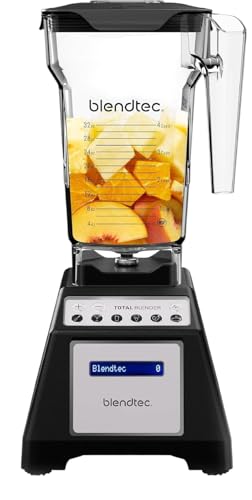
Thick chickpea dip needs a tamper and a motor that holds speed. Here is how to choose the best blender for hummus.
Lunch is in an hour, the chickpeas are drained, and the tahini is open, but your old blender pushes the mixture around the jar and leaves it gritty. Hummus is one of the thickest foods a home blender handles, so power on paper means little if the blend never folds down onto the blades. Choosing the best blender for hummus comes down to your household size, your counter space, and how often you actually make a batch.
This guide walks through those home factors first, then compares blender types in the comparison table below. If you are still weighing the wider category before narrowing to hummus, our guide to the best blender covers general use models that suit many kitchens.


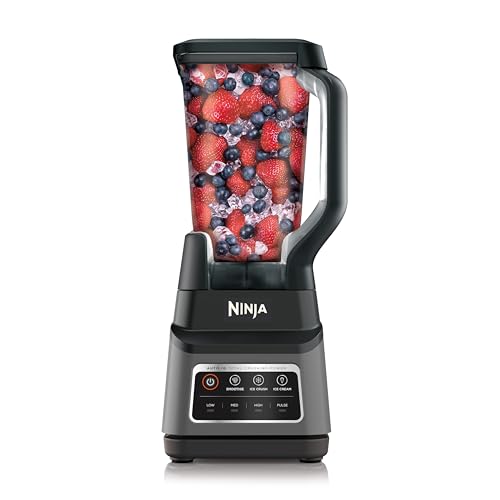

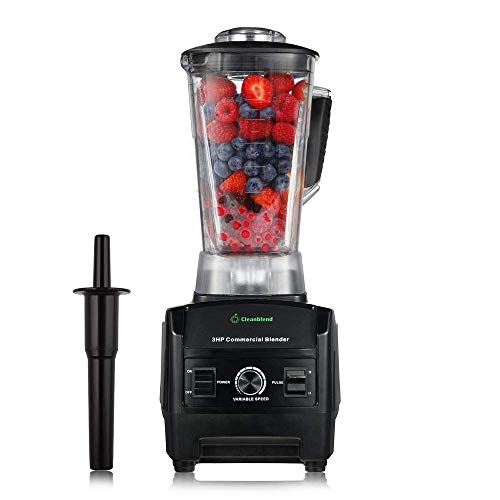

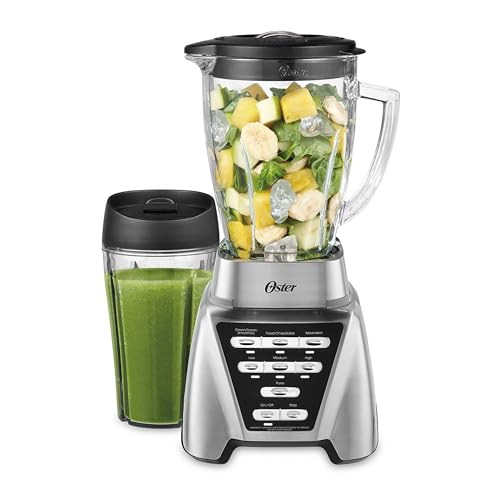
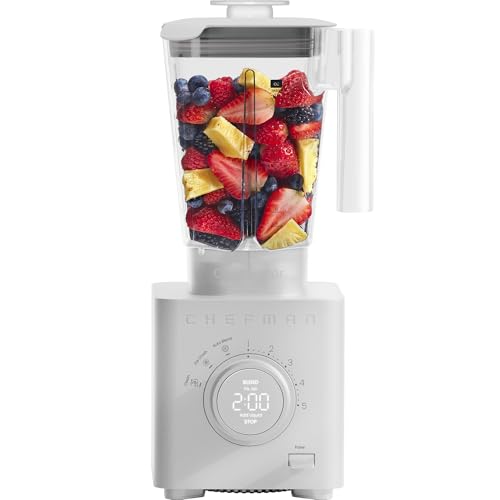
Quick Answer: Three Blender Types in 30 Seconds
For most homes, a full size high speed blender is the safest choice. It has the jar room and motor strength to turn chickpeas silky without constant stopping. Compact models suit one or two people who make small batches and lack storage room. Premium models cost more up front, but they bring stronger motors, tougher jars, and longer warranties for households that blend several times a week.
Before You Buy: A Quick Checklist for Choosing a Blender for Hummus
Size: Match It to Your Space
Jar capacity shapes how well thick hummus circulates. A 48 ounce jar handles a standard batch from one or two cans of chickpeas and leaves room for the mixture to fold over itself. A 64 ounce or 72 ounce jar suits families who double recipes for gatherings, though a small batch in a big jar can ride above the blades and stall. If you cook for one or two and storage is tight, the options in our guide to the best small blender fit better than a bulky base you must drag out weekly.
Which Type Fits Your Routine
High speed countertop models are the main contenders for hummus, since sustained blade speed under a heavy load is what breaks down chickpea skins. Professional style machines add larger motors and bigger jars, which helps frequent batch cooking but takes more room. Quiet models wrap the base in a sound cover that adds bulk. Glass and stainless steel describe jar material rather than blending strength. Vacuum, cordless, heated, and smart models solve other kitchen problems, and most hummus makers can skip them without losing anything in texture.
Features Worth It (and Ones to Skip)
A tamper is the feature worth paying for, since it lets you push thick hummus toward the blades while the motor runs. Variable speed control, a pulse setting, and a jar with a narrow base that keeps food near the blades also earn their cost. A best glass blender resists stains and odors, but glass jars are heavy and some makers limit their speed. Food processor attachments help with chopping, though they rarely match a main jar for smoothness. To go cups and heating elements add price without helping a thick dip.
Wattage, Power and Energy Use
Wattage alone does not predict a smooth result. What matters is how the motor holds speed once chickpeas, tahini, and lemon juice form a dense mass, plus how the blade shape pulls that mass downward. A well designed jar and blade pair can outperform a higher watt rating in a wide jar where food escapes the blades. Thick blends also heat motors, so a model with thermal protection that shuts off before damage is a practical safeguard for back to back batches.
Safety Features and Certifications
Look for a UL or ETL listing, which shows the appliance passed independent electrical safety checks. A lid that locks before the motor starts, a stable base that stays put on the counter, and clear markings for maximum fill all matter with a heavy blend. Always unplug the machine before scraping the jar with a spatula, and keep the tamper as the only tool that goes near moving blades.
Counter Space and Dimensions
Measure before you order. Tall blender and lid combinations often fail to slide under upper cabinets, so compare the full assembled height with the gap above your counter. Note the footprint too, since a sound cover or wide base can claim the spot where your kettle sits. If the machine must live in a cupboard, check its weight and cord length, because a heavy base you dread lifting is a blender you will stop using.
Realistic Budget Ranges
Under $50, expect basic motors that manage hummus in smaller batches with extra liquid and more scraping. Between about $50 and $100, you get sturdier jars and motors that handle a standard batch more calmly. From about $100 to $200, high speed performance, tampers, and better speed control become common. From about $200 to $300, builds get tougher and warranties grow longer. Above that range, you are paying mainly for premium materials, quieter operation, and extended coverage rather than noticeably smoother hummus.
Three Blender Types Compared for Hummus
With the checklist in mind, the choice usually settles into one of three types. Each suits a different home, and none of them needs features built for soups or smoothies to do this job well.
Full Size High Speed Blenders for Most Homes
This type pairs a 48 ounce to 64 ounce jar with a motor built to hold speed under load, and it is the most forgiving option for weekly hummus. The jar is big enough for a family batch yet still small enough at the base for the mixture to circulate. Most include a tamper, variable speeds, and a self cleaning cycle. Choose this type if hummus is a regular part of your cooking and you want one machine that also handles sauces, nut based dips, and frozen desserts without complaint.
Compact Blenders for Small Batches and Tight Kitchens
Compact models trade raw strength for a small footprint, lighter weight, and easy storage in a drawer or narrow cupboard. They work for hummus when you halve the recipe, add chickpea liquid a spoon at a time, and stop to scrape the sides. Texture may land slightly less silky than a full size machine gives, and the motor needs rest between batches. Choose this type if you live alone or with one other person, blend small amounts, and value a clear counter more than batch size.
Premium Blenders as a Long Term Investment
Premium models bring the strongest motors, thick jars, metal drive parts in many designs, and warranties that can stretch well beyond basic coverage. For a household that blends daily, that durability can cost less over the years than replacing a budget machine twice. They also tend to run with better speed control at low settings, which helps when you finish hummus with olive oil. Choose this type if blending is a daily habit, you make large batches often, and you plan to keep the machine for many years.
Our Selection Process for the Best Blenders for Hummus
We judge blender types for this guide on capacity, blending performance with thick mixtures, ease of daily use, cleaning effort, noise, and safety and warranty coverage. The information comes from manufacturer specifications, published safety listings, and patterns in verified buyer feedback about hummus and similar dips. Learning the basic technique in our guide on how to use a blender will improve your results with whichever type you pick.
Living With It: What Really Matters in a Blender for Hummus
Daily life changes the picture that a spec sheet gives. Hummus thickens in the fridge, so blend it a touch looser than you want it on the plate. A double batch on the weekend covers lunches for days, yet it also means a louder minute or two of blending, which matters in apartments with thin walls or sleeping children. If you already own a food processor, the honest comparison in blender vs food processor explains why processors give a rustic, fluffy texture while blenders give the smoother result most people want for dipping.
Small habits help too. Warm chickpeas blend more easily than cold ones straight from the fridge. Adding an ice cube or two during blending is a common trick for a lighter texture. Reserve the liquid from the can so you can adjust thickness by the spoonful instead of flooding the jar with water.
Common Buying Mistakes to Avoid
- Buying the largest jar for solo cooking, which leaves small batches stranded above the blades and forces constant scraping.
- Choosing on wattage alone, which can land you a loud machine that still stalls on thick chickpea mixtures.
- Skipping the cabinet height check, which leaves a tall blender homeless on the counter or returned at your cost.
- Paying for smart programs and heated blending you will never use, which inflates the price without improving your hummus.
- Ignoring replacement jar and gasket prices, which turns a cheap machine into a poor deal when parts wear out.
Cost of Ownership and Care
Electricity for a minute or two of blending costs very little, so the real ownership costs are parts. Jars crack, gaskets flatten, and tampers get lost, and prices for these items vary widely between product lines. Check those prices before buying, and register the warranty while the paperwork is handy. For care, rinse the jar right after serving, since dried chickpea paste clings hard. Store the jar dry with the lid ajar so odors fade, inspect the gasket for tears, and replace a jar that shows cracks or deep clouding near the blade.
Your Questions, Answered
How do you clean a blender after making hummus?
Fill the jar halfway with warm water and a drop of dish soap, then run it for about 30 seconds and rinse. Hummus leaves a starchy film under the blades, so a bottle brush around the base once a week keeps buildup and odors away. A short soak with baking soda dissolved in water helps when garlic smells linger. Our full walkthrough on how to clean a blender covers gasket removal and drying steps in detail.
How long does a blender for hummus last?
Lifespan depends more on load habits than on age. A budget model blending thick hummus weekly may tire within a few years, while a sturdier machine used the same way often lasts much longer. Warning signs include a burning smell during normal use, a jar that leaks at the base, and blends that need far more liquid than they once did. Resting the motor between batches and staying under the fill line both extend working life.
Is a blender worth buying just for hummus?
It can be, if you buy prepared hummus every week. A mid priced machine can cost about the same as a year of store tubs for a regular buyer, and homemade batches let you control salt, garlic, and lemon. If you make hummus only a few times a year, borrow a machine or use a food processor you already own instead. The math turns on your actual buying habit, not on the blender itself.
What should I look for in a blender for hummus if I cook for a large family?
Start with your largest realistic batch and work backward. A big household needs a jar that holds a doubled recipe below the fill line, plus a motor rated for longer runs, since two back to back batches heat a small machine quickly. A second smaller jar, sold as an accessory for some lines, helps with dressings during the same meal. Also weigh noise, because large batches mean longer blending at full speed.
What is the best blender for hummus if smoothness matters most?
Smoothness comes from circulation more than from any single feature. The strongest results come from a high speed model with a tamper, warm chickpeas, and enough liquid for a vortex to form in the jar. Peeling chickpeas helps a little, but blending longer at full speed with the tamper moving the corners helps more. If your current results taste gritty, fix the technique and liquid level before blaming the machine.
Final Thoughts
Match the jar to your household, insist on a tamper, and spend on motor strength and warranty rather than on programs you will never open. Do that, and the best blender for hummus for your home stops being a guess. Use the product table above to compare the three types side by side, then choose the one that fits your counter, your family, and your budget.