Best Blenders for Green Smoothies (2026): Types, Power and Buying Tips
Disclosure: We may earn a commission when you buy through links on this page, at no extra cost to you. As an Amazon Associate I earn from qualifying purchases. Learn more
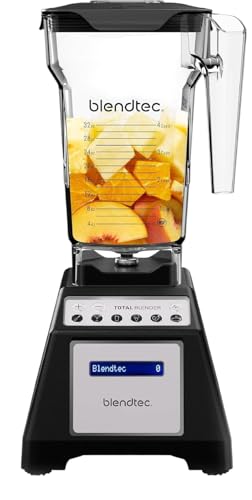
Kale, spinach and frozen fruit need steady power. Here is how to choose the best blender for green smoothies for your kitchen.
A green smoothie sounds simple until kale stems stay stringy, spinach clumps under the blades, and everyone at the table gets a different texture. The right machine turns tough greens, frozen fruit, and ice into a smooth drink without long pauses to stir. If you want the best blender for green smoothies for your home, start with your counter space, how many servings you make at once, and your budget. The comparison table below sums up the main types so you can narrow your choice fast.
This guide focuses on types, sizes, and features. You will see how jar capacity, motor strength, and jar material affect daily use in a real kitchen.


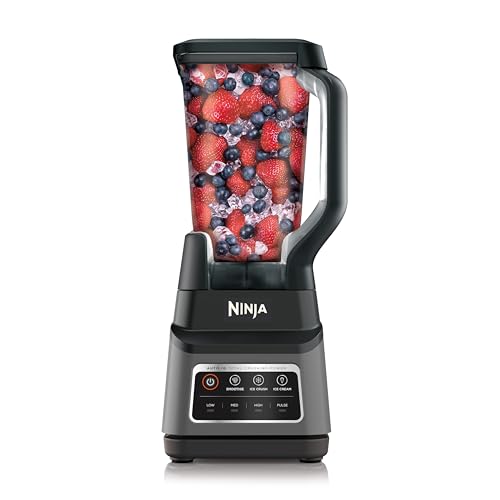

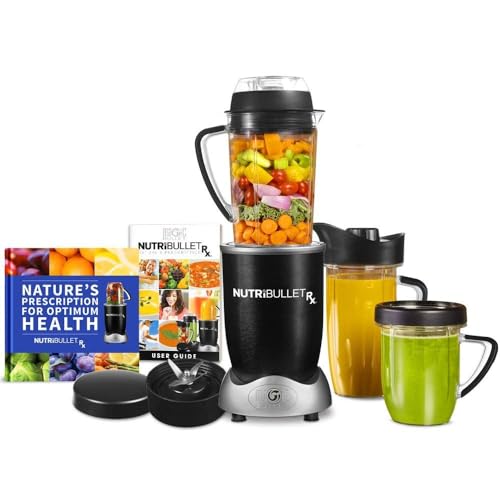
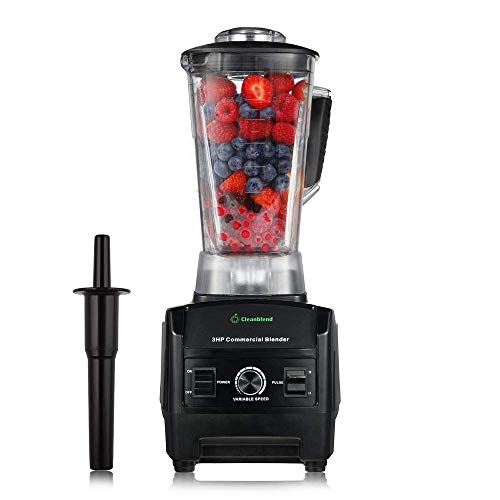

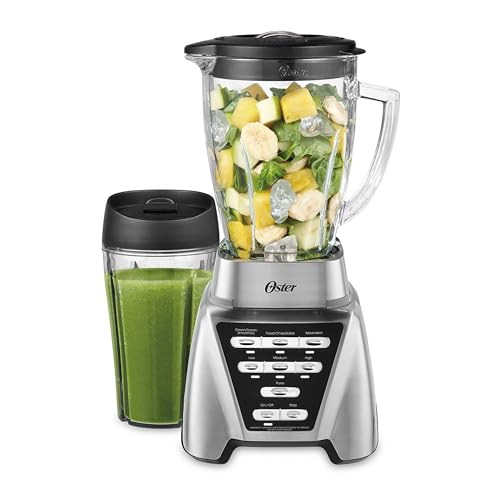

Quick Answer: Which Type Fits Your Home
For one or two servings in a small kitchen, a personal or compact model usually does the job and stores easily. For three or more servings, or for soups and sauces in the same week, a full size model with a 48 oz to 64 oz jar is the safer fit. If you blend kale, celery, and frozen fruit every day, a high performance type earns its counter space. Our broader guide to the best blender covers general use beyond green drinks.
Before You Buy: A Quick Checklist for Choosing a Blender for Green Smoothies
The notes below focus on what changes the result when you shop for the best blender for green smoothies for daily home use. Green drinks are harder on a machine than soft fruit blends. Fibrous leaves, seeds, and frozen chunks need steady blade speed, enough liquid movement, and a jar shape that pulls food down instead of letting it ride above the blades.
Size: Match It to Your Space
Jar size should match servings, not ambition. A personal jar of about 20 oz to 32 oz suits one drink and rinses fast, and our guide to the best small blender explains compact options in more depth. A 48 oz jar fits two large drinks with room for greens to move. A 64 oz or 72 oz jar helps families and batch prep, but an oversized jar can blend a single small drink poorly because the blades sit under too little liquid.
Which Type Fits Your Routine
High speed types handle fibrous greens and frozen fruit with the least stirring, and they suit daily drink makers. Standard countertop types cost less and work well when you use softer greens and add enough liquid. Personal types trade power and capacity for speed of cleanup and easy storage. Vacuum types remove air before blending, which some users like for color and foam, but they add parts to wash.
Features Worth It, and Ones to Skip
A tamper is worth having because it pushes greens into the blades without stopping the motor. Travel cups help if you blend and leave right away, and a food processor attachment only matters if you truly plan to use it. A heating element suits soups, not green drinks, so skip it for this use. If jar material matters to you, our guide to the best glass blender compares glass options, noting that glass is heavier but resists stains and odors well. Fancy preset counts rarely change your smoothie result.
Wattage, Power, and Energy Use
Wattage alone does not promise a smooth drink, but very low power models often struggle with kale stems and frozen mango. Look for steady performance under load rather than a peak number on the box. Short blending bursts of about 30 to 60 seconds keep energy use low in daily life. A model that finishes in one smooth cycle usually wastes less time and power than one that needs repeated stops, scraping, and second cycles to break down the same greens.
Safety Features and Certifications
Look for a lid that locks or sits firmly, a stable base, and clear markings for maximum fill. Listings that mention UL or ETL certification show the appliance met a recognized safety standard for home electrical use. Automatic shutoff when the jar lifts off the base is a useful guard in busy kitchens. Keep cords away from the sink and never reach into a jar while the base is plugged in.
Counter Space and Dimensions
Measure before you buy, because height causes the most surprises. Many full size models stand tall enough to block low cabinets, so check the space between your counter and cabinet bottoms. Note the footprint too, since a wide base can crowd a coffee maker or toaster. A machine that is easy to move gets used more often than one buried in a pantry.
Realistic Budget Ranges
Models under $50 usually suit soft greens and small servings, with simpler jars and shorter warranties. About $100 to $200 brings stronger motors, better tampers, and jars that handle frozen fruit more calmly. About $200 to $300 adds quieter running, sturdier parts, and longer coverage. Spending about $300 to $500 only makes sense for daily heavy use, where durability and easy part replacement matter more than extra presets. Across all tiers, set aside a small amount for replacement gaskets or cups over time.
Types Compared: Three Routes to a Smooth Green Drink
Compare these three types by capacity, daily effort, and cost. The difference is how often you blend, how fibrous your recipes run, and how much cleanup you will accept.
Personal and Compact Types for One or Two Servings
These models blend right in a travel cup or a small jar, so cleanup takes seconds and storage needs little room. They suit spinach, banana, and frozen berries well, especially when you add liquid first. Tough kale stems and large ice cubes can tax the motor, so cut greens smaller and blend in short bursts. Choose this type if counter space is tight, you live alone or with one partner, and your drinks stay simple most days of the week.
Full Size Types for Families and Batch Prep
A full size jar lets you make three or four drinks in one cycle, which saves time on school or work mornings. The wider jar moves a larger volume of liquid, helping greens circulate without constant tamper work. These models also pull double duty for soups and dips. The trade off is storage and washing, since a big jar takes sink room. Choose this type if your household drinks smoothies together or you prep batches ahead.
High Performance Types for Daily Tough Greens
These models pair strong motors with jar shapes built to pull fibrous food down fast. Kale, chard, celery, ginger, and frozen fruit come out smoother with less grit and fewer unblended flecks. They tend to cost more, run loud at full speed, and carry longer warranties. Choose this type if green drinks are a daily habit rather than a weekend treat, and if texture matters enough that you would otherwise strain or reblend your drink to get it right.
Our Selection Process for Blenders for Green Smoothies
We weighed capacity, blending performance on fibrous greens, ease of use, cleaning effort, noise, safety, and warranty terms. The sources were maker specifications and patterns in verified buyer feedback about texture, jar wear, and part replacement. We favored types that solve common home problems, such as low cabinets and small sinks, over types that only add settings.
Living With It: What Really Matters Day to Day
Daily success comes down to loading order and liquid amount. Add liquid first, then soft items, then greens, and put frozen fruit and ice last so the blades start moving freely. If you are learning the basics, our guide on how to use a blender walks through safe setup and speed choices. Pulse a few times to start the vortex, then run at high speed until the surface looks glossy and even.
Some readers ask whether juicing is better for greens. A blender keeps the fiber from leaves in your drink, while a juicer removes most of it and leaves pulp behind. Our comparison of blender vs juicer explains the trade offs in yield, cleanup, and fullness after drinking. For most homes, blending wins on simplicity because you use whole foods and wash fewer parts.
Common Buying Mistakes to Avoid
- Buying a huge jar for single drinks: small volumes spread thin in a wide jar, so greens can sit above the blades and blend unevenly.
- Judging by wattage alone: jar shape and blade design matter as much, and a weak vortex leaves grit no matter what the box claims.
- Ignoring cabinet height: a blender that cannot sit under your cabinets often ends up stored away, and stored machines get used far less.
- Skipping the tamper question: thick green blends need a way to push food down, and thin spatulas near moving blades are not a safe substitute.
- Forgetting replacement costs: cups, lids, and gaskets wear out, so a low first price can grow if parts are hard to find.
Cost of Ownership and Care
Running costs stay low, since a minute or two of blending uses little electricity, and the real costs are parts and time. Wash the jar right after use so leaf residue does not dry onto the walls. Our step by step guide on how to clean a blender covers safe washing for blades and gaskets. Check the gasket for cracks, keep the blade area dry after washing, and store the jar with the lid ajar so odors fade. With steady care, a home blender often serves for years before motor wear or a cracked jar ends its life.
Your Questions, Answered
What is the most reliable blender brand for green smoothies?
Reliability depends more on model line, warranty length, and part support than on a single name. Look for a warranty of at least a few years, easy access to replacement jars and gaskets, and a service path you can actually use. A simpler model with strong support often outlasts a feature heavy model whose parts vanish from sale. Keep your receipt and register the product if the maker offers that option.
How do you clean a blender after making green smoothies?
Fill the jar about halfway with warm water, add a drop of dish soap, and run it for about 20 to 30 seconds, then rinse and air dry. Green drinks leave fine leaf film, so wipe the jar walls with a soft sponge if the film stays after the rinse cycle. Remove the gasket now and then and wash it by hand, since trapped moisture there is the main source of stale odors.
Is a blender for green smoothies worth buying if you already own a food processor?
Usually yes, because a food processor chops and purees but rarely gives a drinkable, even texture with fibrous greens and ice. Its wide bowl and flat blade path leave flecks that a tall blender jar pulls into a vortex. Keep the processor for dough, salsa, and shredding, and let the blender handle drinks. If counter space forces one choice, match the machine to the task you do most days each week.
How long does a home blender usually last?
Light use models often last a few years, while sturdier types can serve much longer with care. Life shortens when you overload the jar, blend thick mixes with too little liquid, or run long cycles that heat the motor. Listen for new grinding sounds and watch for leaks at the base, since both signal wear worth checking early. Replacing a worn gasket promptly can prevent leaks that damage the base over time.
What should you look for first in a blender for green smoothies?
Start with the vortex, meaning how well the jar pulls greens down into the blades, then check jar size against your servings. A tamper, a firm lid, and a motor that holds speed under load matter more than a long preset list. Try to picture your busiest morning, since the model that fits that routine is the one you will keep using after the first week of good intentions fades.
Final Thoughts
Match the type to your household first, then weigh power, jar material, and budget in that order. Compact types reward small kitchens, full size types serve families in one cycle, and high performance types earn their price through daily use on tough greens. Reread the product table above, and choose the best blender for green smoothies that fits your space, your servings, and your mornings.