Best Blenders for Frozen Drinks (2026): Types, Power and Buying Tips
Disclosure: We may earn a commission when you buy through links on this page, at no extra cost to you. As an Amazon Associate I earn from qualifying purchases. Learn more

Batch size, sustained power and jar shape decide the best blender for frozen drinks. Here is how to match one to your kitchen.
A frozen drink sounds simple until your blender stalls on ice, leaves crunchy chunks in a smoothie, or makes so much that half of it goes to waste. Choosing the best blender for frozen drinks for your home comes down to how many people you serve, how much counter room you can spare, and how often you actually blend. This guide walks through those trade offs so you can match a style and size to your routine.
Start with the comparison table below, then use the checklist that follows to narrow your choice by capacity, power, and budget. For a broader view of the category, our guide to the best blender covers general models for everyday kitchen tasks.
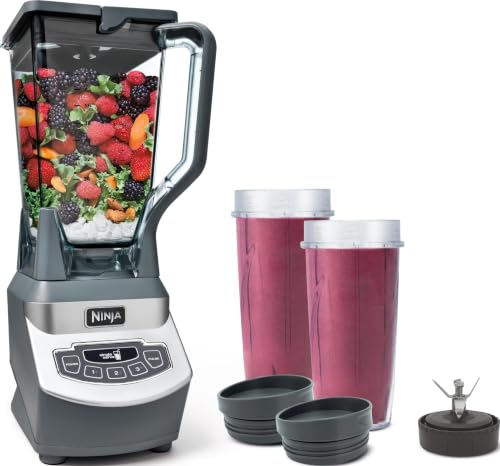


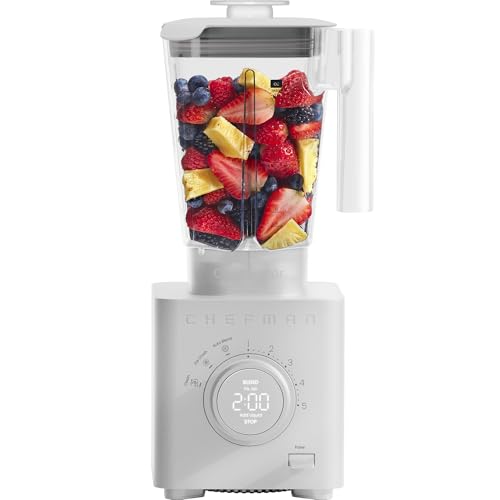


Quick Answer: Three Routes That Fit Real Homes
Most households land in one of three routes. A full size high power countertop model suits families and frequent entertaining because it handles big batches and thick mixtures without stopping. A compact model suits one or two people who blend daily and value easy storage. A premium model with a long warranty suits heavy users who would rather pay more once. Any of these can be the best blender for frozen drinks if it matches your batch size, space, and budget.
Before You Buy: A Quick Checklist for Choosing a Blender for Frozen Drinks
Frozen drinks are harder on a blender than most tasks because ice and frozen fruit resist the blades before any liquid starts moving. The factors below decide whether a machine powers through that first tough minute or struggles every time.
Size: Match It to Your Space
Capacity is listed in ounces, and the right size follows your usual batch, not your biggest party. Personal jars of about 14 to 24 oz suit single servings, while mid size jars near 48 oz suit couples. Full size jars of 64 to 72 oz suit households that serve four or more drinks at once. If your servings are usually small, our guide to the best small blender covers compact options.
Which Type Fits Your Routine
High speed countertop blenders are the standard choice because their motors sustain blade speed under a heavy load of ice. Personal blenders trade power for convenience and work best with smaller ice cubes and softer frozen fruit. Professional style models add larger motors and tougher jars for back to back batches. Quiet models use covers and insulation that help in open plan homes. Specialty types such as vacuum, cordless, heated, or smart models solve narrow problems that most buyers can skip.
Features Worth It and Ones to Skip
A tamper is worth having because it pushes thick mixtures toward the blades without stopping the motor. Preset programs for smoothies and ice crushing help new users get consistent results, and lids with a removable cap let you add liquid mid blend. Glass jars resist staining and odors, a point covered in our guide to the best glass blender, though they add weight. Food processor attachments and heating elements are worth skipping unless you will use them weekly.
Wattage, Power and Energy Use
Wattage is a rough guide rather than a promise, but frozen drinks expose weak motors quickly. Models around 600 to 900 watts can handle soft frozen fruit and small ice loads, while models around 1000 to 1500 watts keep speed better with dense mixtures and full jars. What matters is sustained power under load, not a peak number on the box. Energy use is minor because a typical blend runs for a minute or two.
Safety Features and Certifications
Look for a lid that locks or sits firmly, a stable base, and automatic shutoff protection if the motor overheats. Certifications such as UL or ETL show that an independent lab has checked the electrical safety of the appliance, which matters for a machine that draws this much power near water and ice. Blades are fixed in most full size jars, so treat the jar like a sharp utensil when you wash it. Unplug the base before you store it.
Counter Space and Dimensions
Measure the height from your counter to the bottom of your upper cabinets before you buy, because many full size blenders stand 17 to 20 inches tall with the jar in place. Width and depth matter too if the machine will live beside a coffee maker or toaster oven. A machine dragged out of a closet for every smoothie tends to get used far less.
Realistic Budget Ranges
Under $50 usually buys a personal or basic model that manages small servings with modest ice loads. About $50 to $100 brings stronger motors, bigger jars, and preset programs that suit most couples. About $100 to $200 is where full size models gain the sustained power frozen drinks need, plus better jars and longer warranties. About $200 to $300 adds quieter operation and tougher build quality. Over $300 buys premium construction and the longest warranties.
Types Compared: Three Styles Worth Your Money
Rather than chasing a single model name, compare the three styles below against the checklist above. The differences show up in batch size, noise, storage, and how long the machine is likely to serve you.
Best for Most Homes: Full Size High Power Blenders
This style pairs a jar of 64 to 72 oz with a motor strong enough to crush ice for a whole group at once. It suits families who make weekend margaritas, frozen lemonade for kids, and big smoothie batches. The trade offs are counter height, louder blending, and a jar that takes up dishwasher room. Choose it if you regularly serve three or more drinks and have the cabinet clearance to keep it out full time.
Best Value for Small Budgets: Compact Blenders
Compact models pair smaller jars with motors that handle one or two servings using smaller ice cubes and enough liquid to keep things moving. They suit apartment kitchens and anyone whose frozen drink habit is a daily single smoothie. Cleanup is fast and storage is easy, which encourages regular use. The limits are real though, since thick mixtures can stall a small motor. Choose this style if your batches stay small and your budget sits under $100.
Best Long Term Investment: Premium Blenders With Strong Warranties
Premium models cost more because of heavier motors, thicker jars, metal drive parts, and warranties that can run far longer than budget coverage. They suit households that blend daily for years and would rather claim warranty service than shop again. The trade off is the upfront price, which is hard to justify for occasional use. Choose this style if frozen drinks are a daily habit and counter space is not a constraint.
Our Selection Process for Frozen Drink Blenders
We judge blenders for this use on capacity, ice crushing ability, ease of use, cleaning effort, noise, safety, and warranty coverage. Our comparisons rely on manufacturer specifications, verified buyer feedback about long term ownership, and published safety standards rather than brand reputation alone.
Living With It: What Really Matters in a Blender for Frozen Drinks
Loading order decides most of your results. Put liquids in first, then soft ingredients, then frozen fruit and ice on top, because the liquid creates the swirl that pulls hard pieces down to the blades. Our guide on how to use a blender explains basic technique in more depth. If the mixture stops moving, stop the motor, add a splash of liquid, and use the tamper or a pulse rather than letting the motor strain.
Texture also depends on ratios you can adjust without any new equipment. A drink that blends gritty usually needs more liquid or less ice, while a thin drink needs more frozen fruit and less juice. Crushed ice blends faster than large solid cubes. For parties, blend the base ahead and give it a short second blend with fresh ice before serving.
Common Buying Mistakes to Avoid
- Buying the largest jar for a one person household, which leaves small batches splashing instead of circulating.
- Judging power by a peak wattage claim alone, which says little about how the motor holds speed under a full load of ice.
- Skipping the cabinet height measurement, which can leave a new blender homeless on a crowded counter.
- Paying for attachments and extra cups you will rarely touch, which raises the price without improving your frozen drinks.
- Ignoring the cost of replacement jars and gaskets, which turns a small crack into a full replacement later.
Cost of Ownership and Care
Ownership costs stay modest if you plan for a few wear parts. Gaskets flatten over time, jars can cloud or crack if dropped, and blade assemblies dull after years of ice, so check that spares are easy to order before you buy. Register the warranty when the machine arrives and keep your receipt, since proof of purchase speeds any claim.
Daily care is mostly about rinsing the jar soon after use so fruit sugars and dairy do not dry onto the walls. Warm water and a drop of dish soap blended briefly handles most residue, and our guide on how to clean a blender covers deeper cleaning steps. Dry the jar with the lid off so moisture does not linger around the seal.
FAQ: Your Questions, Answered
What is the most reliable blender brand?
Reliability depends more on build details than on a brand name alone. Look for metal drive parts instead of plastic, a motor warranty of several years, and a service network that sells replacement jars and gaskets for older models. Reading buyer reviews sorted by oldest helps too, since those reveal whether a model still runs well after years of ice.
How do you clean a blender after making frozen drinks?
Rinse the jar right away, then blend warm water with a drop of dish soap for about thirty seconds and rinse again. For odors that cling to the seal, remove the gasket if your design allows it and soak it in warm water with a spoon of baking soda. Wipe the base with a damp cloth only, and never submerge it.
Is a home blender worth it for frozen drinks?
It is worth it if you make frozen drinks at least a few times a month. A cafe smoothie or frozen coffee often costs about $5 to $8 per drink, so a mid range machine can match its price after a few dozen drinks made at home. The value drops if the blender sits unused, which is why matching size to your routine matters more than extra power.
How long does a blender for frozen drinks last?
A budget model used several times a week may last about two to four years, while a premium model can serve for a decade or more with basic care. Warning signs that the end is near include a burning smell during normal loads, a jar that wobbles on the base, and leaks that a fresh gasket does not fix. A failing motor usually means replacement is the safer choice.
What should I look for in a blender for frozen drinks?
Beyond power and capacity, pay attention to jar shape. A jar that narrows toward the base helps form a strong vortex that pulls ice down evenly, while a wide flat bottom can leave corners where chunks hide. Blade design matters too, since thick blunt blades are built to smash ice rather than slice it, and they resist chipping better over time.
What is the best blender for frozen drinks?
The right answer depends on your most common drink and your kitchen, not on a single ranking. If you mostly crush ice for mixed drinks, sustained crushing power matters most, while thick smoothie drinkers benefit more from a tamper and a jar that forms a tight vortex. Use noise tolerance as your tie breaker, since a machine you avoid using at breakfast will not earn its counter space. Match those points to the product table above.
Final Thoughts
Frozen drinks reward a blender that fits your household, your counter, and your habits more than one that simply tops a spec sheet. Decide your batch size first, confirm the machine fits under your cabinets, and put your money toward sustained power and a warranty you can actually use. Compare your shortlist against the product table above, and you will land on the best blender for frozen drinks for the way your home really blends.