Best Blenders for Crushing Ice (2026): Types, Power and Buying Tips
Disclosure: We may earn a commission when you buy through links on this page, at no extra cost to you. As an Amazon Associate I earn from qualifying purchases. Learn more
Jar shape, pulse mode and motor strength decide the best blender for crushing ice. Here is how to choose for your kitchen.
Picture a hot afternoon, frozen berries on the counter, and guests asking for smoothies in ten minutes. A weak blender leaves rattling chunks, a straining motor, and drinks that need a spoon. A capable one turns ice into fine snow in seconds. Choosing the best blender for crushing ice comes down to counter space, how many servings you make at once, and how often frozen drinks are on the menu. The comparison table below sums up the main types.
This guide walks you through sizes, power, safety, and budget tiers, then compares the three types that handle ice well. For a broader view, our guide to the best blender options covers general use models too.
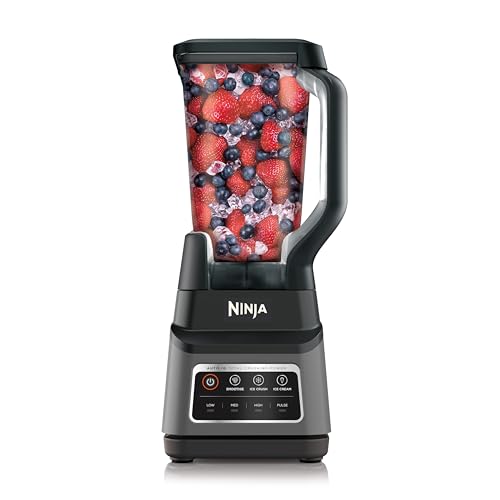

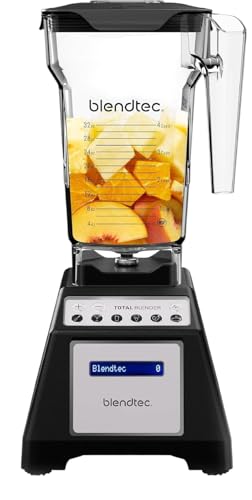

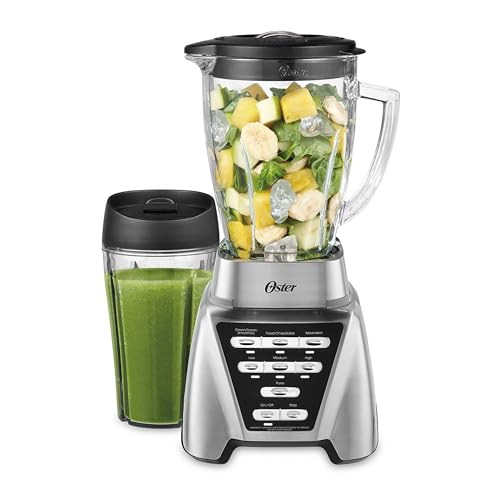
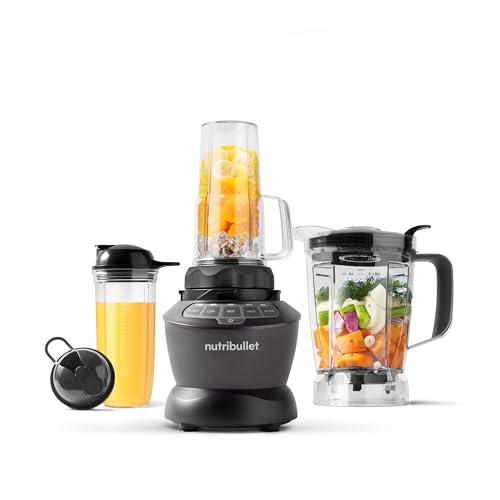

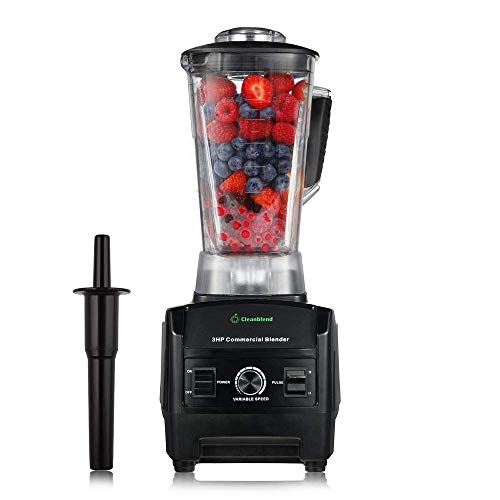

Quick Answer: Three Types That Crush Ice Well
Start with type rather than brand. Compact personal blenders suit one or two servings and small kitchens. Standard full size blenders suit most families and batch smoothies for guests. Premium heavy duty blenders suit daily use and large batches, and cost more up front. The sections below match each type to your space and budget.
Before You Buy: A Quick Checklist for Choosing a Blender for Crushing Ice
Ice is one of the hardest jobs you can give a blender, so small spec differences matter more here than for soft foods. Work through these points in order to narrow the field fast.
Size: Match It to Your Space
Jar capacity decides how many servings you can make in one run. Personal jars of about 16 to 24 oz suit a single smoothie. Mid size jars of about 48 oz suit two to four servings. Large jars of about 64 to 72 oz suit families and party batches, but ice needs room to circulate, so fill any jar only about two thirds full. If storage is tight and you mostly blend for one, see our guide to the best small blender models.
Which Type Fits Your Routine
Think about your week, not your best case day. If frozen drinks are a weekend treat, a standard countertop model with a pulse setting is usually enough. If you blend every morning before work, look for simple controls you can run half awake. If you make big batches for a crowd, a full size jar with a tamper saves you stopping to shake the jar. Specialty types such as vacuum, cordless, heated, and smart models solve narrow problems most homes can skip.
Features Worth Paying For and Ones to Skip
Pay for a strong pulse mode, a tamper, and a jar shape that pulls ice down toward the blades. A pulse breaks big cubes into smaller pieces before a full cycle, which gives a smoother result and less strain on the motor. Jar material matters too. Our guide to the best glass blender options explains the appeal of glass, but some glass jars are heavy and some makers advise against crushing ice in glass, so check your manual. Skip a heating element, app controls, or a food processor attachment unless you will use them weekly.
Wattage, Power and Energy Use
Wattage is a rough guide, not a promise. Many blenders that crush ice well sit in the range of about 900 to 1500 watts, while small personal models manage single servings with less. Blade design, jar shape, and how the motor handles load matter as much as the headline number. A model that keeps its speed with a full jar will outperform a higher watt model that bogs down. Energy use is minor, since a crushing cycle lasts well under a minute.
Safety Features and Certifications
Look for a lid that locks or sits firmly, a base that stays put, and an automatic shutoff if the motor overheats. UL or ETL certification shows the appliance met recognized safety standards in the United States. Keep hands and utensils out of a running jar, and use the tamper only through the lid opening made for it. If a jar cracks or a blade assembly feels loose, stop and replace the part.
Counter Space and Dimensions
Measure before you buy. Compare the height of the assembled unit with the gap under your upper cabinets, since tall jars on tall bases often fail this test by an inch. Check the footprint too, and decide whether the blender will live on the counter or in a cabinet. A model you haul out and plug in each time gets used less, so a smaller unit that stays out often wins.
Realistic Budget Ranges
These tiers give you a fair picture of what money buys.
- Under $50: basic personal and small countertop models. Fine for one serving if you add enough liquid, but expect slower crushing and shorter warranties.
- About $50 to $100: the busy middle ground. Stronger motors, bigger jars, and pulse controls that handle family smoothies without fuss.
- About $100 to $200: sturdier bases, better jar materials, quieter running, and longer warranties. A good fit for daily users.
- About $200 to $500: premium heavy duty models built for constant use, large batches, and very fine results on hard frozen fruit.
Types Compared: Three Routes to Smooth Crushed Ice
Compare these three types against your routine. Each one can be the right best blender for crushing ice choice for a different home.
Compact Personal Blenders for One or Two Servings
A personal blender blends right in its drinking cup, so you crush ice, pour, and rinse one container instead of a big jar. Choose this type if you live alone, share a small kitchen, or make the same single smoothie most days. Small motors need more liquid to keep ice moving, and back to back batches for guests feel slow. For a single serving routine with modest ice loads, though, the low price, tiny footprint, and fast cleanup make this type hard to beat.
Standard Full Size Blenders for Most Homes
This is the type most families should start with. A jar of about 48 to 64 oz, a motor with a strong pulse, and simple speed controls cover smoothies, frozen drinks, and crushed ice for recipes. You get capacity for guests without the cost or bulk of a premium base. Look for a jar with a wide bottom so ice reaches the blades, and a lid that seals well. If your household blends a few times a week, this type balances price, size, and results best.
Premium Heavy Duty Blenders for Daily Frozen Drinks
Premium models earn their price when ice crushing is a daily habit or you blend for a crowd. Stronger motors hold speed under load, jars are built for thick mixtures, and a tamper is usually included for pushing frozen fruit down without stopping. These units are larger and cost more to replace parts for. Choose this type if you have worn out a cheaper blender before, or if fine, snow like ice is the whole point of the purchase.
How to Compare Blenders for Crushing Ice
When two models look alike, compare them on the same short list. Check capacity against your usual batch size. Read the maker specs on blade material and jar design rather than marketing claims about power. Weigh ease of use and cleaning, since a blender that is annoying to wash gets skipped. Then check safety listings and warranty length, because warranty terms tell you how long the maker expects the motor and jar to last.
Living With It: What Really Matters Day to Day
Technique matters as much as hardware. Add liquid first, then soft ingredients, then ice on top, so the blades start moving freely and pull the ice down. Start on pulse to crack large cubes, then move to a steady speed. If the mixture stalls, stop, shake the jar or use the tamper, and add a splash more liquid rather than letting the motor strain. Our walkthrough on how to use a blender covers loading order and speeds in more detail. Noise is the other daily reality. Crushing ice is loud for about 30 to 60 seconds, so early risers may want to prep ingredients the night before.
Common Mistakes to Avoid
- Buying by wattage alone: a high watt number on a poorly shaped jar still leaves chunks and uneven drinks.
- Overfilling the jar: ice packed to the lid cannot circulate, so the bottom blends to slush while the top stays in cubes.
- Crushing ice with no liquid: dry loads bounce around the jar and strain the motor, and many makers warn against it.
- Ignoring the height under your cabinets: a unit that only fits with the jar stored apart adds daily hassle and ends up unused.
- Skipping the replacement parts check: if jars and blades are costly or hard to find, one crack can end the blender life early.
Cost of Ownership and Care
Running costs are low. A crushing cycle uses very little electricity, and there are no filters or bags to replace. The real costs are parts. Replacement jars, lids, gaskets, and blade assemblies range from about $15 to $60 for common models, and premium jars cost more. Care is simple. Rinse the jar soon after use so frozen fruit does not dry onto the walls, wash the gasket by hand so it keeps its seal, and let parts dry fully before storing. Our guide on how to clean a blender gives the full routine.
FAQ
Can a blender crush ice without any liquid in the jar?
Most home blenders struggle with a fully dry load. Ice cubes bounce off the blades instead of being pulled down, and the motor works harder for a coarse result. A little liquid, even a few spoonfuls of water or juice, creates the vortex that keeps ice moving. If you want dry crushed ice for serving, crush in short pulses with a splash of water, then drain the result in a strainer.
How long does a blender last if you crush ice often?
With regular ice crushing, a budget model may last about 2 to 4 years, a mid range model about 5 to 7 years, and a premium model a decade or more. The wide spread comes from load size and technique more than brand. Frequent dry loads and overfilling shorten motor and blade life, while sensible batch sizes keep wear low. A long warranty is a useful clue, since makers rarely offer one on parts they expect to fail early.
How do you clean a blender right after crushing ice?
Use the self cleaning method while residue is still fresh. Rinse the jar, fill it about halfway with warm water, add one drop of dish soap, and run it for about 30 seconds. Ice and frozen fruit leave little grease, so this cycle usually clears the walls and blades without scrubbing. Rinse once more and air dry the jar upside down. Take the gasket off once a week or so and wash it by hand to stop sticky buildup.
Is a blender for crushing ice worth it for weekend smoothies only?
It can be, if you keep the purchase in the standard full size range. A model at about $50 to $100 used twice a week costs very little per use within a year, and it replaces cafe smoothies that cost far more each. The case weakens if counter space is scarce and the unit would sit in a box between uses. Then a compact personal type stores easily and still handles a weekend smoothie with enough liquid.
Can you put hot liquid in the same blender you use for ice?
Yes, with care, and the jar material decides how careful you need to be. Hot liquid builds steam pressure, so fill the jar no more than halfway, start on the lowest speed, and leave the lid vent open if your model has one. Glass jars can crack from sudden temperature change, so avoid moving a jar straight from an icy load to hot soup. Rinse it with warm water first to narrow the temperature gap.
Final Thoughts
The right choice is the type that fits your counter, your batch size, and how often frozen drinks show up in your week. Compact personal models serve solo smoothie makers, standard full size models serve most families, and premium models serve daily users who want the finest texture. Use the product table above to compare capacities and features, then pick the best blender for crushing ice you will enjoy using weekly. Check the product page before ordering.