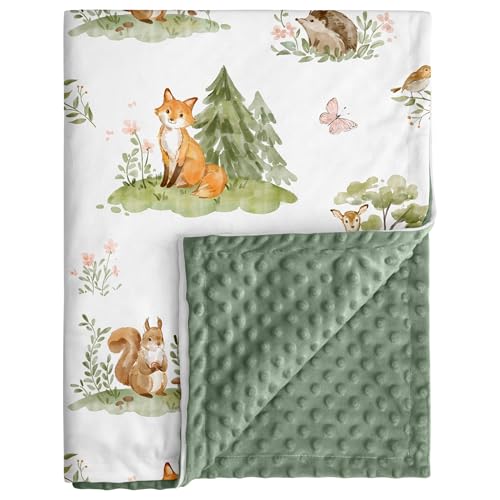
Best Blankets for Newborn Photography: The Buyer Checklist We Use for 2026
Disclosure: We may earn a commission when you buy through links on this page, at no extra cost to you. As an Amazon Associate I earn from qualifying purchases. Learn more

Use this buyer checklist for the best blankets for newborn photography to check fabric safety, texture, size, color, and care before your next photo session.
A newborn photo can look calm and simple while hiding a lot of careful setup behind it. The blanket does much of that quiet work. It sets the color story, softens the surface under the baby, and fills the frame without stealing attention from tiny hands and a sleepy face.
This checklist walks you through the exact points to check before you buy the best blankets for newborn photography for your style, whether you shoot in a studio, at client homes, or in your own living room. The comparison table below gives you a fast starting point.


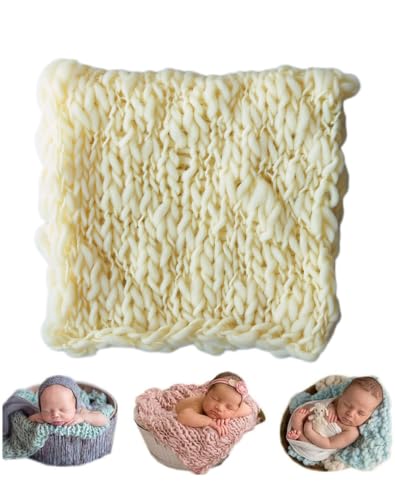
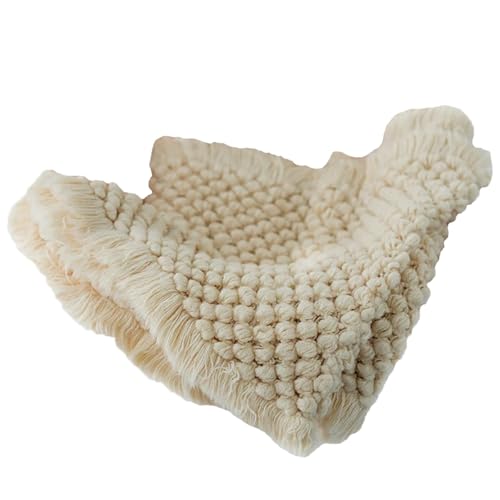
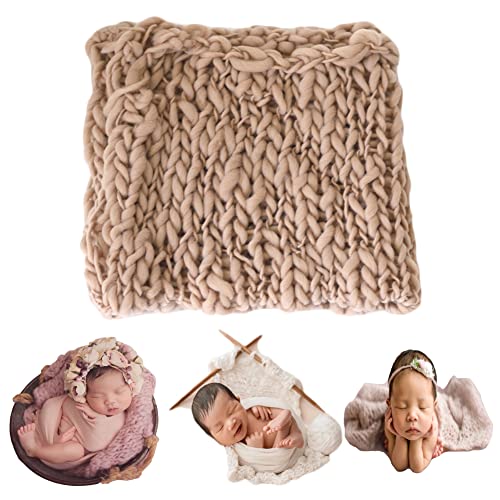


How to Judge Blankets for Newborn Photography
Features That Matter for Newborn Photography
Photography blankets need to do two jobs at once. They must photograph beautifully and stay gentle and safe against newborn skin during a supervised session. Texture is the first filter. Fine knits, soft woven cotton, and smooth stretch fabrics read well on camera because they show soft shadows without harsh shine. Very glossy fabrics reflect flash and create bright hot spots that distract from the baby.
Stretch matters more than many buyers expect. A blanket with gentle give wraps neatly around a posing beanbag or a basket and smooths out wrinkles that would otherwise need editing later. Color matters too. Soft neutrals and muted tones keep skin tones natural, while one or two deeper accent colors give you variety without a full new setup.
Material and Fill
Natural fibers such as cotton, linen blends, and wool knits tend to breathe well and feel soft after repeated washing. Cotton is the workhorse choice because it is easy to clean between clients and gentle for most babies. Linen brings a lovely matte texture on camera, though it can feel slightly crisp until it has been washed several times.
Synthetic options such as soft acrylic knits cost less and hold dye color well, which helps if you want a wide color range on a budget. Whatever you choose, avoid heavy fill or thick padding in a photography blanket. You want a flat, even layer that drapes, not a puffy quilt that pushes the baby into an uneven position or hides small features.
Cooling and Breathability
Newborn sessions often run warm because photographers keep the room comfortable for an undressed or lightly wrapped baby. A breathable blanket helps the baby stay settled without overheating. Open knits and natural fibers let air move, while dense fleece can trap heat during a long session.
Watch the baby, not just the fabric. If a baby seems too warm, fussy, or unwell, pause the session, remove layers, cool the room, and advise the parents to follow their pediatrician's guidance. A photo is never worth pushing through a concern.
Durability and Care
Studio blankets get washed constantly, often after every single session, so care labels decide whether a blanket stays in your kit or gets retired fast. Machine washable fabrics that hold their shape and color after many cycles save real money over a season. Check that dyes are colorfast, since a bleeding dye can stain wraps and clothing in the same wash.
Inspect stitching at the edges, because loose threads are both a quality problem and a safety problem around tiny fingers and toes. A well made blanket should survive gentle washing without curling edges or thinning patches. Keep two or three in rotation so no single blanket takes all the wear, and retire any blanket that develops holes, rough patches, or loose strands.
Size and Fit
Size decides what a blanket can cover. A common working size around 40 by 60 inches covers most posing beanbags and gives you enough fabric to tuck and smooth at the edges. Smaller pieces around 30 by 40 inches work as basket liners and layered accents, while larger backdrops suit family shots where parents hold the baby.
Think in layers when you plan a set. One large base blanket in a neutral tone, plus two smaller textured pieces, covers most sessions without a huge collection. If you also need blankets for everyday family use, our guide to the best blankets for newborns covers daily care needs beyond the studio.
What Each Price Tier Delivers
Use price tiers to set expectations. Each tier below describes what you generally get, who it suits, and where the limits show up in real sessions.
The Overall Tier
The overall sweet spot usually sits around $30 to $70 per blanket. At this level you generally get soft natural or blended fibers, even stitching, good stretch, and colors that stay true after washing. These blankets drape smoothly over posing surfaces and need little editing to clean up wrinkles or shine.
This tier suits working photographers and parents who plan several sessions. The limit is color range. Premium palettes tend to stay neutral, so if you want bold seasonal colors you may need to add a few budget pieces for accents rather than replacing your core set.
The Value Tier
Value options around $15 to $30 often use acrylic or cotton blend knits. They photograph better than many buyers expect, especially in soft natural light, and they let you build a wider color library fast. For home sessions and first attempts at posed photos, this tier is a sensible place to start.
Expect to replace them sooner. Edges may curl after many washes, and some fabrics pill, which shows up in close shots. Handle them gently, wash them in a laundry bag, and inspect before each use. For broader camera side context, see our guide to the best blankets for photography across other ages and settings.
The Heavy Use Tier
For daily studio work, look at the around $60 to $120 range, where tightly woven cotton and quality wool blends tolerate constant washing. These fabrics resist pilling, keep their stretch, and hold a smooth surface that speeds up your setup time between clients. Cost per session drops fast when a blanket lasts a full busy season.
The trade off is the upfront spend and a slower dry time for denser fabrics. Buy fewer pieces in proven neutral tones rather than many colors. Pair them with simple wraps, and if wrapping is part of your style, our guide to the best swaddle blankets for newborns explains wrap fabrics and sizes in detail.
Quick Buyer Checklist
- Is the fabric soft enough for bare newborn skin, with no scratchy seams?
- Does it stretch gently and drape without stubborn wrinkles?
- Is the color matte and true, with no shine that fights your light?
- Can you machine wash it gently and dry it without damage?
- Are the edges secure, with no loose threads anywhere?
- Is the size right for your beanbag, basket, or backdrop?
- Will you use it only as a supervised photo prop, never for sleep?
Red Flags to Watch For
Walk away from listings with vague fiber content, such as soft fabric with no material named. Skip blankets with glitter, glued decorations, or loose sequins, since small parts and shedding fibers do not belong near a newborn. Be wary of prices that seem far below every comparable option, because thin fabric and weak dyes usually explain the gap. Short or missing care information is another warning, as is a seller who cannot state the exact size. Finally, avoid very fluffy or long pile fabrics for direct skin contact, because fibers can bother tiny airways and the texture often overwhelms the baby on camera.
Tips to Get the Most From Your Blanket
Wash every new blanket before its first session to remove factory residue and soften the fibers. During the session, keep blankets as props under constant adult supervision, and never leave a baby alone on a raised posing surface. Between shots, smooth and retuck the fabric so wrinkles do not build up. Afterward, wash promptly, dry fully, and store flat or loosely rolled in a clean, dry place away from direct sun.
Safety sits above styling at every step. Photography blankets are not sleep blankets. Once the session ends, move the baby to a firm, flat sleep surface with nothing soft in it, following safe sleep guidance from your pediatrician. If you are building your kit, our guide to the best cameras for newborn photography covers the other half of the setup.
Blankets: Your Questions Answered
What features matter most in blankets for newborn photography?
Softness, stretch, and a matte texture matter most, because they protect comfort and keep the focus on the baby. Size comes next, matched to your posing surface. One extra point is scent. Skip scented detergents and fabric sprays before a session, since strong smells can irritate a newborn and make settling harder, even when the fabric itself is perfect.
How often should I replace my blanket?
Replace a photography blanket as soon as it pills, thins, loses stretch, or develops any loose thread, which for busy studios can be within one season. Home users may get several years from a gentle rotation. Do a slow hand check before every session, running your palm across the surface to feel for rough spots your eyes might miss in dim studio light.
How do I wash blankets safely?
Wash them safely in cold water on a gentle cycle with a mild, unscented detergent, ideally inside a mesh laundry bag. Skip fabric softener, which can leave residue against baby skin. Dry on low heat or flat, and check the whole surface once dry. Washing between every client session is standard practice in studios, and home users should wash before first use and after any illness in the house.
Are cooling blankets worth it for hot sleepers?
For newborn photography, a breathable blanket is worth it because warm rooms help babies settle, yet trapped heat can overheat them fast. Choose open knits or cotton for summer sessions and keep a room thermometer nearby. Adults who run hot while assisting will also feel the difference. If the baby shows flushed skin or damp hair, remove a layer at once rather than finishing the pose.
Final Thoughts
Run the checklist in order. Soft and safe fabric first, then stretch and drape, then size and color, then a care routine you can actually keep up. Tiers matter less than those basics, and the product table above can help you compare current options against them. With the best blankets for newborn photography basics handled, you can spend your session time on the baby, the light, and the moment, and talk with your pediatrician about any personal safety questions for your child.