Best Blankets for Newborns 2026: A Safe Buying Guide
Disclosure: We may earn a commission when you buy through links on this page, at no extra cost to you. As an Amazon Associate I earn from qualifying purchases. Learn more

Learn how to choose newborn blankets safely, from breathable fabrics and swaddle design to size, washing and safe sleep guidance for babies.
Choosing best blankets for newborns deserves extra care, because newborn safety, skin sensitivity, and sleep guidance matter far more than patterns or softness alone. The right blanket comforts a baby during awake time, tummy time, and outings, while sleep needs follow separate safe sleep rules. This guide explains fabric, size, and safety clearly for new parents.
Start with how you will use the blanket: swaddling, stroller outings, tummy time, or photography each favor different designs. The product table above compares the main types side by side, and the sections below cover who each type suits, which safety points matter, and when to seek clinician guidance.


Who Should Buy Which Type
For Swaddling and Soothing
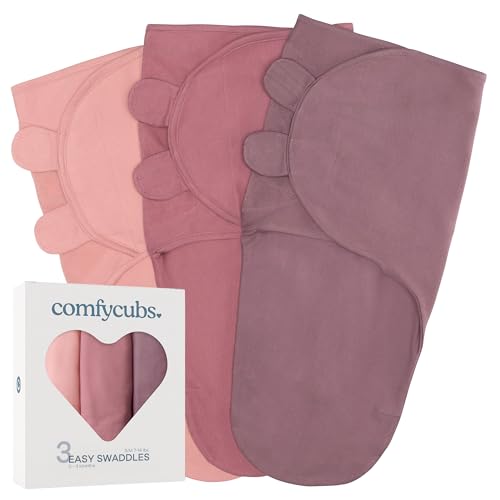
Swaddle blankets need stretch, breathability, and a size that wraps securely without overheating. Muslin and light cotton breathe well, while a secure wrap calms many newborns. Stop swaddling when a baby shows signs of rolling, and always place a swaddled baby on their back for sleep, following current safe sleep guidance.
For Stroller and Outings
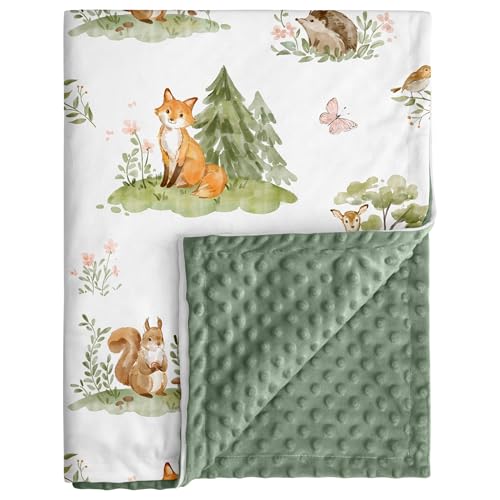
Outing blankets need light weight, easy washing, and a size that covers without dragging or tangling. A breathable fabric suits variable weather, while a soft backing adds comfort. Secure the blanket so it cannot cover the face or catch in wheels, and check temperature often, because babies overheat easily.
For Tummy Time and Play
Play blankets need a soft, washable surface that lies flat and cushions a baby on the floor. A larger size gives room to move, while bright patterns and textures engage curiosity. Keep play blankets clean and dry, and always supervise tummy time, never leaving a baby unattended on a blanket.
Key Features Explained in Plain English
Fabric, Breathability and Skin Sensitivity
Newborn skin is sensitive, so soft, breathable fabrics like cotton muslin, bamboo blends, and organic cotton suit most babies. Avoid rough textures, heavy synthetics that trap heat, and fabrics with loose fibers that shed. Wash new blankets before first use with gentle, fragrance free detergent to reduce irritation.
Size, Weight and Overheating Risk
Size should suit the use without excess fabric that can bunch near the face. Light weight blankets reduce overheating risk, which is a serious safety concern for newborns. Check the baby chest and neck for sweating or flushed skin, and remove layers if the baby feels hot, rather than adding more covers.
Swaddle Design and Secure Wrapping
Swaddle designs range from simple wraps to Velcro and zip styles that simplify secure wrapping. A good swaddle holds arms snugly while allowing hip movement, because overly tight leg wrapping can affect hip development. Follow maker instructions carefully and stop swaddling at the first sign of rolling.
Washing, Durability and Everyday Practicality
Newborn blankets need frequent washing, so machine washable fabrics and sturdy stitching matter greatly. Check that colors stay fast and fabric stays soft after washing, because rough blankets irritate skin. Keep several blankets in rotation, so a clean one is always ready during frequent changes.
How to Compare Options and Set a Budget
Budget tiers are gentle. Everyday sets at about $15 to $40 suit daily use and frequent washing. Mid range sets at about $40 to $80 add softer fabrics, better stitching, and thoughtful designs for swaddling and outings. Premium sets above $80 offer organic fabrics and refined finishes, so check washability before paying more for luxury feel.
Compare options by breathability, washability, and size for your main use. A soft, breathable, easily washed blanket that fits its job beats a decorative blanket that overheats or frays. Keep safety guidance first: safe sleep means a firm flat surface without loose bedding, so use blankets for awake time and outings as directed.
See our guides to best swaddle blankets for newborns, best receiving blankets for newborns, best blankets for newborn photography and best quality blankets.
Care, Safety and Common Mistakes
Wash blankets before first use and after spills with gentle detergent, and dry fully to prevent dampness. Inspect stitching and fasteners regularly, because loose threads and broken Velcro can pose risks. Discard blankets with fraying, holes, or damaged fasteners, and store clean blankets dry and away from pets.
Seek clinician guidance promptly if a baby shows persistent rash, breathing difficulty, fever, or unusual fussiness that could relate to overheating or allergy. These signs need professional assessment, not just a blanket change. Safe sleep guidance changes over time, so follow current advice from your clinician and trusted health sources.
Frequently Asked Questions
Are blankets safe for newborn sleep?
Loose blankets are not recommended in a newborn sleep space, which should stay firm, flat, and clear. Use a sleep sack or wearable blanket for sleep warmth instead, and reserve loose blankets for supervised awake time and outings. Always place a baby on their back for sleep and follow current safe sleep guidance.
What fabric is best for newborn blankets?
Soft, breathable cotton muslin and bamboo blends suit most newborns, because they breathe well and wash easily. Avoid heavy synthetics that trap heat and rough fabrics that irritate skin. Wash new blankets with gentle, fragrance free detergent before first use.
When should I stop swaddling?
Stop swaddling when a baby shows signs of rolling over, usually in the first few months, because a swaddled baby who rolls faces higher risk. Switch to a sleep sack for warmth after that point. If you are unsure about timing, ask your clinician for guidance based on your baby development.
How many blankets do I need?
Several blankets in rotation suit newborn life, because spills and washing are frequent. A set for swaddling, a set for outings, and a set for play covers most needs. Keep spares ready, because a clean blanket is often needed urgently during night changes.
How do I prevent overheating?
Use light, breathable layers, check the baby chest and neck for heat or sweating, and keep room temperature comfortable. Remove a layer if the baby feels hot, and avoid hats indoors and heavy covers. Overheating is a serious risk, so err on the side of lighter coverings.
Final Thoughts
Choose breathable, washable fabrics, size for the job, and follow safe sleep guidance that keeps loose bedding out of the sleep space. Those checks protect comfort and safety together. On that basis, best blankets for newborns becomes a caring, informed choice for new parents, and the product table above helps confirm your shortlist.