
Best Blankets for Preschool: Every Type Explained Side by Side for 2026
Disclosure: We may earn a commission when you buy through links on this page, at no extra cost to you. As an Amazon Associate I earn from qualifying purchases. Learn more
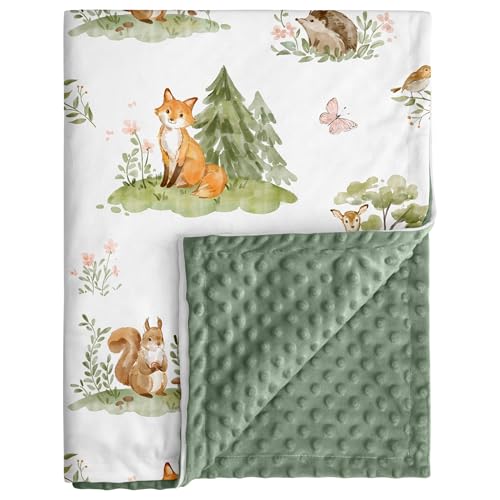
Compare the best blankets for preschool by type, warmth, washability, and safety, with a clear checklist for nap time, classroom use, and home.
A preschool blanket has a harder job than most bedding. It gets dragged to nap time, washed after every spill and illness, and expected to comfort a small child in a room full of other children. With cotton, fleece, bamboo blends, and filled options all calling themselves perfect, choosing gets confusing fast.
This guide compares each type of best blankets for preschool side by side, so you can match the fabric and weight to your child, your laundry routine, and the rules of your school. Start with the comparison table below, then read the type breakdowns to see which style fits your situation.
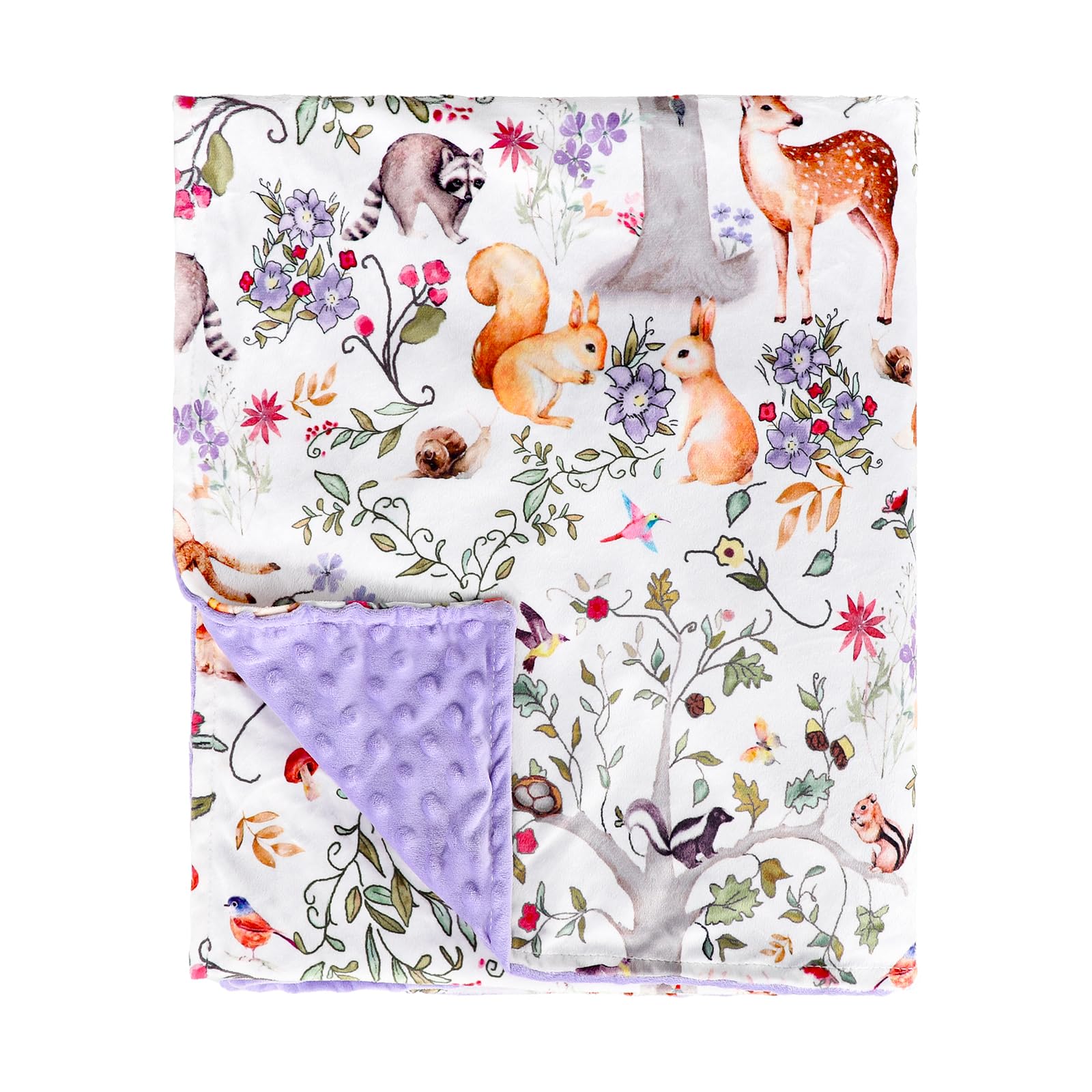


Types of Blankets Compared
Every blanket type below can work for a preschooler. The real differences are warmth, how the fabric handles frequent washing, and how easily a small child can manage it alone. Prices are typical ranges only. A basic cotton or fleece nap blanket usually costs around $15 to $30, while wool blends and filled quilts often run about $30 to $60.
Cooling Cotton and Bamboo Fabrics
Woven cotton and bamboo blend blankets breathe well and feel cool against the skin, which suits warm classrooms and children who kick off heavy covers. They add light warmth without trapping heat, so a child stays comfortable through a full nap. The trade off is limited insulation on cold days, so pair one with warm pajamas in winter.
These fabrics wash easily, dry fast, and soften with use. If your school sends bedding home weekly for laundering, a quick drying woven blanket is a practical everyday choice.
Plush Fleece
Fleece is the cozy favorite for nap time. It feels soft right away, adds real warmth at a low weight, and shrugs off wrinkles, so it looks fine straight from a cubby or backpack. Most fleece blankets cost around $15 to $30 and survive years of washing without fading much.
Fleece does have limits. It can feel too warm for hot sleepers, it builds static in dry rooms, and low quality fleece pills after repeated washes. Choose a denser fleece with stitched edges if you want it to last the whole school year.
Quilted Cotton With Light Fill
A quilted cotton blanket with a thin layer of polyester fill sits between a sheet and a comforter. The fill adds gentle warmth and a settled, tucked in feeling that helps restless nappers relax, while the cotton shell keeps it breathable. Stitching through all layers keeps the fill from bunching in the wash.
These cost a bit more, usually around $25 to $45, and take longer to dry than fleece. They suit children who feel cold at nap time and schools that keep rooms cool.
Wool Blend and Down Alternative
Wool blend blankets regulate temperature naturally, warming a child in a chilly room and releasing heat when the room warms up. They resist odors between washes, which helps when laundry day slips. The downside is care: many need gentle washing, and some children find wool slightly scratchy against bare skin.
Down alternative quilts copy the loft of down using synthetic fill, giving soft, even warmth that washes in a normal machine. They cost around $30 to $55 and work well as the main home blanket for a preschooler who also uses it on the couch.
Cotton vs Fleece: Which Should You Choose?
For most families this is the real decision. Cotton wins on breathability, natural fibers, and a cooler sleep surface for warm classrooms. Fleece wins on warmth per ounce, price, and how forgiving it is of rough handling and rushed laundry. Cotton dries slower on the line but feels less clammy; fleece dries fast but can trap heat and static.
Choose cotton or a bamboo blend if your child runs warm or the classroom is heated well. Choose fleece if naps happen in a cool room, your child loves a soft plush feel, or you need a spare that can be washed and dried the same evening.
How to Choose the Right Blanket
Features That Matter for Preschool
Size comes first. A blanket around 40 by 50 inches covers a standard nap mat and a preschooler without so much extra fabric that it tangles or drags on the floor. Look for rounded or firmly stitched corners, a weight a small child can carry and fold alone, and a label space or loop for writing a name, since schools require bedding to be identified.
Material and Fill
Natural fibers like cotton feel breathable and suit sensitive skin, while microfiber and fleece add warmth and durability at a lower price. For filled blankets, down alternative is the practical choice for this age because it washes well and dries evenly, while real down is harder to launder and rarely needed for nap time. If allergies run in the family, ask your pediatrician which fill and fabric they recommend for your child.
Parents comparing construction quality across ages can also read our guide to the best quality blankets for notes on stitching and edge finishes that hold up over time.
Weight and Sleep Position
Instead of firmness, think in terms of blanket weight and loft. A thin woven blanket suits back sleepers and warm rooms. A medium loft quilt suits side sleepers who curl up and want cover over the shoulder and hip. Avoid heavy weighted blankets for young preschoolers unless a clinician advises one, because small children may not move a heavy blanket off the face and chest easily.
Durability and Care
Preschool bedding may be washed weekly or even daily after illness, so machine washable and tumble dry safe are near essential. Bound or double stitched edges resist fraying, and colorfast prints keep a favorite blanket looking familiar, which matters to a four year old. Buy a spare in the same style if you can, because a matching backup prevents nap time drama when one is in the wash.
For the years before preschool, sizing and safety rules differ, and our guide to the best blankets for newborns explains why loose blankets stay out of sleep spaces for babies under one year.
Care and Maintenance Tips
Wash preschool blankets in warm water with a mild detergent and skip fabric softener on fleece, since softener coats the fibers and reduces softness over time. Dry on medium heat and remove promptly to limit wrinkles. Check edges monthly for loose threads a small finger could catch, and retire any blanket with holes large enough to trap fingers. Store the clean spare in a sealed bag so it is ready the moment the main blanket needs washing.
Safety note: if your child has asthma, eczema, or a known fiber allergy, talk with their clinician about the best fabric and laundry routine for their personal needs before you buy.
FAQs
What features matter most in blankets for preschool?
The features that matter most are the right size for a nap mat, machine washable fabric, and a weight your child can carry and arrange alone. Around 40 by 50 inches fits most mats. Add stitched edges for durability, a name label for school rules, and breathable fabric if the classroom runs warm. A spare in the same style is a feature in itself on laundry day.
Are cooling blankets worth it for hot sleepers?
Yes, a breathable cotton or bamboo blend blanket is worth it for a child who sweats or kicks covers off, because trapped heat is a common reason preschoolers wake mid nap. Cooling here simply means woven, airy fabric rather than special technology. In a cool room the same child may still need warm pajamas, so treat the blanket as one layer of the sleep setup, not the whole answer.
How do I wash blankets safely?
Wash in warm water with mild detergent, separate from items with hooks or zippers that snag fleece, and tumble dry on medium. Skip bleach on prints and use an extra rinse if your child has sensitive skin, since detergent residue can itch. Wash a new blanket before first use to remove loose lint and finishing treatments from the fabric surface.
How often should I replace my blanket?
Replace a preschool blanket when the edges fray, the fill clumps into lumps that no longer spread out, or the fabric thins enough to tear under gentle pulling. With weekly washing, expect about one to two school years from fleece and a bit longer from well made cotton. Holes and loose long threads are safety reasons to retire a blanket right away, not just cosmetic ones.
Our Verdict
Match the blanket to three things: the temperature of the nap room, how often you can wash, and whether your child can manage the blanket alone. Cotton and bamboo blends suit warm rooms and hot sleepers, fleece suits cool rooms and tight budgets, and a light quilt suits children who want a settled, tucked feeling. Whichever type you choose from the best blankets for preschool, compare your finalists in the product table above and keep a labeled spare ready for laundry day.
As your child grows, the same fabric logic applies to couch throws and family blankets, which our guide to the best throws and blankets covers in larger sizes. And if you are still stocking a nursery for a younger sibling, our guide to the best infant blankets explains the smaller sizes and stricter safety rules for that stage.


