
Best Blankets for Eczema 2026 Skin and Sleep Guide
Disclosure: We may earn a commission when you buy through links on this page, at no extra cost to you. As an Amazon Associate I earn from qualifying purchases. Learn more

A plain guide to blankets for eczema: breathable fabrics, smooth weaves, washing routines, and temperature control, so you can sleep with less itching.
Eczema makes sleep harder, because heat, sweat, and rough fabrics can trigger itching just as you settle, and best blankets for eczema are worth choosing for fabric and temperature control rather than looks alone. A smooth, breathable blanket that stays cool through the night helps many people more than a thick, cozy cover that traps heat. The comparison table below shows the main blanket types side by side, so you can compare fabrics, weaves, and care before you buy.
This guide explains which fabrics tend to irritate skin less, why temperature matters so much for eczema, and how washing routines affect comfort. It also covers what to avoid, from rough textures to heavy dyes and fragrances, and when skin symptoms need professional advice. Blankets cannot treat eczema, but the wrong blanket can certainly make a night worse.
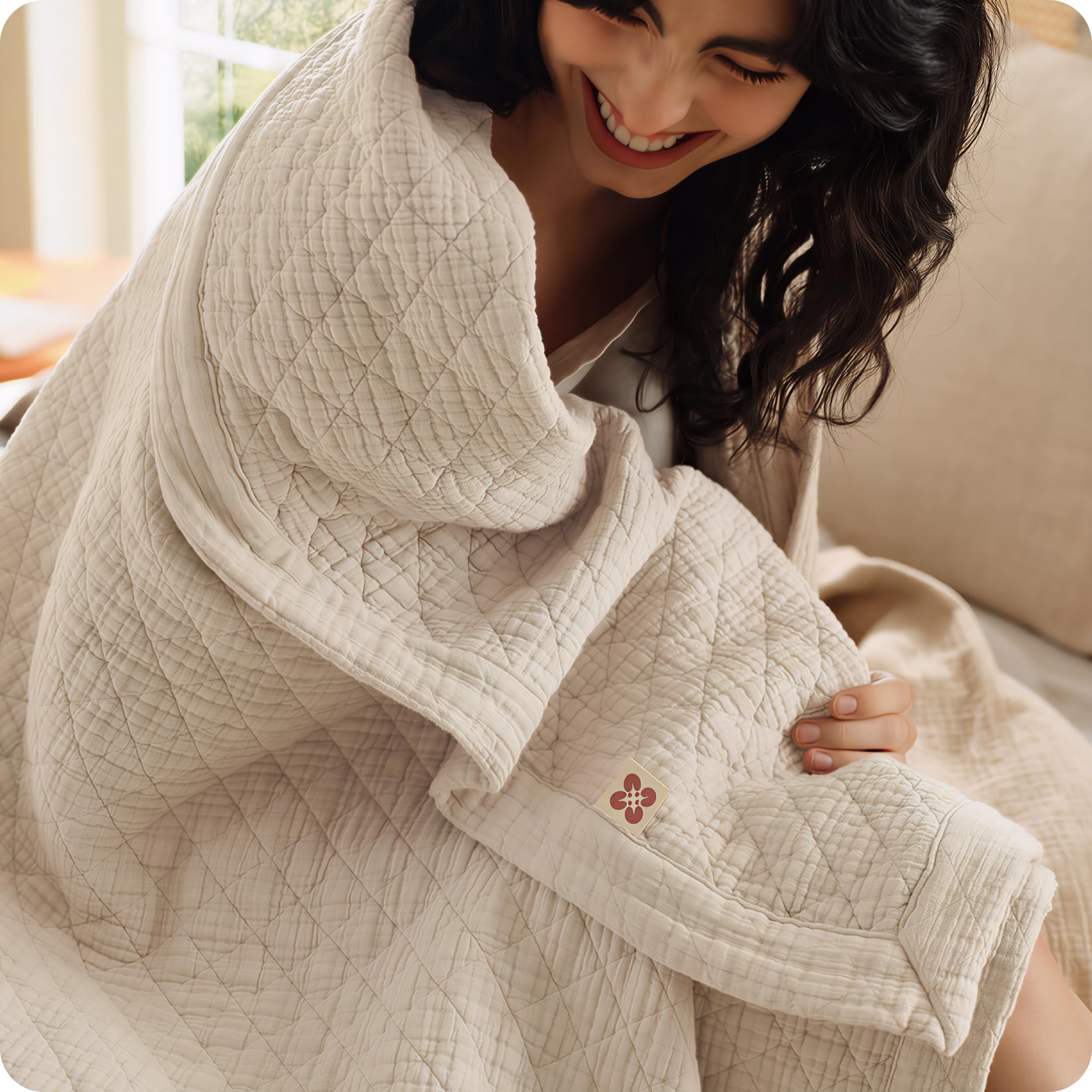
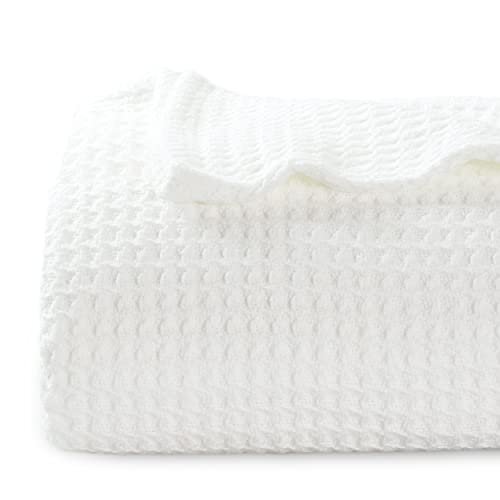
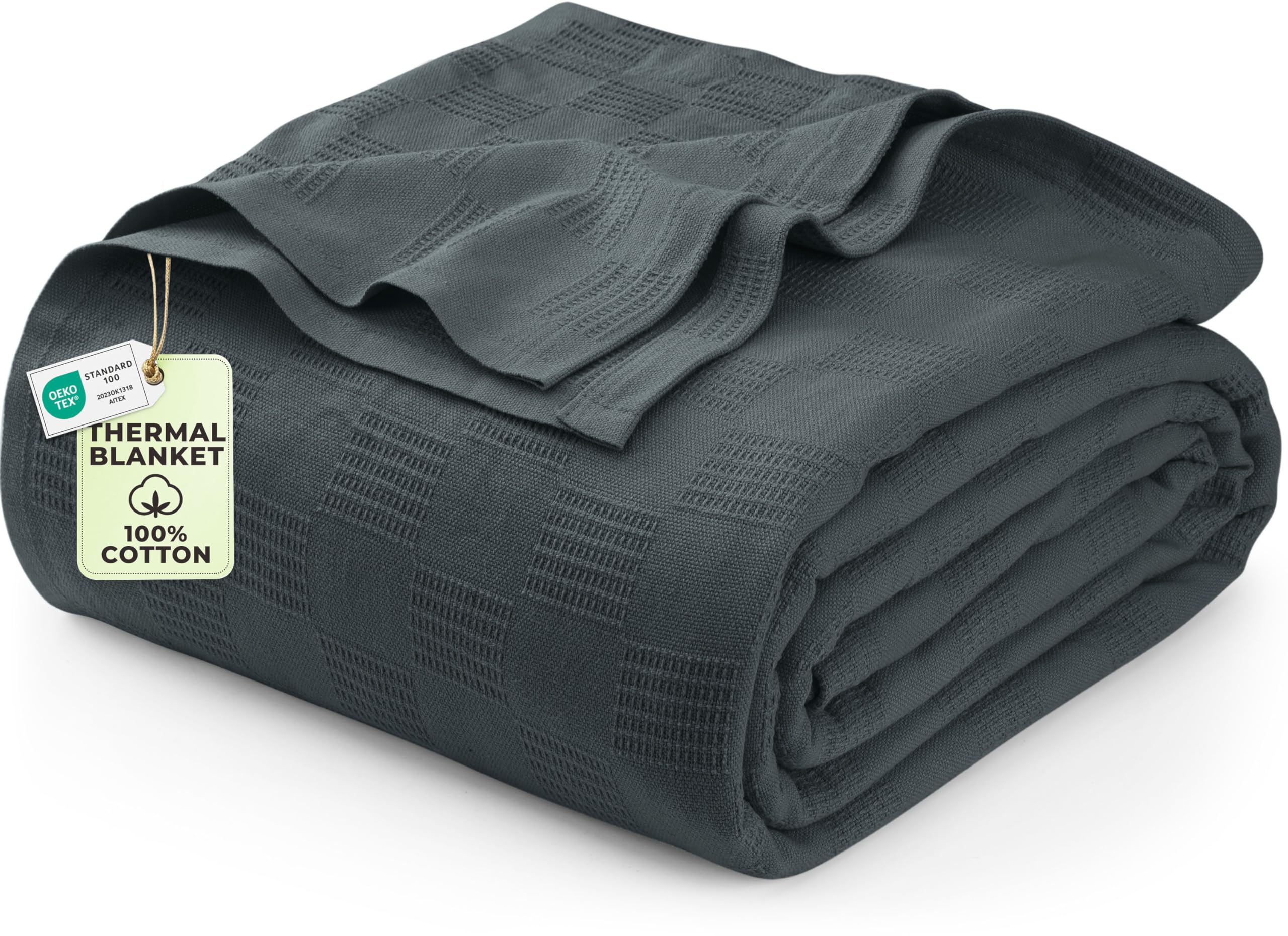
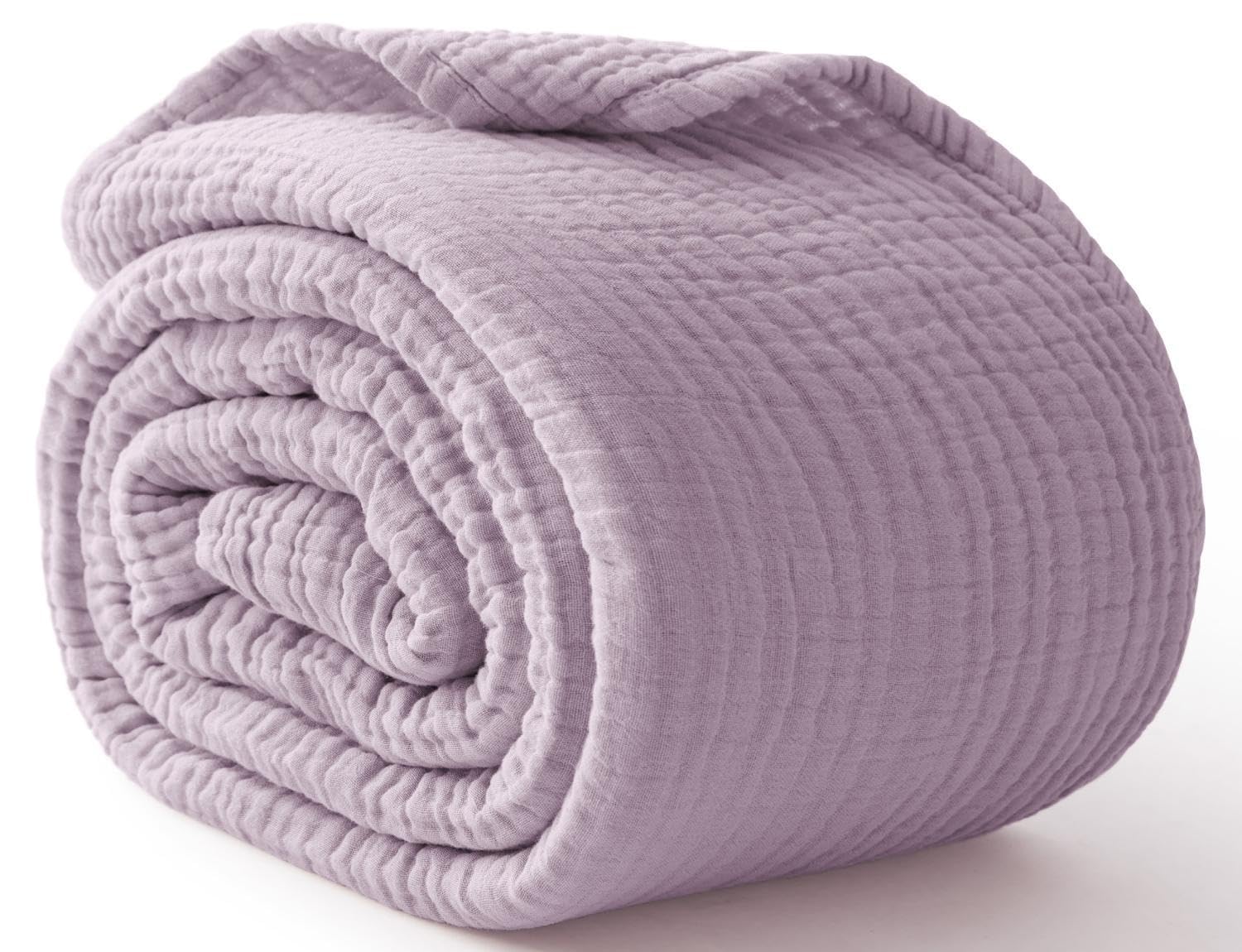

Fabrics That Tend to Irritate Less
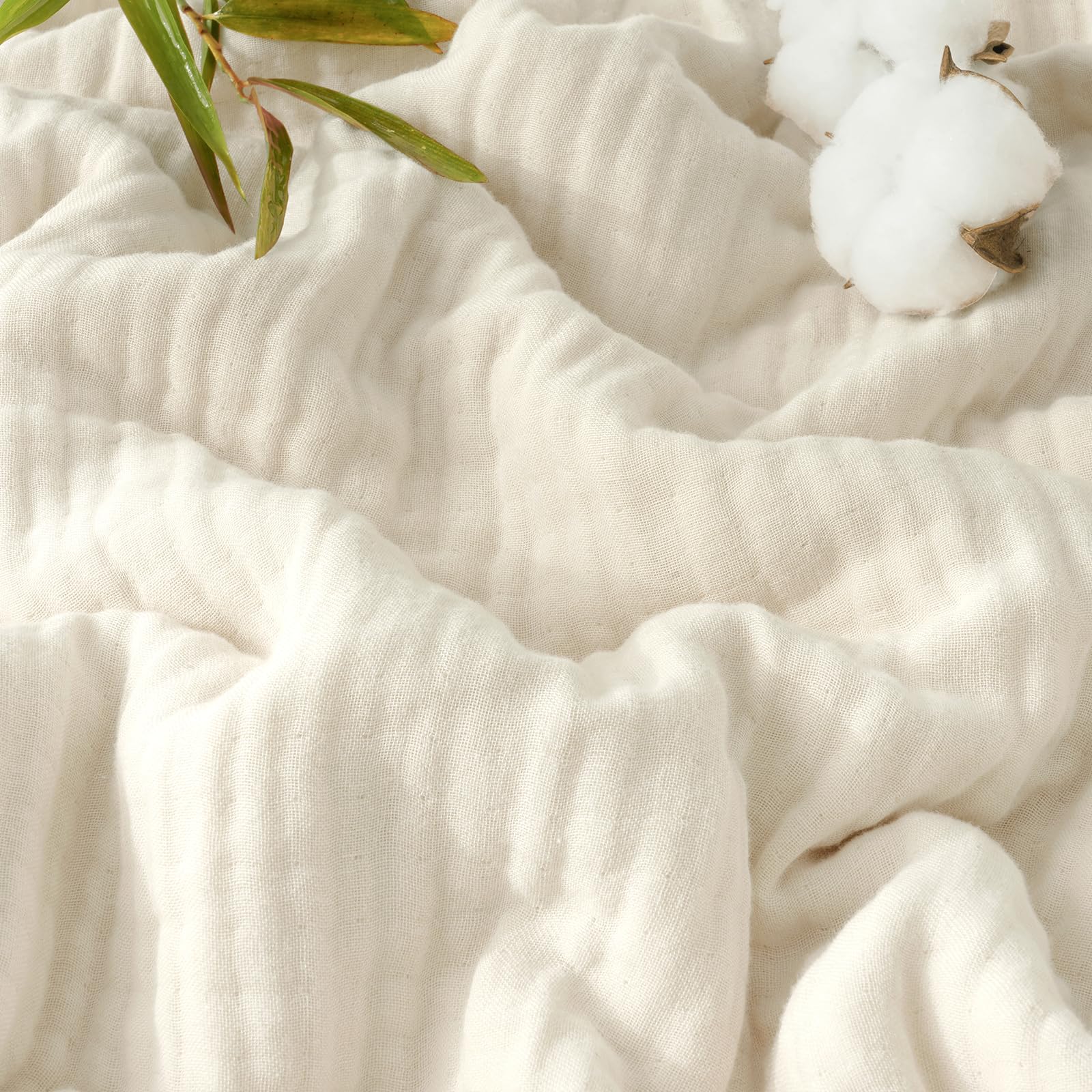
Cotton is the usual starting point, since it breathes, absorbs moisture, and feels smooth when the weave is tight and flat. Look for long staple cotton with a smooth sateen or percale weave rather than a rough or napped finish, since texture matters as much as fiber. Bamboo derived fabrics also feel smooth and breathe well, though quality varies, so check the actual fabric feel rather than trusting the label alone.
Wool and rough synthetics irritate many people with eczema, because coarse fibers catch on dry skin and trap heat. Silk feels smooth and cool, but it is costly, needs careful washing, and may not suit everyone. Whatever the fiber, wash a new blanket before first use to remove finishing chemicals and loose fibers, and choose undyed or lightly dyed options when possible, since dyes and finishes can irritate sensitive skin.
Temperature, Sweat, and Night Itching
Heat is a major eczema trigger, and a blanket that traps warmth can start an itch scratch cycle that ruins sleep. Choose a blanket weight that matches your room temperature, and consider layering two lighter blankets instead of one heavy one, so you can adjust through the night. A breathable blanket that lets moisture escape keeps skin drier than a waterproof or heavily synthetic cover.
Room temperature matters too: a cool bedroom, light nightwear, and a breathable blanket work together, while a hot room can undo the benefit of the best fabric. If you wake hot and itchy, try a lighter blanket before blaming the fabric, since overheating is often the real trigger. Keep a spare light blanket nearby so you can swap layers without fully waking up.
Weave, Seams, and Texture Details
Texture details that seem minor can matter a lot for eczema: raised seams, embroidered patterns, and rough edges can catch on dry skin all night. Choose blankets with flat seams, smooth edges, and no scratchy labels, and turn the blanket so the smoothest side faces your skin. A simple flat weave usually beats a fancy textured design for comfort, even if it looks plainer on the bed.
Check the blanket inside and out before buying, running your hand across seams and hems as well as the main fabric. If a blanket feels even slightly rough in the shop, it will feel rougher against inflamed skin at night. Wash the blanket a few times before judging it fully, since some fabrics soften with washing while others stay rough.
Washing Routines That Help Skin
Washing removes sweat, skin flakes, and dust mites, all of which can irritate eczema, so a regular routine matters. Wash bedding weekly in hot water when the fabric allows, and use a fragrance free detergent made for sensitive skin. Rinse well, since detergent residue left in fabric can irritate skin as much as dirt does, and consider an extra rinse cycle if your machine offers one.
Avoid fabric softeners and scented dryer sheets, which coat fibers with fragrance and chemicals that often trigger itching. Dry blankets fully before use, since damp bedding encourages dust mites and mold, and store spare blankets in a clean dry place. If a new detergent or softener coincides with a flare, switch back to a plain fragrance free product first.
Dust Mites, Allergens, and Covers
Dust mites live in bedding and their droppings can worsen eczema for some people, so mite control helps alongside fabric choice. Washable mite barrier covers for pillows and mattresses reduce exposure, and washing blankets regularly keeps mite numbers lower. Keep the bedroom vacuumed and dusted, and avoid storing extra blankets on the bed where they collect dust.
If dust mite allergy is suspected, talk with a clinician about testing and management, since covers and washing help but do not replace medical advice. Airing the room daily and keeping humidity moderate also discourages mites. A clean, simple sleep setup often beats a complex one with many decorative covers and cushions that gather dust.
When Skin Symptoms Need Professional Advice
Blankets can improve comfort, but they cannot treat eczema, and worsening symptoms need professional care. Warning signs include skin that is weeping, cracked and bleeding, infected looking, or so itchy that sleep is regularly lost, as well as eczema that spreads rapidly or does not respond to your usual care. Talk with a clinician or dermatologist if any of these occur, rather than trying blanket after blanket.
Keep notes on what helps and what triggers flares, including fabrics, detergents, room temperature, and new products, since patterns are easier to spot over weeks than in a single night. Share these notes with your clinician, who can advise on skin care, treatments, and whether allergy testing is useful. Comfortable bedding supports good skin care, but it does not replace it.
Choosing Pillowcases and Sheets to Match
A blanket helps only if the rest of the bedding cooperates, so choose pillowcases and sheets in the same smooth, breathable spirit. Cotton percale sheets feel cool and crisp, while sateen sheets feel smoother but slightly warmer, so percale usually suits eczema better in warm rooms. Avoid rough flannel and heavy synthetic sheets, which trap heat and catch on dry skin just as rough blankets do.
Wash sheets and pillowcases on the same fragrance free routine as the blanket, since detergent residue on a pillowcase sits against facial skin all night. Change pillowcases more often than sheets if facial eczema flares, since pillowcases collect oils and skin flakes fastest. A simple, smooth, cool sleep setup, with no decorative cushions gathering dust on the bed, supports the blanket choice rather than undermining it.
Related Buying Guides
For the wider blanket picture, see best quality blankets and best throws and blankets. For younger children, compare best infant blankets, keeping in mind that infant bedding follows strict safe sleep guidance and loose blankets are not used for babies under one year.
Frequently Asked Questions
What fabric is best for eczema blankets?
Cotton with a smooth tight weave is the usual starting point, since it breathes, absorbs moisture, and feels smooth against skin. Bamboo derived fabrics also feel smooth and breathe well, though quality varies, so check the actual feel rather than trusting the label. Wool and rough synthetics irritate many people, because coarse fibers catch on dry skin and trap heat.
Should eczema blankets be light or heavy?
Light and breathable usually suits eczema better, because heat is a major trigger and a heavy blanket can start an itch scratch cycle. Layering two lighter blankets lets you adjust through the night, while a single heavy cover traps warmth. If you wake hot and itchy, try a lighter blanket before blaming the fabric, since overheating is often the real trigger.
How often should I wash blankets for eczema?
Wash bedding weekly in hot water when the fabric allows, using a fragrance free detergent made for sensitive skin. Rinse well, since detergent residue can irritate skin as much as dirt, and consider an extra rinse cycle. Avoid fabric softeners and scented dryer sheets, which coat fibers with fragrance and chemicals that often trigger itching.
Do dust mite covers help eczema?
Washable mite barrier covers for pillows and mattresses can reduce exposure for people sensitive to dust mites, and regular washing keeps mite numbers lower. Keep the bedroom vacuumed and dusted, and avoid extra decorative covers that gather dust. If dust mite allergy is suspected, talk with a clinician about testing and management alongside bedding changes.
When should eczema prompt a doctor visit?
Talk with a clinician or dermatologist if skin is weeping, cracked and bleeding, infected looking, or so itchy that sleep is regularly lost, or if eczema spreads rapidly or stops responding to usual care. Blankets improve comfort but cannot treat eczema, and worsening symptoms need professional care rather than another bedding change. Keep notes on triggers to share with your clinician.
Final Thoughts
The best blankets for eczema are smooth, breathable, and easy to wash, in a weight that keeps you cool through the night. The product table above gives a quick comparison, but fabric feel and temperature control matter more than brand claims. Wash before first use, skip fragranced products, and layer lightly so you can adjust through the night. If symptoms worsen despite comfortable bedding, talk with a clinician, since good bedding supports skin care but never replaces it.


