
Best Blankets for Couples in 2026: Which Type Is Right for You?
Disclosure: We may earn a commission when you buy through links on this page, at no extra cost to you. As an Amazon Associate I earn from qualifying purchases. Learn more

The best blankets for couples give both sleepers enough coverage and balanced warmth, with fabric that survives frequent washing.
Sharing a blanket sounds simple until one of you wakes up cold at 3 a.m. while the other is sweating under the same layer. Store shelves mix down, cotton, fleece, bamboo, and layered designs with no clear map of who each type actually suits. This guide compares the main types side by side so you can choose the best blankets for couples setup for two different bodies in one bed.
You will see how each type handles warmth, weight, and washing, what each usually costs, and which compromises matter most when two sleepers share. Start with the comparison table below, then read the type notes that match how you and your partner actually sleep.
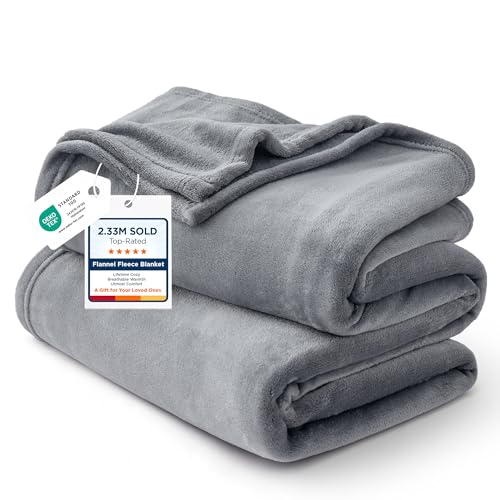

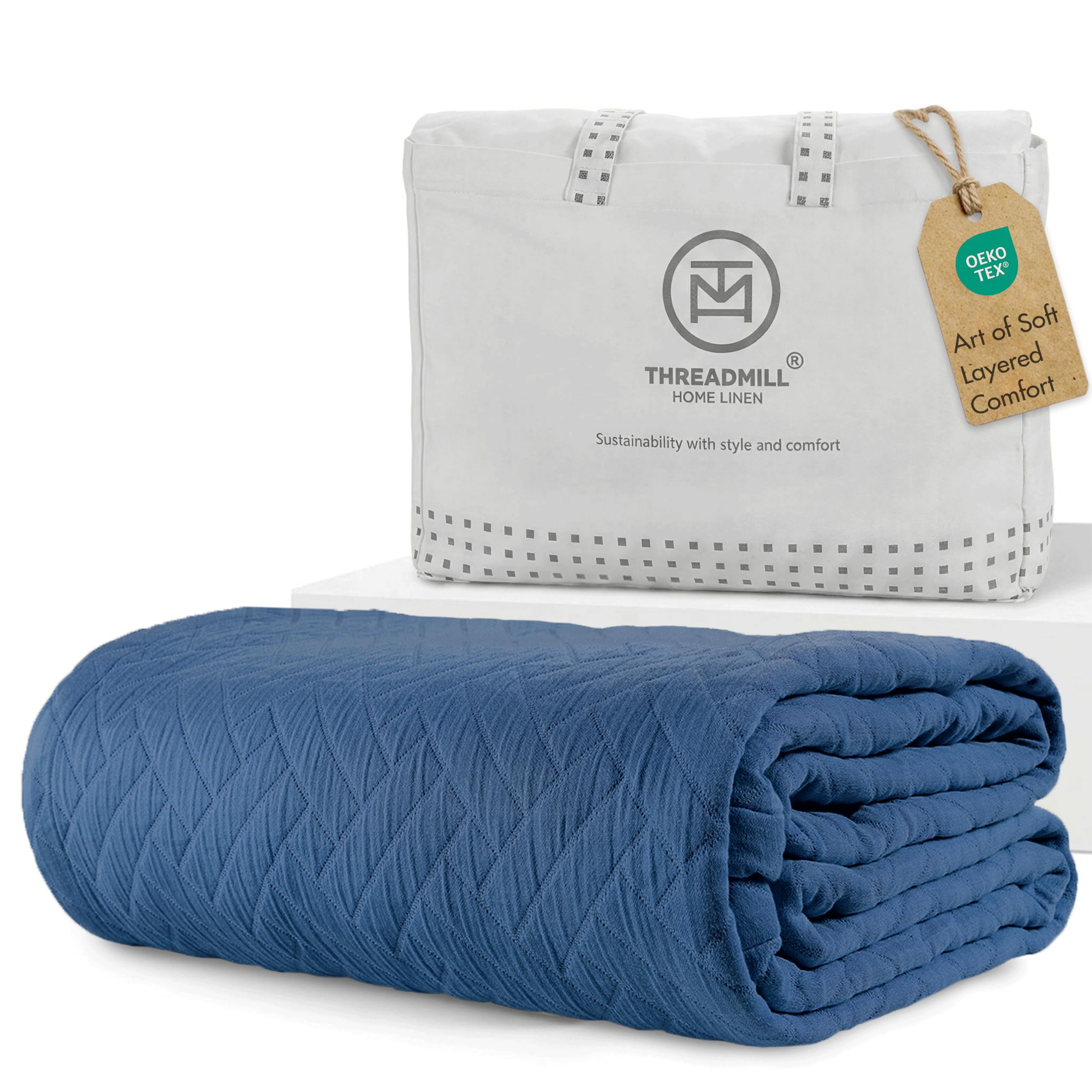

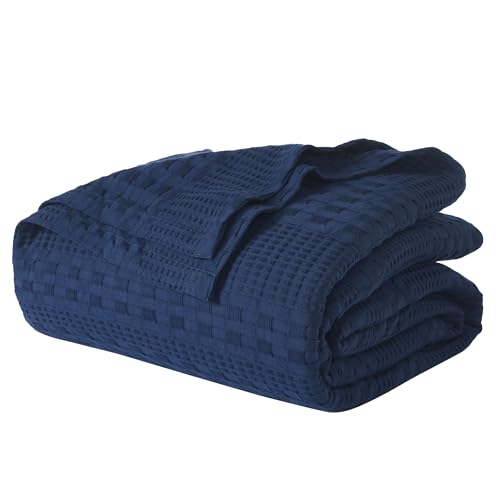

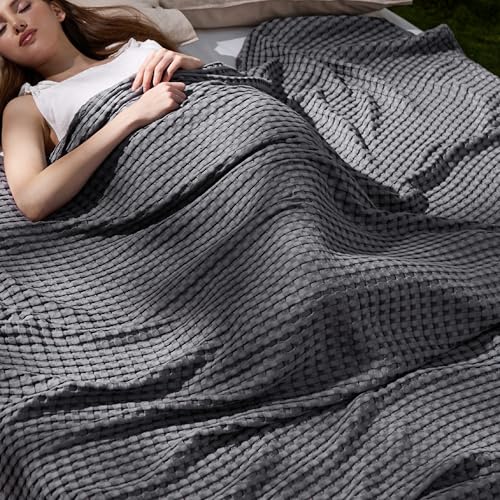


Types of Blankets for Couples Compared
Down and Down Alternative
Down blankets trap air in clusters of feathers or synthetic fibers, creating warmth with very little weight. Real down feels cloudlike and compresses small, but it costs more, needs careful drying, and bothers some allergy sufferers. Down alternative fills mimic that loft at a friendlier price and wash more easily, though they feel slightly less airy and can clump after many washes. For couples, the shared strength is even warmth across the whole bed without heavy pressure on your legs. Typical prices run about $60 to $200 for down alternative and about $150 to $400 for quality real down in queen and king sizes.
Cooling Fabrics
Cooling blankets use breathable weaves and moisture moving fibers such as bamboo derived viscose, cotton percale, or linen to shed heat instead of trapping it. They suit couples where one partner runs hot, because the hot sleeper can stay under the same blanket without kicking it off by midnight. The tradeoff is obvious: in a cold bedroom in January, a cooling blanket alone will not be enough, and many couples layer it under a warmer quilt in winter. Prices usually fall around $40 to $150. If one of you truly overheats nightly, this type solves more arguments than any other.
Hybrid
Hybrid blankets combine two ideas in one layer, most often a breathable cotton or viscose shell with a light insulating fill, or a dual sided design with a cool face and a warmer plush face. The dual sided versions are genuinely useful for couples, because each partner can flip their half toward the feel they prefer. Hybrids cost more than single material blankets, usually around $80 to $220, and they weigh more in the wash. Choose this type when your temperature preferences differ but you still want one shared blanket rather than two separate ones.
Down and Down Alternative vs Cooling Fabrics: Which Should You Choose?
Warmth is the first divider: down and its alternatives insulate, while cooling fabrics ventilate. Weight is the second, since down feels light for its warmth and cooling weaves feel crisp and flat. Temperature balance favors cooling fabrics when one partner runs hot, because the hot sleeper vents heat instead of stealing or shedding the whole blanket. Care favors down alternative and most cooling fabrics, which tolerate home washing, while real down asks for large machines and patient drying. On price, down alternative and cooling styles overlap in the middle range. Pick insulation when your bedroom is cold and you both run cool; pick cooling fabrics when mismatched body heat is your main nightly problem.
How to Choose the Right Blanket
Features That Matter for Couples
Size is the feature couples underrate most. For a queen bed shared by two adults, look beyond standard queen sizing toward generous dimensions, roughly 96 by 96 inches or larger, so each person keeps coverage when turning. A king size blanket on a queen bed is a legitimate strategy against the nightly tug of war. Quiet fabric matters too, since crisp shells rustle when your partner moves. Balanced warmth matters most of all: a medium warmth blanket plus the option to fold your half down gives both sleepers control. Some couples do best with two smaller blankets in a Scandinavian style arrangement, and there is no rule against it.
Durability and Care
A shared blanket works twice as hard as a solo one, so favor fabrics that tolerate weekly or biweekly washing without losing loft or softness. Check the return window before buying, because many bedding brands offer a trial period of a month or more, and sleeping under a blanket is the only real test. Warranties on stitching, often one to five years, signal how the maker expects seams to hold up. If you want fabric standards and construction details to judge quality, our guide to the best quality blankets explains what separates durable weaves from flimsy ones.
Material and Fill
Cotton percale feels crisp and breathes well, while cotton sateen feels smoother and slightly warmer against the skin. Linen is the most breathable natural option and softens with every wash, though it wrinkles and costs more. Bamboo derived viscose feels silky and manages moisture, a favorite for warm sleepers. Down gives the best warmth for the least weight, while down alternative wins on price and easy care. Couples who want active warmth on very cold nights sometimes add a best heated blanket with dual controls, which lets each side run at a different temperature, a rare feature that ends the thermostat debate completely.
Fill Distribution and Edges
Blankets do not support your spine, but fill distribution affects comfort more than people expect. Evenly distributed fill avoids lumps that press on a shoulder or hip when you sleep on your side, and it prevents cold gaps where fill has migrated to the corners. Construction details like boxed stitching keep fill in its zone across a wide shared blanket. Finished edges that hold their shape stop the blanket from twisting into a rope between two moving sleepers. If a blanket feels uneven in the store, it will feel worse after a month of two people pulling it in opposite directions.
Care and Maintenance Tips
Wash a shared blanket every two to four weeks, since it collects sweat and skin oils from two people. Dry it fully before putting it back on the bed, because damp fill mildews quickly and loses loft. Rotating between two blankets evens out wear and solves the laundry day problem of an uncovered bed. Air the blanket over a railing or chair on dry mornings when you can, which freshens it between washes. For movie nights on the sofa, a separate set of best throws and blankets keeps your bed blanket cleaner and saves it from popcorn butter and pet hair.
Frequently Asked Questions About the Best Blankets For Couples
What features matter most in blankets for couples?
Generous size, balanced warmth, and quiet fabric matter most. Oversizing by one bed size is the single cheapest fix for cover stealing. One detail couples forget is weight balance: a blanket that feels perfect on one partner may feel smothering on a smaller person, so choose medium weight designs and adjust with layers on the colder side of the bed.
Is a higher thread count always better?
No, thread count applies to woven cotton shells and it is only part of the story. Very high counts can come from thin yarns woven tightly, which traps heat and feels less breathable for two warm bodies. A moderate count in quality long staple cotton usually breathes better and lasts longer. Judge the fabric by feel, weave, and yarn quality rather than chasing the biggest number printed on the package.
How do I wash blankets safely?
Follow the care label first, and use a large capacity machine so the blanket can move freely and rinse clean. Wash in cool or warm water with a mild detergent, skip fabric softener on moisture wicking fabrics, and add an extra rinse if detergent residue makes the fabric feel stiff. Dry on low to medium heat and check that thick fills are completely dry in the center before folding, since trapped moisture is the main cause of musty smells.
How often should I replace my blanket?
Most shared blankets last three to five years before loft flattens, fill shifts, or fabric thins at the fold lines. Down alternative usually wears out sooner than real down, which can last a decade with good care. Replace sooner if washing no longer removes odors or if one side has gone noticeably flat, because an uneven blanket quietly restarts the nightly fight over the warm half.
Are cooling blankets worth it for hot sleepers?
Yes, when heat is the reason one partner keeps escaping the shared blanket. A breathable weave lets the hot sleeper stay covered, which keeps the cold sleeper from losing their half to a kicked off pile in the middle. The benefit fades in a cold room, so hot sleepers in northern winters often pair a cooling blanket with a warmer layer they can fold back. Room temperature still matters most, so a cooler bedroom multiplies the effect.
Final Thoughts
For two people, the winning formula is generous size, a warmth level you can adjust by folding, and fabric that survives frequent washing. Down alternative suits cold rooms and tight budgets, cooling fabrics suit mismatched temperatures, and hybrids split the difference. Choose the type that matches your biggest nightly complaint, then confirm the details in the product table above. The right best blankets for couples choice is simply the one that lets both of you stop thinking about the blanket at all.


