Best Blankets for Extreme Cold for 2026: Matching the Right Blanket to Your Routine
Disclosure: We may earn a commission when you buy through links on this page, at no extra cost to you. As an Amazon Associate I earn from qualifying purchases. Learn more

Discover the best blankets for extreme cold for your needs. We match features to real use cases so you avoid overpaying and get the right fit the first time.
There is no single blanket that suits every cold night, because a drafty bedroom, a mountain cabin, and a winter camp place very different demands on insulation. The best blankets for extreme cold are the ones matched to where you sleep, how cold it actually gets, and whether you need warmth that travels or warmth that stays on one bed.
This guide sorts buyers by routine first, then covers the materials, weights, and certifications that matter when temperatures drop far below freezing. Use the comparison table below to narrow your shortlist, then check the details here before you spend.

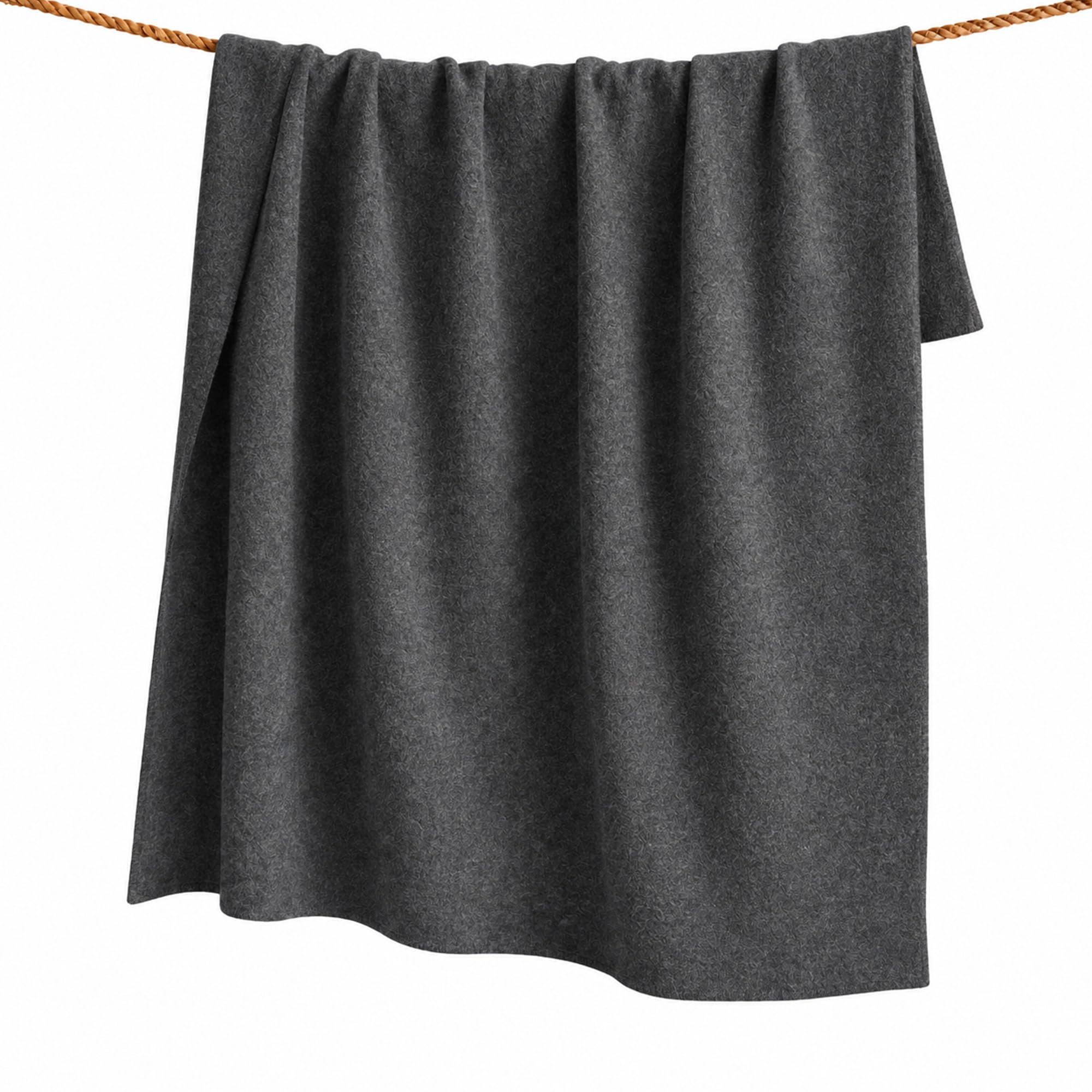


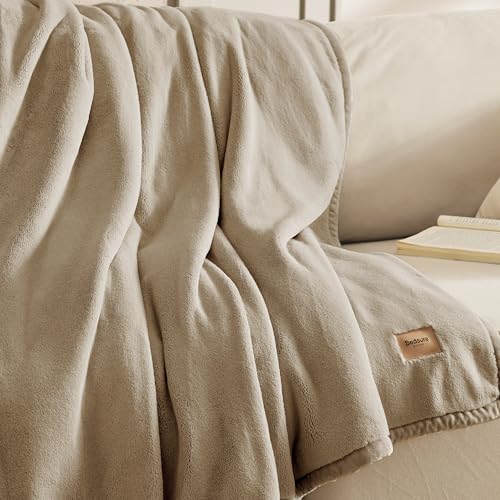
Who Should Buy Which Blankets?
Start with your situation rather than a product name. A blanket that feels perfect in a heated home can fall short in an unheated tent, and a heavy camp blanket can feel like far too much on a normal bed. The three groups below cover most buyers.
For Value Seekers
Value in extreme cold usually means warmth per dollar plus a blanket that survives years of washing. Look for dense fleece, wool blends, or down alternative fills with stitched quilting that keeps insulation evenly spread. A midweight option you can layer over a lighter blanket often beats one very expensive blanket, because layering lets you adjust as the weather shifts. Check the cost of care too, since a blanket that needs pricey dry cleaning costs more over its life.
For First Time Buyers
If this is your first serious cold weather purchase, keep it simple. Choose a machine washable blanket in a standard size, with a clearly stated fill weight and fabric content on the label. Avoid vague warmth claims with no numbers behind them. A reversible design with a smooth side and a plush side gives you two comfort options in one purchase, and it helps you learn what your body prefers before you invest in anything more specialized.
For Gift Shoppers
A blanket is an easy gift because sizing is forgiving and there is no setup to get wrong. Choose neutral colors, a generous throw or twin size, and a fabric that feels soft straight out of the package, such as brushed fleece or a wool blend with a smooth finish. Confirm the return window before you buy, and include care instructions with the gift. If the person sleeps in a very cold home, you can compare options in our guide to the best blankets for cold sleepers for extra warmth ideas.
Picking the Right Blankets for Different Uses
Home use rewards size and softness, because the blanket lives on a bed and gets washed often. Travel and outdoor use reward packed size, moisture resistance, and warmth that still works if the air turns damp. Decide which world your blanket belongs to before you compare prices, since the right features differ more than most listings admit.
Best Blankets for Extreme Cold Weather for Camping
When you shop for the best blankets for extreme cold weather for camping, prioritize three things: insulation that keeps working when damp, a shell fabric that blocks wind, and a packed size your bag or car can actually carry. Down is light and warm but loses loft when wet, so synthetic fill or treated down is the safer camp choice. Warmth is only part of the kit, since feet lose heat fast on frozen ground, and our guide to the best boots for extreme cold covers the other half of staying warm outdoors.
Key Features to Compare
Warmth ratings for blankets are far less standardized than sleeping bag ratings, so you have to read the label with care. Fill type, fill weight, fabric, and construction together decide how a blanket performs on the coldest nights of the year.
Durability and Care
Extreme cold blankets work hard, and seams, binding, and fill distribution decide how long they last. Quilted stitching or boxed construction stops fill from pooling in one corner. Check whether the blanket fits a home washing machine, since oversized bedding that needs a commercial machine adds cost and hassle. A warranty of at least one year and a clear return window protect you if stitching fails early. Store the blanket loosely in a breathable bag so the fill keeps its loft between seasons.
Material and Fill
Wool is the classic extreme cold fiber because it insulates even when damp and regulates temperature across a wide range. Down offers the most warmth for its weight and packs small, but it costs more and needs care around moisture. Down alternative fills, usually polyester, cost less, wash easily, and suit allergy sensitive sleepers. Heavy cotton blankets add breathable weight for people who dislike synthetic textures. If you mostly need indoor warmth for cold rooms rather than severe outdoor cold, the options in our guide to the best cold blankets cover lighter needs well.
Features That Matter for Extreme Cold
Extreme cold demands numbers, not adjectives. Look for a stated fill weight, since higher fill weight generally means more trapped air and more warmth. A blanket around 50 by 60 inches works as a personal throw, but a bed in a cold room needs full coverage with overhang on both sides so drafts cannot sneak in. Wind resistant outer fabric matters outdoors and in drafty houses. Dual layer designs, with a smooth shell and a plush inner face, give strong results because still air between layers is what actually insulates you.
Common Mistakes to Avoid When Buying Blankets
- Judging warmth by thickness alone, when a lofty but airy blanket can insulate less than a denser, thinner one.
- Ignoring certifications and fiber content, then discovering the blanket is mostly a fill you did not want.
- Buying too small, so shoulders and feet sit outside the warm zone all night.
- Skipping the care label and choosing a blanket your washing machine cannot handle.
- Forgetting layering, when two medium blankets you already own might cover mild nights and save money.
Setup and Care Tips
Shake a new blanket out and let it rest for a day so compressed fill can expand to full loft before the first cold night. Use it over a flat sheet to reduce how often the blanket itself needs washing, and wash it on a gentle cycle with mild detergent when it does. Dry on low heat or line dry wool, and never store any insulated blanket tightly compressed for months, because crushed fill loses warmth. If your main need is ordinary winter rather than severe cold, our guide to the best blankets for cold weather explains lighter setups.
Frequently Asked Questions
What features matter most in blankets for extreme cold?
Fill weight, insulation type, and coverage matter most. A high fill weight of down, wool, or quality synthetic fill traps more warm air, and full bed coverage with side overhang stops drafts at the edges. A wind resistant shell adds real protection in tents and drafty rooms. Certifications and honest fiber labels help you confirm that the warmth claims rest on actual materials.
How often should I replace my blanket?
Replace a blanket when its fill stays flat after washing and airing, when seams split, or when it no longer keeps you warm without extra layers. A well made wool or down blanket can last a decade, while budget fleece often thins within a few years. A practical test is simple: if you now need two blankets where one used to do, the insulation has worn out.
How do I wash blankets safely?
Check the label first, because wool, down, and synthetic fills each have different limits. Use a gentle cycle, cool or warm water, and mild detergent, and make sure the blanket can move freely in the drum. Dry thoroughly before storage, since damp fill can mildew and lose loft. Very large blankets may need a commercial machine at a laundromat, which is worth planning for before you buy.
Our Verdict
Match the blanket to your coldest realistic night, read fill weight and fiber content before price, and favor honest certifications and easy care. Campers need damp proof insulation and wind resistance, while cold homes need full coverage and washable durability. The best blankets for extreme cold for you are the ones that fit your routine without forcing compromises, so compare the product table above and choose the type that matches your nights.