Best Blankets for Daycare 2026 Nap and Safety Guide
Disclosure: We may earn a commission when you buy through links on this page, at no extra cost to you. As an Amazon Associate I earn from qualifying purchases. Learn more

A plain guide to daycare blankets: safe sizes, washable fabrics, labelling, nap mat fit, and daycare rules, so you can pick a blanket your child loves.
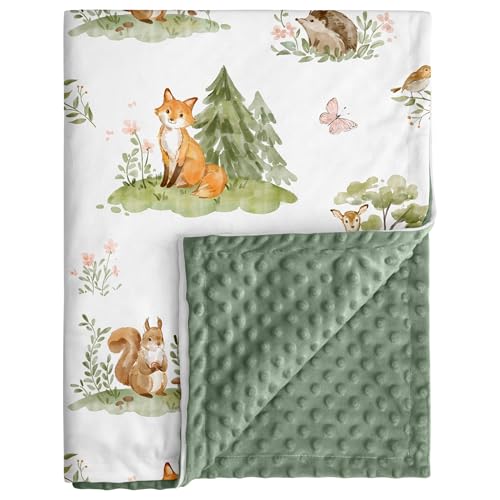
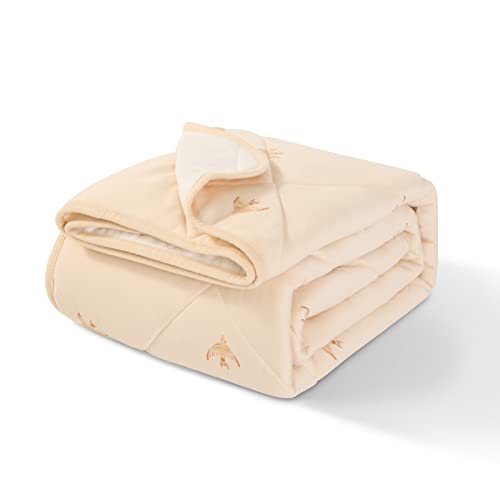
Daycare blankets need to survive daily naps, weekly washing, and a room full of small children, and best blankets for daycare are the ones that balance comfort with the practical rules of a childcare setting. Size, washability, and labeling matter more than patterns, since a blanket that is too big, too heavy, or hard to wash will cause problems for teachers and children alike. The comparison table below shows the main blanket types side by side, so you can compare sizes, fabrics, and care before you buy.
This guide explains what daycare centers usually require, which fabrics wash well, and how to label a blanket so it comes home again. It also covers safe sleep guidance for young children, nap mat fit, and how to choose a blanket your child will actually settle with. By the end you should know exactly what to send on the first day.



What Daycare Centres Usually Require
Many centers ask for a small, lightweight blanket that fits a standard nap mat or cot, plus a fitted sheet if they use cots. Some centers provide bedding and ask parents to send only a comfort item, while others ask for a full nap set in a labeled bag. Always check your center written list before buying, since requirements differ and a blanket that breaks the rules will be sent home unused.
Common rules include no large adult blankets, no heavy quilts, and no blankets with long cords, ribbons, or small parts that could detach. Some centers ban certain fabrics or ask for flame resistant labels. When in doubt, ask the teacher directly: a quick question saves a wasted purchase and a disappointed child.
Size, Weight, and Nap Mat Fit
A daycare blanket should cover a small child without pooling around the face or trailing onto the floor, which usually means a toddler or crib size rather than a twin size. A blanket that is too large bunches up, gets tangled, and can cover a sleeping child face, while a blanket that is too small leaves legs cold and gets kicked off. Measure your center nap mat if you can, and choose a blanket slightly larger than the mat, not double its size.
Weight matters too: a light blanket suits warm rooms and summer naps, while a slightly heavier fleece suits winter, but heavy weighted blankets are not suitable for young children unless a clinician advises them. If your child moves a lot in sleep, a blanket with a slightly grippy texture stays in place better than a silky one that slides off at the first wriggle.
Fabrics That Survive Weekly Washing
Cotton and cotton blends wash well, breathe in warm rooms, and soften over time, which makes them a safe default for daycare. Fleece is warm, light, and dries fast, which suits winter naps and busy laundry routines, though it can pill and hold static. Muslin is light and breathable for summer, but it offers little warmth, so it suits warm climates or heated rooms best.
Whatever the fabric, check that it survives hot washes if your center or your home routine needs them, since daycare blankets pick up germs and need proper cleaning. Avoid fabrics that need delicate cycles or dry cleaning, since they will not last a term of weekly washes. Buy two of the same blanket when possible, so one can be in the wash while the other is at daycare.
Safe Sleep Guidance for Young Children
Safe sleep guidance from pediatric organizations advises keeping loose blankets out of an infant's sleep space, so daycare blankets are meant for toddlers and older children, not infants. Your center should follow the same guidance, and you can ask your pediatrician what is appropriate for your child. If your child is still in the infant room, ask what comfort items are allowed rather than sending a blanket.
For toddlers, a small lightweight blanket used at nap time is generally accepted, but it should never cover the face, and staff should be able to see the child breathing and check on them easily. If your child has breathing problems, allergies, or a medical condition, talk with your clinician and the center about what bedding is safe. Weighted, heated, and electric blankets are generally not recommended for young children, so follow the manufacturer's instructions and ask your pediatrician.
Labeling, Bags, and Coming Home Again
Label everything with your child full name using iron on labels, sewn labels, or permanent marker on the care tag, since unlabeled blankets end up in lost property fast. A drawstring bag or a labeled tote keeps the blanket, sheet, and comfort item together and makes drop off and pick up easier for teachers. Some parents send a spare bag for dirty items, which helps when a blanket needs washing midweek.
Teach your child to recognize their blanket by its color or pattern, and avoid sending a blanket you cannot replace, since daycare items get lost, stained, and swapped. A favorite blanket from home can help a child settle, but a second identical blanket at home avoids tears when the daycare one is in the wash. Comfort matters, but replaceability matters just as much.
Helping Your Child Settle at Nap Time
A familiar blanket helps many children settle, especially in the first weeks of daycare, because it smells like home and feels predictable. Let your child use the blanket at home for naps first, so it is already familiar on the first daycare day. Avoid introducing a brand new blanket and a new room on the same day if you can, since too much newness at once makes settling harder.
If your child refuses the blanket or kicks it off, do not force it: some children sleep better without a cover, especially in warm rooms. Talk with the teacher about what works, since they see your child at nap time every day and can tell you whether the blanket helps or hinders. The goal is rest, not a perfect nap setup, and a calm child without a blanket sleeps better than a distressed child with one.
Related Buying Guides
For the wider blanket picture, see best quality blankets and best throws and blankets. For younger children, compare best infant blankets and best blankets for newborns, keeping in mind that safe sleep guidance for infants does not include loose blankets.
Frequently Asked Questions About the Best Blankets For Daycare
What size blanket does a daycare child need?
A toddler or crib size blanket usually suits daycare, covering a small child without pooling around the face or trailing onto the floor. A blanket slightly larger than the nap mat works well, while a twin size blanket bunches up and can cover a sleeping child face. Measure your center nap mat if you can, and always check the center written list before buying.
Can babies have blankets at daycare?
Usually not. Safe sleep guidance from pediatric organizations advises against loose blankets in an infant's sleep space. Daycare blankets are for toddlers and older children, and your center should follow the same guidance. If your child is in the infant room, ask what comfort items are allowed rather than sending a blanket.
What fabric is best for a daycare blanket?
Cotton and cotton blends wash well, breathe in warm rooms, and soften over time, making them a safe default. Fleece is warm, light, and dries fast, suiting winter naps and busy laundry routines, though it can pill. Whatever you choose, make sure it survives regular washing, since daycare blankets need frequent cleaning and delicate fabrics will not last a term.
How do I stop a daycare blanket getting lost?
Label everything with your child full name using iron on labels, sewn labels, or permanent marker on the care tag. Use a drawstring bag or labeled tote to keep the blanket, sheet, and comfort item together. Teach your child to recognize their blanket by color or pattern, and avoid sending a blanket you cannot replace.
Should I send a weighted or heated blanket to daycare?
Weighted blankets are generally not recommended for young children unless a clinician advises them, and heated or electric blankets should not be sent to daycare. A light blanket suits warm rooms, while a slightly heavier fleece suits winter, but anything that could overheat a child or restrict movement is unsafe. If your child has special needs, talk with your clinician and the center first.
Final Thoughts
The best blankets for daycare are small, washable, well labeled, and familiar to your child, in that order. The product table above gives a quick comparison, but your center rules and safe sleep guidance matter more than any pattern or brand. Check the list, measure the nap mat, buy a washable fabric, and label everything, and your child will have a blanket that helps them rest and comes home again. A calm nap makes the whole daycare day easier, for your child and for you.