Best Blankets for Cancer Patients Made Simple: A Clear Buying Guide for 2026
Disclosure: We may earn a commission when you buy through links on this page, at no extra cost to you. As an Amazon Associate I earn from qualifying purchases. Learn more

Shopping for the best blankets for cancer patients for the first time? Learn the terms, compare options, and avoid rookie mistakes with this easy guide.
Buying a blanket for someone in treatment, or for yourself during treatment, can feel oddly hard. Stores use fabric terms you may never have needed before, and comfort needs can change from one week to the next. This guide walks you through the best blankets for cancer patients in plain language, starting with the basics and ending with a simple shortlist of what to check before you buy.
You will learn which materials feel gentle on sensitive skin, how much warmth is enough without causing overheating, and which safety certifications actually mean something. The comparison table below gathers the key facts in one place so you can scan options quickly once you know what matters.


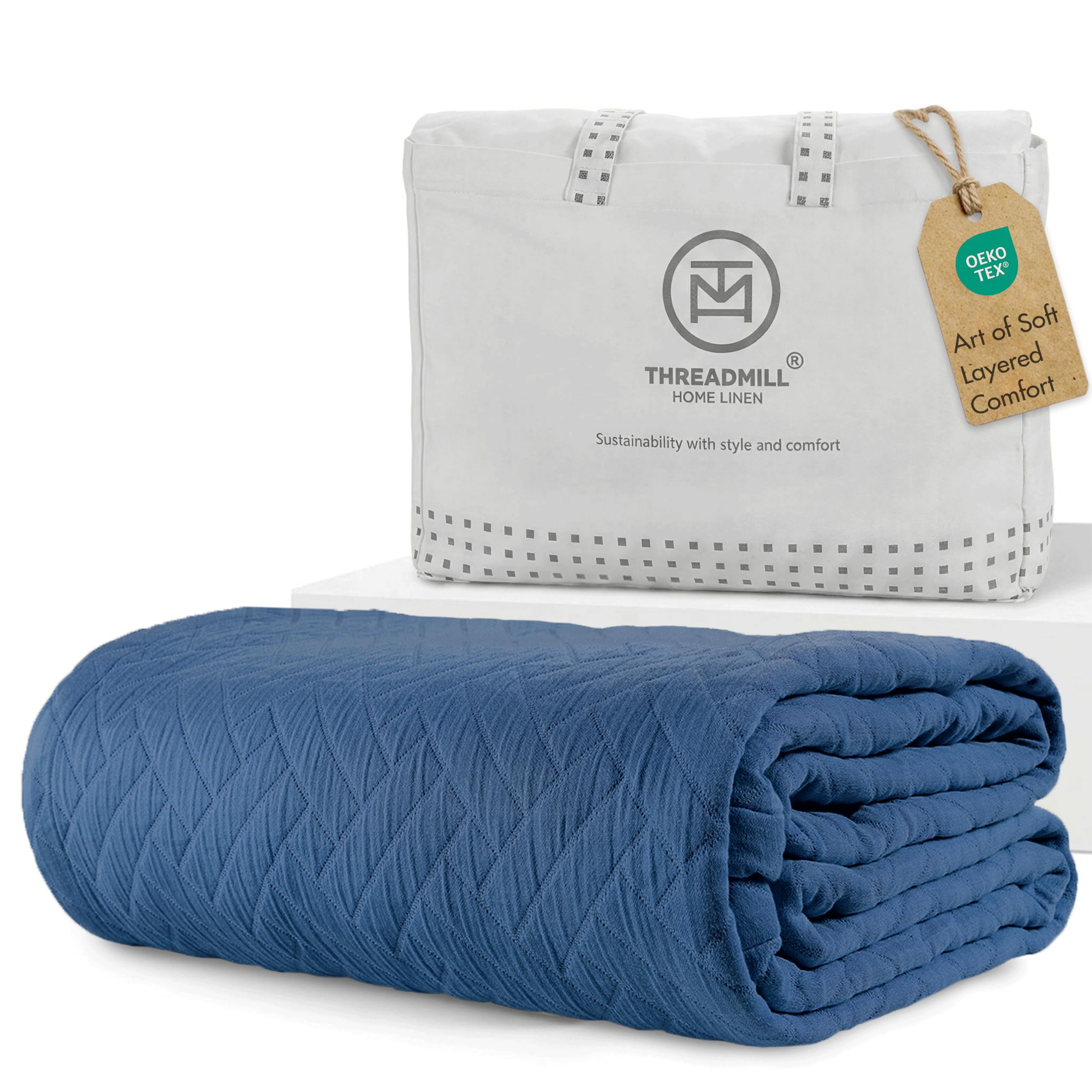


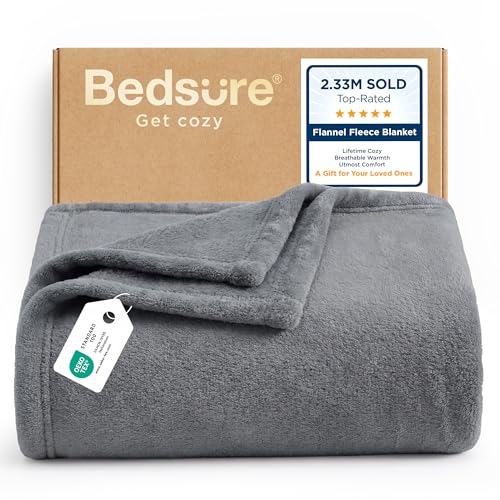
Blankets 101: The Basics
A blanket is a single layer of fabric or filled fabric that adds warmth and comfort over your body, usually on top of a sheet and under or over a duvet. Unlike a comforter, which is thick and mostly decorative, a blanket is meant to be adjusted often. You can fold it back, add it for a nap, or remove it in seconds when your temperature shifts.
A few terms come up again and again. Weave describes how threads are woven together, and a tighter weave usually feels smoother and lasts longer. Loft describes how fluffy or thick a filled blanket feels. Weight matters more than many people expect, because a heavy blanket can press on sore areas while a very light one may slide off during the night.
For someone going through treatment, the basics carry extra weight. Skin can become dry, thin, and easily irritated. Body temperature can swing between chills and sudden warmth. A good blanket for this stage of life is soft, easy to lift, simple to wash, and calm against the skin.
Key Specs of the Best Blankets For Cancer Patients Explained
Features That Matter for Cancer Patients
Gentleness comes first. Look for smooth surfaces with no scratchy seams, raised embroidery, or rough decorative stitching that can rub against fragile skin. A medium light blanket weight, often around two to four pounds for a throw size, gives warmth without pressing hard on tender areas. Easy handling matters too, so favor sizes you can lift, fold, and shake out with limited strength. If nights involve frequent trips out of bed, choose a blanket that will not tangle around your legs. When in doubt, bring your shortlist to an appointment and ask your care team what suits your current treatment stage.
Material and Fill
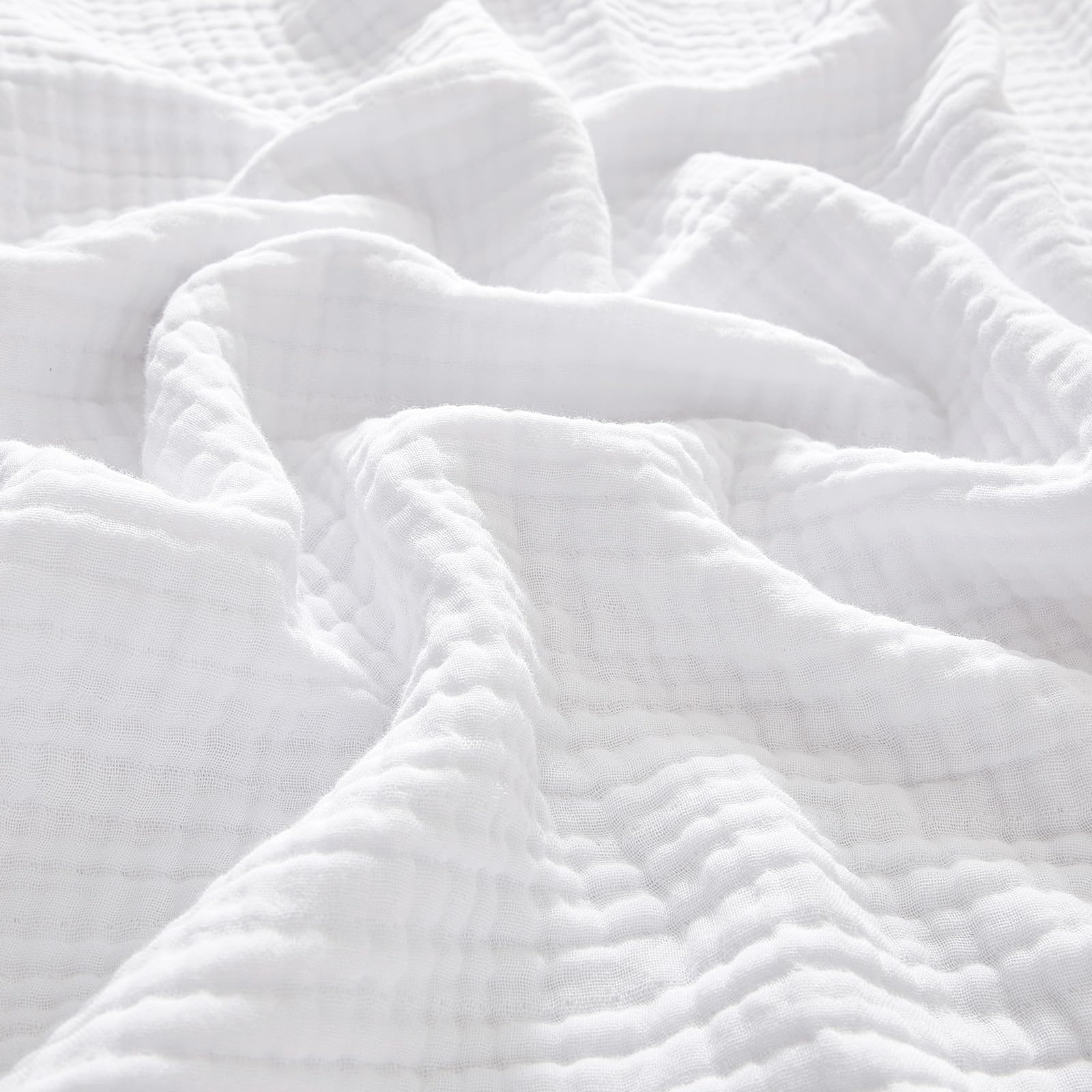
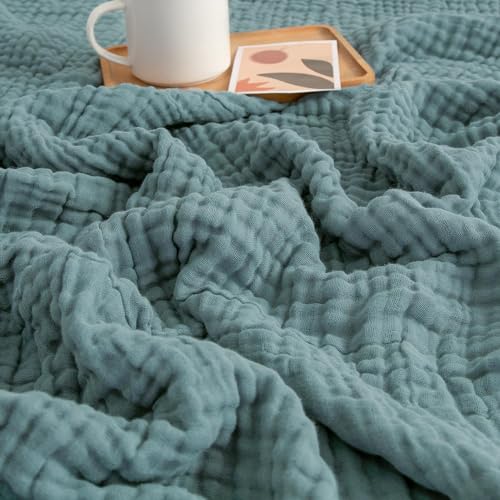
Cotton is the most forgiving starting point because it breathes, washes well, and rarely irritates skin. Percale cotton has a crisp, matte feel and sleeps cooler, while sateen cotton feels smoother and slightly warmer with a soft sheen. Linen breathes very well and softens with washing, though it can feel textured at first. Fabrics made from bamboo release heat and moisture nicely and often feel silky, but quality varies a lot between brands. Down fill traps warmth with very little weight, yet it needs careful washing and may bother people with allergies. Down alternative fills copy that light warmth with synthetic fibers that wash more easily and cost less.
Support, Pressure Relief, and Edge Support
A blanket does not support your body the way a mattress does, but it can add or relieve pressure. Heavy weighted styles press evenly across the body, and some people find that pressure calming. Others, especially anyone with pain, weakness, or breathing concerns, may find that same pressure tiring or unsafe. Lighter layers let you build warmth gradually, adding or removing one blanket at a time. Pay attention to edges as well. A blanket with a smooth bound edge slides over sheets without catching, and it will not fray as fast in the wash. Always check with your doctor before using a weighted blanket during treatment, since circulation and breathing needs differ from person to person.
Certifications (CertiPUR US, OEKO TEX, RDS)
Certifications tell you that an independent group checked some part of how a product was made. OEKO TEX Standard 100 means the fabric was tested for a list of harmful substances, which matters when a blanket sits against sensitive skin for hours. CertiPUR US applies to foam products, so you will see it on foam filled pads and pillows rather than on most blankets. RDS, the Responsible Down Standard, tracks down fill from farms that meet animal welfare rules. None of these labels prove a blanket will feel good to you, but they do lower the chance of chemical surprises against your skin.
Rookie Mistakes to Avoid
- Buying the warmest blanket you can find. Treatment often brings hot flashes and night sweats, so one very warm blanket gives you no middle ground. Layers you can adjust work better.
- Choosing fabric by looks alone. A pretty plaid pattern can hide stiff fibers and scratchy seams. Touch and drape matter more than color.
- Ignoring wash instructions. Blankets used during treatment need frequent washing. If a blanket requires special trips and special soap, it will quietly stop being used.
- Forgetting about weight. A blanket that feels cozy in a store can feel exhausting to lift at home when your strength is low.
- Skipping the return policy. Comfort is personal and needs change fast, so a fair sleep trial or return window protects you.
Getting Started: Setup and First Use
Start by washing the blanket before first use, following the label exactly. A first wash removes loose fibers and factory finishes, and it softens most fabrics. Dry it fully before putting it on the bed, because damp fabric feels cold and can smell stale within a day. Place the blanket over a clean cotton sheet so a soft, washable layer touches your skin.
For the first few nights, keep a lighter spare layer folded nearby so you can adjust without getting up. Wash sheets weekly in warm water, or more often during sweats or skin irritation, and wash the blanket itself whenever it picks up odors or lotion residue. If you also rotate other bedding on a schedule, the same habit keeps everything fresh. Anyone comparing general fabric quality across brands can read our overview of the best quality blankets for weave and stitching details.
One safety note deserves emphasis. Heated and electric styles can feel wonderful for chills, but reduced feeling in hands or feet raises the risk of burns, and falling asleep on a high setting is risky. If you consider one, choose a model with an automatic shutoff, use low settings, and ask your care team first. Our guide to the best heated blanket explains those safety features in more depth.
Blankets: Your Questions Answered
What features matter most in blankets for cancer patients?
Softness against sensitive skin, moderate weight, and easy washing matter most. Smooth cotton or bamboo based fabrics with no rough seams reduce friction during long hours in bed. A size you can lift without strain helps on low energy days. Certifications such as OEKO TEX add peace of mind about what touches your skin. Warmth you can layer beats one heavy blanket, because treatment often swings body temperature up and down.
How do I wash blankets safely?
Follow the care label first, since fills and weaves differ. In general, wash in cool to warm water on a gentle cycle with a mild detergent, and skip fabric softeners that coat fibers and reduce breathability. Dry on low heat or line dry to protect the fabric. Wash more often during treatment than you normally would, and keep a second blanket in rotation so a clean one is always ready.
Are cooling blankets worth it for hot sleepers?
Yes, cooling blankets can help if night sweats or hot flashes disrupt your sleep. Fabrics that move moisture away from skin and allow airflow, such as percale cotton, linen, and bamboo based weaves, feel cooler than dense synthetic fleece. A cooling blanket will not change your body temperature on its own, but it stops heat from building up around you. Pair it with a light sheet and remove layers early, before you overheat.
Wrapping Up
Focus on three things and the choice gets much simpler. Pick a gentle fabric your skin tolerates, keep the weight moderate so you can move and lift the blanket easily, and make sure washing it is realistic for your energy level. The product table above pulls those details together so you can compare at a glance. For chair naps and reading time, our roundup of the best throws and blankets covers smaller sizes that work well in a living room.
The best blankets for cancer patients are the ones that quietly support rest without adding chores or discomfort. Talk with your clinician about personal needs, especially around weighted or heated styles, and let comfort guide the final call.