
Best Blankets for Airplane Travel of 2026: Complete Buying Guide
Disclosure: We may earn a commission when you buy through links on this page, at no extra cost to you. As an Amazon Associate I earn from qualifying purchases. Learn more

Choose the best blankets for airplane travel with this guide to packed size, weight, warmth, fabrics, and care, plus simple checks before you buy and pack.
Cabin air is chilly, the blanket an airline hands out is thin, and a long flight feels much longer when you cannot get warm or comfortable. A travel blanket of your own solves that, but only if it packs small enough to earn its space in your bag.
This guide shows you how to judge packed size, weight, warmth, and fabric before you buy, so the best blankets for airplane travel for your trips are the ones you will actually carry. Start with the comparison table below, then use the checks that follow.


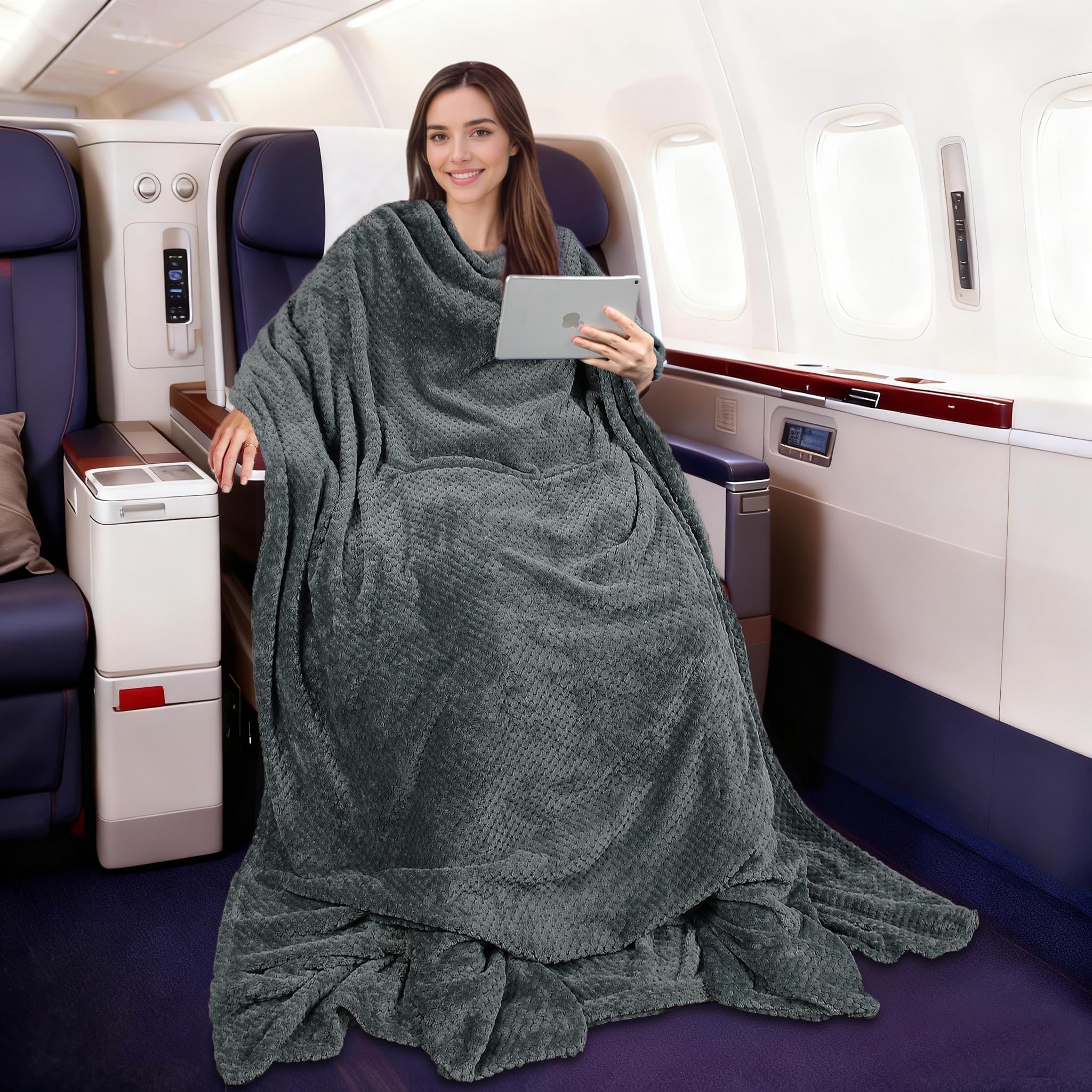

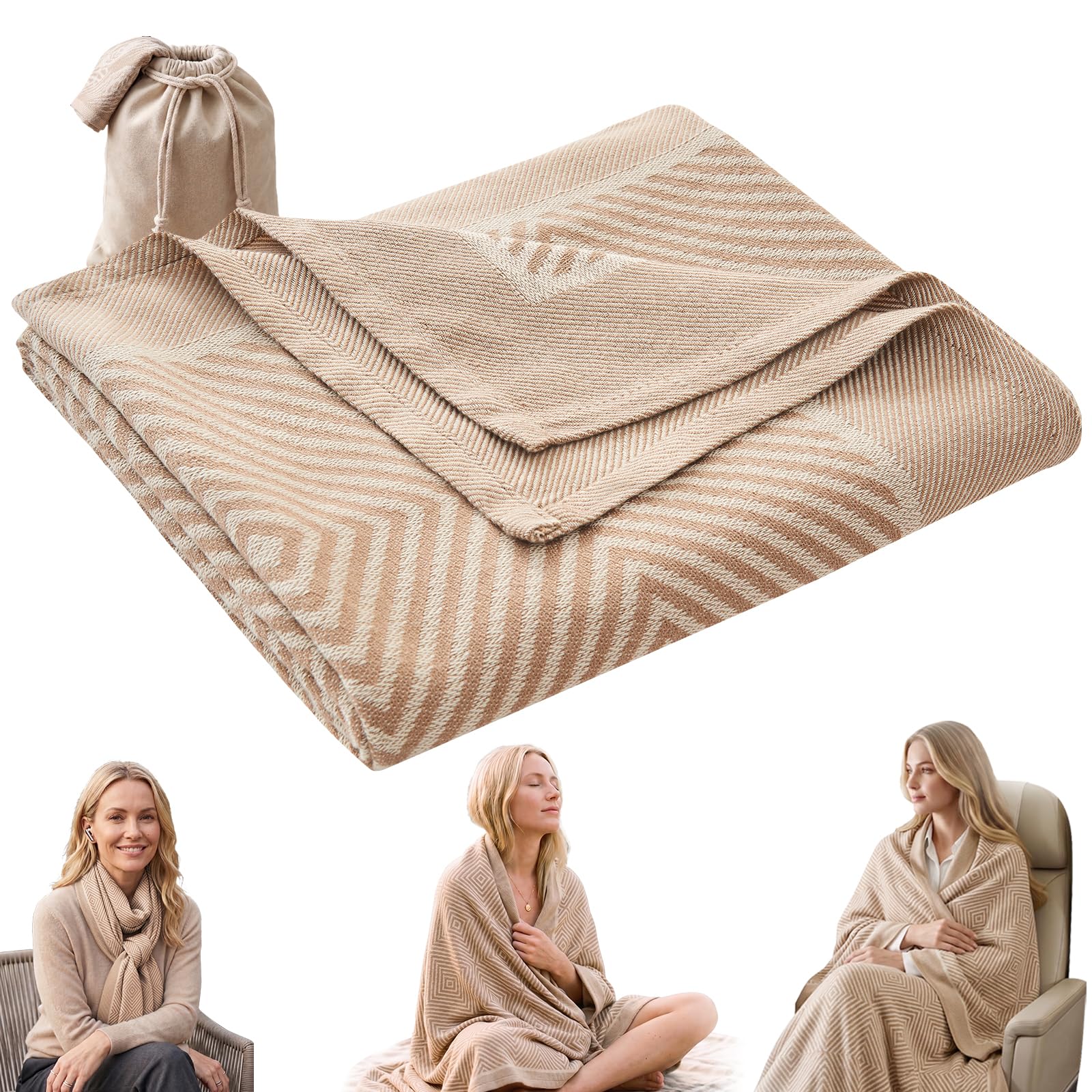

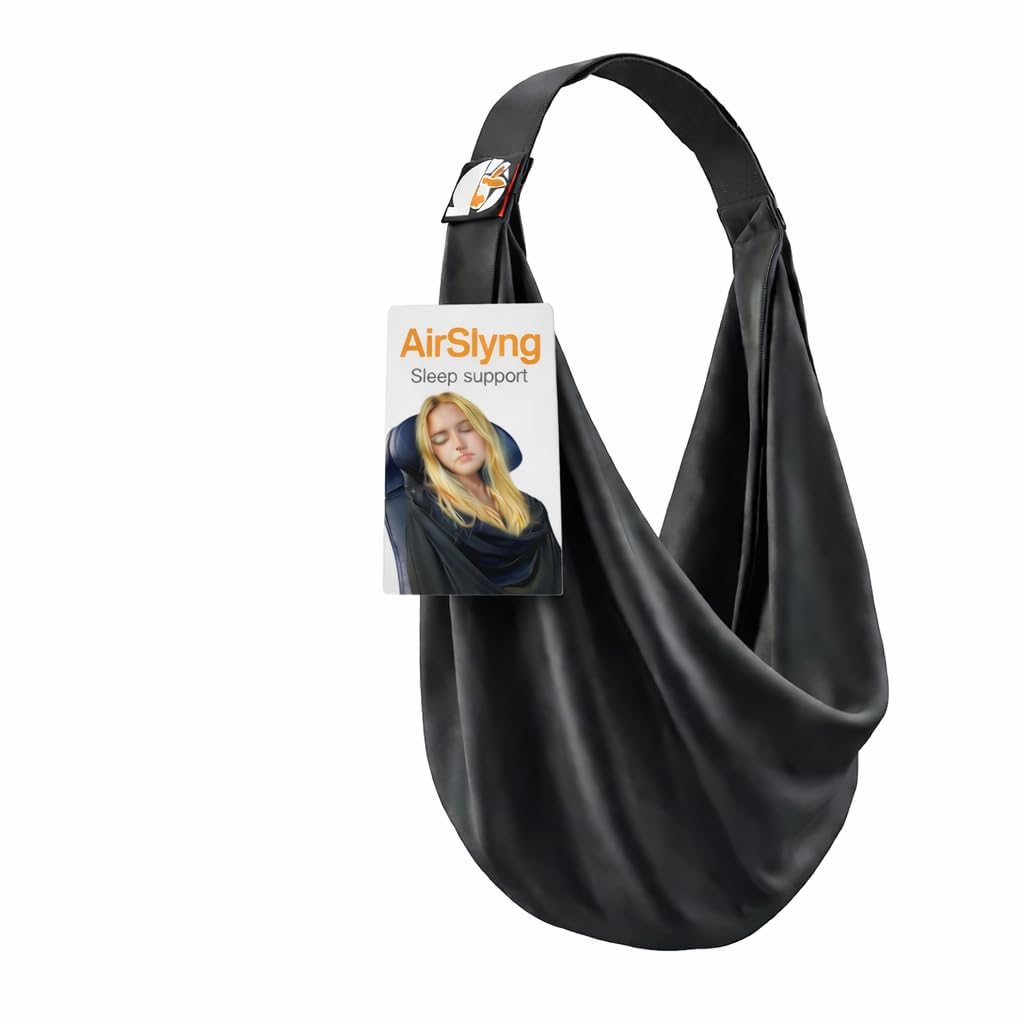
Three Travel Blanket Profiles to Compare
Instead of chasing a single winner, match one of these three profiles to your trip. Each profile describes what that tier should deliver, what it usually costs, and what you give up.
All Round Profile
The all round profile is a midweight synthetic or cotton blend blanket that packs into its own pouch, opens to about 50 by 60 inches or larger, and weighs under about 1.5 lb. Expect to pay around $25 to $45 for solid stitching, a stuff sack or strap, and fabric that survives frequent washing. This profile suits most travelers on flights of three hours or more. Its limit is extreme cold, since a packable blanket cannot match a thick home blanket for warmth.
Value Profile
The value profile is usually a simple fleece blanket, often around $15 to $25, that rolls or folds flat and shrugs off spills and rough handling. Fleece feels warm for its weight, dries fast, and needs no special care, which makes it a smart pick for families and occasional flyers. The trade offs are static, a bulkier pack size than premium compressible fills, and fabric that can pill after many washes. If you fly twice a year, this profile gives you most of the comfort for the least money.
Upgrade Profile
The upgrade profile uses compressible insulated fill or fine wool, packs noticeably smaller for the warmth it gives, and often adds thoughtful touches such as a foot pocket, a strap that slips over a suitcase handle, or snaps that keep it on your shoulders. Prices run about $50 to $90. Choose it if you fly long haul often, run cold, or pack light with one small bag. The limit is care, since finer fabrics may need gentler washing, and the higher price stings if the blanket gets left on a plane.
How to Choose the Best Blankets For Airplane Travel
A travel blanket lives a double life: it must feel like real bedding in the seat and like almost nothing in your bag. The checks below help you balance those two jobs, and they matter more than brand names or color.
Features That Matter for Airplane Travel
Airplane travel demands a blanket that packs small, resists spills, and stays on a seated body. Look for a packed size near a water bottle or smaller, a weight under about 1.5 lb, and an open size that covers your lap and chest while you sit. A pouch that doubles as a small pillow, snaps, or a foot pocket all help the blanket stay put when you shift in your seat. Dark colors hide coffee spots, and a washable fabric is essential after public transport.
Quiet Fabric and Neck Support
Choose soft, matte fabrics that stay quiet when you move, since shiny nylon shells rustle in a dark cabin. A blanket cannot support your neck, so pair it with a pillow from our guide to the best travel pillows for airplanes. If you have circulation problems or a history of blood clots, ask your doctor before long flights and follow their advice on moving and compression.
Measuring for Size and Portability
Measure your carry on or personal item before you shop, then compare the packed dimensions on the label against the space you can spare. Sit in a chair at home and measure from your chest to your feet to find the open length you need, which for most adults is at least 55 inches. Compactness always trades against warmth, so decide your priority by route: short daytime flights need only a light layer, while overnight long haul flights reward a larger, warmer blanket.
Material and Fill
Fleece and microfiber are warm, cheap, and easy to wash, though they can feel static prone in dry cabin air. Cotton feels breathable and familiar, and a percale weave stays cooler while sateen feels smoother, but cotton packs larger and dries slowly. Down fill packs smallest for its warmth and suits very light packers, while down alternative fill costs less and tolerates washing better. Wool blends regulate temperature well and resist odors on multi day trips, at a higher price and with more careful care.
Types of Blankets
Most travel blankets fall into four families. Knowing the family tells you the packed size and care routine before you read any label.
Fleece and Microfiber
These are the budget workhorses: warm, light, and almost impossible to ruin in the wash. They suit families, festival trips, and anyone who wants a blanket they can lose without tears. They pack a little bulky and can build static.
Compressible Insulated Fill
These blankets borrow fill from camping quilts, so they squeeze down small and still trap real warmth. They suit frequent flyers and light packers willing to pay more. Check that the shell fabric is soft and quiet, since some shells feel slick against skin.
Cotton (Percale and Sateen)
Cotton feels most like home bedding and breathes well, which suits travelers who find synthetic fabrics clammy. Percale is crisp and cooler, sateen is smoother and a touch warmer. The cost is bulk and slow drying, so cotton fits checked bag trips better than tight carry on only packing.
Down and Down Alternative
Down packs the smallest and feels luxurious, but it loses warmth when damp and needs careful washing. Down alternative fill is heavier for the same warmth, yet cheaper, easier to wash, and a safer choice for allergy sensitive travelers. Both appear in the upgrade tier of the product table above.
How to Make Your Blanket Last Longer
- Wash the blanket after each trip, since cabin air, spills, and airport floors leave it far from clean.
- Use a gentle cycle and mild detergent, and dry fully before packing it away to stop mildew.
- Store it loosely in its pouch rather than compressed hard for months, so the fill keeps its loft.
- Keep it inside your personal item in flight, not in the overhead bin, so it stays clean and within reach.
- Check seams and snaps after each trip and repair small tears before they grow.
For wider trip packing context, our guide to the best airplane blankets focuses only on the cabin, while the best travel blankets guide covers trains, cars, and camping as well.
Frequently Asked Questions
What features matter most in blankets for airplane travel?
Packed size, weight, and open coverage matter most, in that order. A blanket you leave at home because it eats half your bag has no value, however warm it is. Next comes washability, because the blanket will meet cabin floors and tray tables. Small extras like a carry strap or a pouch that works as a pillow are worth having, but only after the big three are right for your bag and your body.
Does a travel blanket count as a carry on item?
A blanket that packs into its own pouch usually fits inside your personal item or carry on bag, but airline rules differ, so check yours. Keep it in the bag until you need it rather than in the overhead bin.
How do I wash blankets safely?
Follow the care label, use a gentle cycle with mild detergent, and avoid fabric softener on synthetic fills because it can coat the fibers and reduce loft. Wash the blanket alone so zips and straps from other items cannot snag it. Dry on low heat and confirm it is fully dry before storing. Down fills need a longer, careful dry with pauses to break up clumps, or a professional wash if your machine is small.
How often should I replace my blanket?
Replace a travel blanket when the fill stays flat after washing and drying, the shell tears, or stains and odors survive a proper wash. For most travelers that is after several years of trips rather than a fixed date. A blanket used weekly by a commuter wears out faster than one used twice a year. Because it touches public spaces, retiring a tired travel blanket is also a simple hygiene choice. Our guide to the best travel blankets for plane trips can help you compare fresh options.
Our Verdict
Buy by packed size first, then open coverage, then fabric you can wash without fuss. That order keeps you from owning a lovely blanket that never makes the trip. Check your shortlist against the product table above, and pick the best blankets for airplane travel that fit your bag, your coldest route, and your laundry routine, so the blanket flies with you every time.


