
Best Bargain Watches 2026: Quartz, Straps, and Value
Disclosure: We may earn a commission when you buy through links on this page, at no extra cost to you. As an Amazon Associate I earn from qualifying purchases. Learn more

Pick the best bargain watches by movement, case size, water resistance, and strap comfort, and wear one every day without worry.
The best bargain watches prove that a low price does not have to mean a flimsy watch. A reliable quartz movement, a readable dial, and a comfortable strap cost very little today, and brands such as Casio have built their reputation on exactly that. This guide shows what to check at each price level so you can wear your watch every day and not worry about it.
Most of the money in a premium watch goes into finishing, brand, and materials. On a budget you can skip those and still keep what matters: accurate timekeeping, water resistance that suits your life, and a strap that does not irritate your wrist.



Quartz Is the Bargain Standard
Almost every bargain watch uses a quartz movement, which keeps time to within a few seconds a month and needs a battery change only every two to ten years. Quartz is accurate, light, and cheap to repair, so it suits a watch you plan to wear hard. Mechanical and automatic watches are a hobby purchase, and true bargain examples are rarer and less accurate.
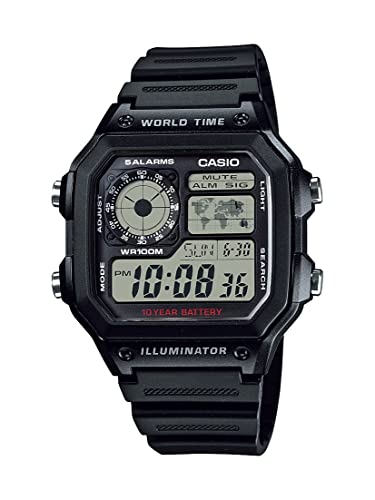
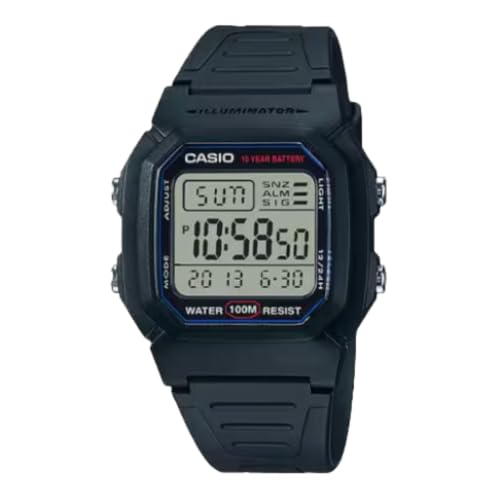
Digital watches deserve a mention too. A simple digital model offers alarms, a stopwatch, a backlight, and a ten year battery for a very small price, and it stays readable at a glance. Analog quartz watches suit office wear, while digital models suit workouts, travel, and rough use.
Case, Crystal, and Build
Look at the case material and the crystal before the logo. Stainless steel cases resist scratches and corrosion, while resin cases are light and shrug off knocks, which is why many sport watches use them. The crystal covers the dial: mineral glass is hard enough for daily wear and cheap, while acrylic scratches faster but can be polished.
Case size matters more than most buyers expect. A 36 to 40 mm case suits smaller wrists, 40 to 44 mm suits most adults, and larger cases wear heavy on a slim wrist. Check the thickness too, because a thick watch catches on shirt cuffs.
Water Resistance in Plain Terms
Water resistance ratings describe lab pressure, not real swimming depth. A 30 meter rating survives splashes and rain, 50 meters handles hand washing and light swimming, and 100 meters suits regular swimming and snorkeling. Do not press buttons underwater unless the maker says it is safe, and rinse the watch after salt water.
Hot showers and saunas are harder on seals than cool water, so keep the watch off in the bathroom even if the rating looks generous. Seals age, and an older watch may need a pressure check before it goes near a pool.
Straps and Comfort
A strap decides how a watch feels all day. Stainless bracelets last longest and suit dressier looks, resin straps are light and waterproof, nylon straps dry fast, and leather feels classic but wears faster in sweat. Standard lug widths such as 18, 20, or 22 mm let you swap straps cheaply, and that single feature can make a bargain watch look far more expensive.
Fit the bracelet so you can slide one finger under it. A strap that is too tight leaves marks and traps sweat, while a loose one lets the watch slide and knock against bones.
Readability and Features Worth Having
A watch you cannot read quickly is a poor watch. Look for high contrast between hands and dial, a clear date window, and luminous paint or an LED backlight for dark rooms. Extras like world time, alarms, and a chronograph add value when you will use them, but many fake chronograph sub dials are purely decorative on cheap models.
Solar powered watches avoid battery changes, and radio controlled models set themselves from a signal. Both cost a little more and suit buyers who want almost no maintenance.
Dress, Sport, and Field Styles
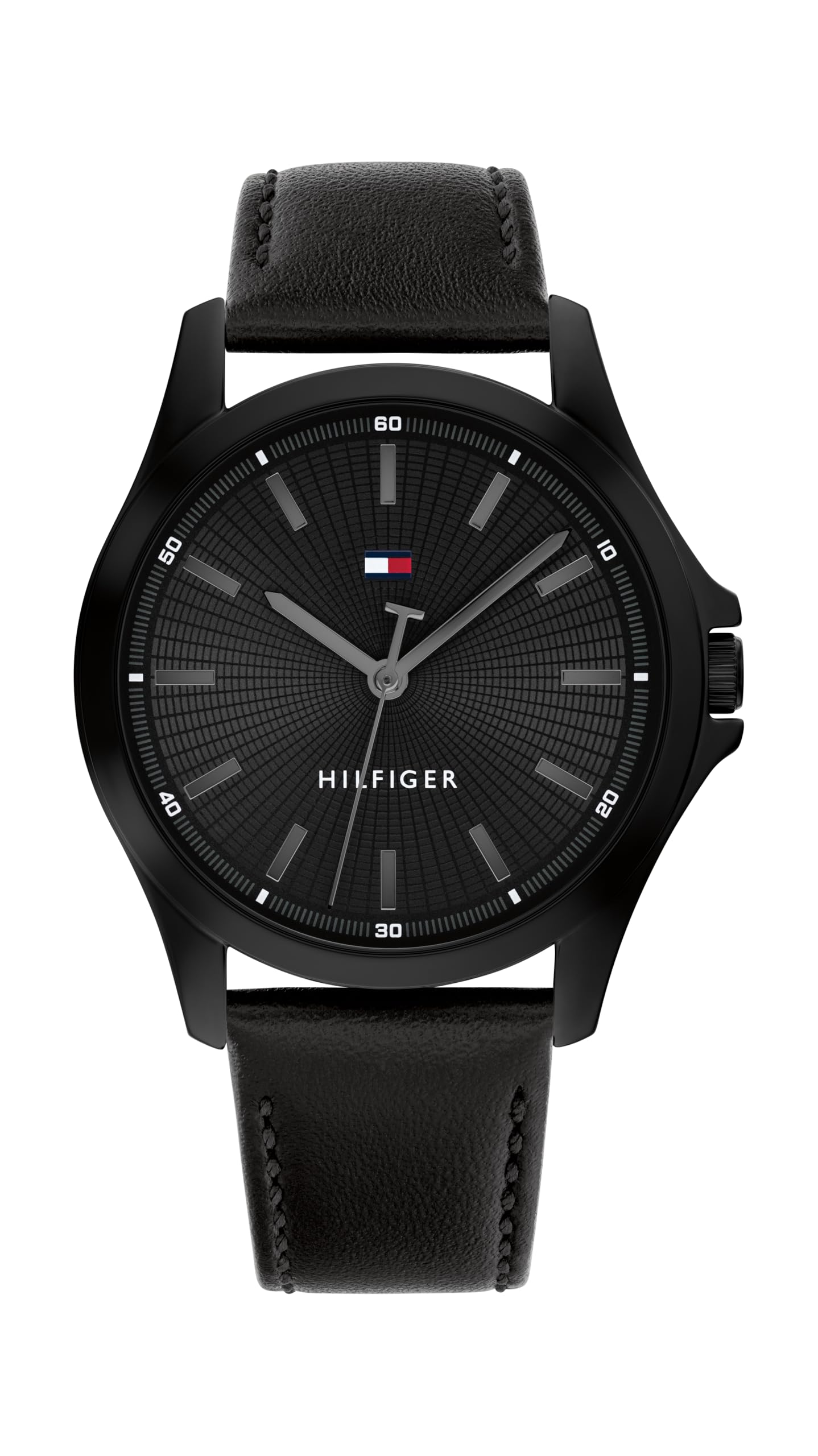
Choose the style by where you will wear the watch most. A slim analog watch with a leather or steel strap suits the office and dinners out. A digital sport watch with a resin strap suits the gym, hiking, and yard work, and it shrugs off knocks.
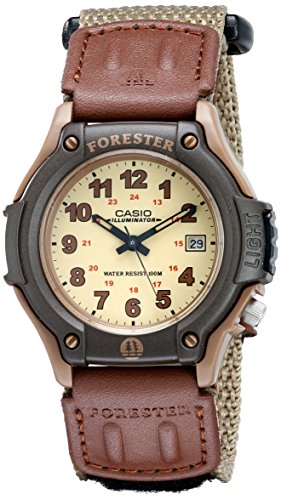
A field watch with a simple dial, luminous hands, and a nylon strap sits between the two and works almost anywhere. Owning one of each is inexpensive, and rotating them extends the life of every strap and battery.
What Your Money Gets You
- Under $30: reliable digital and simple analog quartz watches from established makers.
- About $30 to $60: stainless steel cases, better dial finishing, and chronograph styles.
- About $60 to $120: sapphire or hardened crystals on some models, solar charging, and stronger brand support.
Past that range you are paying more for design and brand than for timekeeping, so treat extra spending as a style choice.
Caring for a Budget Watch
A little care keeps a cheap watch looking sharp. Wipe the case and bracelet with a soft damp cloth after sweaty days, dry the strap fully, and keep the watch away from strong magnets such as speakers and fridge doors. Change the battery at the first sign of slow second hand movement, because a dead cell can leak and damage the movement. Store the watch flat in a dry drawer when you are not wearing it.
Common Mistakes to Avoid
- Choosing a big case for looks and finding it heavy and awkward on your wrist.
- Assuming any waterproof label means the watch is safe for swimming.
- Ignoring strap width, which makes later strap swaps harder.
- Paying for a brand name when a plain watch from a trusted maker keeps time just as well.
Related Guides
For a step up in finishing, see our guide to best quality watches. If you want a watch for training, read best workout watches. Style focused readers can also compare best watches for guys, best manly watches, and best male watches.
Frequently Asked Questions
Are bargain watches worth buying?
Yes. A bargain quartz watch from an established maker keeps better time than most mechanical watches and costs very little to own. Focus on build, readability, and strap comfort instead of the brand name.
How accurate are bargain quartz watches?
Most stay within a few seconds a month. A fresh battery restores accuracy if the watch begins to drift, and that repair is cheap.
What strap lasts longest on a daily watch?
A stainless steel bracelet or a quality resin strap lasts longest. Leather looks good but wears faster with sweat and water, so rotate straps if you choose it.
Can a cheap watch handle water?
Many handle splashes and rain, and watches with a 50 meter rating or better suit light swimming. Check the rating on the dial or caseback, and avoid pressing buttons underwater.
How do I make a bargain watch last?
Wipe it with a soft cloth, store it away from magnets and heat, change the battery promptly, and replace a worn strap before it breaks. These small habits add years to any watch.
Final Thoughts
Choose a trusted quartz movement, check the water resistance and strap fit, and keep extras for features you will actually use. Follow those points and the best bargain watches in the product table will serve you well for years on any budget.


