
Best Blank Notebooks: A Buying Guide by Budget for 2026
Disclosure: We may earn a commission when you buy through links on this page, at no extra cost to you. As an Amazon Associate I earn from qualifying purchases. Learn more
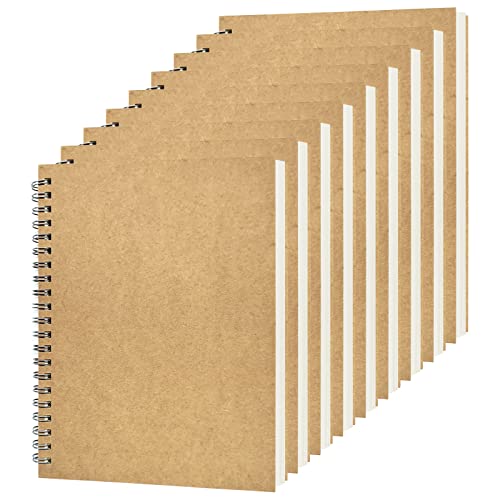
Best blank notebooks for writing or sketching, compared by paper weight, binding, size, cover, and budget.
Prices for paper notebooks range from a few dollars to well over fifty, and the differences are not always obvious from the cover. The best blank notebooks for your needs depend on how you write, what pens you use, and whether the notebook will live on a desk or travel in a bag. This guide explains what your money buys at each level so you can spend where it counts.
A blank notebook gives you an open page with no lines or grids to follow, which suits sketching, mind mapping, journaling, and freeform notes. The sections below explain budget levels, paper, binding, size, and covers in detail, and the product table shows picks to compare.
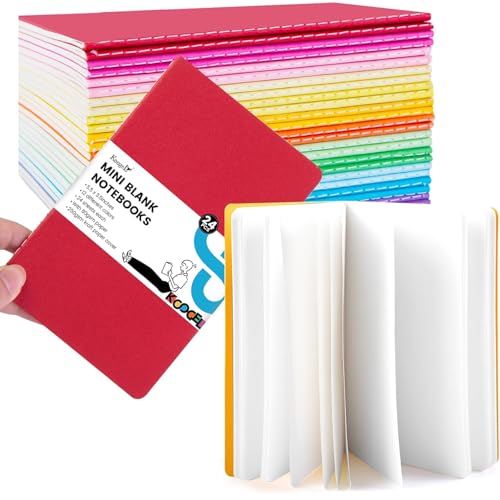
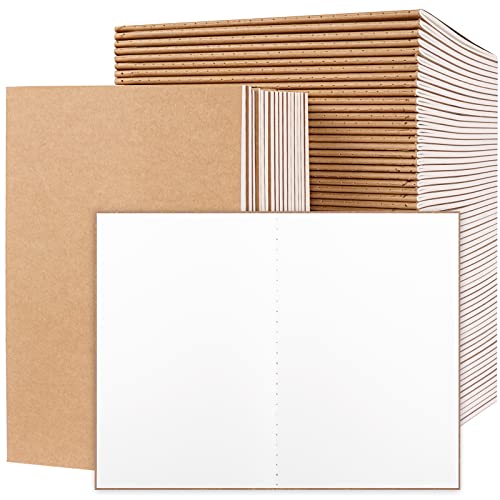
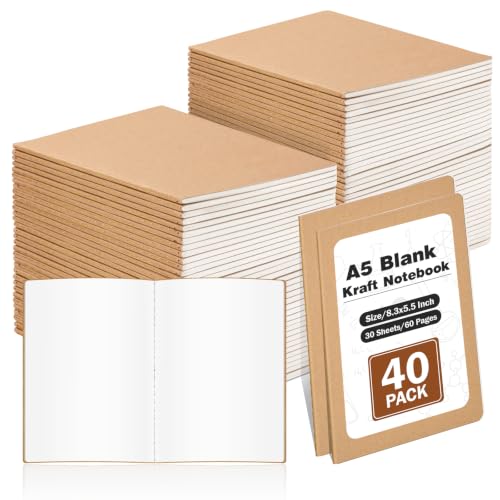


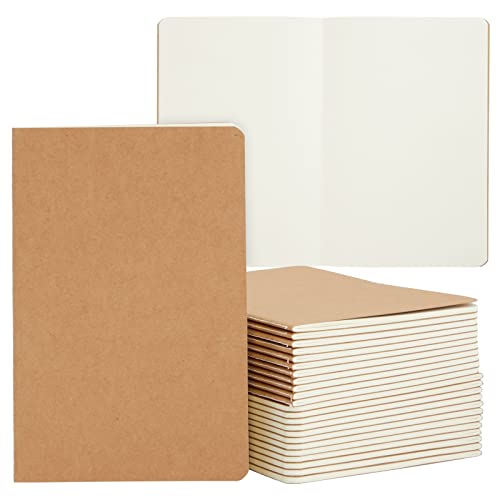


What to Spend on the Best Blank Notebooks at Each Budget Level
Budget notebooks cost about $5 to $15 and suit everyday notes, lists, and rough sketches. They usually offer lighter paper, simple stapled or glued bindings, and soft covers that keep the price low. They are a sensible choice for students, for trying a new habit, or for notebooks you expect to fill quickly.
Midrange notebooks cost about $15 to $30 and suit regular journaling, sketching, and planning. At this level you usually get heavier paper that handles more pen types, a binding that lies flatter, and a sturdier cover. Premium notebooks cost about $30 to $60 and suit writers and artists who want thick paper, sewn bindings, and covers that survive daily travel. Choose the level that matches how long you will keep the notebook and how much you care about paper quality.
Budget Level: Everyday Notes and Rough Work
Budget notebooks work well for shopping lists, meeting notes, and practice sketches where paper quality is not critical. Expect lighter paper, around 70 to 80 gsm, which suits pencils and ballpoint pens but may show through with wet ink. Covers are usually soft and light, which keeps the notebook portable but offers less protection in a crowded bag.
Midrange Level: Regular Writing and Sketching
Midrange notebooks suit people who write or sketch most days and want paper that handles a wider range of pens. Paper at this level is often around 90 to 100 gsm, which reduces show through and feels more substantial under the pen. Bindings tend to open flatter, and covers are sturdier, so the notebook survives months of daily use without falling apart.
Premium Level: Keepsake Writing and Artwork
Premium notebooks suit journals you plan to keep, artwork you may display, and writing you want to enjoy rereading years later. Paper is often 100 gsm or heavier, with a smooth or lightly textured finish that suits fountain pens and wet ink. Sewn bindings open flat and last longer than glued spines, and covers use thicker board, cloth, or leather style materials that protect the pages well.
What Your Money Gets You at Each Price Tier
At the budget tier, you pay mainly for paper and a simple binding, and you accept lighter paper and plainer covers. The trade off is fine for short lived notes, but wet ink may bleed and pages may feel thin. At the midrange tier, the extra money usually goes into heavier paper, better binding, and a cover that protects the book in a bag.
At the premium tier, you pay for consistency: paper that behaves the same on every page, a binding that opens flat without cracking, and a cover that still looks good after a year of use. The trade off is price, and for rough notes that premium quality is unnecessary. Match the tier to the life of the notebook: short lived notes suit budget books, daily journals suit midrange books, and keepsakes suit premium books.
Features Worth Paying For (and Ones to Skip)
Paper Weight and Thickness
Paper weight, measured in gsm, is the single most useful measurement for a blank notebook. Lighter paper around 70 to 80 gsm suits pencils and ballpoints, while paper around 90 to 100 gsm handles gel pens and light fountain pen ink with less show through. Paper above 100 gsm suits wet ink, markers, and light watercolor washes, but it also makes the notebook heavier and thicker for the same page count.
Binding and How Flat the Book Opens
Binding decides whether you can write comfortably across the middle of a spread. Sewn bindings open flattest and last longest, making them ideal for journals and sketchbooks you will use for months. Spiral bindings also open flat and suit left handed writers, but the coil can snag in a bag. Glued and stapled bindings cost less but may crack or loosen with heavy use, so they suit short lived notebooks better.
Page Size and Portability
Page size shapes how and where you will use the notebook. A pocket size book, around three and a half by five and a half inches, fits a jacket pocket and suits quick notes on the move. A medium size book, around 5 by 8 inches, balances portability with comfortable writing and suits most daily use.
A large size book, around 8 by 10 inches or bigger, suits sketching and desk work but is awkward to carry every day, so choose size by where the notebook will spend most of its time.
Cover and Durability
Covers protect pages and set the feel of the notebook. Soft covers keep the book light and flexible, which suits bags and pockets, but they offer less protection against bending. Hard covers protect pages better and give a firm writing surface when no desk is available, but they add weight and bulk. Features worth skipping include fancy closures and elastic bands if you do not need them, since they add cost without improving the writing experience for most buyers.
Long Term Costs to Factor In
The notebook itself is only part of the cost if you write daily. Pens, refills, and accessories add up, and a notebook with paper that suits your pens saves money on wasted pages and duplicate purchases. A durable cover and a strong binding also save money over time, since a book that falls apart halfway through wastes the remaining pages. Think of total cost per filled page rather than the sticker price alone, and buy in bulk only after you have tried a single notebook with your usual pens.
Frequently Asked Questions
Should I buy a paper notebook or a tablet for notes?
A paper notebook suits you if you remember better by handwriting, sketch freely, or want a break from screens while you think. A tablet suits you if you need searchable notes, easy sharing, or endless pages in one device. Many people use both, with paper for brainstorming and a tablet for notes they must search later.
If you are unsure, start with an inexpensive paper notebook and see whether handwriting fits your routine before investing in a tablet. See our guide to best tablets and notebooks if you want to compare digital options side by side with paper.
How thick should notebook paper be to avoid bleed through?
Paper around 90 to 100 gsm usually prevents bleed through with gel pens and light fountain pen ink, while paper above 100 gsm handles wetter inks more reliably. Lighter paper around 70 to 80 gsm suits pencils and ballpoints but may show ink on the reverse side. The safest check is to try your own pens on a single page before filling the book, since ink flow varies between pen models. If you use wet ink daily, choose the heaviest paper you can carry comfortably rather than the cheapest option.
Is a hard cover worth it for a blank notebook?
A hard cover is worth it if you write away from a desk, carry the notebook in a crowded bag, or want the book to last for a year or more. It gives a firm surface for writing on your lap or standing up, and it protects pages from bending and scuffing. A soft cover is worth choosing if weight and flexibility matter more, such as for a pocket notebook or a book you replace every few weeks. For a daily journal that travels everywhere, the extra protection of a hard cover usually pays for itself.
How long should a blank notebook last?
A blank notebook should last until you fill it, which for daily writers means roughly two to six months for a medium book with about 150 to 200 pages. Writers who fill a page a day will finish faster, while occasional users may keep the same book for a year or more. Binding quality matters as much as page count, since a weak spine can fail before the pages run out. If your notebooks keep falling apart before they are full, move up a price tier or choose a sewn binding next time.
Is a pocket notebook enough for school?
A pocket notebook is enough for quick notes, vocabulary lists, and reminders, but it is too small for full class notes or large diagrams. Students usually do better with a medium size notebook for classwork and a pocket book as a companion for ideas on the move. Check how much writing each subject needs before you decide, and consider one notebook per subject so notes stay organized.
Our Verdict
Start with paper weight and binding, then choose size and cover to match where you will use the book. Budget books suit rough notes, midrange books suit daily writing and sketching, and premium books suit keepsakes and wet ink work. Try one notebook with your usual pens before buying several, and remember that the right notebook is the one you actually enjoy opening every day. The best blank notebooks are the ones that fit your pens, your bag, and your habits, so check the product table once more before you decide.


