Best Analog Clocks for 2026: What Actually Matters Before You Buy
Disclosure: We may earn a commission when you buy through links on this page, at no extra cost to you. As an Amazon Associate I earn from qualifying purchases. Learn more

Learn how to choose the best analog clocks, from movement and dial readability to size, materials and care, with a simple checklist for any room.
Choosing best analog clocks starts with a simple question: where will the clock live, and who needs to read it at a glance? A clock for a quiet bedroom has different needs from a clock for a busy kitchen or a large living room wall. The product table gives you a quick overview, while the details in this guide help you match movement, dial, size, and build to your room.
An analog clock is a complete product, so the whole package matters: how it keeps time, how easy the face is to read, how it sounds, and how it hangs or stands. Use the checklist in this guide before you buy, and you will avoid common mistakes, such as a face that is too small for the wall or a tick that is too loud for a bedroom.




How to Choose the Best Analog Clocks
Think of this section as a buyer checklist. Each factor gives you a practical standard to compare, so you can judge any clock on the same terms. If a clock fails on readability or on fit for your room, a nicer frame will not fix it.
Purpose and Who It Is For
Start by naming the job. A bedroom clock should be quiet, easy to read in low light, and simple to set. A kitchen clock should be readable from across the room and easy to wipe clean. A clock for a child room should have clear numerals, a sturdy case, and a battery compartment that stays closed.
Key Features That Matter
The movement is the heart of the clock. Most home clocks use a quartz movement powered by a battery, which is simple, steady, and easy to replace when it stops. Some movements sweep the second hand in a smooth motion, while others step once per second with a clear tick. A sweep movement is usually quieter and suits bedrooms and offices, while a step movement can be fine in a kitchen or workshop.
Materials and Build Quality
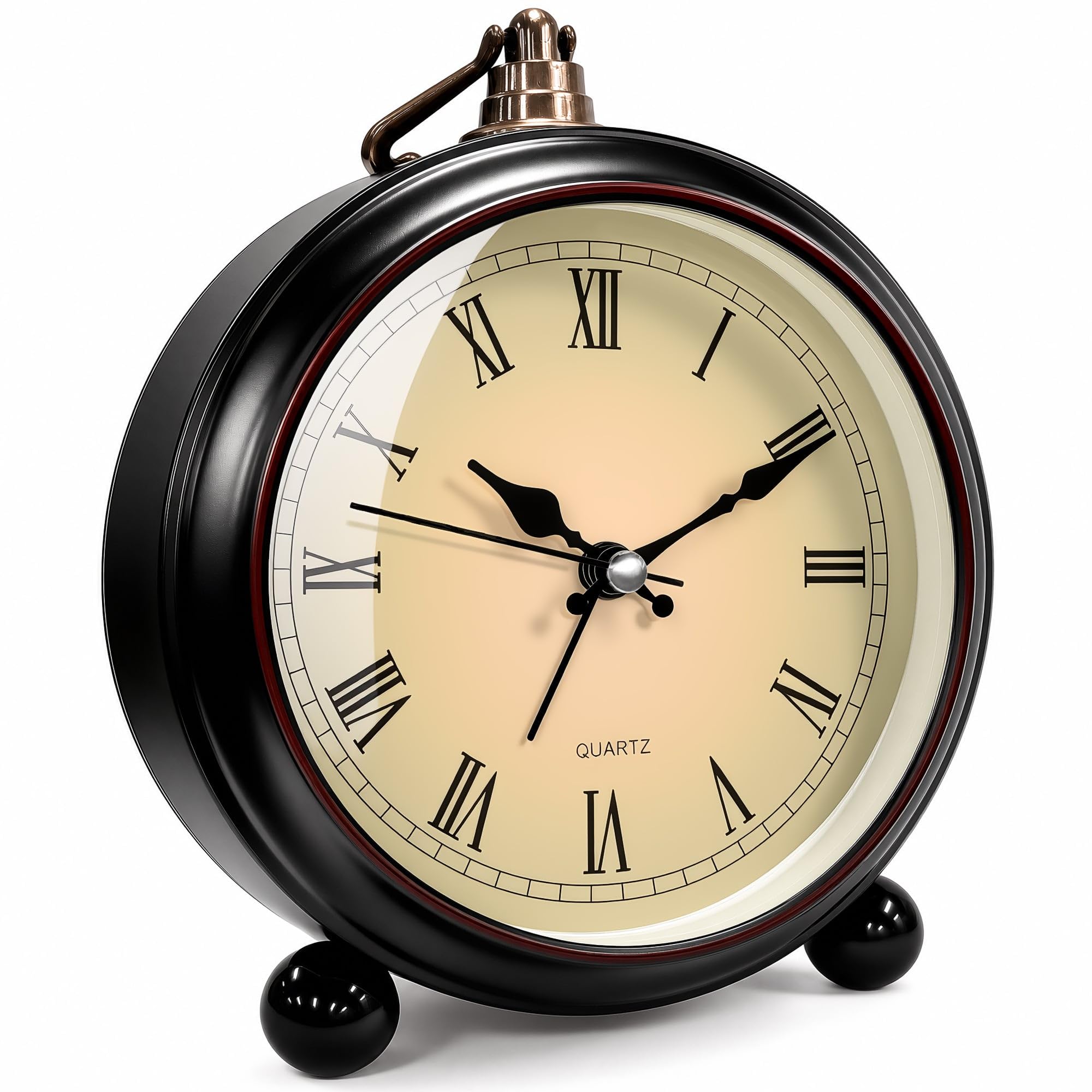
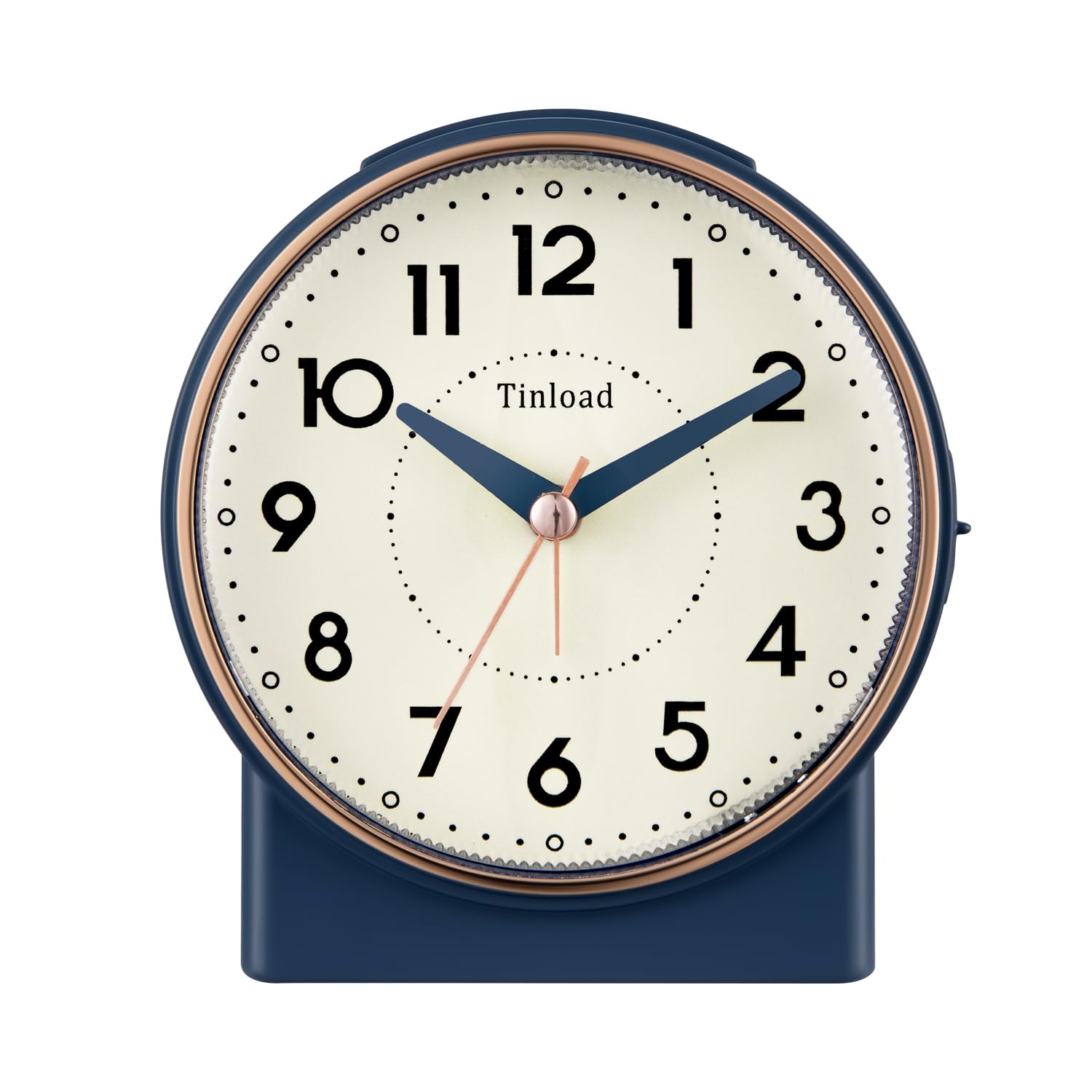
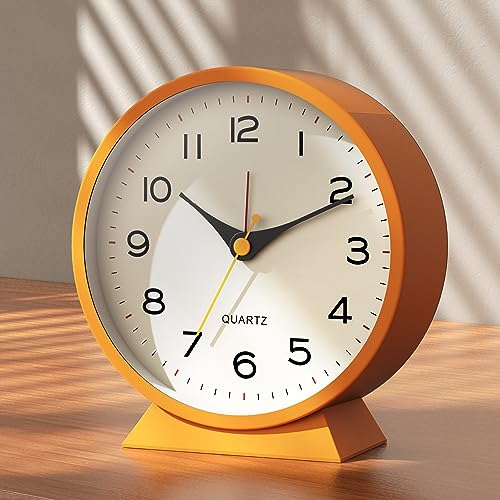
Look at the case, the lens, and the hands together. A solid wood or metal case often feels steadier than a very light plastic case, but a well made plastic case can still serve well in a kitchen or a child room. Glass lenses resist scratches better than thin plastic lenses, while plastic lenses are lighter and less likely to break if a clock falls. Hands should be long enough to reach near the numerals and in a color that stands out against the dial.
Durability and Care
An analog clock should last for years with simple care. The movement, the battery contacts, and the hanging point or base are the parts most likely to wear. Battery contacts should be clean and firm, and the clock should keep steady time without stopping and starting.
Avoid a hanging loop that feels thin or poorly fixed, since a fall can break the case and scatter small parts. Follow the manufacturer's instructions on battery type, and keep small parts and batteries away from children at all times.
Ease of Use
Setting the time should take seconds, not a search for a manual. A simple knob on the back, clear markings, and hands that move smoothly make daily use easier. If the clock has an alarm, check that the alarm control is easy to find and easy to silence. For a wall clock, check that the hanging point lines up with a hook or nail you can reach safely, and that the clock sits flat against the wall.
Size and Design
Size is about reading distance, not just style. A bedside or desk clock of 4 to 6 inches is fine for close viewing. A wall clock about 10 to 12 inches across usually suits a bedroom or a small office, while a living room or a large kitchen may need 14 inches across or larger. Measure the space, leave room around the clock so it does not crowd pictures or shelves, and check the dial color against your wall color. Dark numerals on a light dial are easiest to read, while a low contrast dial may look stylish but fail in a dim hallway.
Spending Levels That Make Sense
Prices vary with materials, movement quality, and size. Use the spending levels below as a guide to what the best analog clocks cost, and compare the product table above before you decide.
A Sensible Starting Point
At about $15 to $35, you can find a simple quartz clock with a clear dial, a light case, and a step or sweep movement. This level suits a kitchen, a workshop, or a spare room, where readability matters more than a premium finish. Expect a plastic lens and a basic hanging loop or stand, and check that the hands are long and easy to see.
A Comfortable Midrange Choice
At about $35 to $80, you can expect a sturdier case, a glass or thicker plastic lens, a quieter sweep movement, and a more refined dial. This level suits a living room, a bedroom, or an office, where the clock is seen every day. You may also get better battery contacts and a steadier hanging point. This is often the best balance of looks, quiet operation, and long term value for most homes.
A Higher End Choice
At about $80 to $200, you are paying for solid materials, careful finishing, and a movement that runs smoothly and quietly. This level suits a main living space, a formal office, or a gift where the clock itself is part of the room design. Check that the extra cost buys a real gain in readability, build, or quiet operation, not just a heavier frame.
Quick Buyer Checklist
- Can I read the numerals clearly from where I usually sit or stand?
- Is the movement quiet enough for this room, especially at night?
- Does the size suit the wall or shelf, with room around it?
- Are the hands long, rigid, and easy to tell apart at a glance?
- Is the hanging point or base sturdy and easy to reach safely?
- Does the battery type match batteries I already keep at home?
- Is the lens easy to clean without scratching the dial?
Red Flags to Watch For
- Vague claims about accuracy with no movement type named.
- A dial that looks stylish in a photo but has low contrast numerals.
- A hanging loop that feels thin, loose, or poorly fixed.
- Hands that are too short to reach near the numerals.
- A very short warranty with no clear maker support.
How to Make Your Analog Clock Last Longer
Replace the battery when the clock starts to lose time or stop, and remove a battery from a clock you will not use for a long time. Wipe the case and lens with a soft dry cloth, and keep the clock away from steam, direct heat, and strong sunlight that can fade the dial. Check the hanging point once in a while, and store a spare clock in a dry place with the battery removed. If you need help with a clock for a desk or a bedroom, see our guide to the best desk clock for size and placement ideas that also apply to wall clocks.
FAQs
How long does an analog clock last?
An analog clock can last for many years when the movement is sound and the battery is replaced on time. Battery powered quartz movements often run for years, but a weak battery can make the clock lose time or stop. A clock in a damp room, near steam, or in direct sunlight may wear faster than one in a dry, steady room. If the movement starts to stutter, check the battery contacts first, since a loose contact is a common and simple cause.
What features matter most when buying an analog clock?
Readability matters most, followed by quiet operation and a sturdy hanging point or base. A dial with strong contrast, long hands, and clear numerals will serve you every day, while a movement that suits the room will keep the clock welcome at night. Size matters too, since a clock that is too small for the wall is hard to read from across the room. A guide to the best alarm clock can help if you also need a wake up sound, since alarm controls add a separate set of choices.
Is it worth paying more for an analog clock?
Paying more is worth it when the extra cost buys a quieter movement, a sturdier case, or a dial that is clearly easier to read. It is not worth it when the gain is only a heavier frame or a finish that makes the numerals harder to see. For a kitchen or a spare room, a simple clock at a lower price often does the job well. For a main living space or a bedroom, a midrange clock with a sweep movement and a solid case is often the better long term value.
Is an analog clock a good gift?
An analog clock can be a good gift when you know the room it will live in and the style of the person who will use it. A quiet sweep movement suits a bedroom or an office, while a larger, easy to read dial suits a kitchen or a living room. Check that the size suits the space and that the battery type is easy to find. If the person likes a classic look, a guide to the best analog watches may also help you judge dial style, since watch dials share the same lessons in a smaller form.
Can I use an analog clock in a room with no outlet nearby?
Yes, most home analog clocks run on a battery and need no outlet, which makes them easy to place on any wall or shelf. Battery power also means you can move the clock without finding a plug. Check the battery size before you buy, keep a spare battery at home, and follow the manufacturer's instructions on battery safety. Keep batteries and small parts away from children, and remove the battery if you store the clock for a long time.
Our Verdict
The right clock is the one you can read at a glance, hear only when you want to, and hang or place with confidence. Focus on movement, dial contrast, size for your room, and a sturdy case, then let style follow those practical points. Check the product table above, run through the checklist once more, and choose the clock that fits your room and budget. That is how you find best analog clocks that stay useful long after the first week.