Best Agenda Planner for 2026: A Smart Buying Guide
Disclosure: We may earn a commission when you buy through links on this page, at no extra cost to you. As an Amazon Associate I earn from qualifying purchases. Learn more

Pick the best agenda planner for your routine with a simple checklist covering purpose, size, layout, paper, and binding.
Choosing the best agenda planner starts with how you actually plan a day, not with the prettiest cover on the shelf. A good agenda planner should make it easy to see appointments, tasks, and notes at a glance, and it should hold up through months of daily use. The product table can help you compare layouts side by side once you know what you need.
This guide works through a checklist for purpose, size, layout, paper, binding, and value, so you can narrow the field before you spend money.



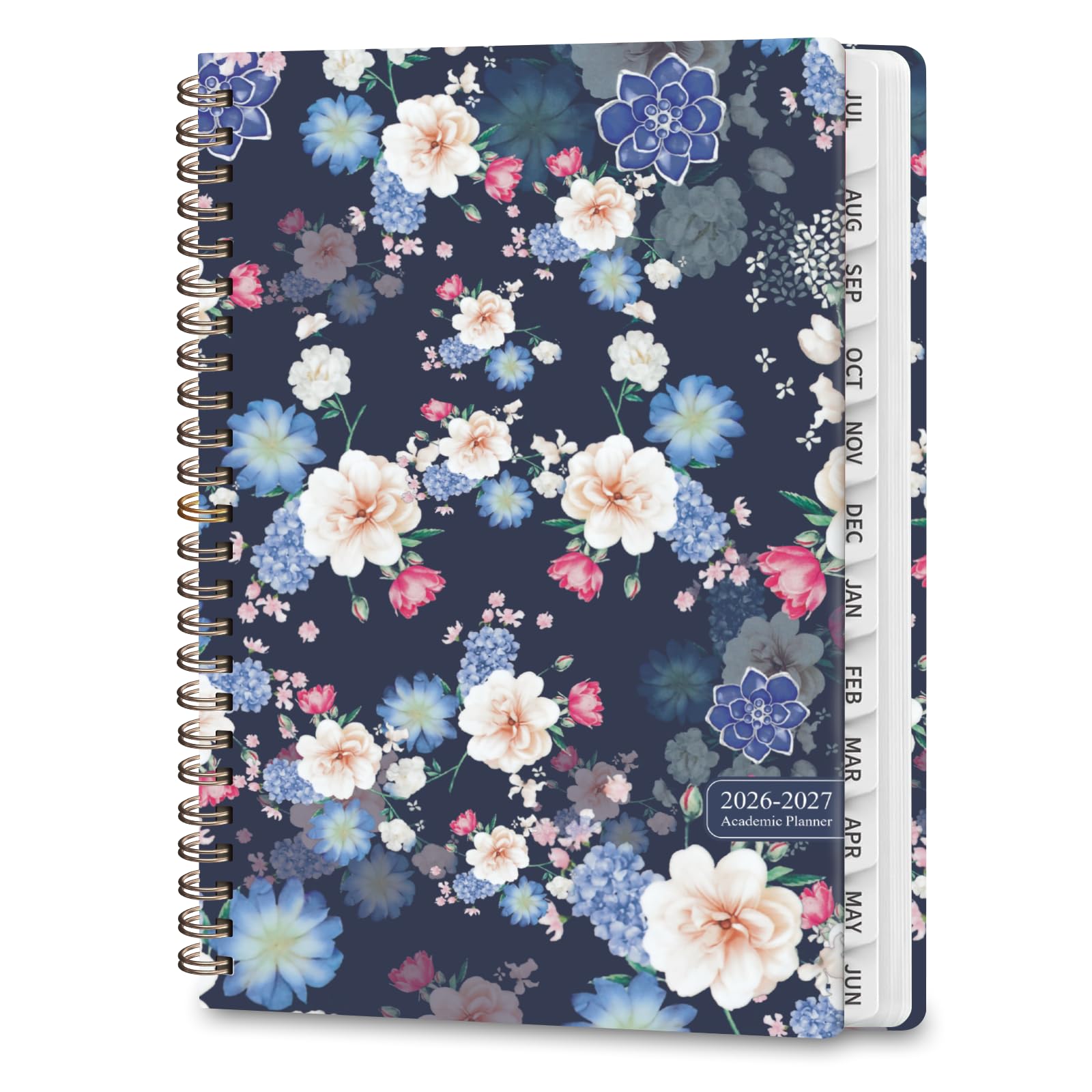

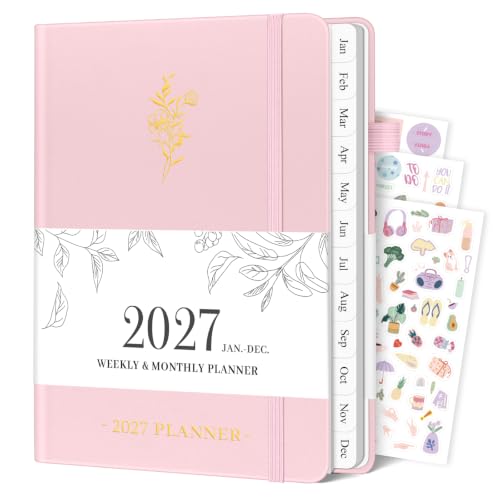
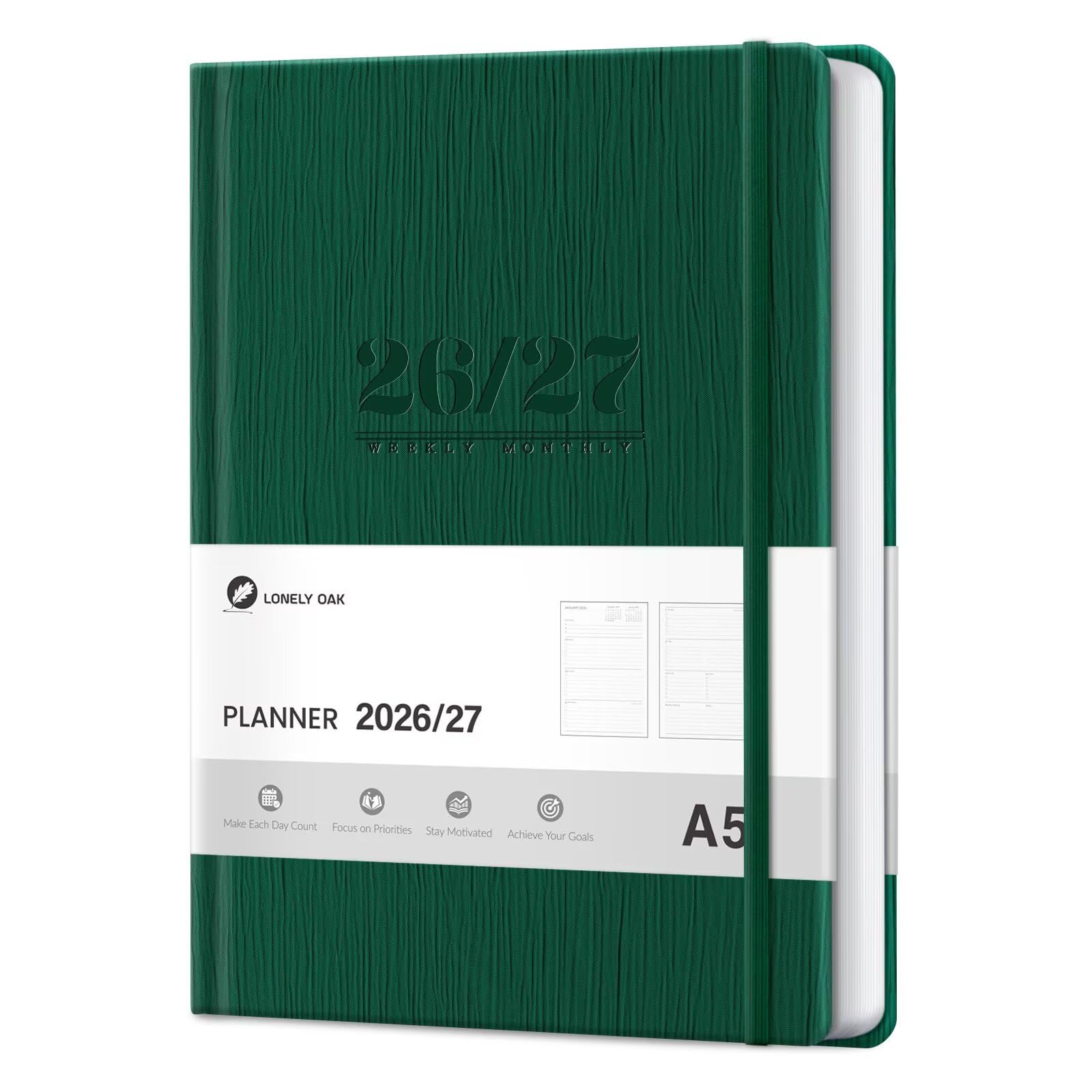
A Checklist for Choosing the Best Agenda Planner
An agenda planner is a working tool, so judge it by the job it must do every day. Think about where you will carry it, how much you write, and whether you plan by the hour, by the day, or by the week. The six checks below cover the choices that matter most.
Purpose and Who It Is For
Start by naming the main job of the planner. A student may need space for classes, assignments, and exam dates, while a parent may need room for family appointments, school events, and errands. An office worker may need hourly blocks for meetings and deadlines, plus a place to track follow up tasks. When the purpose is clear, the right layout becomes much easier to recognize.
Also consider who else might use the planner. Some people share a family calendar in one book, while others keep a private work planner separate from home life. A shared planner needs clear sections and enough writing room for several schedules, while a personal planner can be smaller and more focused.
Price and Value
Agenda planners range from simple dated books at about $10 to $25 to thicker, refillable systems at about $40 to $90. The lower tier usually covers a dated layout, basic paper, and a simple binding, which is plenty for a first planner or a short term project. The middle tier often adds sturdier covers, better paper, and useful extras such as pockets, bookmarks, and goal pages.
Higher prices make sense only when the extras solve a real problem. A refillable cover can save money over several years if you keep buying inserts instead of a whole new book. Thick paper matters if you use fountain pens or markers that bleed through thin sheets. Before paying more, ask what the upgrade changes in daily use.
Ease of Use
A planner should be easy to open, easy to write in, and easy to scan. Lay flat binding helps a book stay open on a desk, while a book that snaps shut can slow you down during a phone call or a meeting. Tabs or edge markings help you jump to the current week without flipping through pages, and a ribbon marker can save the same time for a daily page.
Look closely at how dates and times are printed. Some layouts leave generous space for morning and evening entries, while others squeeze a whole day into a narrow column. If you write in large letters, or if you add notes beside appointments, a cramped layout will frustrate you within a week. Choose a layout that matches your handwriting size and the amount of detail you normally record.
Size and Design
Size is a trade off between writing room and portability. A large desk planner gives you room for detailed notes, but it may be too heavy for a small bag. A pocket planner travels well, yet it can feel cramped if you plan in detail. A medium size, roughly the size of a paperback book, suits many people because it balances room and portability.
Design also affects how often you reach for the planner. A cover you like and a layout that feels calm rather than cluttered can encourage regular use. At the same time, decoration should never hide the dates. Check that month names, day numbers, and time lines are easy to read at a glance.
Materials and Build Quality
Paper quality shapes the writing experience more than most buyers expect. Smooth, medium weight paper handles ballpoint pens and pencils well, while very thin paper may show ink from the other side of the page. If you use gel pens or markers, look for paper described as thick or bleed resistant, and try a similar pen on a sample page when you can.
Binding and cover quality decide how long the planner lasts. A stitched or well glued binding should survive daily opening, while a weak binding may loosen after a few months. A flexible cover suits a bag, while a rigid cover protects pages on a desk or in a backpack. Pockets, elastic closures, and pen loops are small details, but they can keep loose notes and a pen close at hand.
Features That Matter
Useful features support planning without adding clutter. Monthly overview pages help you see deadlines and travel at a glance, while weekly pages give room for daily detail. Goal pages, habit trackers, and note pages can help if you already use those tools, but they add bulk if you ignore them. Choose a planner whose extras match habits you already have, not habits you hope to start.
Other features worth checking include a yearly calendar, a contacts section, and space for lists. A planner with too many sections can feel like a workbook, while one with too few may force you to carry a separate notebook. The best balance is a book that covers your regular planning needs in one place.
Spending Levels Without the Guesswork
It helps to think in spending levels rather than in single products. A basic dated planner at about $10 to $25 suits a simple routine, a trial run, or a planner for one school term. It usually offers a clean layout and adequate paper, without refill options or premium materials. This level is a sensible starting point if you are still learning how you like to plan.
A midrange planner at about $25 to $50 often adds thicker paper, a stronger binding, and a more thoughtful layout. This level suits daily use through a full year. A premium or refillable system at about $50 to $90 suits people who plan every day and want a cover that lasts for years, with inserts replaced each year.
Quick Buyer Checklist
Run through these questions before you buy, and answer each one honestly:
- Does the layout match how I plan, by the hour, by the day, or by the week?
- Is there enough writing room for my normal handwriting and notes?
- Will the size fit the bag or desk where I will use it most?
- Does the paper suit the pens I actually use?
- Is the binding strong enough for daily use through a full year?
- Do the extra pages help my routine, or will they stay blank?
- Does the dated range cover the full period I need?
- Is the price fair for the paper, binding, and layout on offer?
Red Flags to Watch For
Watch for vague descriptions that never state the page size, paper weight, or dated range. A listing that hides those basics may also hide thin paper or a weak binding. Very short warranty or return terms can be another warning sign, especially for a refillable system that should last for years. Read the full description carefully, and compare it with the checklist above.
Also be cautious about planners that promise to transform your productivity on their own. A planner is a tool, not a habit, and no layout can replace regular use. If a description leans heavily on slogans rather than layout details, treat that as a reason to look closer.
Tips to Get the Most From Your Agenda Planner
Set aside a few minutes at the start of each week to review the days ahead. Move unfinished tasks forward, note deadlines, and leave breathing room for appointments that may run long. A weekly review keeps the planner current and prevents small tasks from slipping through the cracks. It also helps you see busy days before they arrive.
Store the planner where you will use it, such as beside your keys, in your work bag, or on your desk. Follow the maker care instructions for the cover and binding, and keep it away from liquids and heavy pressure in a crowded bag.
Agenda Planners: Your Questions Answered
What features matter most in an agenda planner?
The features that matter most are the ones that match your planning style. A clear dated layout, enough writing room, and paper that suits your pens will affect you every day. Monthly overviews help with long range planning, while weekly pages support daily detail. Extra sections such as goal pages or habit trackers help only if you already use them regularly, so start with layout, size, and paper.
How long does an agenda planner last?
A dated agenda planner is designed to last for its printed year or academic term, and a well made book should survive daily use through that period. Binding quality, cover strength, and paper thickness all affect durability over months of opening and carrying. A refillable planner can last much longer, since only the dated inserts need replacing each year.
Is it worth paying more for an agenda planner?
Paying more is worth it when the upgrade solves a specific problem in your routine. Thicker paper helps if your pens bleed through thin pages, and a stronger binding helps if you carry the planner daily. A refillable cover can also save money over time, since inserts usually cost less than a whole new premium book. Paying more is less useful when the extra cost buys only decoration or sections you will never use.
Is an agenda planner a good gift?
An agenda planner can be a thoughtful gift when you know the recipient plans on paper and you choose a layout that fits their routine. A student may welcome a compact academic layout, while a busy professional may prefer a weekly layout with hourly blocks. If you are unsure about size or layout preferences, a simple, well made planner in a neutral design is a safer choice. Adding a good pen that suits the paper can make the gift more useful from the first day.
Should I choose a paper agenda planner or a digital planner?
A paper agenda planner suits people who remember better when they write by hand, who want a screen free planning moment, or who like seeing a whole week on paper. A digital planner suits people who need reminders, shared calendars, and easy searching across many entries. Some people use both, with paper for daily focus and a digital calendar for shared appointments. If you already rely on phone reminders, see our guide to the best digital planner for the digital side of planning.
Final Thoughts
The right agenda planner is the one that fits your routine, your handwriting, and your bag, not the one with the longest feature list. Work through the checklist for purpose, layout, size, paper, binding, and value, and let those answers narrow your choice.
Before you order, compare layouts in the product table, and check the dated range, page size, and paper details one last time. A careful choice now will serve you through the whole year. For related planning options, see our guides to the best academic planners, the best custom planners, the best day planners, and the best printers for planner stickers. With the best agenda planner for your routine in hand, you can plan each week with confidence.