
Best Blades for Zero Turn Mowers in 2026: Which Type Is Right for You?
Disclosure: We may earn a commission when you buy through links on this page, at no extra cost to you. As an Amazon Associate I earn from qualifying purchases. Learn more

Learn how to choose blades for zero turn mowers by cut type, grass condition and deck size, so your lawn stays even and healthy all season. for a healthy lawn.
Choosing the right best blades for zero turn mowers affects cut quality, lawn health, and mowing time more than many owners expect. Different blade shapes lift, mulch, or discharge grass in different ways, and the best choice depends on grass type, lawn size, and how you handle clippings.
This guide explains blade types, deck fit, and maintenance in plain language, so you can match blades to your mower and your lawn. You will learn how to check blade length, center hole, and thickness, and how to tell when sharpening is enough and when replacement is smarter.


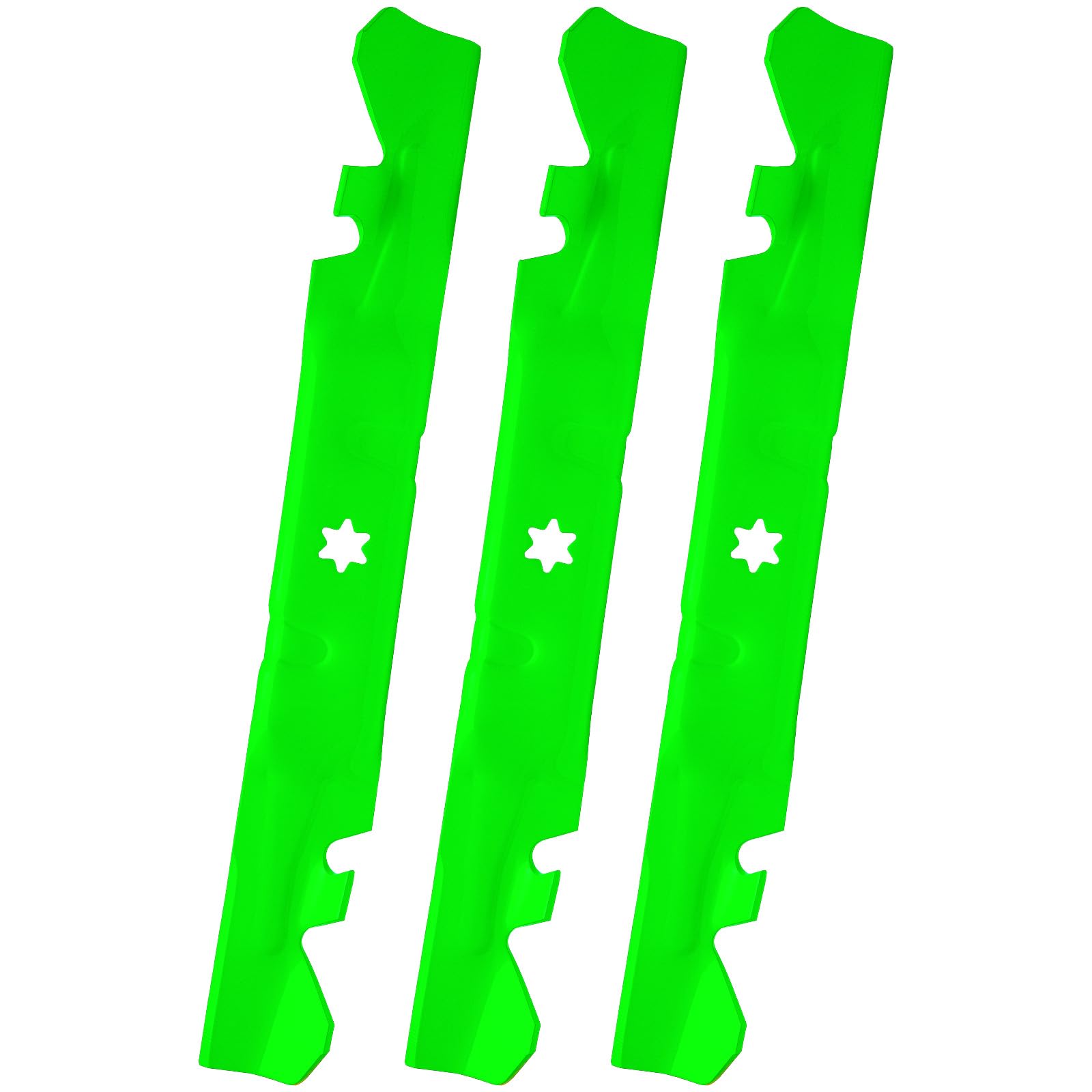

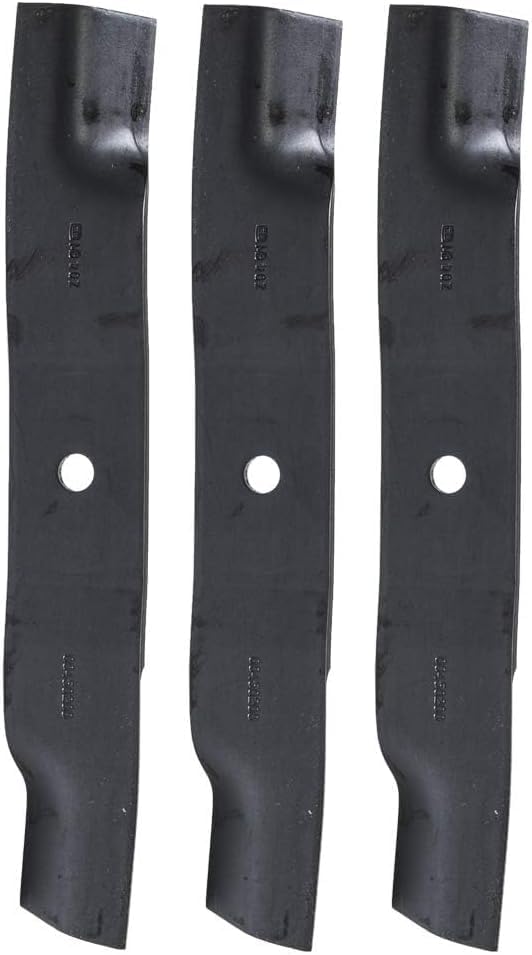


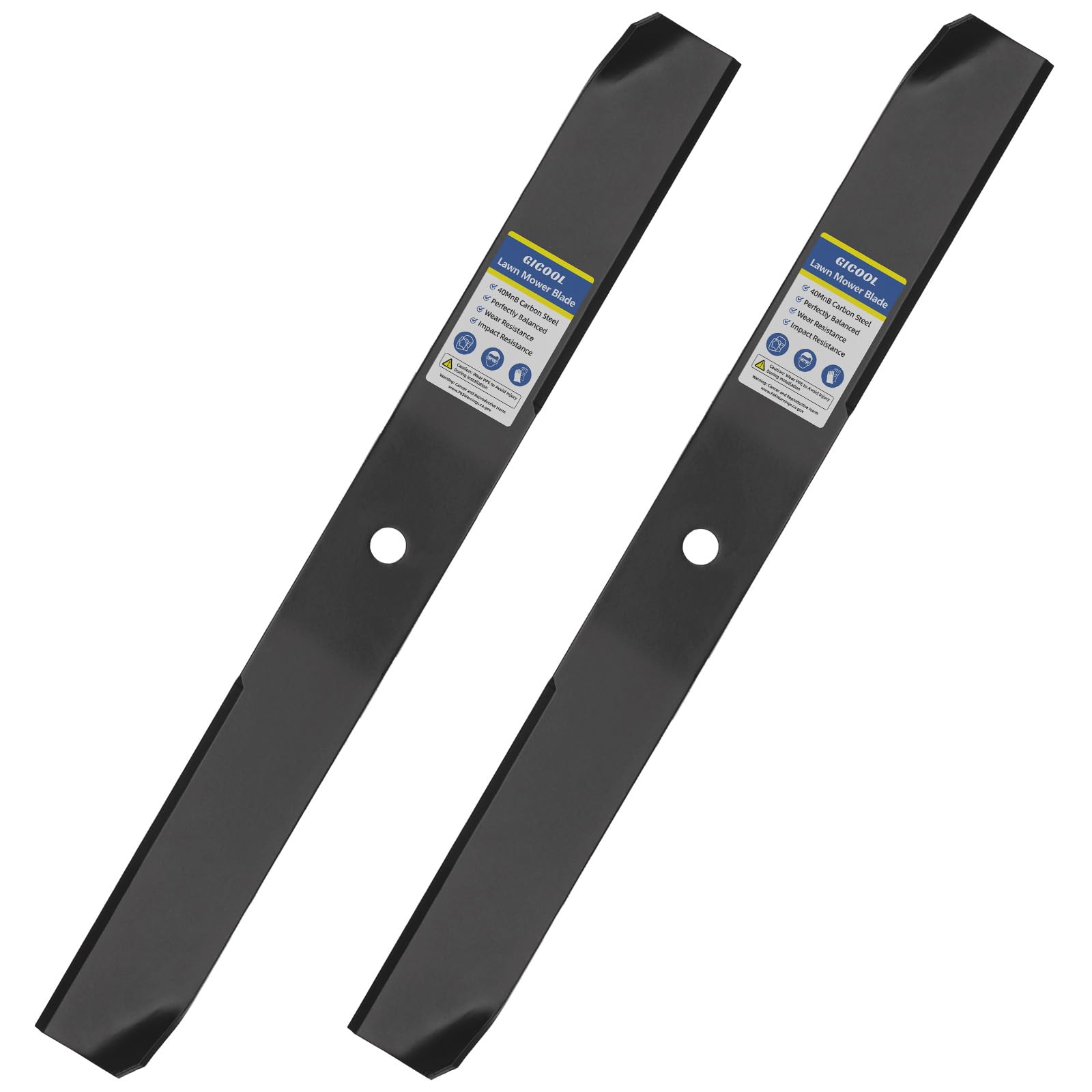
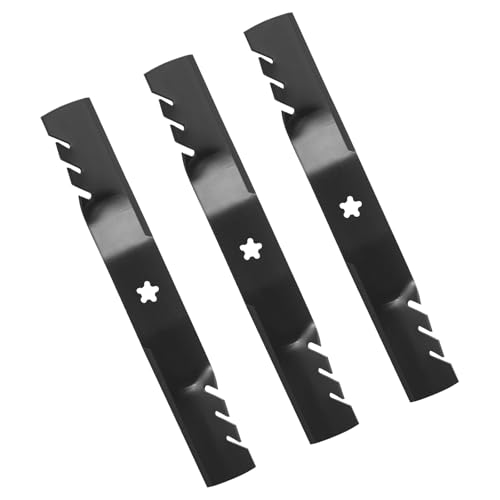
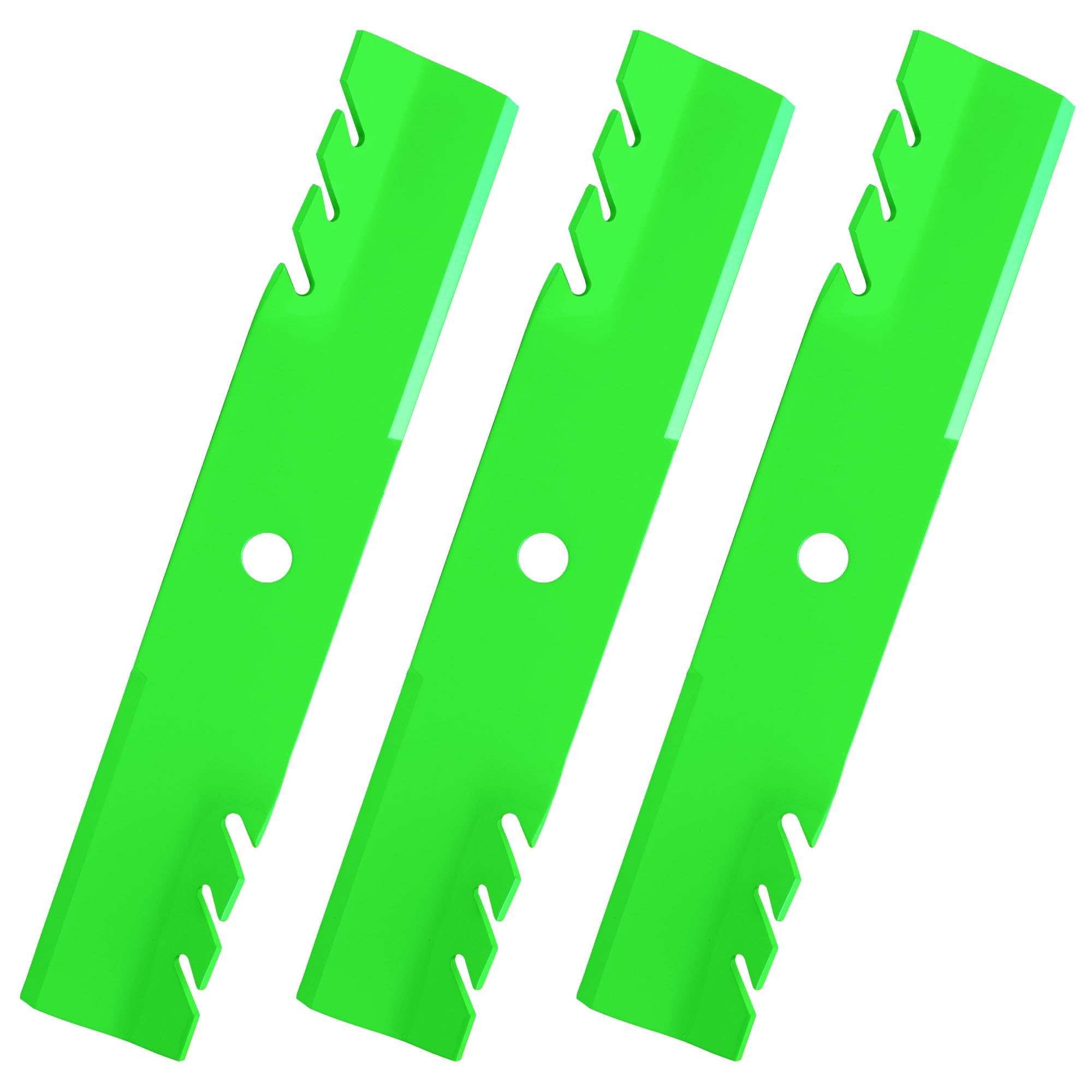
The comparison table below gives a quick overview of the main choices.
Who Should Buy Blades for Zero Turn Mowers
Zero turn mower blades suit owners with medium to large lawns who want a fast, even cut with tight turning. They also suit properties with mixed grass and leaves, where the right blade type can mulch or discharge without clogging.
Replacement blades are a weaker fit if your mower deck is damaged, bent, or out of balance, because new blades cannot fix a deck problem. In that case, inspect the deck, spindles, and belts first, and get professional help if the deck vibrates or cuts unevenly despite sharp blades.
Types Compared
High lift blades
High lift blades create strong airflow that lifts grass upright for a clean cut and throws clippings clear of the deck. They suit bagging and side discharge, and they work well on thick or tall grass.
High lift blades need more engine power and can wear faster in sandy soil. They may also struggle with mulching, because strong lift tends to throw clippings out rather than recutting them finely.
Mulching blades
Mulching blades recut clippings into fine pieces that fall back into the lawn as natural feed. They suit owners who do not bag and who mow regularly, because short clippings break down quickly and feed the soil.
Mulching blades work best on dry grass cut little and often. Wet or very tall grass can clump under the deck, so mow more often in fast growth periods and clean the deck after wet jobs.
Standard and low lift blades
Standard blades give a balanced cut for general mowing, with moderate lift and reasonable power use. Low lift blades suit sandy or dusty ground, because they stir up less debris and may last longer in abrasive conditions.
Standard blades may not bag as cleanly as high lift blades, and low lift blades may leave a less crisp finish on thick grass. Choose lift level for your main job, bagging, mulching, or general discharge, rather than for a rare task.
Key Features to Check
Deck fit and size
Blade length, center hole shape, and thickness must match your mower deck exactly, because a wrong fit can vibrate, cut unevenly, or damage spindles. Check the maker part number and measure your old blades before ordering. Never force a blade that does not sit flat on the spindle.
Blade thickness and material
Thicker blades resist bending and wear longer, especially on rough ground with stones or roots. Hardened steel holds an edge longer but can be harder to sharpen at home. Balance durability against sharpening ease, and keep a spare set so you can swap blades while one set is being sharpened.
Cut quality signs
A sharp blade cuts grass cleanly, leaving a neat green tip, while a dull blade tears tips and leaves a brown, ragged edge. Check cut tips after mowing, because torn tips stress grass and invite disease. Sharpen when tips look frayed, and replace blades with nicks, cracks, or bends.
Balance and safety
Balanced blades reduce vibration and protect spindles and bearings. After sharpening, check balance on a simple blade balancer and remove a little more material from the heavy side if needed. Always disconnect the spark plug or battery before working under a deck, and wear gloves when handling sharp edges.
Common Mistakes to Avoid
A common mistake is fitting blades that look close enough but do not match center hole or length exactly. Another is mowing all season on dull blades, which tears grass and weakens the lawn. Check fit carefully, sharpen regularly, and replace damaged blades rather than straightening a bent blade.
Budget and Long Term Value
The best blades for zero turn mowers range from about $20 per blade for a basic set to about $60 per blade for a thicker premium set, depending on size and material. A mid priced set with correct fit and solid steel often gives the best value. Add a blade balancer, a sharpening file or grinder, and spare bolts to your budget.
Planning Before You Order
Note your mower model, deck size, and current blade part number before ordering. Count how many blades your deck uses, because zero turn decks often use two or three blades. Plan sharpening every 20 to 25 hours of mowing in normal conditions, and more often on sandy or rough ground.
Care and Upkeep
After mowing, clean grass and debris from under the deck, because packed clippings trap moisture and can cause rust and uneven airflow. Inspect blades for nicks after hitting stones or roots, and check spindle bolts for tightness at the start of each season. Store spare blades dry and oiled lightly to prevent rust during winter.
A Final Check Before You Order
Before the first mow of spring, check blade sharpness, balance, and fit, and confirm the deck is level side to side. Mow a small test strip and inspect cut tips, because clean tips show sharp blades while torn tips show dullness. A level deck and sharp blades together give a far better finish than either alone.
Related Guides to Explore
For mower models and deck choices, see the guide to best zero turn mowers.
For mulching blades in more detail, see the guide to best mulching blades for zero turn mowers.
For replacement blade options and fit checks, see the guide to best replacement blades for zero turn mowers.
For cutting performance and blade shapes, see the guide to best cutting blades for zero turn mowers.
For riding mower comfort and controls, see the guide to best zero turn riding mowers.
Frequently Asked Questions
How often should I sharpen mower blades?
Sharpen blades about every 20 to 25 hours of mowing in normal conditions, and more often on sandy, rocky, or dusty ground. Check cut tips regularly, because torn brown tips show dullness before performance drops badly. Keep a spare set so sharpening never delays a planned mowing day.
Can I use mulching blades without a mulch kit?
Many mulching blades work without a full mulch kit, but a mulch plug or kit improves results by keeping clippings under the deck longer. Without a plug, some clippings may discharge rather than mulch finely. Check your mower guidance, because deck design affects how well mulching blades perform.
How do I know a blade needs replacing?
Replace a blade if it is bent, cracked, deeply nicked, worn thin at the edge, or no longer balances after sharpening. A blade that vibrates despite correct fitting is also a sign of damage. Never weld or straighten a cracked blade, because it may fail at high speed.
Do blade brands matter if size matches?
Size, center hole, and thickness matter most, but steel quality affects edge life and durability. A well made blade from a reputable maker often holds an edge longer and balances better. Compare thickness and material, not only price, when blades look similar in size.
Is it safe to sharpen blades myself?
Yes, if you disconnect power, secure the blade, wear gloves and eye protection, and follow maker guidance. Keep the original cutting angle, remove equal material from both ends, and check balance afterwards. If you are unsure about angle or balance, a professional sharpening service is a sensible choice.
Should I sharpen or replace a nicked blade?
Light nicks and dull edges can be sharpened away if enough blade material remains and balance can be restored. Deep nicks, cracks, bends, or thin worn edges mean replacement is safer, because a weakened blade can fail at speed. When in doubt, replace the blade, because the cost is small compared with deck or spindle damage.
Final Thoughts
Choosing best blades for zero turn mowers comes down to blade type for your clipping plan, exact deck fit, and regular sharpening. A sharp, balanced, well matched set keeps cuts clean, lawns healthy, and mowing time short.
Keep a dated log of sharpening and replacement, so you can judge blade life honestly across seasons.
Grass condition also affects blade choice, because wet spring grass, dry summer grass, and autumn leaves behave differently under the deck. Mow when grass is dry where possible, raise cutting height during drought stress, and clean the deck after leaf mulching. Adapting technique to conditions protects both blades and lawn health through the season.
Use the product table above to compare the main choices side by side before you order.


