
Best Black Work Boots for 2026: What Each Price Level Gets You
Disclosure: We may earn a commission when you buy through links on this page, at no extra cost to you. As an Amazon Associate I earn from qualifying purchases. Learn more
Compare the best black work boots at every price point. Learn what you get at budget, midrange, and premium levels and where spending more pays off.
Prices for work boots run from under $60 to well past $300, and the gap is not just about looks. The best black work boots for you depend on where your money actually changes the boot: leather quality, sole construction, and the safety ratings your job demands. Black is also the color many uniform policies require, so this guide weighs dress code fit alongside comfort and durability.
Below, we break down what each spending level realistically buys, which features are worth paying for, and which ones you can skip. The product table gathers picks side by side so you can match a boot to your job, your feet, and your budget.
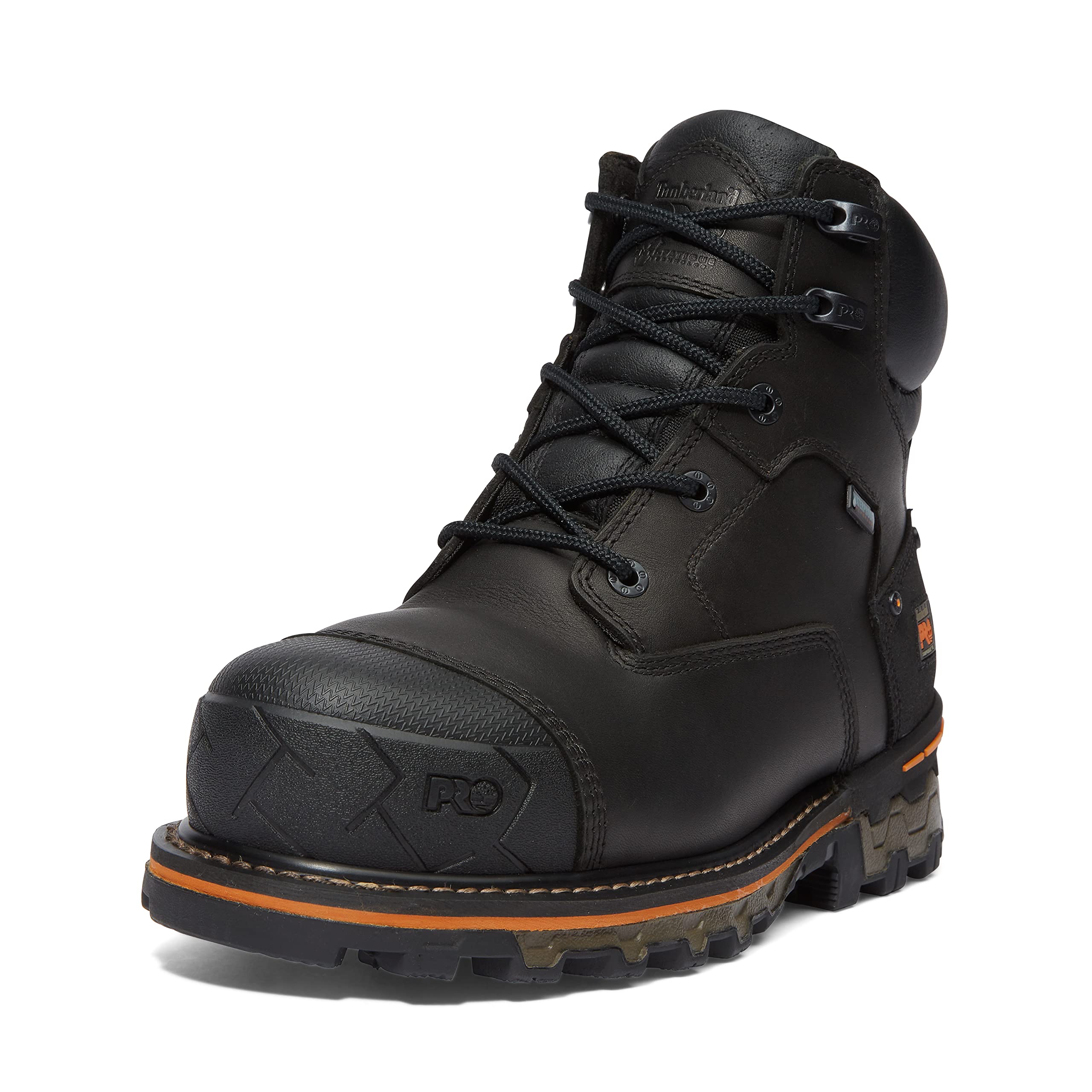


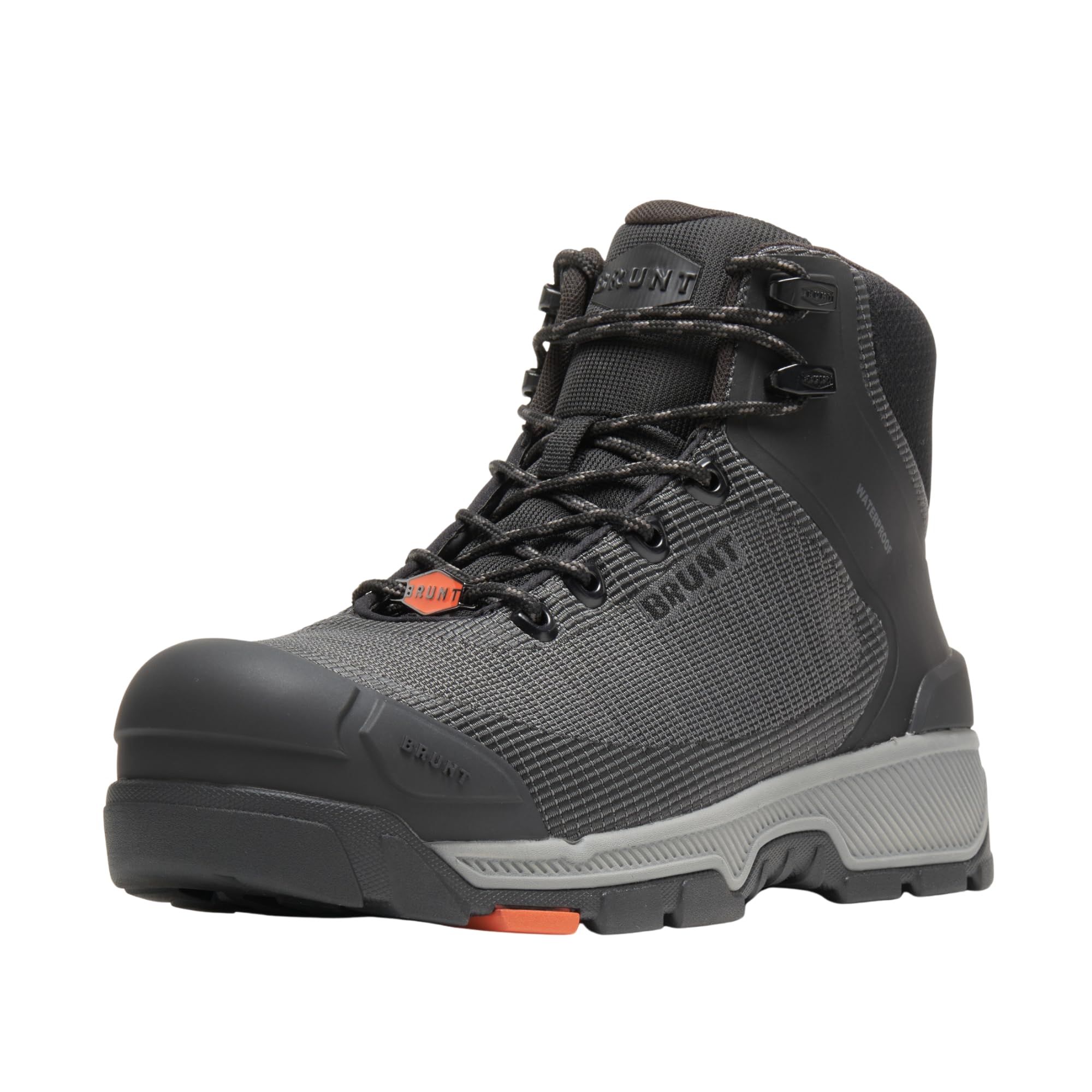
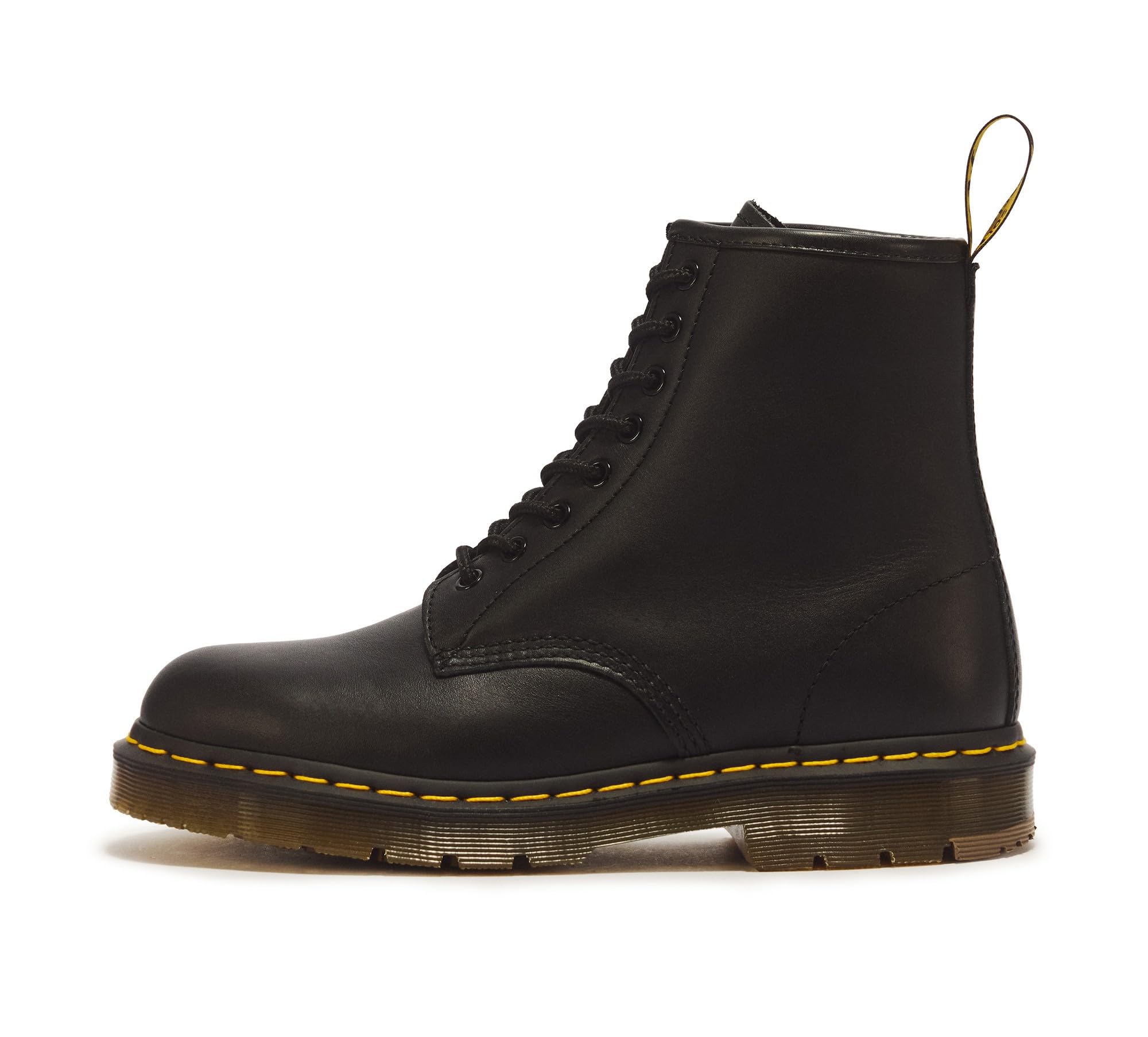


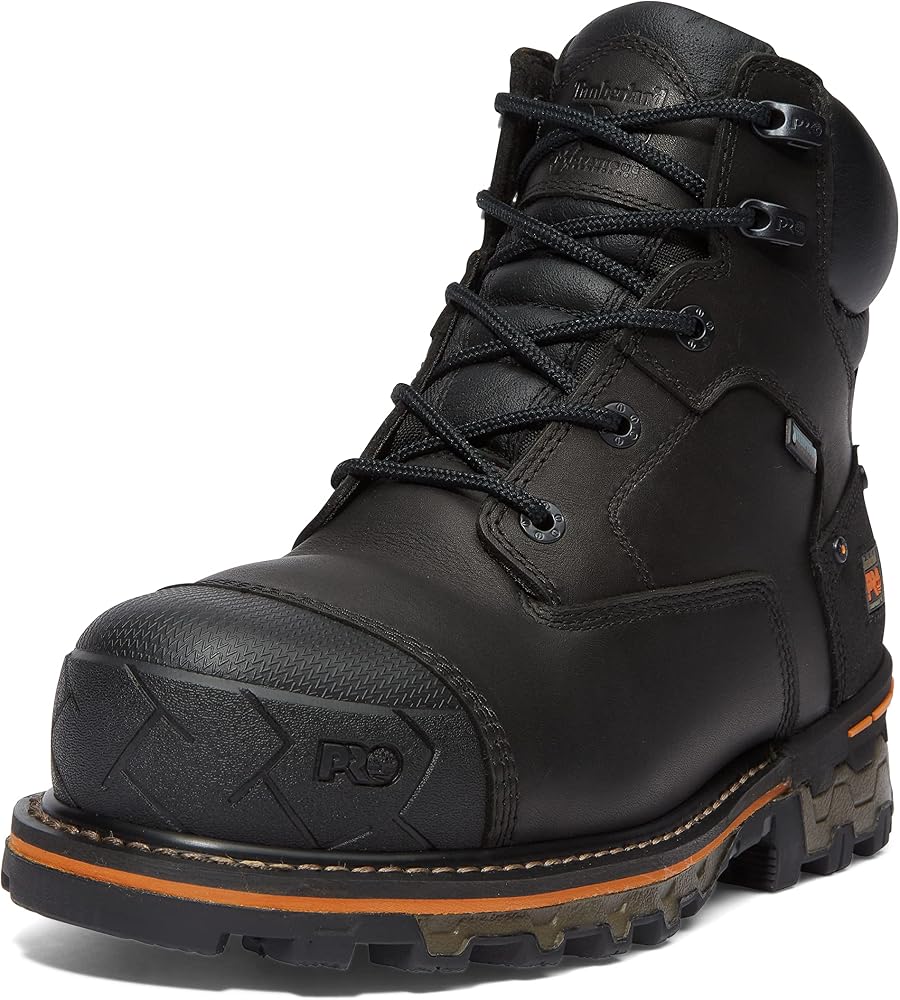
What the Best Black Work Boots Offer at Each Price Tier
Budget Tier: About $60 to $100
Budget boots usually pair synthetic or split leather uppers with glued on soles and basic foam insoles. They handle light duty work, short shifts, and dry indoor floors well, and the plain black finish passes most uniform checks. The trade offs are shorter life, soles that wear smooth sooner, and less support on long shifts. If your job is light and your budget is tight, start here and compare against the broader field of best work boots before deciding.
Midrange Tier: About $100 to $180
This is the level most workers should target. Uppers move to genuine leather that breaks in and polishes back to a clean black, outsoles gain real slip resistant tread, and replaceable insoles improve all day comfort. Safety toe options in steel and composite show up here, along with electrical hazard ratings. For men shopping this tier, our guide to best men's work boots covers sizing and fit in more depth.
Premium Tier: About $180 to $300
Premium money buys full grain leather, stitched welt construction that a cobbler can resole, and better waterproof membranes that keep feet dry without cooking them. Cushioning improves, hardware is metal instead of plastic, and fit options widen to include narrow and extra wide lasts. These boots cost more up front but often outlast two budget pairs. Choose this tier if you work outdoors, stand on concrete all day, or need one pair to survive several years of daily wear.
Features Worth Paying For (and Ones to Skip)
Cushioning and Support
Cushioning matters most if you stand or walk on hard floors for full shifts. Look for a firm heel, a cushioned midsole, and an insole you can swap when it packs down, because fresh insoles restore much of the original comfort for a few dollars. Flat feet usually do better with structured arch support, while neutral feet can use softer foam. If foot, knee, or back pain keeps coming back despite decent boots, talk with a doctor rather than assuming a new pair will fix it.
Safety Ratings and Employer Rules
Check your employer rules before you buy anything, because a boot that fails the safety code or the dress code is money wasted. Many sites require a rated safety toe, and some require electrical hazard protection or metatarsal guards as well. Composite toes pass metal detectors and weigh less, while steel toes offer the slimmest profile at a given rating. Confirm the exact rating printed inside the boot matches what your safety manager listed, and keep in mind that plain black uppers are often mandatory even when the toe type is flexible.
Fit, Sizing, and Toe Box
Measure your feet late in the day, when they are at their largest, and try boots on with the thick socks you wear at work. You want about a thumb width of room in front of your longest toe and no pinch across the forefoot. Feet swell during long shifts, so a toe box that feels snug in the morning can hurt by evening. If your job sometimes allows lighter footwear on easy days, our roundup of best black tennis shoes for work covers options that still meet a black dress code.
Outsole Traction and Wet Floors
Traction depends on tread pattern and rubber softness more than on the price tag. Deep lugs grip gravel, mud, and loading dock ramps, while flatter, tightly patterned soles grip wet tile and polished concrete better and track less dirt indoors. Look for outsoles marked slip resistant or oil resistant if you work around kitchens, garages, or machine shops. Black soles hide scuffs and grime well, but check the tread depth in the store, because worn smooth rubber is the first thing to replace.
Features You Can Safely Skip
Skip fashion stitching, decorative buckles, and glossy finishes that scuff on the first day and can break a strict uniform look. Most indoor workers can also skip heavy insulation and aggressive mud lugs, which add weight without helping on flat floors. Tall shafts are another easy skip unless you need ankle coverage for brush or debris. Put the savings toward better leather or a second pair of insoles instead. If you want the black look in a casual style for non work days, see our guide to best black boots.
Long Term Costs to Factor In
The sticker price is only part of ownership. Budget roughly $15 to $30 a year for replacement insoles, plus polish and conditioner to keep black leather presentable for uniform inspections. Welted premium boots can be resoled for about $60 to $100, which is far cheaper than a new pair, while glued soles usually mean full replacement. Factor in how fast you wear tread down, because a worker on rough concrete may retire any boot in a year regardless of tier.
Frequently Asked Questions
Do black work boots need to be waterproof?
Only if your job regularly puts you in rain, puddles, washdown areas, or wet grass. Waterproof membranes keep water out but also trap heat and sweat, so indoor workers on dry floors are usually more comfortable without one. A middle path is leather treated with a water resistant spray, which sheds light splashes while still breathing. Decide from your wettest normal workday, not from the worst day you can imagine.
Can black work boots be worn comfortably all day?
Yes, if the fit and support match your feet and the boot is fully broken in. Most discomfort comes from sizing mistakes, worn out insoles, or soles too soft for concrete. Rotate between two pairs if you can, because a rest day lets the cushioning recover and the lining dry. Give new boots one to two weeks of shorter wears before a full shift, and swap the stock insole for a supportive one if heel pain shows up early.
How often should black work boots be replaced?
Replace them when the tread is worn smooth in the heel or forefoot, the midsole feels flat and hard, or the upper cracks through at the flex point. On rough surfaces that can be as soon as eight to twelve months, while lighter duty pairs may last two years or more. Safety toes should be replaced after any heavy impact, even if the boot looks fine, because the cap can be compromised without visible damage.
Are expensive black work boots worth the money?
They are worth it when you work long shifts, stand on concrete, or go through budget pairs quickly, because better leather and resoleable construction lower your cost per year. They are harder to justify for light duty or part time work, where a midrange boot covers the same needs. Judge by cost per month of service rather than sticker price, and remember that fit matters more than tier: a premium boot in the wrong size is still a bad buy.
How long is the break in period for black work boots?
Most leather work boots need about one to two weeks of regular wear before the upper softens and molds to your foot. Synthetic budget boots often feel fine right away but do not improve much with time. Wear new boots for a few hours a day at first, and use thick socks to reduce friction while the leather is stiff. Hot spots are normal early on, but sharp pain or numb toes means the size or width is wrong, not that you should push through.
Final Thoughts
Decide your tier by job demands first, then check safety ratings against your employer rules, and only then compare comfort features. When those three checks line up, the best black work boots for your budget are usually clear. Look at the product table to compare your shortlist side by side before you order.


