
Best Black Military Boots: A Buying Guide for 2026
Disclosure: We may earn a commission when you buy through links on this page, at no extra cost to you. As an Amazon Associate I earn from qualifying purchases. Learn more

The best black military boots for duty wear: how to judge fit, upper, waterproofing, traction, and price band, plus uniform checks and care tips.
A military boot is a uniform purchase before it is a footwear purchase, and that order matters. Check your unit regulation list first, because the black colour is itself a regulation fact: shade, shine, and height rules can rule a boot out before comfort ever gets a vote. Once a pair passes the uniform check, the best black military boots for you are the ones that also fit your feet, your ground, and your weekly mileage.
Load is the second check: rucking and long marches ask far more of a boot than gate duty, so this guide reads every type under load rather than on a shelf. The product table lays out the picks side by side, and the sections after it walk through price bands, fit, materials, waterproofing, support, weight, and traction.
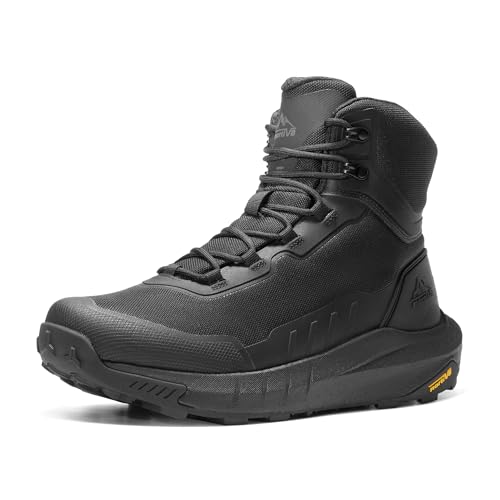
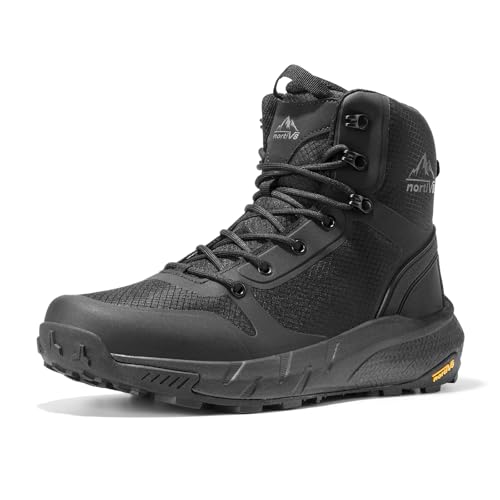


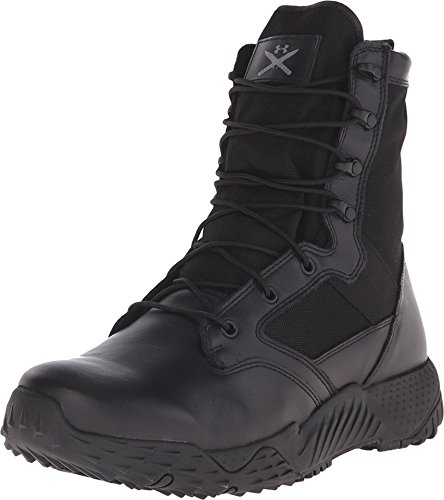

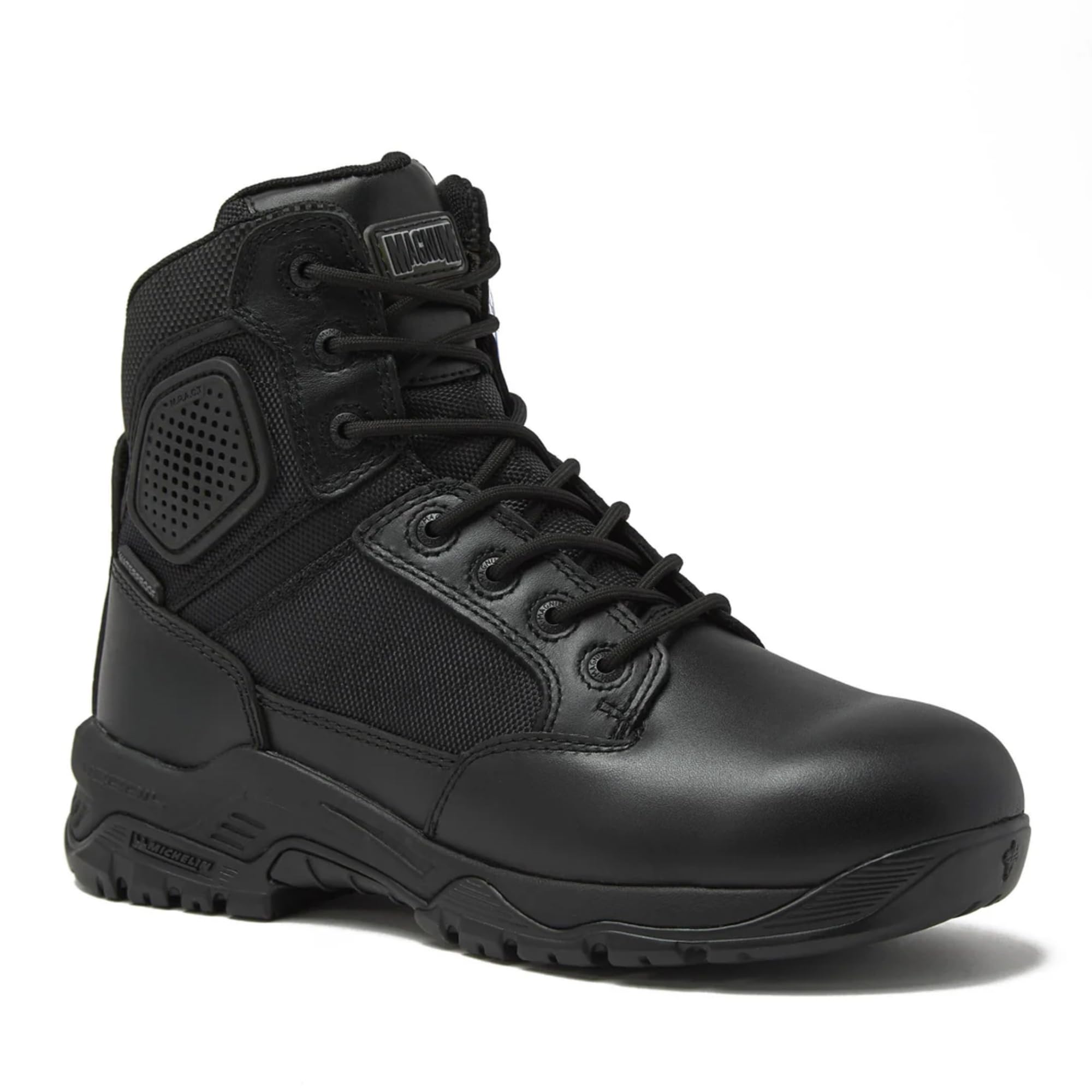

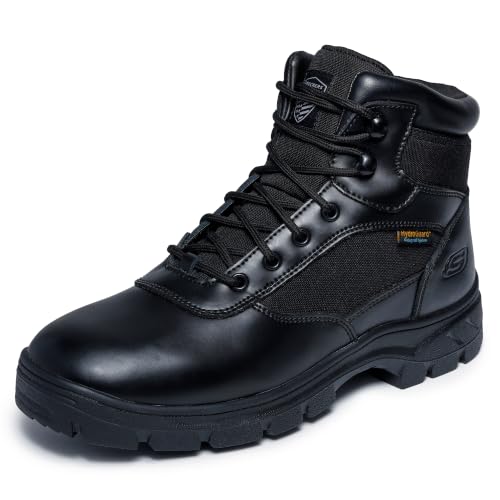


What Your Money Buys at Each Price Band
Price bands in this category buy materials and build quality rather than a different job. Use the product table to compare the bands against your duty pattern, then read the band notes below before spending.
Entry Band: Sound Boots for Garrison Days
Boots at about $50 to $90 cover barracks duty, drill, and moderate training days well. Expect synthetic and leather mix uppers, basic foam midsoles, and soles that handle pavement and packed ground. The trade is lifespan: heavy weekly ruck mileage wears this band down faster, and waterproof membranes are less common here.
Middle Band: Built for Training and Field Rotations
Boots at about $90 to $150 are where many service members land. Uppers move to fuller leather with stronger stitching, midsoles hold their cushion longer under pack weight, and lug patterns grip wet grass and gravel with more confidence. Many pairs in this band add a waterproof membrane option for field rotations.
Top Band: Maximum Support for Daily Hard Use
Boots at about $150 and up buy premium leather, firmer shanks, and soles built to outlast several training cycles. The gain is support that stays honest in month six, not just week one. This band suits wearers who ruck several times a week or whose feet punish softer boots.
How to Choose the Best Black Military Boots: Buying Guide
Six factors decide whether a pair serves you well: fit, upper material, waterproofing, arch support, weight, and traction. A seventh sits above all of them, and that is certification where a duty demands it. Where a role requires a toe class, check the manufacturer's information and your unit's rules, because a rating covers a defined hazard class only.
Fit, Sizing, and Toe Box
Measure both feet late in the day, when they are at their largest, and size to the bigger foot. You want a thumb width of space in front of your longest toe, a heel that stays seated when you march in place, and a toe box that lets your toes lie flat and spread under load. Wear your duty socks for the fitting, because sock thickness changes the volume your foot needs.
Upper Materials and Breathability
Full leather uppers polish to a regulation shine, resist scuffs, and mould to your foot over the first weeks. Leather and nylon panel mixes breathe better in heat and dry faster after creek crossings, but they take polish less evenly. Match the upper to your climate and to how strict your unit is about appearance on parade days.
Waterproofing and Membranes
A waterproof membrane keeps rain and shallow puddles out, and it also holds heat and sweat in. That trade is worth it for cold, wet field work and poor value for hot garrisons, where a drainable, fast drying boot serves better. Remember that a membrane only works below the collar: water that pours over the top stays inside.
Arch Support and Foot Type
Flat feet, neutral arches, and high arches load a boot differently. Flat feet usually want firmer midsole support and a stable heel cup, while high arches often prefer more cushion under the midfoot. If pain, numbness, or repeated blistering shows up in training, ask a clinician rather than guessing at inserts.
Weight and Flexibility
Every extra ounce on your foot costs energy on every step, and the cost multiplies under a pack. Stiffer, heavier boots protect better on rock, rubble, and construction style ground. Read the pair weight, not the single boot weight, when you compare, and be honest about which ground fills most of your month.
Outsole Traction and Terrain
Deep, widely spaced lugs shed mud and bite on loose soil, while shallower patterns with more rubber contact feel steadier on wet concrete and polished floors. A defined heel breast helps on ladders and steep descents. Match the lug pattern to the terrain you actually cross, not the most dramatic terrain you can imagine.
Types of Black Military Boots
The parent category in our guide to best military boots covers all colour and service classes, while the types below stay inside the black uniform classes. Most buyers are really choosing between these four builds.
Garrison and Parade Boots
These boots favour smooth leather, a polishable toe, and a neat profile for inspections and office duty. Comfort is tuned for standing and walking on hard floors rather than rough ground.
Field and Training Boots
Field boots balance leather durability with nylon panels for airflow, plus soles that grip soil and gravel. They are the general purpose class for mixed weeks of range work, training areas, and road marches.
Waterproof Duty Boots
Waterproof builds add a membrane and sealed seams for wet seasons, cold rain, and damp training areas. They run warmer, so they suit autumn and winter rotations better than summer ones.
Hot Weather and Jungle Style Boots
Hot weather boots use mesh panels and drain ports to move water and air through the boot instead of sealing both out. They dry in hours rather than days and weigh noticeably less.
Setup and Care Tips
Break new boots in over short walks before any long march. Lace firmly from the bottom, lock the heel with a runner loop if your boots have one, and retighten after the first mile as the leather settles. Rotate two pairs when duty allows, because a rest day lets the midsole foam recover and the lining dry fully.
- Air dry wet boots at room temperature, away from radiators and direct heat, with the insoles removed.
- Brush off dried mud before polishing, and keep polish thin so the black finish stays even.
- Sock choice is a separate accessory purchase; our guide to best black socks for military boots covers that decision on its own.
- Store boots clean and dry on a shelf with some airflow.
- Replace boots when the heel wears unevenly, the midsole feels flat, or the upper cracks at the flex point.
For options outside the uniform rule, our guide to best black boots covers the wider black boot family across work and casual classes.
FAQs
Do black military boots need to be waterproof for field duty?
Only some field duty calls for waterproof boots, because waterproofing is a climate decision as much as a terrain one. In cold rain and wet grass a membrane keeps feet warmer and drier across a long day. In hot, swampy ground the same membrane traps water that enters over the collar. Many soldiers keep one drainable pair for summer and one membrane pair for winter rather than forcing one boot to do both jobs.
How often should black military boots be replaced?
Replace black military boots when the signs of wear start changing how you walk, not on a fixed calendar. A heel worn down on one side, tread worn smooth at the ball of the foot, or a midsole that no longer springs back all say the support is gone. Heavy ruck weeks shorten that life a lot, while garrison only wear stretches it. A second pair in rotation can add months to both pairs.
Are expensive black military boots worth the money?
Expensive black military boots are worth it when your duty is heavy enough to use what the price buys. Premium leather, firmer shanks, and stronger stitching pay off across daily rucking and rough ground. For light garrison duty the same money mostly buys stiffness you never need. A useful check is your weekly loaded mileage: the higher it climbs, the more the top band earns its price.
How should black military boots fit when they are new?
New black military boots should feel snug at the heel and midfoot with clear space at the toes, and they should not need a painful break in to become wearable. Leather softens and shapes itself, but it does not stretch a full size, so a toe that presses the front when new will keep pressing. Try boots late in the day with duty socks, walk stairs and a slope if the shop allows, and exchange sizes before wearing them outdoors.
Can black military boots be worn comfortably all day?
Yes, black military boots can be worn all day once the fit, socks, and break in are right, because the design brief for the class is long hours on your feet. Standing duty still benefits from shifting weight, short walks, and sitting breaks when the role allows. If your feet ache in the same spot every day, treat that as a fit signal, not a toughness challenge. A clinician can advise whether an insole or a different last shape is the real answer.
Wrapping Up
Start with the uniform check, then fit, then the ground you actually cover, and let price come last. The product table pulls the shortlist together once you know your band. Chosen that way, the best black military boots stop being a guess and become the pair your duty, your feet, and your regulations all agree on.


