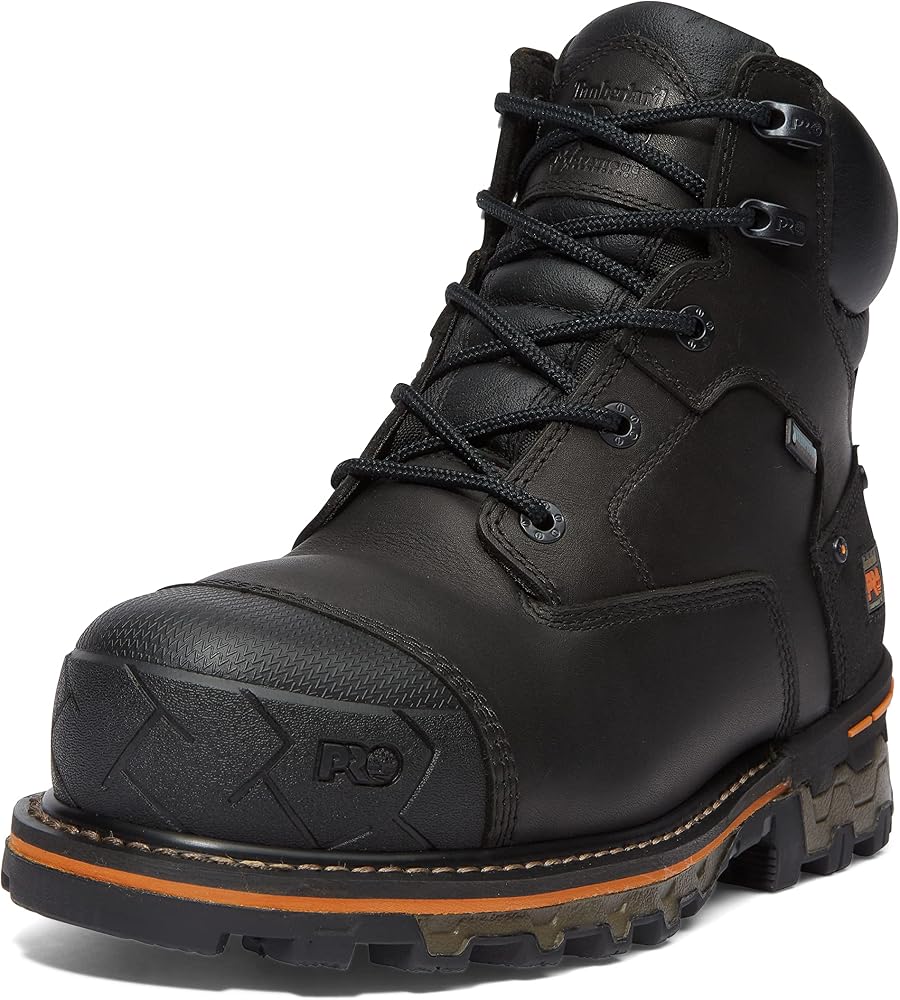
Best Black Tall Boots of 2026: Complete Buying Guide
Disclosure: We may earn a commission when you buy through links on this page, at no extra cost to you. As an Amazon Associate I earn from qualifying purchases. Learn more

The best black tall boots start with calf fit. Learn shaft height, heel choices, materials, and care tips before you buy.
A great pair of tall boots can carry an outfit from office hours to evening plans, but a poor fit ruins the whole effect. The best black tall boots combine a shaft that hugs your calf without squeezing, a toe shape with room to breathe, and leather or synthetic uppers that hold their shape. This guide explains how to judge all three before you spend a dollar.
We will cover what each budget level really buys, the fit checks that matter most for tall shafts, and the care habits that keep black leather looking deep and even. The product table lines up the main options, and the sections after it walk through types, sizing, and upkeep in order. If you end up preferring a shorter shaft, our guide to best black boots covers the ankle height end of the family.


What Your Budget Buys
Tall boots span a wide price range, and the money mostly buys materials and construction rather than a different look.
Entry Level Pairs: About $40 to $90
At this level you get synthetic uppers, glued soles, and a thin lining, which is fine for occasional wear and short outings. The shape can look sharp in photos, but the coating on synthetic leather scuffs faster and the shaft may slouch sooner. Check the zipper action and heel stability when you try them on, since those fail first at this price.
Mid Range Pairs: About $90 to $200
This is where real leather uppers, cushioned insoles, and sturdier hardware become common. Wide calf and narrow calf options also appear here, which solves the fit problem that ends most tall boot searches. For most weekly wearers, this level gives the best balance of looks, comfort, and years of use.
Premium Pairs: About $200 and Up
Premium money buys full grain leather, stitched soles a cobbler can replace, and linings that feel finished rather than glued in. The leather ages gracefully, taking on a soft sheen instead of cracking at the creases. If tall boots are a core part of your wardrobe rather than a seasonal extra, this tier repays the cost across many winters.
How to Choose the Best Black Tall Boots: Buying Guide
Fit at the calf decides more tall boot purchases than any other factor. Work through these six checks and the right pair usually picks itself.
Fit, Sizing, and Toe Box
Measure both feet late in the day, when they are at their largest, and measure your calf at its widest point while standing. Shaft height matters as much as shoe size: a boot that ends right at the widest part of the calf will dig in, so choose a top line below or above that point. Petite shoppers often need shorter shafts, which is why our guide to best tall black boots for petites focuses on proportion. Women comparing lasts cut to sit closer at the heel can also browse best black boots women's. Leave about a thumb width of space in front of your longest toe.
Durability and Expected Lifespan
Stitched soles outlast glued ones because a cobbler can replace the sole when it wears thin, and full grain leather resists scuffs better than coated splits. With regular wear a few times a week, a well made pair usually serves about 2 to 4 years before the upper or heel needs serious attention. Zippers are the weak point on many tall boots, so work them gently and keep the teeth clean.
Break In Period and Comfort Out of the Box
Real leather tall boots soften over roughly the first 1 to 2 weeks of wear, as the shaft molds to your calf and the footbed compresses under your heel. Wear new pairs around the house for short stretches before a full day out. Synthetic uppers change little with wear, so what you feel when you try them on is what you get. Padding at the ankle bone and a cushioned insole matter more than marketing terms, so press the insole with your thumb to judge its density.
Waterproofing and Membranes
A waterproof membrane, such as Gore Tex, keeps rain and slush out while letting some sweat vapor escape, and sealed seams complete the system. You pay for it in warmth and price, and the boot breathes less on mild days. Water resistant leather sheds light rain but soaks through in a downpour or deep slush. If your tall boots are mainly for dry office wear, skip the membrane and put the money toward better leather instead.
Arch Support and Foot Type
Most fashion tall boots ship with flat, thin insoles, which is fine for short wear but tiring on long days. Flat feet do better with a firmer insole that resists rolling inward, while high arches need more cushion under the midfoot. Removable insoles are the flexible option because you can swap in your own supports. If foot pain keeps returning after you have fixed the fit, or you notice numbness or swelling that does not settle, ask your doctor.
Weight and Flexibility
A pair of leather tall boots can weigh noticeably more than ankle boots, and that weight adds up over a long day of walking. Thinner soles and synthetic uppers cut the load but give up some support and durability. The shaft should flex at the ankle when you walk; a board stiff shaft fights every step. Try boots on a hard floor, not carpet, to feel the true weight and flex.
Types of Black Tall Boots
Tall boots split into a few families, each shaped for a different job. Shoppers who want the wider view across every color can start with our guide to best tall boots.
Riding Boots
Riding style boots have a low heel, a rounded toe, and a shaft that reaches just below the knee. They are the everyday classic, pairing with leggings, skinny trousers, and dresses. Look for a small strap or buckle detail at the top and a sole with enough texture for wet sidewalks.
Heeled Dress Boots
Heeled tall boots sharpen an outfit with a pointed or almond toe and a slim shaft. A block heel feels far steadier than a stiletto for commuting, and a heel of about 2 to 3 inches is the practical ceiling for most walkers. Choose a snug calf fit so the shaft does not slouch around your leg.
Combat and Lace Up Boots
Lace up tall boots borrow from military footwear, with thick soles, strong grip, and eyelets that let you fine tune the calf fit. The laces make them the easiest style for wide or athletic calves. They lean casual, so pair them with denim and knits rather than formal wear.
Waterproof Winter Boots
Winter tall boots add insulation, a waterproof build, and deep tread for snow and slush. They are bulkier than fashion styles and often run warm indoors. If your winters are mild, a water resistant riding boot usually covers your needs at half the weight.
Care and Maintenance Tips
- Air dry wet boots away from direct heat, since radiators and hair dryers can crack leather and warp soles.
- Stand shafts upright with boot shapers or rolled towels so the leather does not crease and fold at the ankle.
- Condition leather every few months to replace the oils that rain and indoor heating pull out of it.
- Wipe road salt off the same day, because salt lines stain black leather and dry it out fast.
- Rotate two pairs across the week so each pair gets a full day to dry and recover its shape.
- Replace worn heel caps early; once the heel itself grinds down at an angle, the repair costs far more.
Black Tall Boots: Your Questions Answered
How should black tall boots fit?
Aim for a close calf fit that stays up without cutting circulation, with about two fingers of ease at the top band. A small amount of heel slip is normal in the first wears and fades as the leather molds to your leg. Your toes should never press the front when you walk down stairs or down a slope. If the zipper needs real force to close over your calf, the shaft is too small.
How often should I replace my black tall boots?
Replace them when the wear signs stack up rather than by the calendar alone. The clear signals are cracked or deeply creased uppers, a sole worn smooth where you push off, a heel ground down at an angle, and a zipper that splits or sticks. Resoleable leather pairs can skip replacement for years with one new sole. Synthetic pairs usually end their run when the coating starts to peel, which no repair can reverse.
Are expensive black tall boots worth it?
They can be, if you wear them often enough for cost per wear to work in your favor. A pair at about $240 worn 120 times costs about $2 per wear, while a pair at about $60 worn 20 times costs about $3 per wear and may look tired doing it. The extra money mainly buys resoleable construction and leather that ages gracefully. Occasional wearers who rotate styles for fun get better value from the mid range.
How long is the break in period for black tall boots?
Plan on several short wears spread over about 1 to 2 weeks before a leather pair feels fully yours. Thick socks and indoor walking sessions speed things along without risking blisters on a long day out. Watch for hot spots at the heel and ankle, and pad them early. Pain that stays sharp in one spot usually signals a fit problem, not a break in problem, so do not push through it.
Do I need waterproof black tall boots?
You need them only if your boots regularly face rain, slush, or wet grass. Commuters who walk from a station in all weather benefit most, because one soaking can sideline leather for days. Office to car wear in a mild climate does fine with water resistant leather and a protective spray. Keep in mind that a waterproof membrane also traps more heat, which matters if your feet run warm.
Wrapping Up
Fit at the calf, honest materials, and a sole you can maintain decide whether tall boots earn their place in your closet. Match the style to your real routine, size with your afternoon measurements, and care for the leather from the first wear. Then compare the best black tall boots in the product table and pick the pair your wardrobe has been missing.