
Best Black Rugs of 2026: Complete Buying Guide
Disclosure: We may earn a commission when you buy through links on this page, at no extra cost to you. As an Amazon Associate I earn from qualifying purchases. Learn more

Use this buying guide to choose the best black rugs with the right fiber, pile height, size, and care routine for living rooms, bedrooms, and halls.
A black rug can anchor a room like nothing else, grounding light furniture, hiding a multitude of everyday marks, and making a space feel deliberate. Choosing the best black rugs for your home is mostly about matching fiber, pile, and size to the room, because the wrong combination sheds, fades, or fights your vacuum. This guide walks through those decisions in order.
Start with the comparison table below to see how sizes and materials line up across price tiers, then read on for what each spec means in a real living room, bedroom, or hallway.


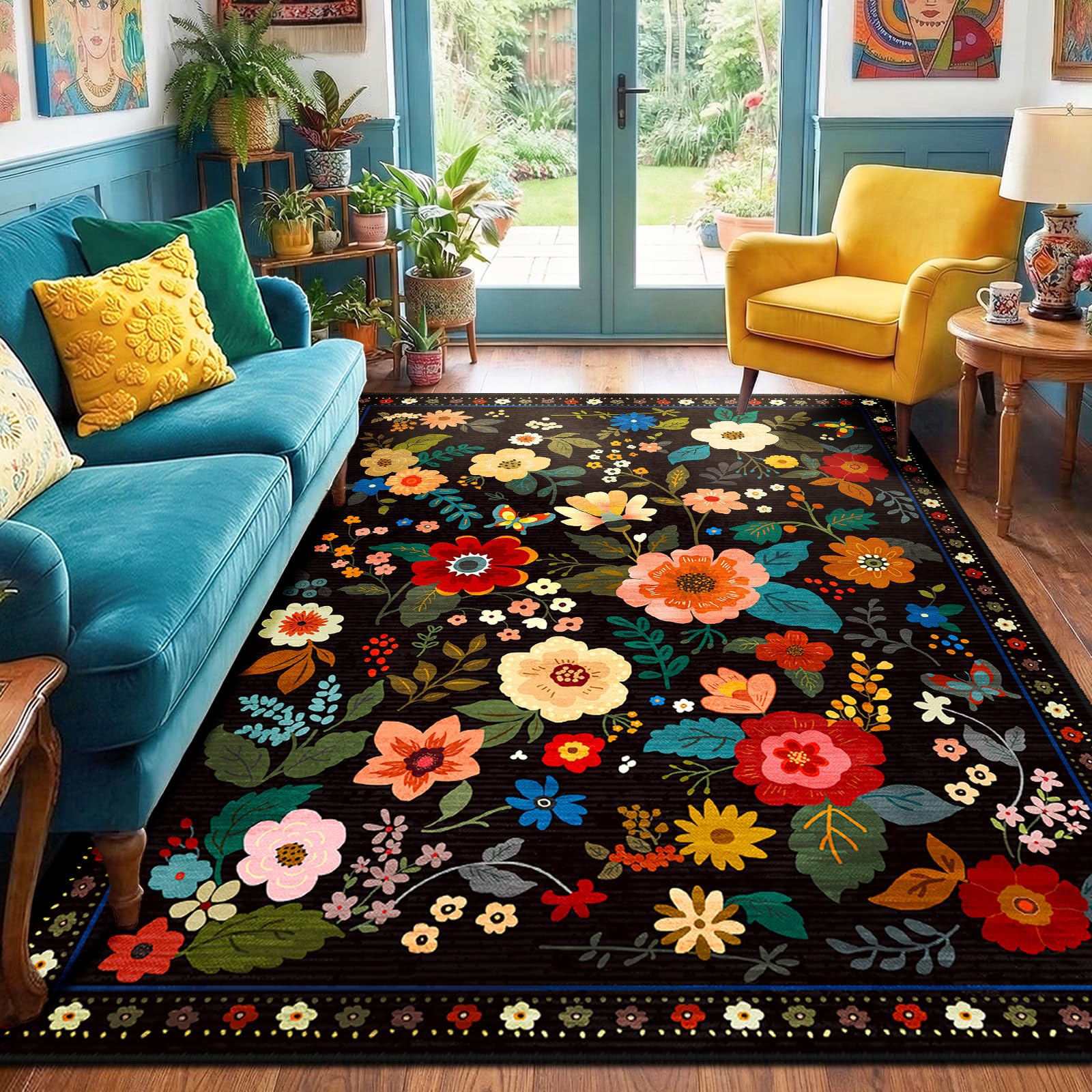
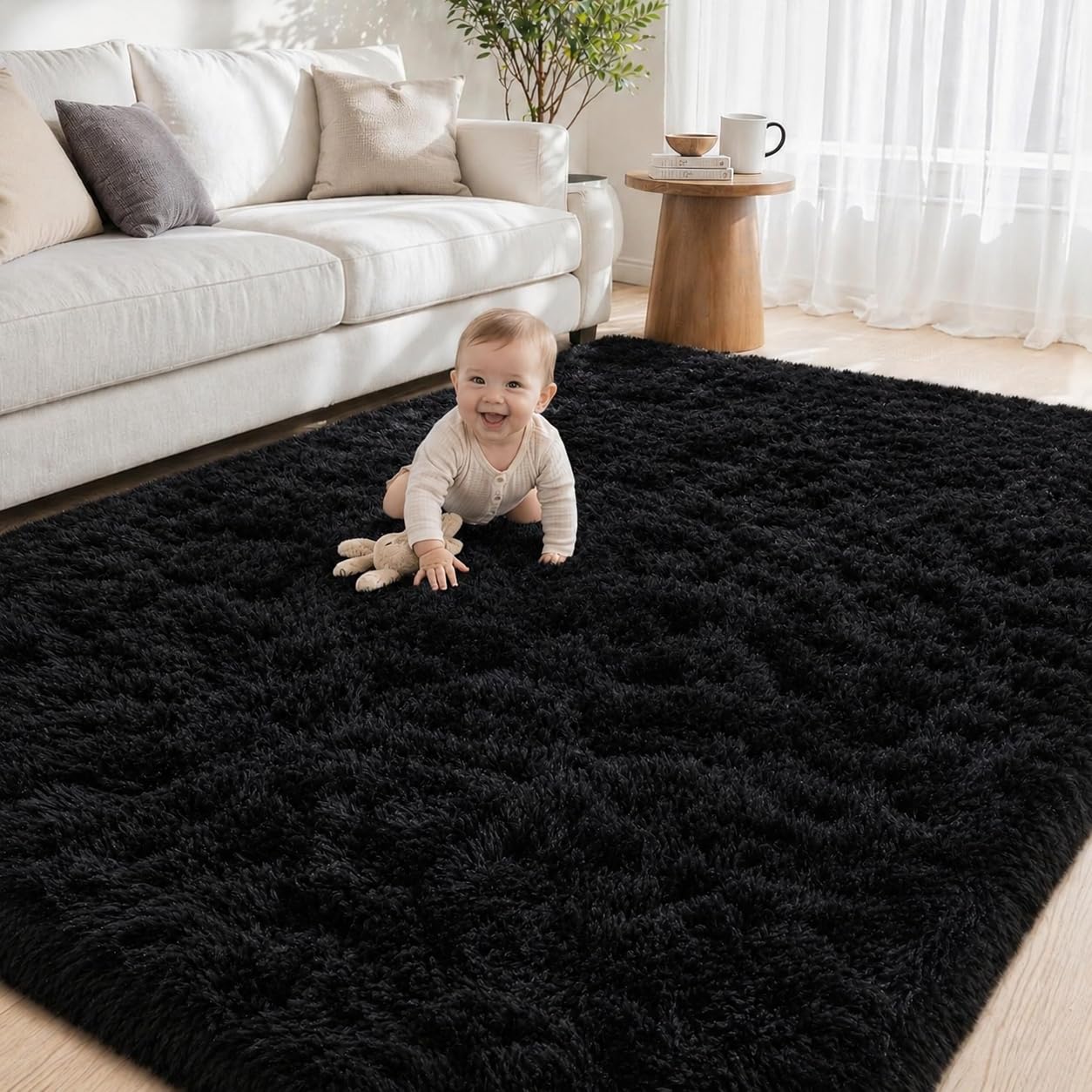
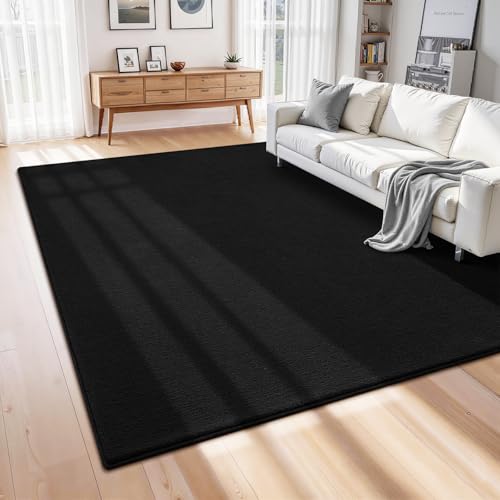


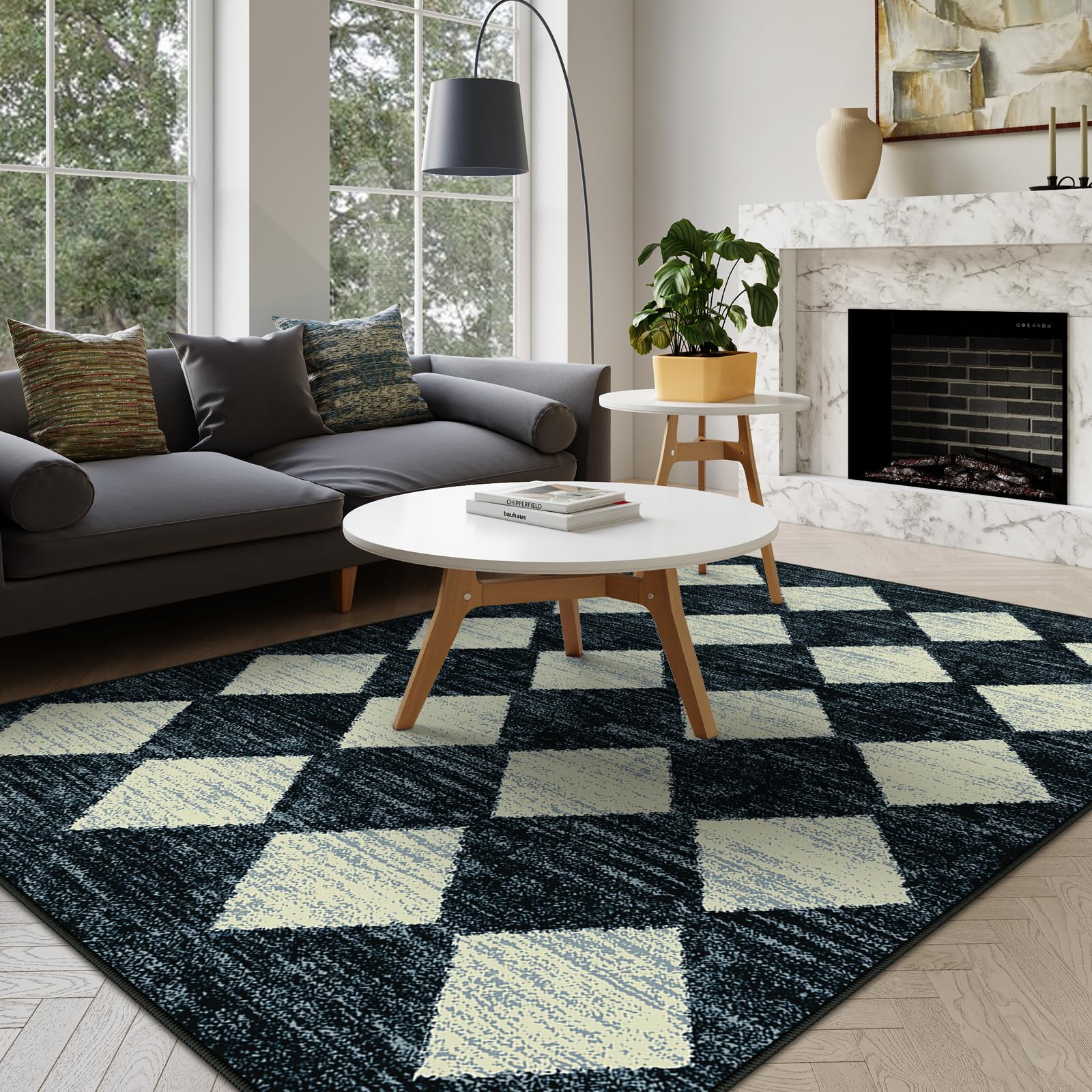

Price Tiers at a Glance
Instead of chasing a single winner, shop by tier. Each tier below describes what your money generally delivers, so you can match the rug to the room and the traffic it will face.
Mid Range Tier
The strongest all around tier sits in the mid range, around $150 to $400 for a living room size, and it buys dense pile, stable backing, and fibers that hold color. Wool and quality nylon dominate here, with tight construction that resists crushing under sofa legs and foot traffic. This tier suits main living spaces where the rug will be seen and used daily. Expect cleaner edges, less shedding after the first weeks, and a surface that vacuums back to looking fresh instead of tired.
Value Tier
Value picks, often around $80 to $180 for a medium rug, usually rely on polypropylene or polyester with a low, dense pile. These rugs shrug off spills, suit homes with kids and pets, and cost little to replace if tastes change. The trade off is a flatter feel underfoot and a sheen that can look less rich in bright light. For renters and first apartments, this tier delivers the black rug look with the least risk and the easiest cleaning routine in the whole category.
Starter Tier
If this is your first rug purchase, start with a low pile, machine washable style in a modest size. Washable rugs remove the fear of the first spill, and low pile slides under doors and works with almost any vacuum. Prices often fall under $120 for smaller sizes, which keeps the experiment cheap. Once you learn how black shows lint in your lighting and traffic, you can invest in a larger, plusher rug with confidence. Beginners should also buy the rug pad at the same time, not as an afterthought.
How to Choose the Best Black Rugs: Buying Guide
Material and Fiber
Fiber decides feel, durability, and cleaning. Wool is resilient, naturally soil hiding, and warm, and it holds deep black dye beautifully, at the highest price. Nylon is the toughest synthetic and resists crushing in hallways. Polypropylene shrugs off water based stains and suits dining areas, while polyester offers softness and vivid color at low cost. Cotton flatweaves are light and washable but slide without a pad. Match fiber to the room: durability where feet pass often, softness where bare feet land first thing in the morning.
Sound Softening and Foot Noise
A rug is also an acoustic tool. Dense, higher pile absorbs footsteps, chair scrapes, and the echo that makes hard floors feel cold and loud. In apartments, a black rug over a quality pad noticeably softens noise for the neighbors below, a benefit thin flatweaves only partly deliver. If noise matters in your home, prioritize pile density and a thick felt pad over a small upgrade in fiber. Bedrooms and home offices gain the most, since quiet is part of their job.
Pile Height and Comfort Underfoot
Pile height is the thickness of the fibers standing up from the backing. Low pile, under about a quarter inch, vacuums easily, fits under doors, and suits dining rooms where chairs slide. Medium pile balances softness and practicality for living rooms. High pile and shag feel luxurious in bedrooms but trap crumbs, challenge robot vacuums, and can show footprints in black more than in lighter colors. Choose by room traffic first and by barefoot pleasure second, and your rug will stay enjoyable instead of becoming a chore.
Size and Fit for the Room
Size mistakes are the most common rug regret. In living rooms, at least the front legs of sofas and chairs should sit on the rug; common sizes run from 5 by 8 feet up to 9 by 12 feet. Bedrooms do best with a rug extending about 2 feet beyond the sides of the bed. Hallway runners should leave a few inches of floor visible on each side. Measure your room and tape the rug size on the floor before ordering, a ten minute step that prevents most returns. For patterned alternatives that use the same sizing rules, see the best black and white rugs guide.
Certifications and Safety Labels
Labels tell you what is in the rug and what it releases into your air. OEKO TEX certification means the finished textile was checked for harmful substances, which matters for rugs where babies crawl and pets nap. Low VOC claims and brands that disclose backing materials are also good signs, since some foam backings carry a strong odor for days. Flame resistance is built into wool naturally, while synthetics melt rather than burn, a detail worth knowing near fireplaces. When in doubt, air a new rug in a ventilated room for a day before placing it.
Shedding, Lint, and Everyday Look
Black is honest: it hides soil and dark spills well, but it shows light lint, pet hair, and dust more than any other color. New wool rugs shed loose fibers for the first few weeks, which is normal and fades with vacuuming. Synthetic low pile sheds least and releases hair more easily. If your household has a light colored pet, expect a quick lint roller pass to become part of your routine, or choose a black rug with subtle pattern or texture that breaks up the contrast. Texture, in general, is the black rug owners best friend.
Durability and Care
Durability comes from density: the more fiber packed per square inch, the slower the rug crushes and wears. Check the warranty, since longer coverage usually tracks with denser construction, and read whether it covers texture loss. Care should match your life: vacuum weekly with suction, blot spills immediately, and plan a deep clean once or twice a year. If low upkeep matters most, study the best quality rugs criteria for construction signs that predict a long service life, and pair any rug with the right vacuum settings described in the best vacuums for rugs guide.
Types of Black Rugs
Wool Rugs
Wool rugs feel warm, spring back after furniture dents, and age gracefully in living rooms and bedrooms. They cost the most and shed early on, and they dislike harsh alkaline cleaners. Choose wool when the rug is a long term anchor piece and your budget allows one good purchase instead of two cheap ones.
Synthetic Rugs
Nylon, polyester, and polypropylene rugs offer stain resistance, low shedding, and friendly prices. Polypropylene handles dining rooms and entryways where spills and grit rule, while polyester brings softness to bedrooms. Synthetics can flatten in very high traffic and may hold a slight sheen, but for busy households they are the practical default.
Cotton and Flatweave Rugs
Flatweaves lie thin and light, with a casual, woven look that suits kitchens, layering over larger rugs, and warm climates. Many are machine washable, which parents love. They offer little cushioning or sound absorption on their own, so pair them with a pad. On stairs, a secured flatweave runner is a classic solution, and the best rugs for stairs guide covers safe installation in detail.
Natural Fiber Rugs
Jute and sisal bring texture and a firm, no nonsense surface, usually in natural tones but also dyed black for a striking matte look. They handle dry, high traffic areas well and hide grit between vacuums. They stain from water and feel rough on knees, so keep them out of dining spots and play areas where softness matters.
Tips to Get the Most From Your Black Rug
- Always use a rug pad: it stops sliding, adds cushion, protects the floor finish, and extends the rugs life by reducing friction against the backing.
- Rotate the rug twice a year: turning it evens out sunlight fading and traffic wear, which keeps the black tone uniform across the surface.
- Vacuum with suction only on delicate pile: a spinning brush set too low can fuzz wool and pull fibers, so raise the head or switch the brush off for shag.
- Blot spills, never rub: rubbing drives liquid deeper and frays fibers; blot with a clean cloth, then rinse with a small amount of cool water.
- Keep a lint roller by the door: ten seconds of rolling makes a black rug look freshly cleaned, especially before guests arrive.
- Air it out seasonally: a few hours outdoors on a dry day freshens fibers and helps any lingering new rug odor dissipate.
Frequently Asked Questions
How do I wash black rugs safely?
Check the care label first, because wool, synthetic, and washable rugs each need different handling. For most, vacuum well, treat spots with a mild detergent solution, and avoid bleach or hot water, which can strip black dye and leave gray patches. Small washable rugs go in the machine on a gentle cold cycle. Dry flat or on low heat, and test any cleaner on a hidden corner before treating a visible spot.
Does a black rug show pet hair and lint?
Yes, light hair and lint show on black more than on mid tone rugs, and this surprises many buyers. The fix is texture and routine: a rug with a subtle pattern, a heathered yarn, or a slightly varied pile hides contrast far better than a flat solid black. A weekly vacuum plus a quick lint roller pass keeps solid black looking sharp. Dark haired pets, of course, disappear against it completely.
How often should I replace my black rug?
Replace a rug when the pile stays crushed after cleaning, the backing cracks or sheds grit, or the color has faded unevenly beyond what rotation can fix. In busy living rooms that point often arrives around five to eight years for quality rugs and sooner for budget ones. Bedroom rugs last longer. A rug that still lies flat and cleans up well does not need replacing just because it has some years on it.
What pile height is best for a living room?
Medium pile, roughly a quarter to a half inch, is the living room sweet spot for most homes. It feels welcoming underfoot, still lets furniture sit steadily, and vacuums without a fight. Homes with toddlers often prefer the softer end of that range for play on the floor, while homes with wheelchairs or walkers should choose low pile for easy rolling. Measure your door clearance before choosing anything plusher.
Are black rugs a good choice for homes with pets?
They can be an excellent choice, with the right fiber and pile. Choose low pile synthetics, which release hair easily and resist stains from accidents, and skip delicate high pile wool where claws and messes are daily events. Dark fur blends in, light fur shows, so your pets coloring matters. A washable black rug in the main pet zone is the most forgiving setup of all, since the whole rug can go in the machine after a bad day.
Wrapping Up
Choose fiber for the rooms traffic, pile height for its daily tasks, and a size that tucks under at least the front legs of your furniture, and most black rug regrets disappear. Add a pad, rotate twice a year, and keep a lint roller handy. Check your finalists in the product table above, and pick the best black rugs option that fits how your household actually lives.


