
Best Blue Rugs in 2026: Which Type Is Right for You?
Disclosure: We may earn a commission when you buy through links on this page, at no extra cost to you. As an Amazon Associate I earn from qualifying purchases. Learn more

Compare blue rug types by material, pile, and care needs so you can choose the best blue rugs for your room, budget, and daily traffic level.
Blue rugs come in so many materials, pile heights, and shades that two rugs with the same photo online can feel completely different underfoot. This guide compares the main types side by side so you can choose the best blue rugs for your room instead of guessing from a color swatch. You will learn how each type handles foot traffic, pets, spills, and cleaning, what each one usually costs, and which rooms suit it best. Start with the comparison table below, then narrow your choice by material and size.
Shade matters as much as construction. A deep navy hides dirt and grounds a bright room, a soft dusty blue calms a bedroom, and a patterned blue can tie a sofa, curtains, and art together without any single piece matching exactly.

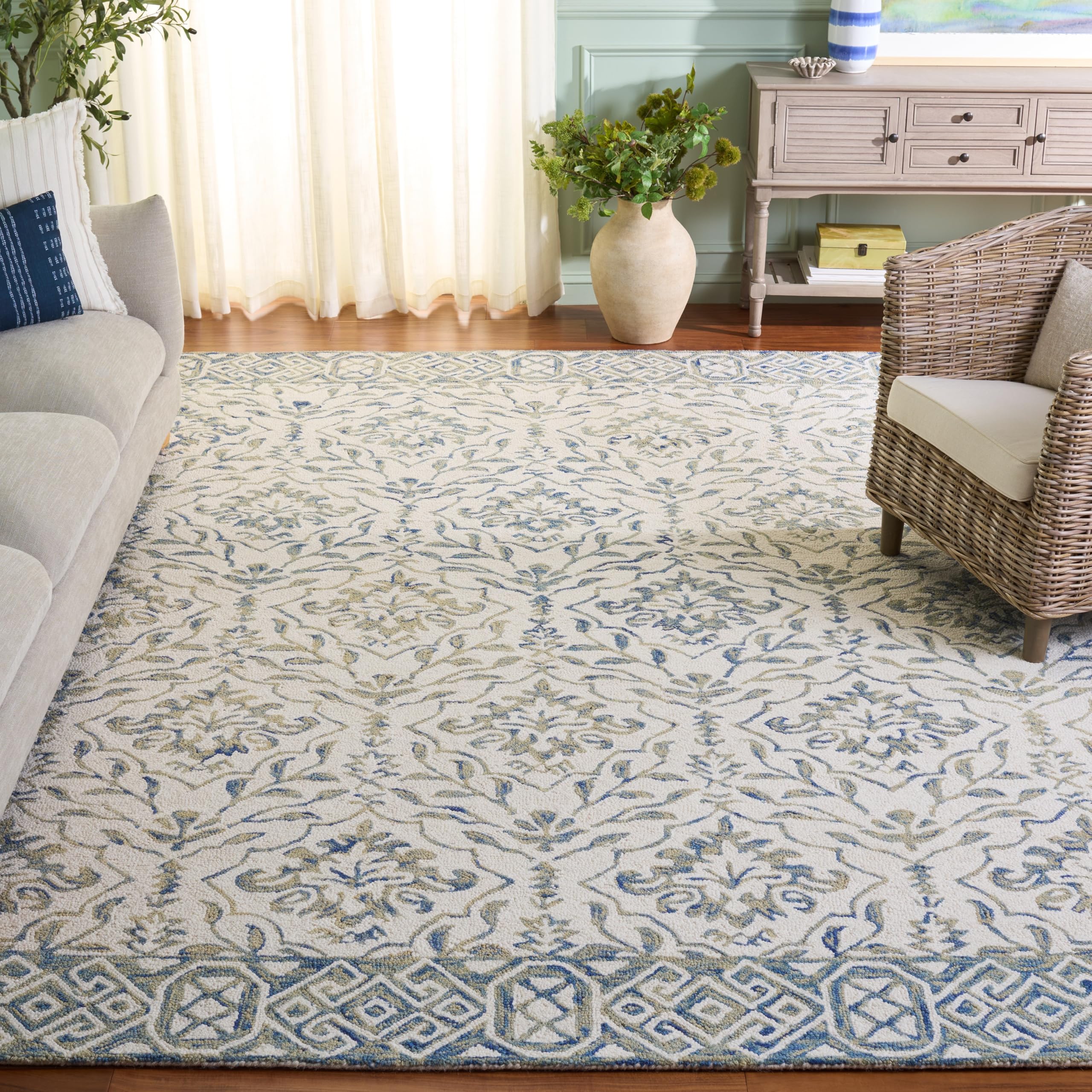


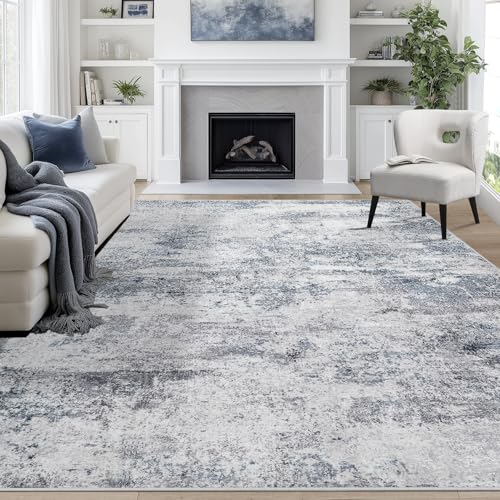
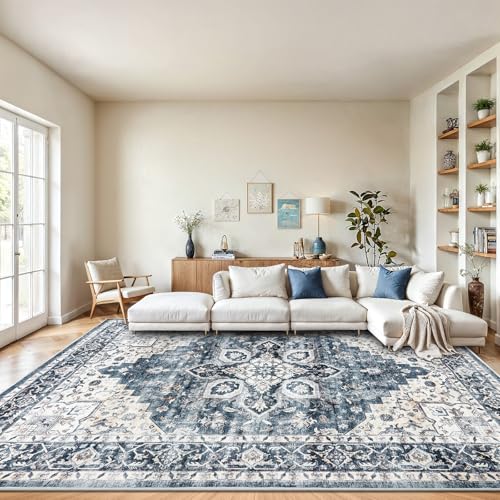

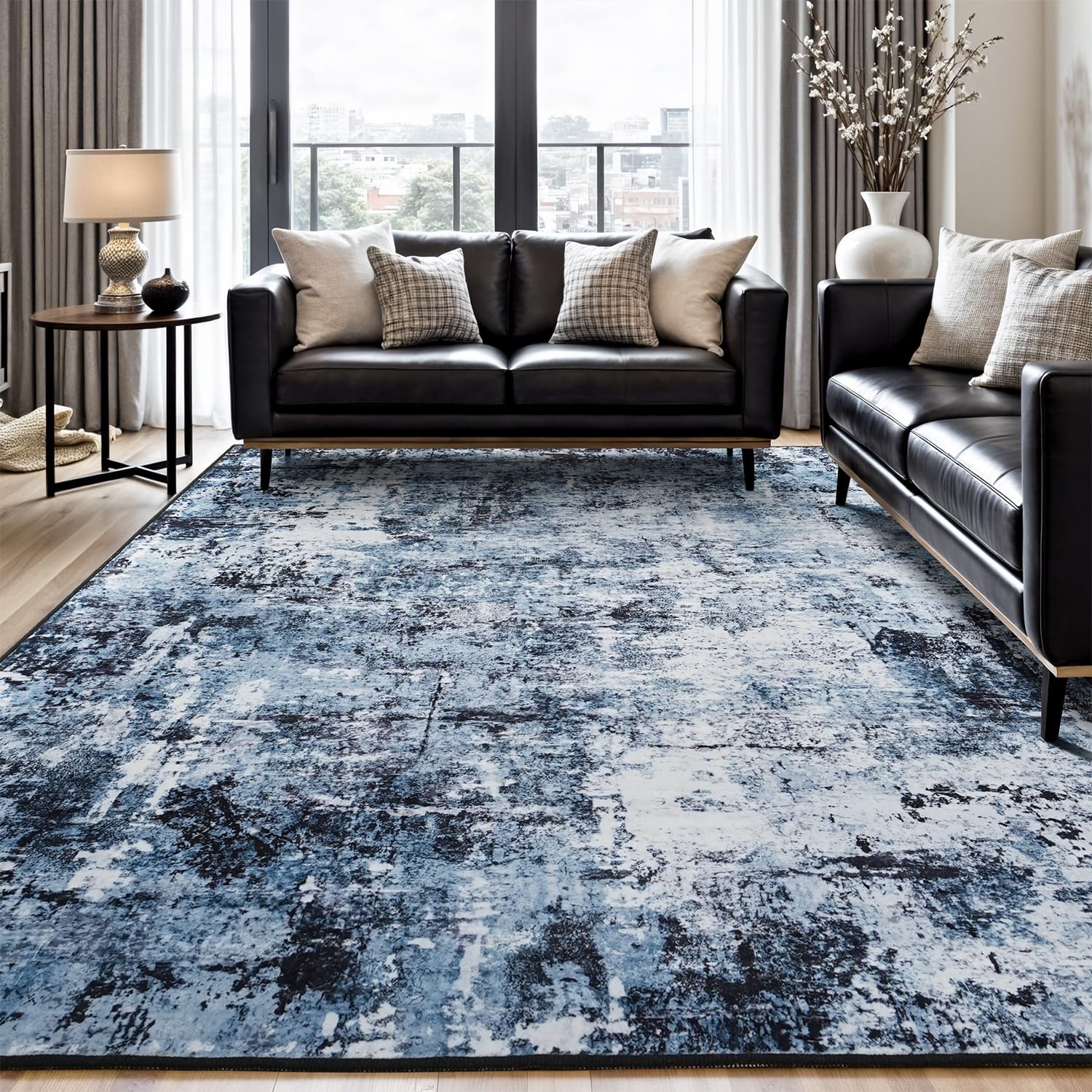
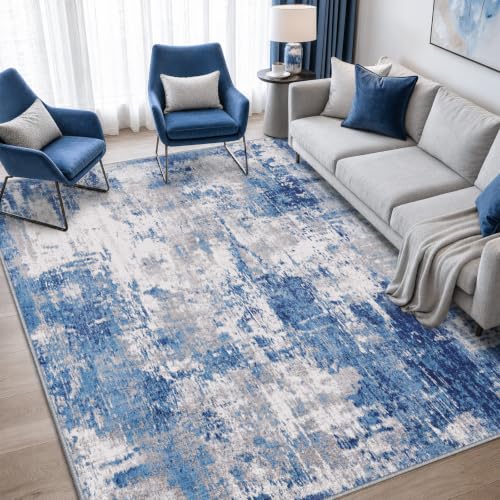
Types of Blue Rugs Compared
Think of rug types as a balance of softness, durability, and upkeep. Flat and low pile rugs clean easily and suit busy paths through the home. Plush and high pile rugs feel luxurious but ask more of your vacuum and your patience. Natural fibers bring texture and warmth, while synthetic fibers bring stain resistance and lower prices. The four types below cover most listings you will see.
Flatweave Rugs
Flatweave rugs have no pile at all, so they sit thin and firm underfoot. Woven from cotton, wool, jute blends, or synthetic yarn, they slide easily under doors and dining chairs, which makes them a smart pick for eating areas and entryways. They resist trapping crumbs and pet hair, and many can be shaken out or spot cleaned in minutes. The trade off is comfort and warmth, because a flatweave adds little cushion on a hard floor. Add a good rug pad beneath one and the feel improves a lot while the rug stays in place. Prices often run from about $40 to $200 depending on size and fiber.
Low Pile Synthetic Rugs
Low pile synthetic rugs, usually polyester or polypropylene, are the workhorse choice for families. The short, dense surface resists stains, shrugs off muddy shoes, and vacuums clean without the brush fighting the fibers. Many modern versions copy vintage or Persian style patterns in blue, so you get a rich look at a modest price, often about $60 to $300 for common room sizes. They feel less luxurious than wool and can flatten in the heaviest traffic lanes after a few years. For a living room that hosts kids, dogs, and movie night snacks, this type usually gives the best value per year of use.
Wool Rugs
Wool is the classic rug fiber, and it earns that status. It feels warm and springy, resists crushing, sheds dirt at the surface rather than grinding it in, and can look good for a decade or more with basic care. A blue wool rug carries color with depth that synthetic dyes rarely match, and it suits living rooms and bedrooms where comfort matters most. Wool costs more, often about $200 to $800 or higher for large sizes, and it sheds loose fibers for the first few months. It also needs gentler cleaning, since harsh chemicals and soaking can damage the fibers. Choose wool when you plan to keep the rug for years in one place.
Shag and High Pile Rugs
Shag rugs have long, loose fibers that feel soft and cozy, which makes them loved in bedrooms and reading corners where bare feet land first thing in the morning. A pale blue shag can make a small room feel calm and airy. The downsides are real, though. Crumbs and pet hair vanish into the pile, vacuuming takes effort and a suction only setting, and dining chairs or doors can drag on the surface. Prices range widely, about $70 to $400, based on fiber and density. Keep shag out of entryways and under tables, and it will reward you with comfort where it counts.
Flatweave vs Low Pile Synthetic: Which Should You Choose?
These two types compete for the same busy rooms, so compare them on five points. For cleaning, both win over plush rugs, but synthetics resist liquid stains better while flatweaves shake out faster. For comfort, a low pile synthetic with a pad feels softer than a flatweave. For doors and chairs, flatweave wins, since nothing catches. For pattern sharpness, printed synthetics show crisp detail, while woven flatweaves have a more rustic, textured look. For price, both are affordable, with synthetics often cheaper at large sizes. If you are furnishing a seating area built around a blue sofa, our guide to the best rugs for blue couch shows how rug shade and sofa shade work together.
How to Choose the Right Blue Rug
Certifications and Fiber Safety
Labels help you judge what a rug brings into your home. OEKO TEX certification means the finished textile was tested for harmful substances, which matters for a rug where babies crawl and pets nap. For wool, look for clear fiber content rather than vague blends. Any rug can carry an odor for a day or two after unrolling, so air it in a ventilated room before use. If anyone at home has asthma or strong allergies, favor low pile or flatweave styles that release dust easily when vacuumed, and ask a clinician about personal sensitivities if symptoms persist.
Color, Pattern, and Room Light
Blue changes with light more than most colors. A rug that looks bright navy in a store photo may read almost black in a north facing room, or washed out under strong sun. Order a small sample or the smallest size first when you can, and view it morning and evening. Busy patterns hide crumbs, paw prints, and fading, while solid blues show every speck but look calm and formal. In a large open space, an area rug in a deeper blue can define the seating zone. Our guide to the best blue area rugs focuses on those larger sizes and layouts.
Durability and Care
Match care demands to your real routine, not your ideal one. If you vacuum weekly and blot spills fast, almost any type will serve you well. If cleaning happens when you get around to it, choose a stain resistant synthetic with a pattern. Check whether a rug is machine washable, because that feature helps small sizes but rarely applies to room size rugs. A rug pad extends life for every type by reducing friction against the floor. For general quality signals across materials, see our guide to the best quality rugs.
Size and Fit
Measure before you fall for a color. In a living room, the front legs of sofas and chairs should rest on the rug, which usually means at least an 8 by 10 foot size for a standard seating group. In a dining room, the rug should extend about 24 inches beyond the table on all sides so chairs stay on it when pulled out. In a bedroom, place a large rug under the lower two thirds of the bed, or use runners on each side. Leave 8 to 18 inches of bare floor around the edges in most rooms so the space breathes.
Material and Pile Height
Material and pile work together. Wool with a low to medium pile gives the best mix of comfort and lifespan. Polypropylene with a low pile gives the easiest cleaning and the lowest cost. Cotton flatweaves feel casual and suit warm climates, while jute blends add texture but dislike soaking. Pile height above about half an inch starts to limit doors and chairs, so save tall pile for bedrooms and quiet corners. Whatever you choose, plan the pad at the same time, because a pad changes feel, safety, and wear all at once.
Tips to Get the Most From Your Blue Rug
Rotate your rug 180 degrees every 6 months or so, which evens out sun fading and traffic wear, a real concern for blue dyes that can fade unevenly. Vacuum weekly in busy rooms, using suction without a spinning brush on shag and wool loops. Blot spills from the edge inward with a clean cloth, and test any cleaner on a hidden corner first. The right vacuum settings matter, and our guide to the best vacuums for rugs explains which types clean deep pile without damage. Keep a small bottle of plain club soda or a fiber safe spot cleaner nearby so spills get treated in minutes, not days.
Frequently Asked Questions
What shade of blue rug hides dirt best?
A mid tone to deep blue with a pattern hides dirt best, because soil shows most on very pale and very dark solid colors. Navy with a faded vintage pattern is especially forgiving in entry and living areas. Solid pale blue looks fresh in a low traffic bedroom but will show shoe marks quickly. If your household has pets, sample the rug against a bit of pet hair at home before committing to a full size.
Are washable blue rugs worth it?
For small rugs in kitchens, baths, and mudrooms, yes, washable rugs save real effort and stay fresher. For large living room sizes, the washable label matters less, because most home machines cannot handle an 8 by 10 rug and the backing can suffer with repeated washing. In big rooms, a stain resistant fiber and a good pad give you more practical value than a washable claim you will rarely use.
How do I wash blue rugs safely?
Vacuum first, then follow the care label for your fiber, since wool, cotton, and synthetics differ. For spot cleaning, blot with cool water and a small amount of mild detergent, rinse by blotting with plain water, and dry flat with air flow. Test colorfastness in a corner, because some blue dyes bleed when soaked. Never use hot water or strong bleach products on colored rugs, and let the rug dry fully before replacing furniture.
How often should I replace my blue rug?
A quality wool rug can last 10 years or more, a good synthetic about 5 to 7 years in a busy room, and a thin flatweave about 3 to 5 years in heavy traffic. Replace a rug when the pile stays flat after cleaning, the backing cracks or sheds grit, or odors return soon after washing. In quiet bedrooms, even modest rugs last far longer, so judge by condition in the traffic lanes rather than by age alone.
Is a higher pile always better?
No, higher pile only means softer, not better. Tall pile traps more dirt, limits where you can place the rug, and wears faster in walkways. Low pile rugs handle chairs, doors, and daily vacuuming with ease and tend to cost less. Choose pile by room job first. Save the tall, plush feel for places where you sit or step barefoot, and keep workhorse areas low and dense.
The Bottom Line
Decide by room job, fiber, and size, in that order. Busy family spaces favor low pile synthetics, long term living rooms reward wool, and bedrooms are where plush blue earns its upkeep. Use the product table above to compare pile height, material, and size in one view before you order. Chosen that way, the best blue rugs do more than add color. They quiet the room, warm the floor, and pull your furniture into one place that feels finished.


