
Best Blue Area Rugs for Every Need: How to Pick the Right One for 2026
Disclosure: We may earn a commission when you buy through links on this page, at no extra cost to you. As an Amazon Associate I earn from qualifying purchases. Learn more

Match the best blue area rugs to your room and routine with guidance on size, fiber, pile height, backing, care needs, and color that lasts.
There is no single rug that suits a busy hallway, a quiet bedroom, and a dining room equally well. The right choice among best blue area rugs depends on foot traffic, furniture, light, and how much cleaning you will honestly do. This guide sorts those needs first, then explains the features that serve each one.
The comparison table below lists sizes, fibers, and care details side by side. Read it after you know your room measurements and your main use, and the differences between listings will be much easier to judge.

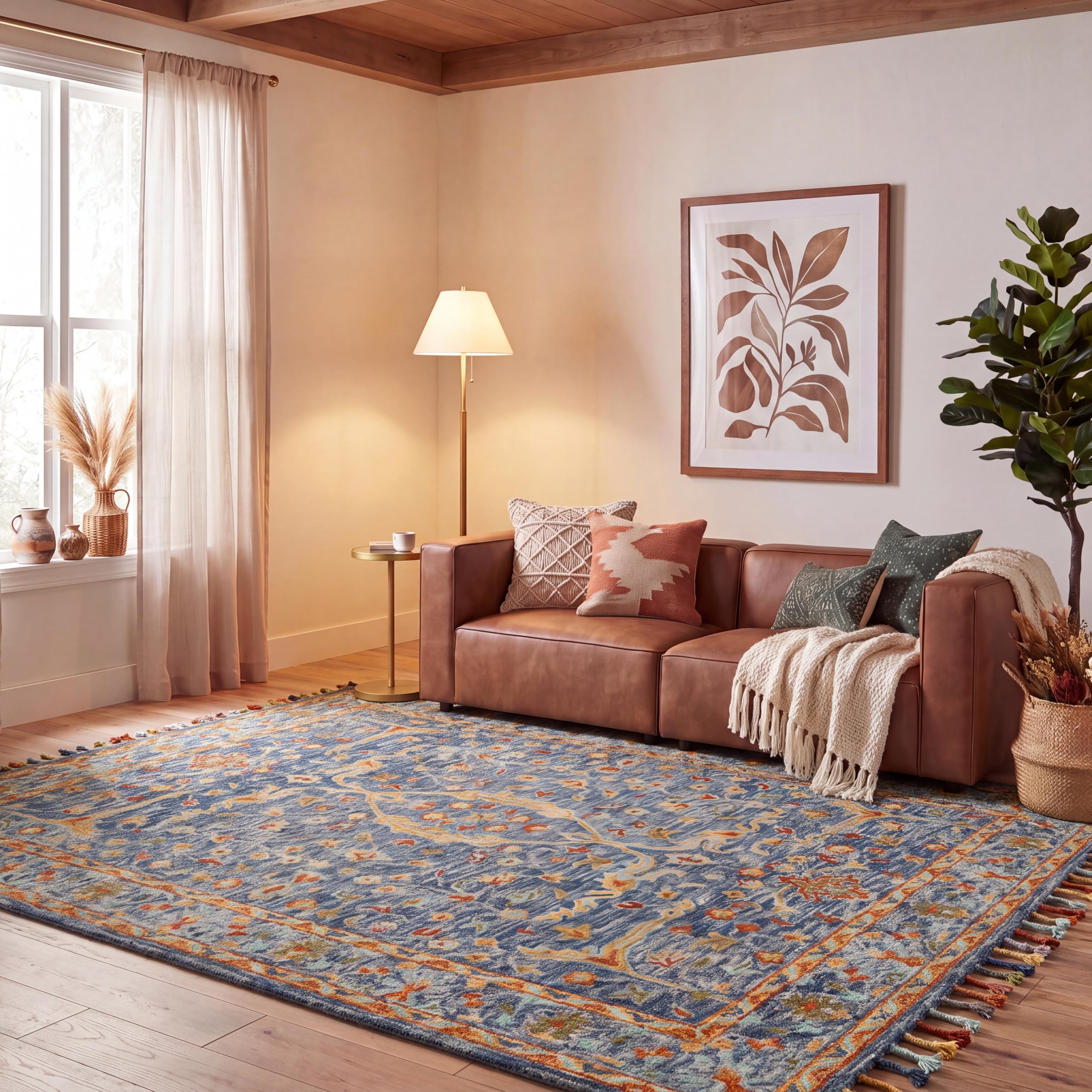

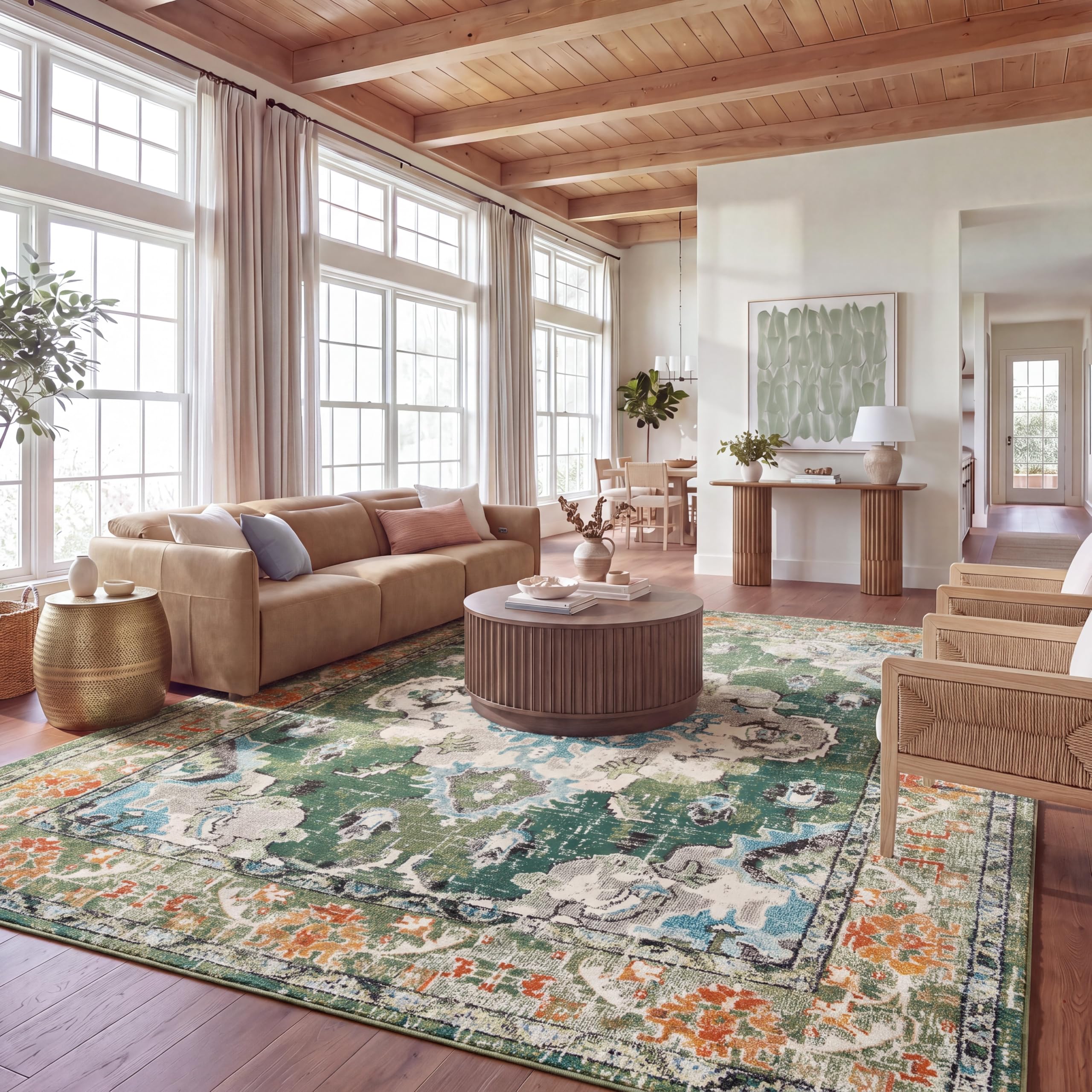

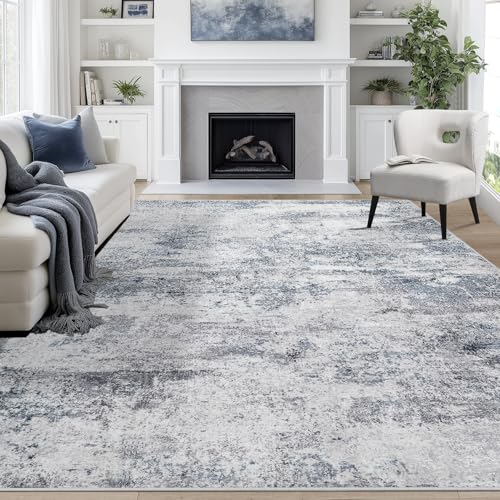
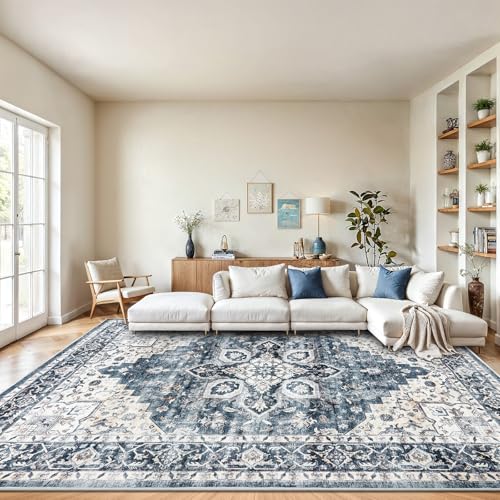

Who Should Buy Which Blue Area Rugs?
For Value Seekers
Value seekers should look for synthetic fibers such as polypropylene, which resist stains and fading at a modest price. A medium pile hides everyday dirt between cleanings and stands up to chairs and foot traffic. Expect to spend around $80 to $200 for a large living room size in this group. You give up the softness and depth of wool, but you gain easy care and a rug you will not worry about when guests spill drinks. Measure carefully, because returning a large rug is a chore.
For People Who Want the Best Performance
If performance means rich color that holds up and a surface that feels substantial underfoot, wool is the fiber to prioritize. Wool resists crushing, sheds soil well, and gives blue dyes a depth that flat synthetic color rarely matches. Pair it with a quality rug pad to prevent slipping and to extend its life. This group costs more, often around $250 to $600 for a large size, but a good wool rug can serve for a decade. Choose a tighter weave if you have pets whose claws might pull loops.
For First Time Buyers
First time buyers should keep the decision simple. Pick a versatile mid tone blue that hides lint and fits both light and dark furniture, choose a low to medium pile that doors can clear, and buy the standard size that matches your seating layout. Avoid very pale blue if the room gets heavy use, and avoid very dark blue if your floors and pets shed light hair and dust that will show. A forgiving pattern in a washable or stain resistant fiber makes a confident first purchase.
For Gift Shoppers
Rugs are a bold gift, so gift shoppers should favor smaller sizes such as runners and small area rugs that fit many homes. A classic pattern in a medium blue suits more decor styles than a trendy print. Include the return details and, if you can, a rug pad in the right size. Note the fiber and care needs on the card so the recipient knows how to clean it. When in doubt, a gift receipt with a rug you have measured against a common room layout is safer than a large statement piece.
Key Features to Compare
Material and Fiber
Fiber decides softness, stain behavior, and lifespan. Wool feels warm and resilient and handles traffic well, but costs more and needs gentler cleaning. Polypropylene is tough, affordable, and easy to clean, making it a strong choice for dining rooms and entryways. Polyester gives vivid blue color and softness at low cost, though it can flatten in heavy traffic. Natural fibers such as jute add texture but absorb spills and suit drier, calmer rooms. Match the fiber to the mess level of the room first.
For a broader view of construction quality across colors, see our guide to the best quality area rugs before you settle on a fiber.
Pile Height and Density
Pile height is how tall the fibers stand. Low pile, under about a quarter inch, lets doors swing, chairs roll, and vacuums glide, so it suits dining rooms and home offices. Medium pile adds comfort in living rooms while still cleaning easily. High pile feels plush in bedrooms but traps crumbs and can dent under furniture. Density matters as much as height. Push your fingers into the rug. If you feel the backing easily, the rug will wear faster than a denser rug of the same height.
Durability and Care
Durability claims mean little without care details you can actually follow. Check whether the rug is washable, spot clean only, or needs professional cleaning, and be honest about which you will do. Washable rugs suit homes with kids and pets, but large sizes need a large machine or a laundromat trip. Look for clear care labels, a stated warranty against defects, and edges that are bound or serged so they do not fray. A rug you can maintain will outlast a finer rug you neglect.
If easy washing is your top need, our guide to the best washable area rugs explains sizes and fabrics that handle machine washing best.
Backing and Slip Resistance
Backing keeps a rug flat, quiet, and safe. Some rugs include a rubber style backing that grips hard floors, while woven rugs need a separate pad. A pad also adds cushion, reduces wear from grit trapped underneath, and protects floor finishes. On stairs and in hallways, grip is a safety issue, not a comfort extra. Tape or a pad rated for your floor type is essential there. Check that any backing is safe for your flooring, because some rubber compounds can discolor vinyl and finished wood over time.
Color Variation and Light
Blue changes with light more than most colors. A navy rug can look almost black in a dim room, while a light blue can look washed out in strong sun. Order a swatch or view the rug in both daylight and evening light if the seller allows it. Pattern helps too. A subtle pattern or a heathered blend hides crumbs, pet hair, and fading far better than a flat solid. Consider your wall and sofa colors together, because blue that clashes with warm wood tones is a common reason for returns.
Shoppers who want blue in a smaller or different format can also see our guide to the best blue rugs for runners and accent sizes.
Common Mistakes to Avoid When Buying Blue Area Rugs
- Buying too small. A rug that floats in the middle of a room looks lost. In a living room, at least the front legs of sofas and chairs should sit on the rug.
- Guessing at size. Measure the room and tape the outline on the floor before ordering. Live with the outline for a day to check door swing and walkways.
- Ignoring pile height at doors. A thick rug under a door will drag, curl, and wear at the edge. Check clearance first.
- Choosing color from a phone screen alone. Screens shift blue tones. Use swatches or generous return terms for large purchases.
- Skipping the pad. Without a pad, rugs creep, bunch, and wear faster, and hard floors can be scratched by grit underneath.
Care and Maintenance Tips
Vacuum on a schedule that matches your traffic, usually once or twice a week, and use suction without a stiff beater bar on delicate or looped rugs. Rotate the rug twice a year so sun and traffic wear it evenly. Blot spills at once with a clean cloth, working from the edge inward, and test any cleaner on a hidden corner first. Lift the rug now and then to vacuum grit from underneath, which acts like sandpaper on both the backing and your floor.
Choosing the right vacuum settings protects pile and backing. Our guide to the best vacuum for area rugs covers suction and brush choices by rug type.
Blue Area Rugs: Your Questions Answered
What size blue area rug should I buy for a living room?
Buy a size that lets at least the front legs of your seating rest on the rug, which anchors the arrangement. For many living rooms that means an 8 by 10 foot rug or larger. Leave a border of bare floor around the edges so the room still feels open. Tape the size on your floor first and walk the main paths. If a doorway or fireplace cuts the space, size to the seating zone rather than the whole room.
How do I wash blue area rugs safely?
Wash only rugs whose label says they are washable, and use cold water on a gentle cycle to protect blue dye. Smaller rugs fit home machines, while large ones need a commercial machine so they can move freely. For non washable rugs, vacuum well, spot clean with a mild solution, and blot rather than scrub to avoid spreading color. Dry flat or hang evenly, because a heavy wet rug can stretch and distort if draped over a narrow rail.
Will a blue area rug fade in sunlight?
Yes, any rug can fade in strong direct sun, and saturated blue shows fading clearly over time. Fibers differ. Wool and solution dyed synthetics tend to hold color better than many printed polyester rugs. Reduce fading by rotating the rug, using window coverings during the brightest hours, and choosing a patterned or heathered design that disguises gradual change. If one side of the room is very sunny, expect to rotate more often and accept gentle, even fading as normal wear.
What pile height is best for a dining room?
Low pile is best for a dining room because chairs slide without catching and crumbs stay on the surface where a vacuum can reach them. A flat weave or a pile under about a quarter inch also lets you pull chairs out without the rug bunching. Choose a stain resistant fiber and a pattern that hides small marks between cleanings. For sizing, the rug should extend about two feet beyond the table on all sides so back chair legs stay on the rug.
For more dining specific sizing and fiber advice, see our guide to the best rugs for dining area before you order.
How often should I replace my blue area rug?
Replace a rug when the pile stays flat after cleaning, edges fray or curl despite a pad, or backing cracks and sheds grit. In a busy hallway that may be three to five years for a value synthetic rug. A quality wool rug in a bedroom can last well over ten years. Odors that survive a deep clean are another clear sign. Judge by condition and use, not by age alone, and photograph wear if a warranty claim might apply.
Wrapping Up
Decide by room first: measure the space, match fiber and pile to traffic and mess, then choose the shade of blue in your own light. Those three steps prevent most returns. Use the product table above to compare sizes and care labels against your checklist, and add a proper pad to the order. Done that way, the best blue area rugs settle a room, soften noise, and stay good looking for years.


