
Best Black Knee High Boots: A First Time Buyer's Guide for 2026
Disclosure: We may earn a commission when you buy through links on this page, at no extra cost to you. As an Amazon Associate I earn from qualifying purchases. Learn more

First time buyer? Our best black knee high boots guide explains calf fit, materials, traction, and care in plain English.
Shopping for best black knee high boots for the first time can feel confusing, because the same tall black boot can fit very differently from one maker to the next. This guide walks you through the basics in plain language, so you can compare pairs with confidence and skip the guesswork. The product table gives you a quick side by side view before you read the details.
A good pair should feel steady underfoot, sit comfortably around your calf, and suit the places you will actually walk. Height, shaft width, sole grip, and cushioning all matter more than a fancy label. Read on to learn what each spec means, which mistakes new buyers often make, and how to break in a new pair without sore feet.
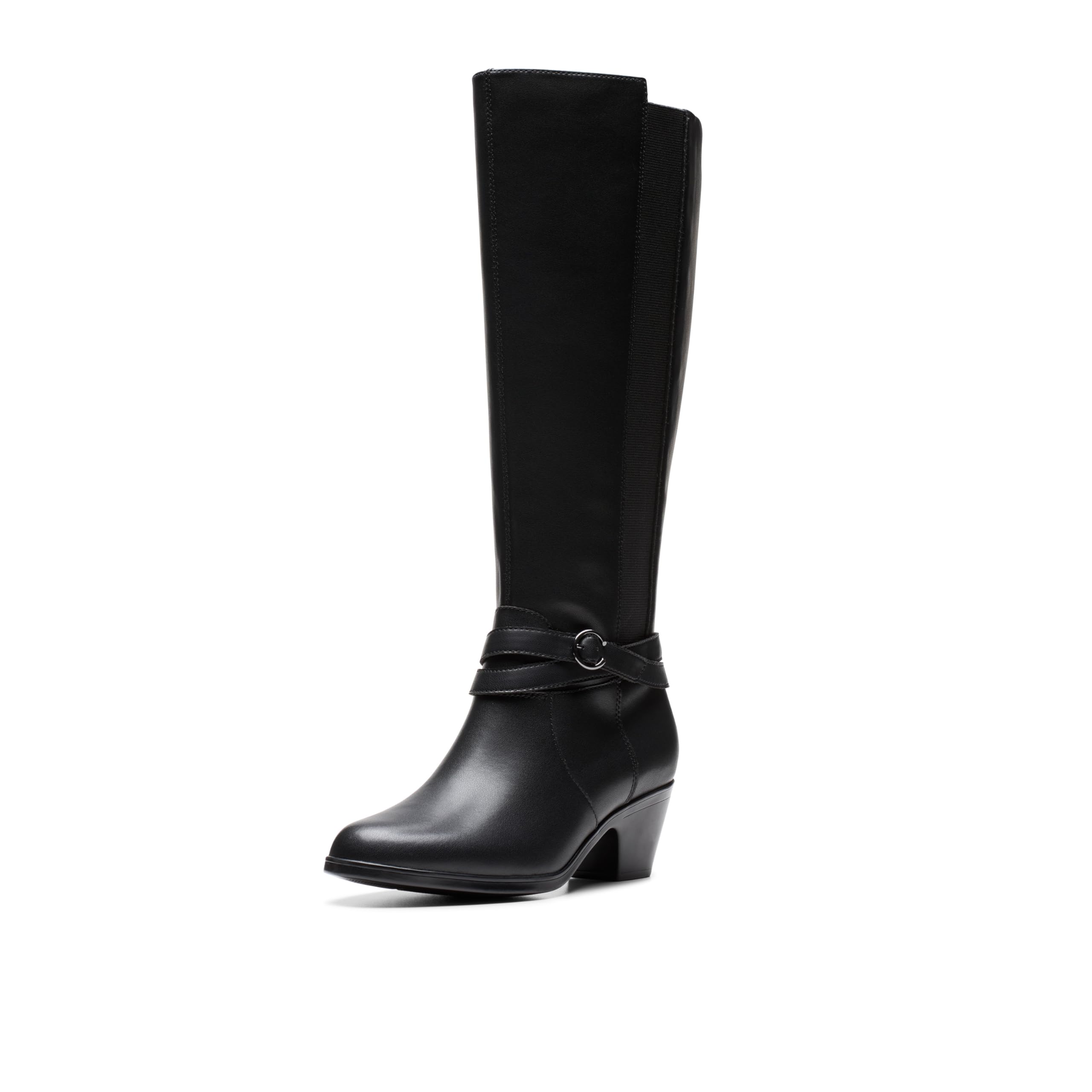
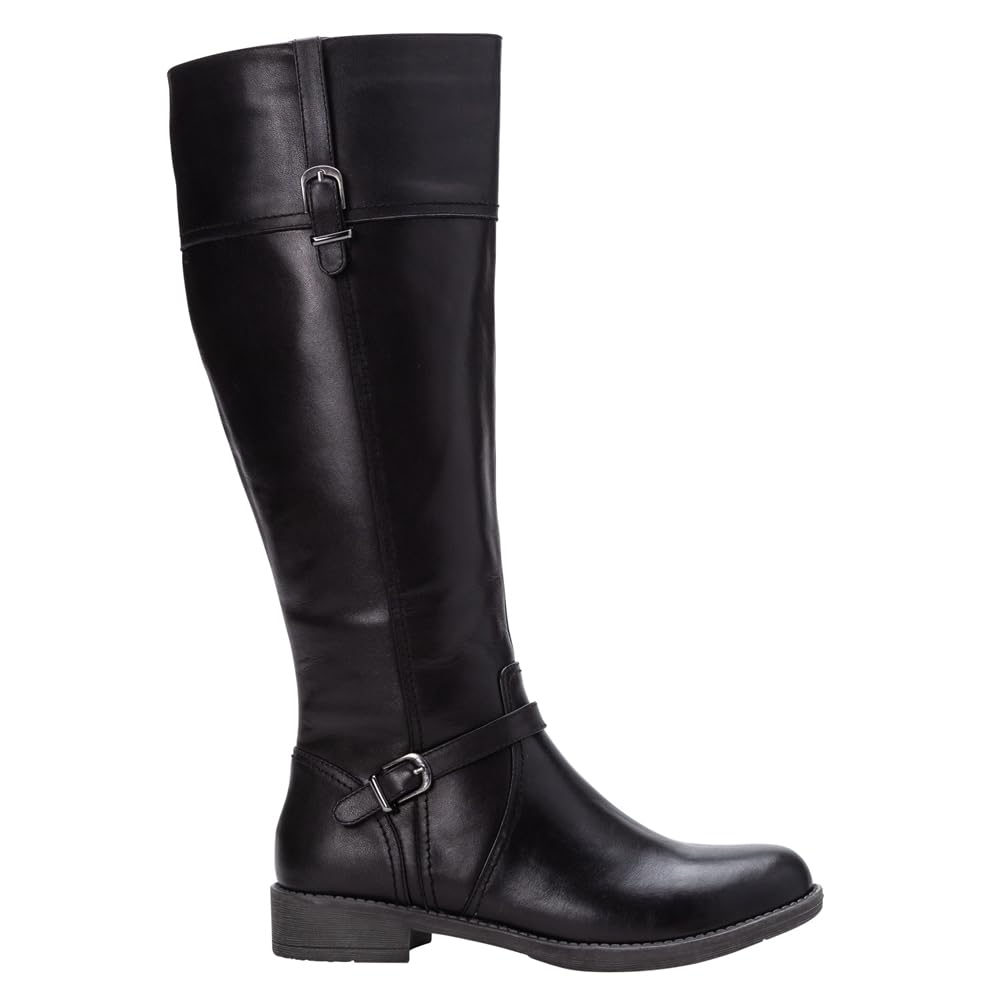
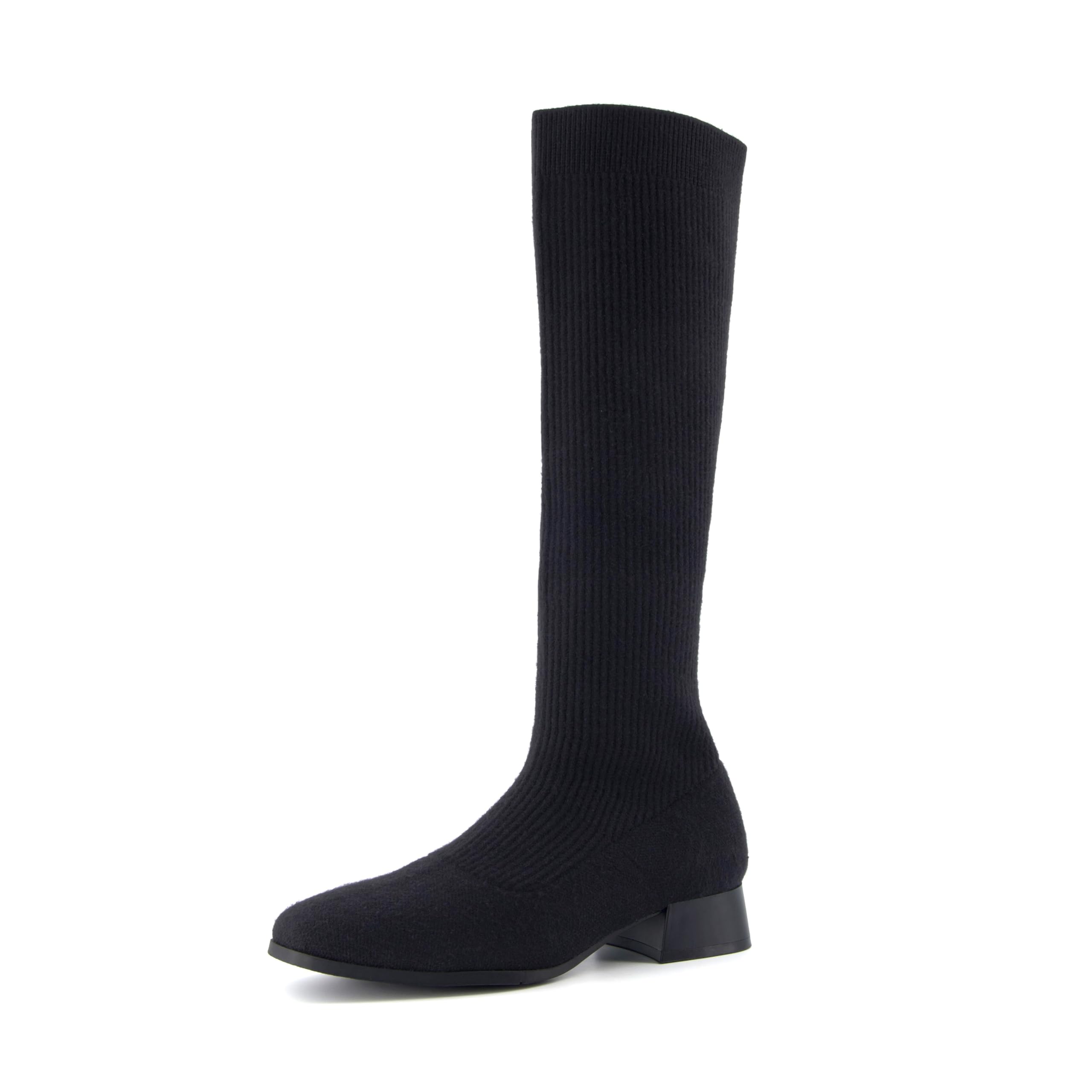
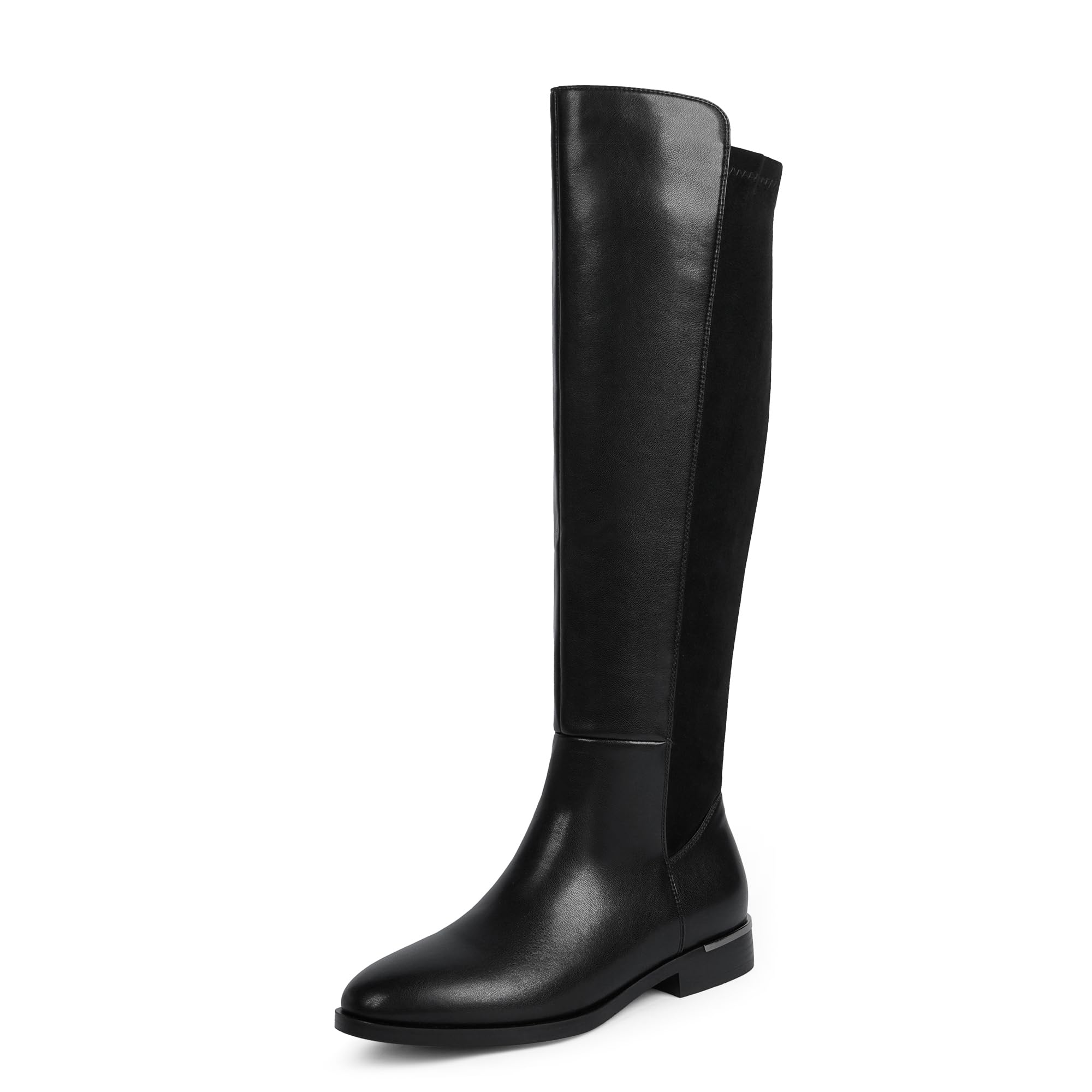
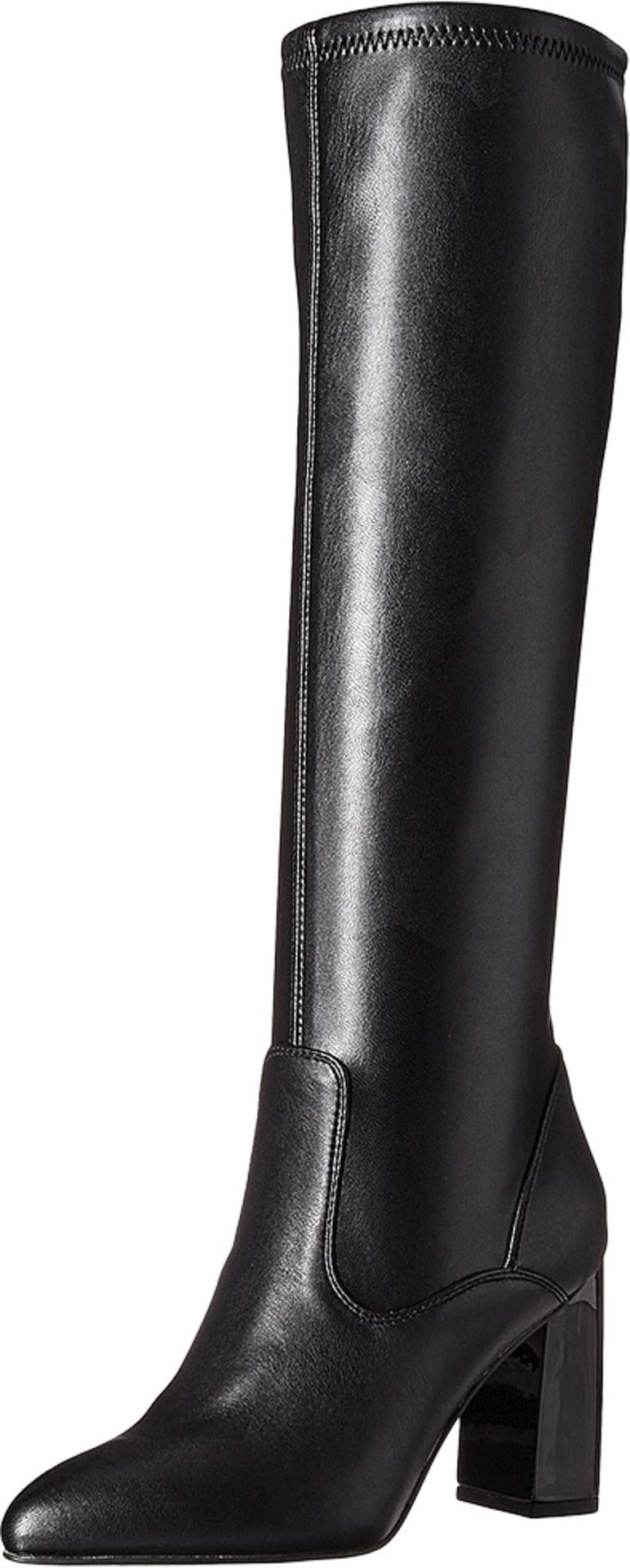
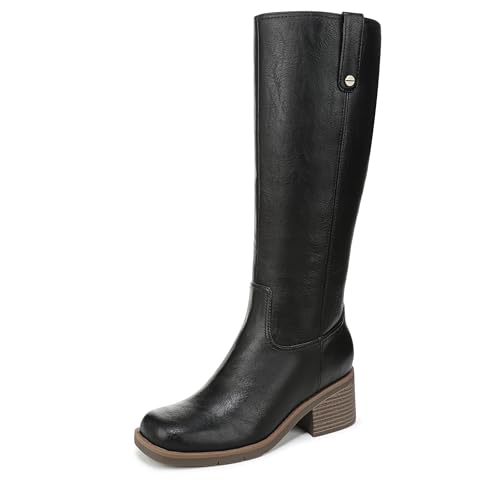


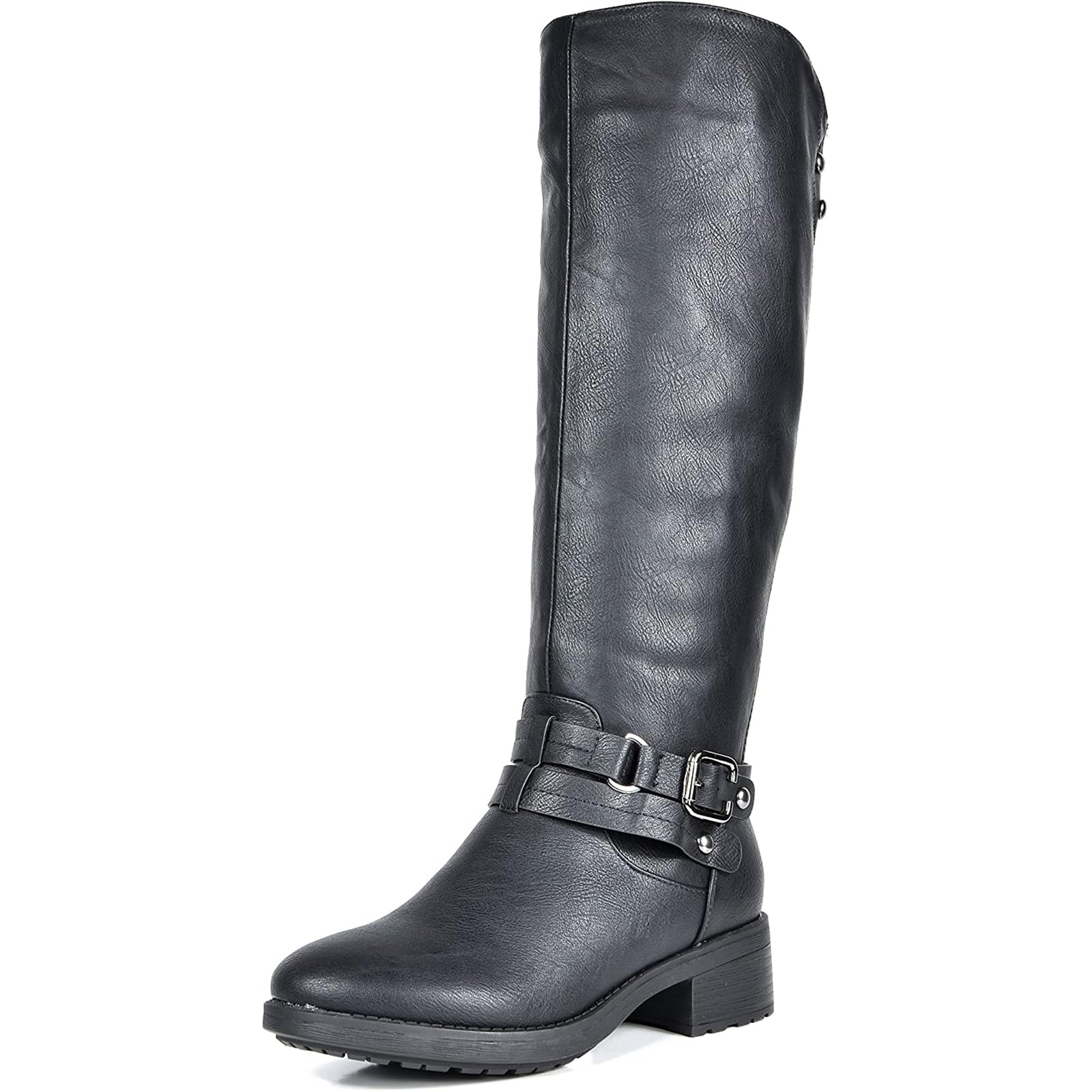

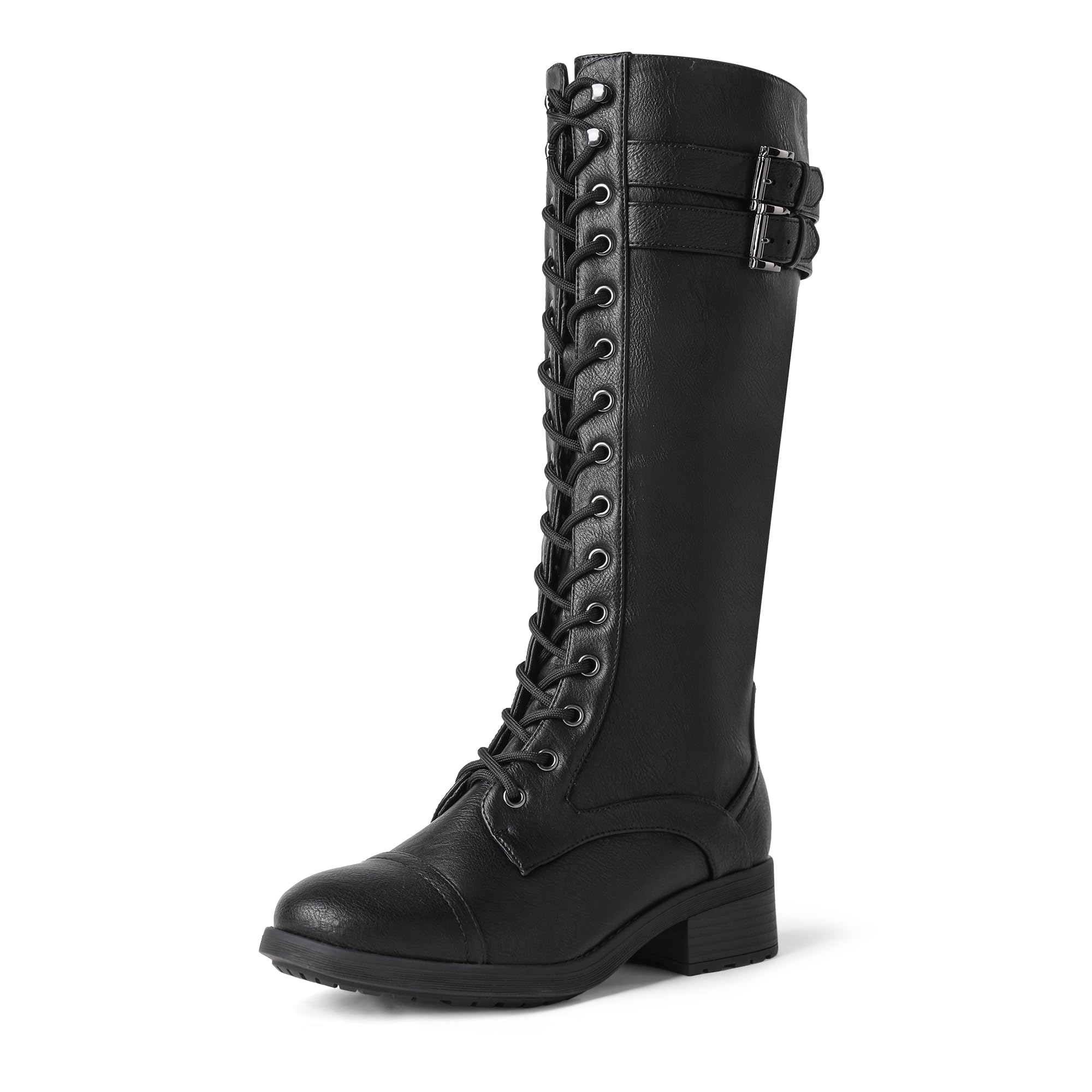

Best Black Knee High Boots 101: The Basics
A knee high boot is a tall boot whose shaft rises to just below the knee, and the black color makes it a flexible choice for everyday wear, work outfits, and dressier days. Unlike an ankle boot, a tall boot must fit two places at once: your foot and your calf. If the foot fits but the shaft pinches, gaps, or slides down, the boot will feel wrong all day no matter how nice it looks.
Most tall boots use a zipper, a pull on shaft, or laces, and each closure changes how easy the boot is to put on and how snug it feels. A full length zipper is the easiest option for many new buyers, while a pull on shaft needs a slightly wider opening so your heel can pass through. Laces give more adjustment around the ankle and calf, but they take longer to fasten. Think about how often you will take the boots on and off before you choose.
When you compare tall styles, see our guide to best knee high boots for a broader look at shaft heights and fits. That guide can help you confirm that a knee high shaft is the right height for your legs and your wardrobe. A shaft that is too tall will press behind the knee when you sit, while a shaft that is too short may look and feel like a mid calf boot.
Key Specs Explained in Plain English
The specs below sound technical, but each one answers a simple question: will this boot fit, feel good, and last through regular wear? Read each short explanation, then check the same points on any pair you are considering.
Fit, Sizing, and Toe Box
Measure your feet in the afternoon, when feet tend to be at their largest, and wear the socks you plan to use with the boots. Your toes should have room to wiggle without pressing the front, and your heel should stay in place when you walk rather than lifting with every step. A roomy toe box matters most if you spend long hours on your feet, since cramped toes can lead to blisters and aching feet by the end of the day.
Calf fit deserves just as much attention as foot size. Measure around the widest part of your calf while standing, and compare that number with the shaft circumference listed for the boot. If you fall between sizes, think about whether you usually wear thick socks or tuck in trousers, since both add bulk inside the shaft. For a closer look at fit for smaller frames, see our guide to best knee high boots for petites, which covers shorter shaft heights and narrower openings.
Upper Materials and Breathability
Leather uppers tend to feel sturdy, hold their shape well, and soften with wear, but they need regular cleaning and conditioning to stay in good condition. Knit and stretch uppers flex more easily around the calf and can feel lighter, yet they may offer less structure and less protection in wet weather. Mesh panels can add airflow, but they are less common on tall dress boots and more common on casual or outdoor styles.
Breathability matters because tall boots cover much of the leg and can trap warmth. A lined boot feels warmer in cold weather, while an unlined or lightly lined boot feels cooler in mild weather. If your feet tend to sweat, look for a moisture wicking lining and plan to air the boots out between wears. For material comparisons, see our guide to best leather knee high boots, which explains how different leathers age and how to care for them.
Weight and Flexibility
A lighter boot feels easier on long walks and long days, while a heavier boot often brings a sturdier sole and more ankle support. Neither choice is better on its own. The right balance depends on how far you walk, how much standing you do, and whether you need firm support or easy movement.
Flexibility is about how the boot bends when you walk. A very stiff boot can feel supportive at first but may rub the ankle until it softens. A very soft boot feels comfortable right away but may offer less stability on uneven ground. Try walking on a hard floor and on a slope if you can, and notice whether the boot bends where your foot naturally bends.
Outsole Traction and Terrain
The outsole is the bottom layer of the boot, and its tread pattern decides how much grip you get on wet pavements, smooth floors, and loose paths. Deeper lugs grip better on rough or muddy ground, while a flatter tread feels smoother on indoor floors and city streets. Look for a tread pattern with channels that push water away, since a smooth sole can slip on wet surfaces.
Think about the surfaces you walk on most days before you judge a sole. A commuter who walks city streets needs different grip from someone who walks country paths or works outdoors. Rubber outsoles generally grip well and wear slowly, while very hard soles can feel slippery on polished floors. Check the sole edge too, since a sole that wraps slightly up the side can add protection against scuffs.
Cushioning and Support
Cushioning is the soft layer under your foot, and it decides how comfortable the boot feels after several hours. A thicker cushioned insole feels softer at first, but softness alone does not mean good support. Arch support shapes the insole to match the arch of your foot, which helps spread pressure more evenly and can make long days feel easier.
Stability features, such as a firm heel counter and a structured midsole, help keep the foot from rolling inward or outward as you walk. If you have flat feet or high arches, pay close attention to arch shape and heel stability rather than cushioning alone. A removable insole is a useful bonus, since it lets you swap in an insole that matches your arch if the stock insole does not suit you.
Rookie Mistakes to Avoid
- Buying by foot size alone and ignoring calf circumference, which can leave a shaft that gaps or pinches.
- Choosing a very narrow toe box for style, which can cause blisters and sore toes on long days.
- Skipping a trial walk on a hard floor, which hides stiffness and heel slip that only show up in motion.
- Picking a sole for looks rather than grip, which can leave you slipping on wet pavements.
- Assuming all black boots suit every outfit, when shaft height and heel shape change the whole look.
New buyers also forget that tall boots need a little patience. Leather softens, zippers ease, and insoles settle during the first wears, so a boot that feels slightly firm on day one may feel much better after a week. Give a new pair a fair trial at home before you decide it does not fit.
Getting Started: Setup and First Use
When a new pair arrives, try both boots on with the socks you plan to wear and walk around your home for at least twenty minutes. Check that your toes have wiggle room, your heel stays put, and the shaft does not dig in behind your knee when you sit. Walk up and down stairs too, since stairs reveal calf pinching and ankle stiffness that flat walking can hide.
Break in tall boots gradually rather than wearing them for a full day right away. Start with short outings, then build up to longer days as the material softens and your feet adjust. If a spot rubs, try a different sock thickness or an insole adjustment before you give up on the pair. Air wet boots away from direct heat so the material dries slowly and keeps its shape, and store tall boots upright so the shafts do not crease or collapse.
Frequently Asked Questions
Can I wear black knee high boots all day?
Yes, you can wear black knee high boots all day if the fit is right and the cushioning suits your feet. A roomy toe box, steady arch support, and a shaft that does not pinch the calf make the biggest difference over long hours. Take short breaks to sit and stretch on very long days, and swap to a lighter pair if your feet swell in heat. If you feel numbness, sharp pain, or swelling that does not ease, stop wearing the boots and ask your doctor about the cause.
How often should I replace my black knee high boots?
Replace black knee high boots when the sole tread wears smooth, the cushioning feels flat, or the shaft no longer holds its shape. Everyday wear usually shortens life more than occasional wear, and wet conditions can age leather faster. Check the heel edge, the zipper, and the insole every few months for wear. A good pair can last several seasons with regular cleaning, but worn soles and collapsed support are signs that comfort and grip have faded.
Are expensive black knee high boots worth it?
Expensive black knee high boots can be worth it when the extra cost buys better materials, stronger stitching, and a more careful fit. A higher price does not guarantee comfort, though, and a cheaper pair that fits your foot and calf well can beat a costly pair that pinches. Compare the sole, the lining, and the shaft construction rather than the price tag alone. Spend more when you wear boots daily or in tough weather, and spend less when you need a pair for occasional outfits.
How long is the break in period for black knee high boots?
The break in period for black knee high boots usually lasts from a few wears to about two weeks of gradual use. Leather pairs often take longer to soften than knit or stretch pairs, and stiffer soles need more steps before they flex naturally. Wear new boots for short periods at first, then increase the time as they mold to your feet. If sharp pain or blisters persist after two weeks, the fit is likely wrong rather than merely stiff, and a different size or shaft width may help.
How should black knee high boots fit?
Black knee high boots should fit snugly around the foot without squeezing the toes, and the shaft should sit close to the calf without digging in or sliding down. Your heel should stay in place when you walk, and you should be able to bend your knee and sit comfortably without pressure behind the knee. Try boots on later in the day with your usual socks for the most honest fit. A small amount of initial firmness is normal, but pinching, numb toes, or a shaft that falls down are fit problems, not break in quirks.
Do black knee high boots need to be waterproof?
Black knee high boots need to be waterproof only if you regularly walk in rain, snow, or standing water. Water resistant finishes handle light rain well, while fully waterproof construction suits wet commutes and outdoor work. Waterproof boots can feel warmer and less breathable, so they may not suit mild weather or indoor days. If you face mixed weather, look for a water resistant finish plus a sole with strong wet grip, and keep a second pair for dry days.
The Bottom Line
Focus on three things when you choose: a foot fit with a roomy toe box, a calf fit that stays put without pinching, and a sole that grips the surfaces you walk on most. Materials and cushioning matter too, but they cannot rescue a boot that fails on fit or grip. Use the product table to compare the pairs that meet those three tests, then pick the one that suits your daily routine and your budget. With the right fit, best black knee high boots can carry you comfortably through workdays, weekends, and nights out alike.


